
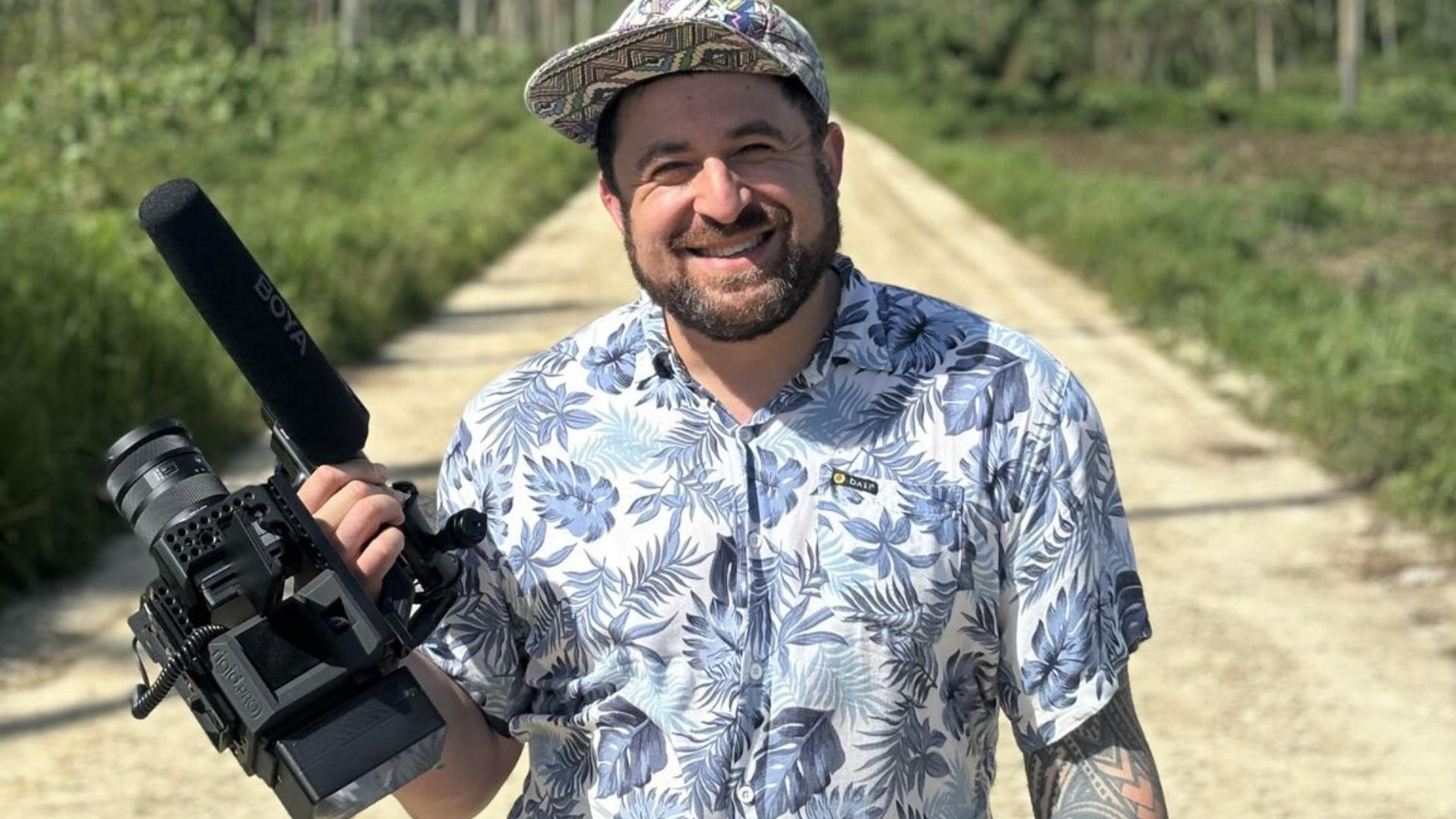
BAFTA-nominated director Tuki Laumea also filmed Algorithm of Shame: In the Village, Everybody Knows, a new Pacific documentary exploring the impact of cyberbullying and online shame.
Photo/Nine Islands Media
Entertainment
'A click in NZ can have consequences in Fiji': Film exposes serious impact of online abuse
Algorithm of Shame: In the Village, Everybody Knows sounds the alarm on cyberbullying across the region and shows how social media is being used to shame, harm, and destroy lives.

Christine Rovoi
Published
18 May 2026, 6:00am
Share
Copy Link
Top stories

Wale's new govt takes shape amid shifting political loyalties in the Solomon Islands
Christine RovoiMon, 18 May
'A click in NZ can have consequences in Fiji': Film exposes serious impact of online abuse
Christine RovoiMon, 18 May

Sāmoa ministers pictured with crypto promoters as Pacific scam warnings grow
Renate RiversThu, 14 May
Top stories
Wale's new govt takes shape amid shifting political loyalties in the Solomon Islands
Christine RovoiMon, 18 May
'A click in NZ can have consequences in Fiji': Film exposes serious impact of online abuse
Christine RovoiMon, 18 May
Sāmoa ministers pictured with crypto promoters as Pacific scam warnings grow
Renate RiversThu, 14 May
A powerful new documentary is set to spark debate across the Pacific this week as it shines a light on the growing harm caused by cyberbullying and online shame.
Algorithm of Shame: In the Village, Everybody Knows, produced by Nine Islands Media, looks at how social media is being used to target and humiliate people in Fiji.
The film also shows how quickly those attacks can spread. Set for an advanced screening in Fiji tonight (Monday 18 May), the documentary has already been described by its makers as a wake-up call for Pacific communities at home and in the diaspora.
The British Academy Film Awards (BAFTA)-nominated director Tuki Laumea, a Kiwi-Sāmoan, says the internet has changed what it means to live in a village.
In an interview with Nemai Tagicakibau on PMN Fiji, Laumea says the traditional idea of a village where people know each other and look out for one another has been replaced by a global online space where harm can spread fast and far.
“The algorithm doesn’t care about talanoa or grace,” Laumea says. “It rewards outrage and humiliation. What used to stay within a village for the sake of care is now being amplified to the world for the sake of clicks.”
One of the strongest messages in the film is aimed at Pacific people living overseas including in Aotearoa New Zealand and Australia.
Laumea warns that people commenting online from abroad may not see the real-life impact of their words.
“We need to realise that a click or a share in Auckland can lead to a funeral in Suva," he said. "There is a massive disconnect between the 'casual' way people comment from overseas and the lethal impact those words have on the ground in the islands.”
Watch a trailer of Algorithm of Shame from MaiTV below.
The documentary follows two women whose lives have been directly affected by online abuse.
Rhonda, a trans woman and leader in Fiji’s LGBTQ+ community, is shown speaking about standing up for her community after losing a close friend to sustained online attacks.
It also follows Fijian politician Lynda Tabuya, who faced intense public backlash after a private video of her circulated online during her time as Minister for Women.
Local journalists Ilaitia Ravuwai and Inoke Rabonu, who carried out interviews for the film, spoke with Tagicakibau in a Fijian-language segment focused on the “ground truth” of the crisis in Fiji.
They highlighted the toxic culture inside anonymous Facebook groups where private information and leaked content are often shared without consent.
They said these online spaces have become "a kind of judge and jury", where people are quickly shamed and punished outside any formal or community process.
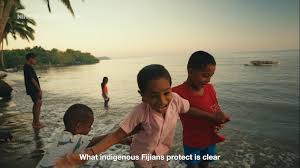
A scene from Algorithm of Shame: In the Village, Everybody Knows, which follows personal stories from Fiji and examines how online abuse is affecting families and communities across the Pacific. Photo/screengrab
The reporters also spoke about the emotional toll on the people featured in the film, saying the harm goes far beyond the screen.
In a small society like Fiji, they said, a viral post can leave a lasting “digital stain” that is almost impossible to remove often forcing families to withdraw from public life to cope with the shame and pressure.
Producer Cleo Fraser also tells Tagicakibau that the speed of online abuse is part of what makes it so dangerous.
She says it often moves faster than traditional Pacific values of respect, privacy and care can respond.
As Fiji prepares for the film’s release, the filmmakers say the issue is becoming more urgent.
Watch Tuki Laumea, Cleo Fraser, Ilaitia Ravuwai, and Inoke Rabonu's full interview with Nemai Tagicakibau on PMN Fiji below.
They point to the rise of anonymous social media pages and leak groups, which are increasingly used to spread harmful content.
The film argues this is not just about behaviour online but about identity, respect, and cultural survival in a digital world.
It says Pacific communities are now at a crossroads, where the way people use social media will shape how values like mana, dignity, and respect are carried forward.
The film’s findings are backed by official data. Fiji's Online Safety Commission (OSC) has reported a rise in complaints linked to online abuse and viral shaming.
Commissioner Anne Dunn-Baleilevuka has repeatedly urged the public to “think twice and comment wise” before sharing or engaging in harmful content online.
Shamima Ali, of the Fiji Women’s Crisis Centre, has also raised concerns about growing digital harassment, particularly targeting women in leadership roles.
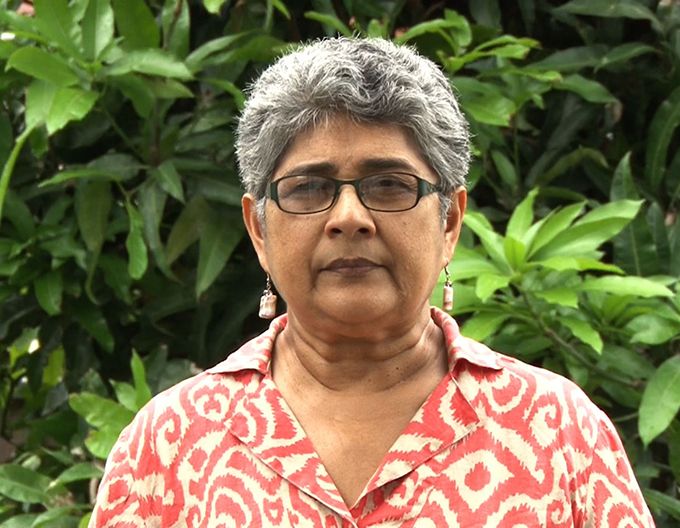
Shamima Ali has warned that rising online harassment is reaching crisis levels and called for a national conversation to address digital abuse and protect women’s voices in Fiji. Photo/FijiOneTV/screengrab
Ali says the situation is becoming a serious problem and has called for a “national conversation” to address it, warning that online campaigns are being used to silence voices and distort the truth in Fiji.
Algorithm of Shame: In the Village, Everybody Knows advanced screening on Monday, 18 May at 7.30pm (local time) on MaiTV in Fiji.
The project is part of a collaboration between the Moana Reo Fund, the Ministry for Pacific Peoples in New Zealand, and the Pacific Media Network. It aims to use Pacific languages and storytelling to address modern issues like cyberbullying.
Watch Tuki Laumea's interview with John Pulu on Pacific Mornings about his short film, Fight for the Pacific, below.
If you or someone you know is impacted by online harm, please reach out for help:
Lifeline Fiji: 1543
Fiji Women’s Crisis Centre: 1560
Online Safety Commission Fiji website
NZ support: Netsafe.org.nz