
Labour and Greens clash over what's ‘transformative’ for NZ's Pacific voters
Thomas Tarurongo WynneWed, 14 Oct
Fee Taman, of the Mental Health Foundation, says community and afi (support) can help dismantle bullying and heal victims.
Photo/Unsplash
Mental health experts say bullying is damaging wellbeing across Aotearoa, with workers and young people among those most affected.


Bullying is not always loud. It can be quiet, hidden, and still deeply harmful especially when it chips away at a person’s sense of belonging.
That’s the message behind Pink Shirt Day (15 May) in Aotearoa New Zealand, a nationwide movement encouraging schools, workplaces and churches to build safer spaces where people feel accepted and supported.
The Mental Health Foundation (MHF) says “bullying is to poor mental health what a mosquito is to malaria”, a sentiment that anchors a nationwide effort to protect the collective wellbeing of Pacific families.
One in five New Zealanders say they have experienced bullying in the past year, according to MHF. For Pacific people, recent data shows six in 10 Pacific workers have concerns about their employment situation, ranging from equity issues, unpaid overtime, harassment and workplace safety issues.
Speaking with William Terite on Pacific Mornings, Fee Taman, a Pink Shirt Day spokesperson at the Mental Health Foundation, says Sean Robinson, the CEO of the MHF, whose mosquito analogy sums up why addressing bullying is crucial for mental health.
“It spreads fast. Studies do show that people who are bullied are likely to experience poor mental health in the form of anxiety, depression, and suicidal thoughts,” Taman says.
Taman says social bullying, such as being isolated or left out, is a common form of harassment in New Zealand. She says bullying chips away at a person’s sense of belonging.
Listen to Fee Taman’s full interview below.
She says one in five New Zealand workers experienced bullying in the last 12 months, a “sad… reality” affecting communities across many spaces.
Taman says it also costs employers NZ$1.34 billion annually in turnover and sick leave.Speaking with Regan Foa’i and Gaby Solomona on The Morning Shack, Tim Diamond, the Global General Manager of the Cotton On Foundation says culture change is a "long play”.
“To be an upstander and to try and stop bullying, it takes time. That's something that we're seeing when you look at last year's statistics,” Diamond says.
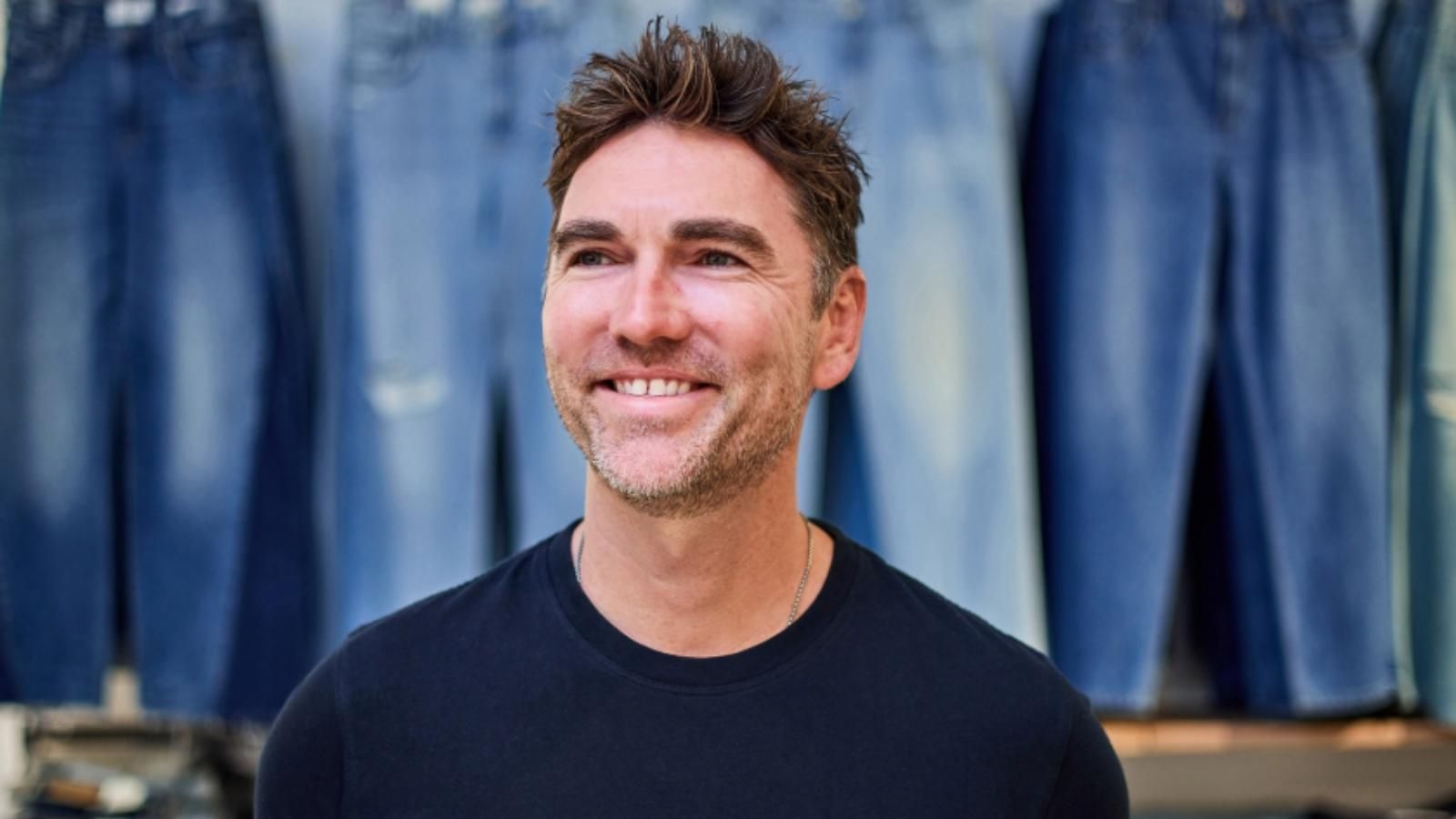
Tim Diamond. Photo/Cotton On Group
“This blew me away. Pink Shirt Day alone, 1.5 million people across this country took action in some way against bullying.
“So you ask yourself, if the pink shirts weren't out there, if we weren't talking about it, would that actually happen?”
What is now a global talanoa (conversation) began with a “simple act of courage” in 2007 as Taman puts it.
The origin of the day was sparked when a student was harassed with homophobic slurs for wearing pink. Two peers then bought 50 pink shirts to stand in solidarity with him.
Today, this movement spans 180 countries. Taman says this movement is desperately needed in light of New Zealand having the third-highest rate of school bullying in the OECD.
She says 13 per cent of students are frequently bullied, a rate significantly higher than the global average.

Fee Taman says 13 per cent of students are bullied often. Photo/File
“So it doesn't have to be complicated. Every time we choose kindness, especially towards someone who is different or someone we don't know well, we model inclusion and share that sense of belonging.”
The movement also encourages tautua (service) through practical actions. Taman suggests that the first step is to afi (support) those targeted by sitting with them so they know they are not alone.
“If you do feel safe to do so in the moment, you can change the vibe. You could bring the heat down instead of letting it go up.

Fee Taman says belonging can be reinforced for others when people choose to be kind. Photo/Unsplash
“You can interrupt what the vibe is in that moment with a calm presence. Even little things, gently and if safe to do: calling out behaviours like, ‘that's actually not cool’.
“Things like that really do change the tone. I also want to say that those that are supporting people subjected to bullying to not forget that they also have support as well.
“Tell a parent, a coach, a manager, someone who can help step in. We want to make people remember that bullying thrives in silence, so the more we talk about it the less power it has.”
Taman also reminds those affected that support is available and no one has to go through it alone.
Diamond says the goal is for everyone to become a "better citizen" in their communities while Pink Shirt Day continues to push a simple message that kindness, inclusion, and belonging can change lives.
For more information on Pink Shirt Day, click here.