Online vault aims to return Pacific research to the community
Aui'a Vaimaila Leatinu'uWed, 21 Oct
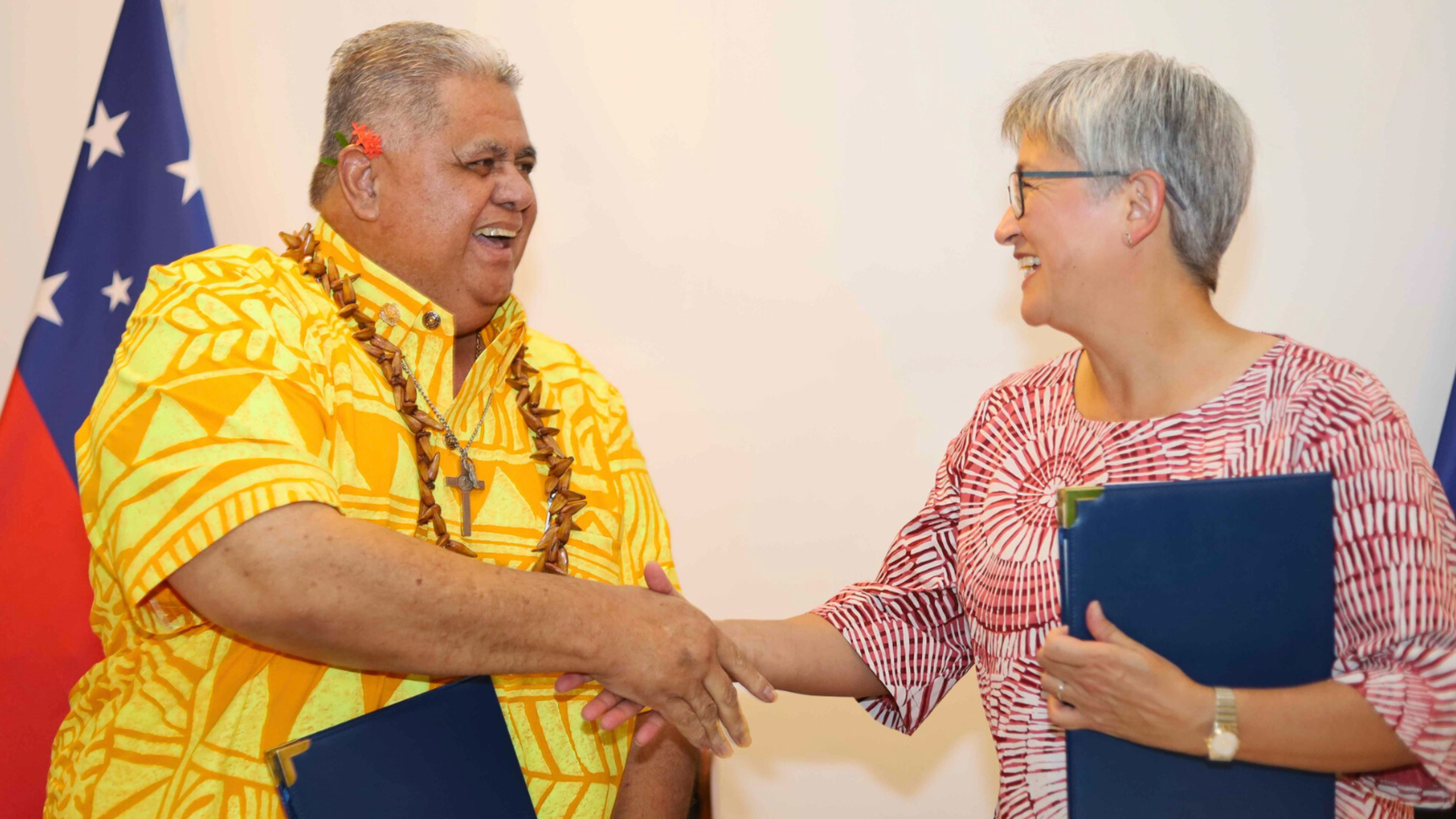
Prime Minister Laaulialemalietoa said the government’s approach to online harms would combine prevention and enforcement, arguing stronger oversight is needed to limit defamatory or harmful online conduct.
Photo/Government of Sāmoa
The agreements are expected to boost cybercrime response and Pacific policing cooperation as Sāmoa signals tougher action on online harms.

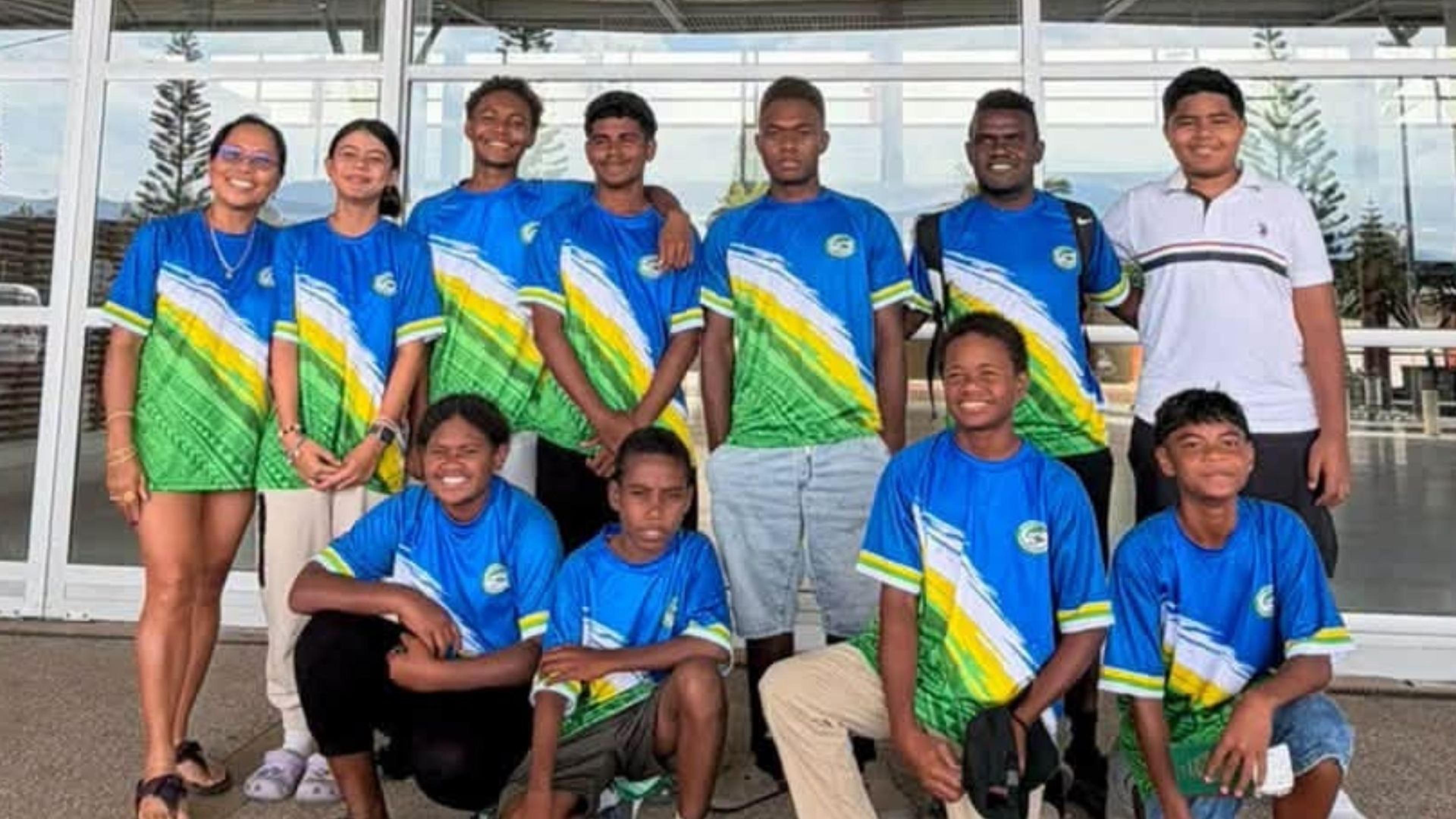

Sāmoa and Australia have signed new cybersecurity and policing agreements worth AU$2 million (NZ$2.3m) over three years.
The deals are expected to strengthen regional cooperation against cybercrime and transnational crime.
The memorandums of understanding, confirmed during Australian Foreign Minister Penny Wong’s visit to Apia on Tuesday, formalise support for Sāmoa’s cyber preparedness and its participation in the Pacific Policing Initiative.
Prime Minister Laaulialemalietoa Leuatea Polataivao Schmidt said the cooperation would also support the government’s efforts to address harmful online conduct.
A second agreement formalises Sāmoa’s involvement in regional policing arrangements, including the Pacific Police Support Group, specialised training programmes, and coordinated multinational responses to emerging security threats.
Wong said the agreements reflected a shared commitment to regional stability and cooperation against transnational crime, including drug trafficking.
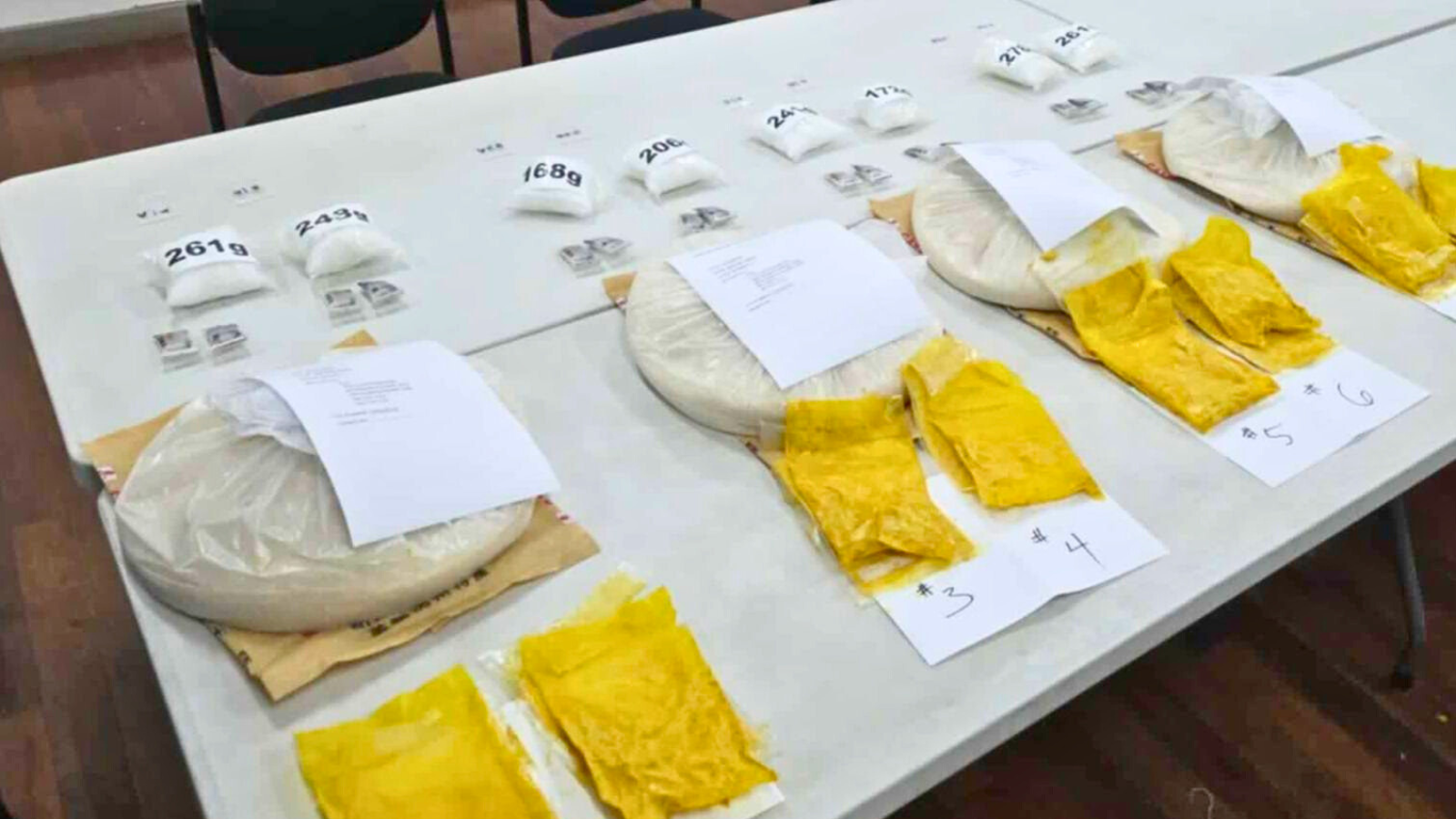
Drugs smuggled in to Sāmoa via bags of rice (September 2025). Photo/SPPCS
“To combat drug trafficking, countries need to work together,” she said. “Working together strengthens the security of Sāmoa and the whole Pacific family.”
The Pacific Policing Initiative, endorsed by Pacific leaders in 2024, aims to establish regional training centres, a deployable multinational police capability, and a coordination hub to support joint operations.
Pacific police chiefs have called it a major step in strengthening collective capacity against organised crime, cyberattacks, and foreign interference.
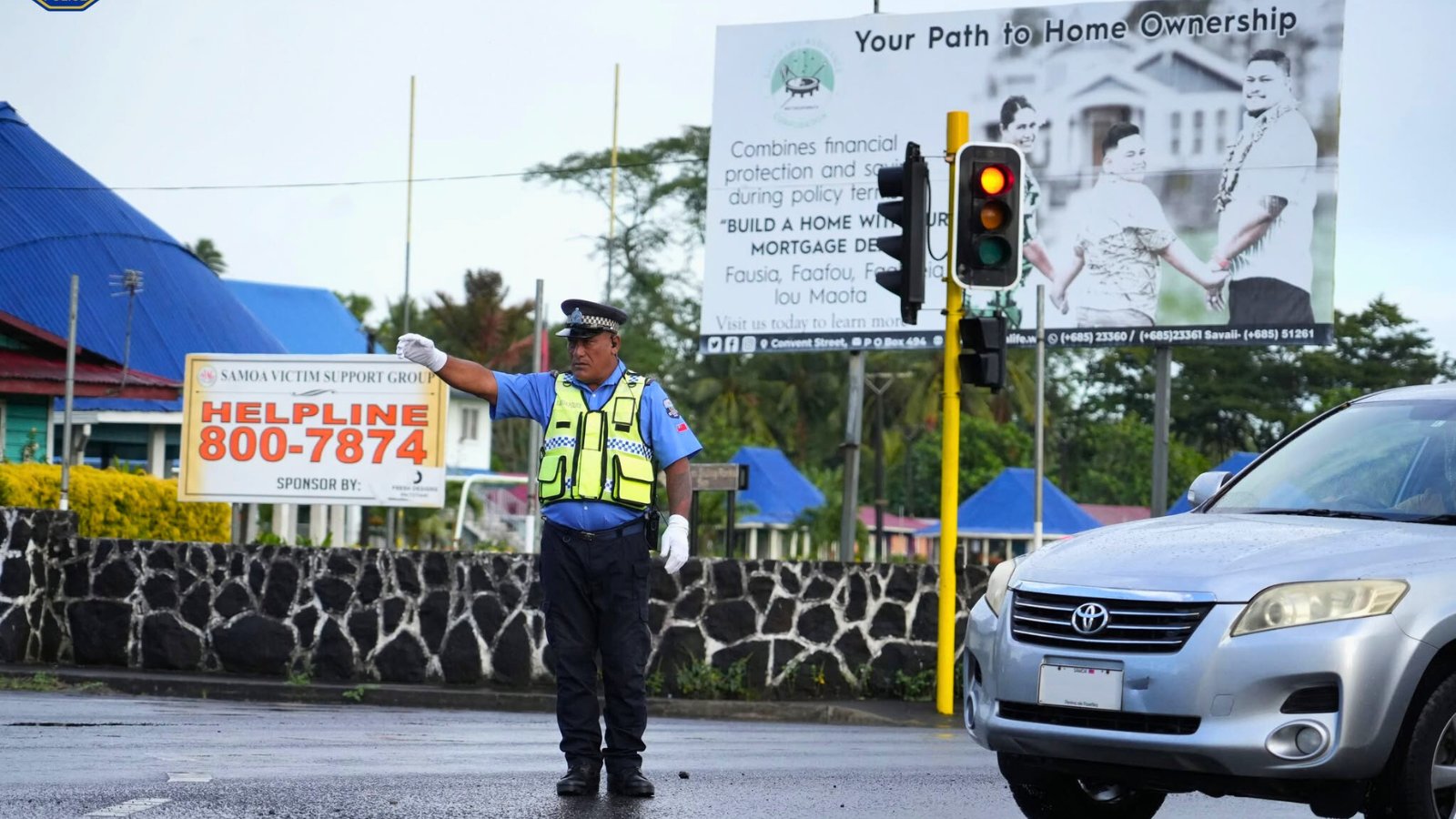
Police in Sāmoa. Photo/SPPCS
While the signed memorandums focus on cybersecurity and policing cooperation, Laaulialemalietoa has previously linked closer engagement with Australia to concerns about harmful or defamatory online content.
He has said Sāmoa currently relies on Australian channels to raise complaints with social-media platforms such as Facebook.
The Prime Minister has outlined plans for a national social media policy and a proposed monitoring division involving police, communications, and foreign affairs agencies to address what he describes as harmful online behaviour.
Media freedom advocates have cautioned that any online regulation must include safeguards to protect legitimate political criticism and freedom of expression.
Officials in Sāmoa and Australia did not respond to questions before signing about whether the agreements would involve content-removal requests, legal thresholds or legislative changes.
The memorandums do not publicly detail any platform-related enforcement mechanisms.
Watch part of the joint press conference between Prime Minister Laaulialemalietoa and Australian Foreign Minister Penny Wong:
Public debate over online harms has intensified in recent months, with political disputes and defamation cases playing out both in court and across social media.
In January, former prime minister Tuilaepa Sailele Malielegaoi was charged under Sāmoa’s criminal defamation law following complaints by Education Minister Aiono Alec Ekeroma and the Prime Minister. The matter remains before the courts.
Last October, former prime minister Fiamē Naomi Mataafa filed a civil defamation suit against Laaulialemalietoa over remarks made during a 2025 election rally.
At the village level, Safata in April 2025 permanently banished a matai after social-media posts alleging corruption by a senior chief. An ifoga, or formal apology, was accepted, but the ban remained, and a police complaint was filed.
Laaulialemalietoa said the government’s approach to online harms would combine prevention and enforcement, arguing stronger oversight is needed to limit defamatory or harmful online conduct.