Trump's new tariffs spare Pacific but trade shock could still hit island economies
Christine RovoiThu, 26 Nov
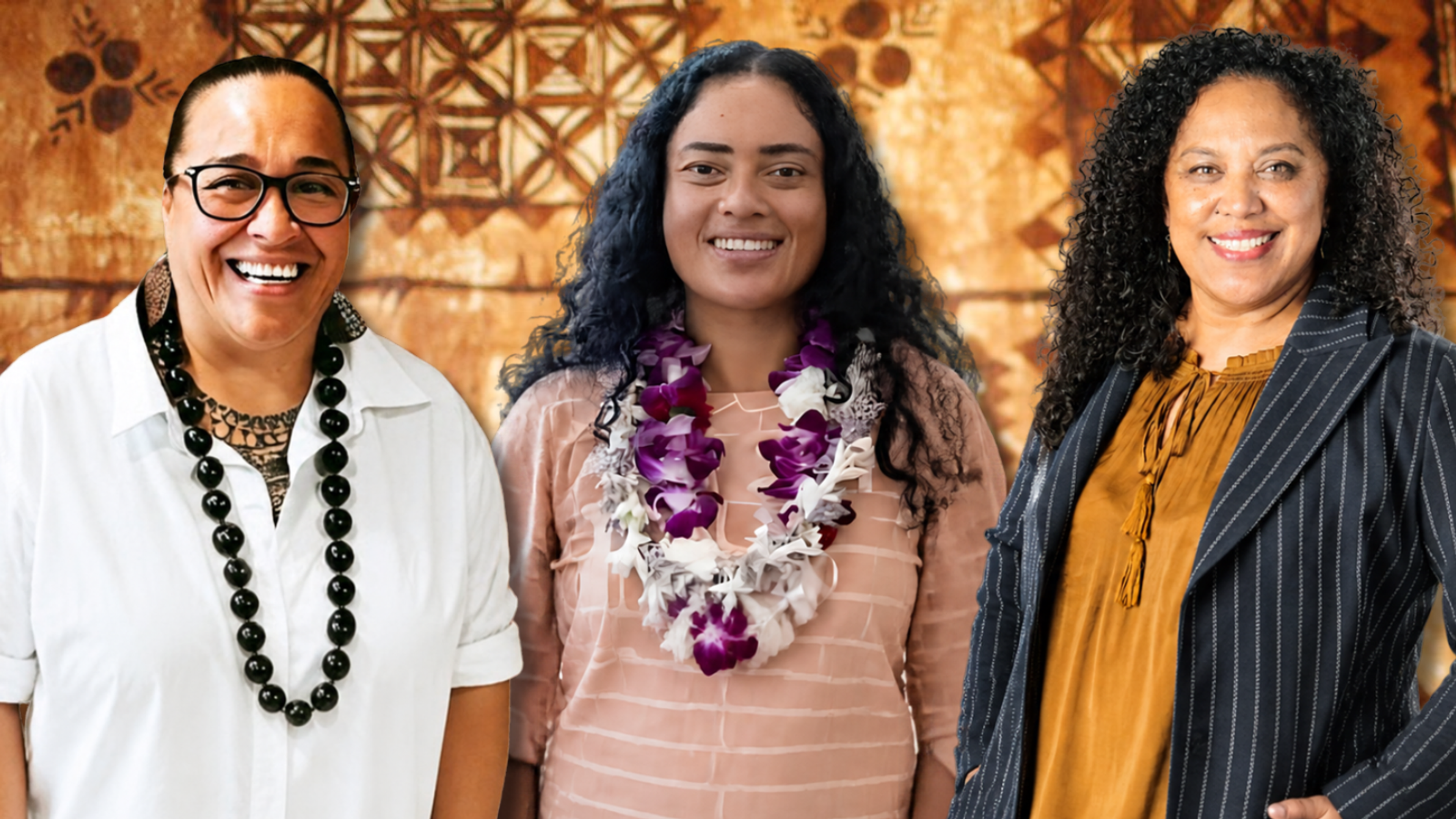
From left: Rose Marsters, Sheena Tavioni and Rachel Afeaki Taumoepeau, speak on the challenges and opportunities for Pacific women as MBIE figures show a rise in the professional cohort for Pacific workers.
Photo/PMN News/Composite
Women leaders say qualifications, childcare, connections and funding still shape who gets ahead as unemployment rises among Pasifika wāhine.


More Pasifika are moving into professional jobs but Pacific women leaders say the gains are not reaching everyone with wāhine accounting for most of the recent rise in Pacific unemployment.
Ministry of Business, Innovation and Employment figures show the number of Pacific professionals rose by 3700 in the year to September, reaching 34,800.
But unemployed Pacific women increased by 2100 over the same period, while unemployed Pacific men fell by 800.
Rose Marsters, Wintec Executive Director of Learner Success and Experience, says the figures show that progress is not being shared equally.
“I think it reminds us that progress isn't being experienced equally across our communities,” she told PMN News.
“While we're seeing Pacific people move into skilled and professional roles, there's still many Pacific families experiencing unemployment and financial pressure.
Listen to Rose Marster's full interview below.
“Sometimes having the skills or the potential isn't enough. I think people also need that first opportunity, the right connections, work experience, and someone willing to give them a chance,” Marsters says.
Cook Islands businesswoman Sheena Tavioni says she has seen the divide through her own working life.
“I think it's because we've got people with qualifications moving up in the business, in the workforce, and people without the qualifications are being left behind,” she says.
Listen to Sheena Tavioni's full interview below.
Tavioni, sales director of fashion house TAV, says technology is also changing the workplace and putting pressure on people who have spent years in the same industries.
“You've got these people that have come here, given their life and loyalty to these corporations for 30 years, AI comes in and they'll be like, right, we need to be more efficient, sorry, you don't have a qualification.”
She says she experienced that herself while working in big-box retail. “When I left, it was just like, okay, thanks, thank you, goodbye.”
Tavioni later returned to TAV, the Rarotonga business founded by her mother, Ellena Tavioni, in 1987.
Rachel Afeaki-Taumoepeau, a company director and consultant, says technology is replacing workers.
“That's not very good for our Pacifica peoples because they're more likely to be the first to be told that they don't have a job,” she says.
Listen to Rachel Afeaki-Taumoepeau's full interview below.
At the same time, more Pacific women are entering professional and leadership roles.
Marsters says that progress reflects the sacrifices made by earlier generations. “We're now seeing more Pacific women moving into professional careers and leadership roles and positions where they influence decisions.”
But Ministry for Women figures show Pacific wāhine professionals earn 22.5 per cent less than all male professionals while Pasifika women hold 3.4 per cent of public sector board roles.
Afeaki-Taumoepeau says women in leadership need to keep supporting each other.
“I think it's really important that women continue to support each other, gather together, and just continue to have forums where the conversations can be had.”
For Pacific women starting businesses, Tavioni says access to money remains a major barrier.
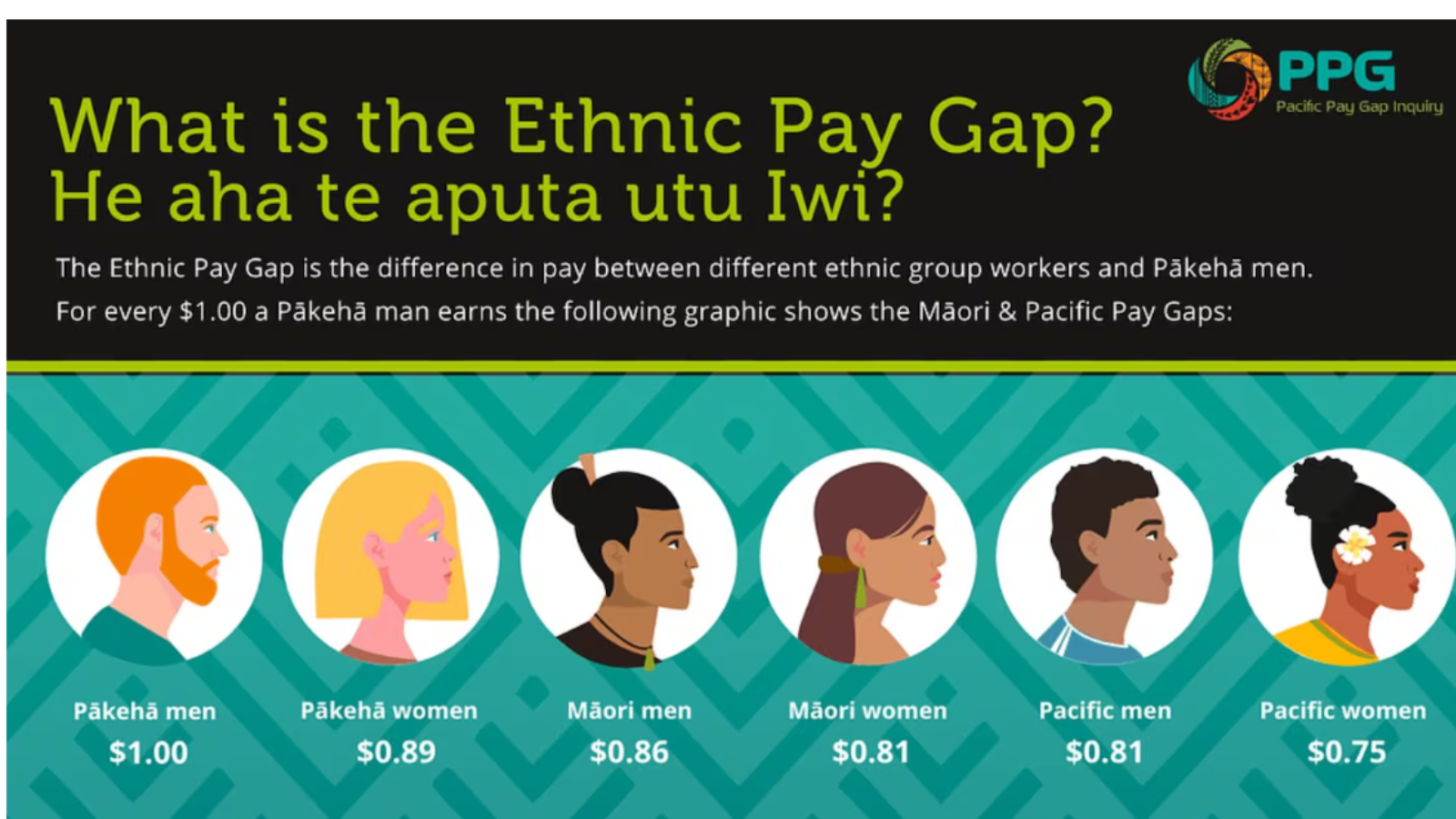
Ministry for Women figures show Pacific wāhine professionals earn 22.5 per cent less than all male professionals while Pasifika women hold 3.4 per cent of public sector board roles. Photo/Pacific Pay Gap Inquiry
“A lot of small businesses are owned by Pacific Island people. And I think the struggle is there's not enough funding.”
The Pacific Business Trust has told PMN News its new business network, which has no specific funding allocation for Pacific women, “will not be enough”.
Afeaki-Taumoepeau says the government can do more to support women-owned businesses through procurement and services in regional centres.
Marsters says childcare, transport, financial pressure and family responsibilities can also make it harder for young Pacific women to move ahead.
“We need education and training that's accessible, affordable and connected to real employment opportunities,” she says.
“I think we shouldn't simply expect people to work harder or be more resilient. We need to make sure that the system around them is helping them to succeed.”

For Pacific women starting businesses, Sheena Tavioni says access to money remains a major barrier. Photo/PMN News/Composite
Her message to young Pacific women is personal. “Don't let where you are right now determine where you want to end up. You don't have to have everything figured out.”
Tavioni says culture should be part of that journey, not something Pacific women leave behind.
“Their culture is their strength in any workplace, so never, ever, ever leave that at the door. Don't wait to feel ready. When you fail, you fail fast, get back up.”
Marsters says the goal is bigger than getting more Pacific women into work. “I think enough of the surviving. I'd rather us have our communities in a place where we're thriving.”
For Pacific women, the challenge now is making sure the growth in professional work becomes a wider opportunity, not another divide between those moving ahead and those being left behind.