
‘We are going to win’: Winston Peters rules out being in opposition days before election
Thomas Tarurongo WynneMon, 02 Nov
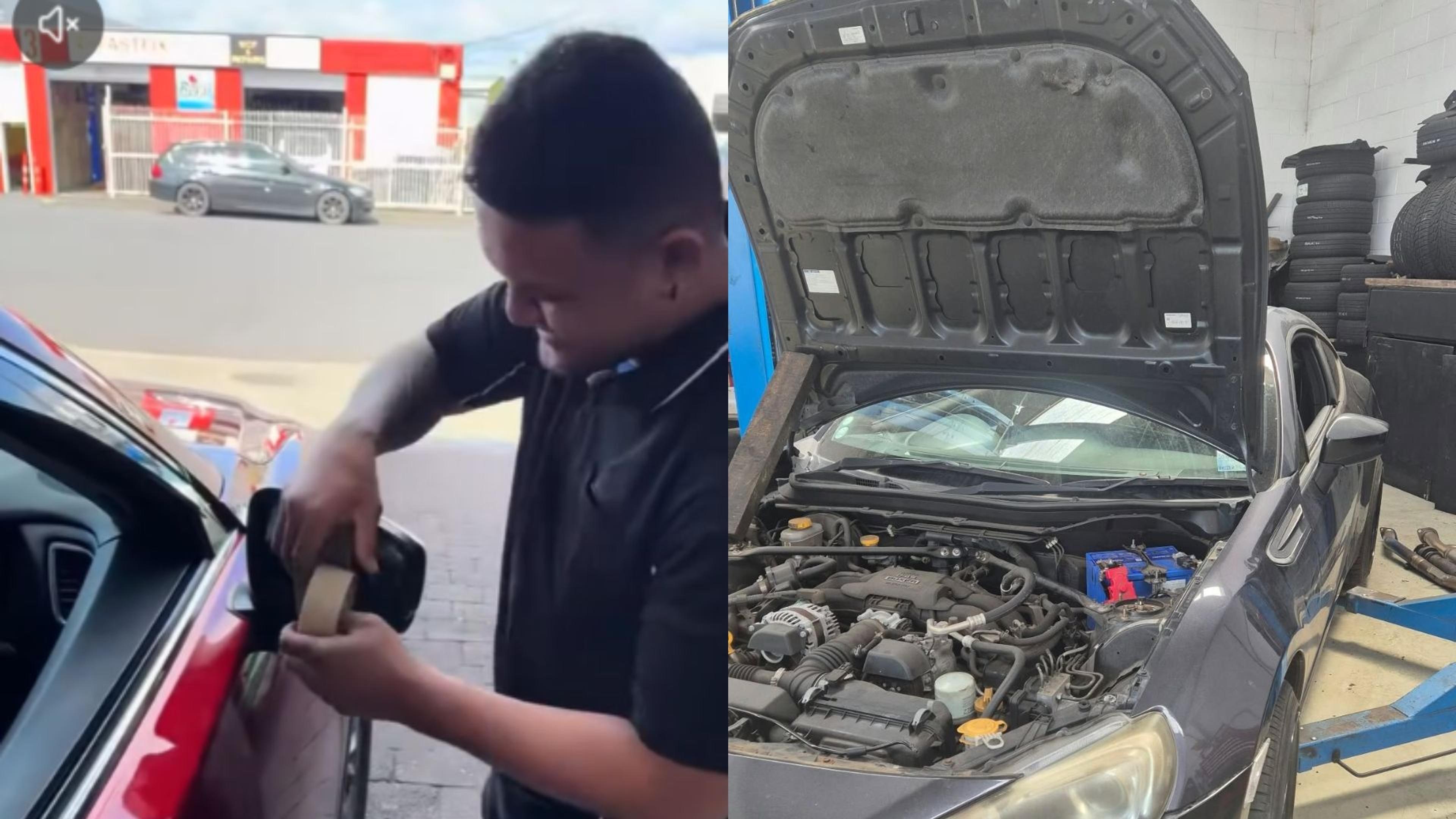
Drivers could soon face fewer WOF checks under the Government’s proposed reforms.
Photo/K&P Automotive
A Sāmoan mechanic says the changes could ease pressure on households but drivers can't treat a longer WOF period to delay maintenance.



Pacific families could save money under proposed changes to New Zealand’s Warrant of Fitness (WOF) system but a Sāmoan mechanic has a simple warning.
Pelu Etuale of K&P Automotive says a longer WOF period does not mean a car can be left unchecked.
Etuale welcomes the proposed changes, which would see many vehicles inspected less often, but says Pacific motorists will still need to keep up with repairs and regular maintenance.
“For our Pacific community, I think they'll be a bit happier with the two years. But they've still got to keep up with the repairs and what they need on the cars.”
Under the reforms, most light vehicles aged between four and 14 years would move from annual WOF inspections to once every two years.
New light vehicles would have their second WoF after four years instead of three, while vehicles first registered before 1 January 2000 would move from six-monthly inspections to annual checks.

More cars could go longer between Warrant of Fitness inspections under the proposed changes. Photo/RNZ/Phil Pennington
The changes are due to be introduced in stages from November 2026 and November 2027.
For families already under pressure from rising costs, the savings could be welcome. But Etuale says the longer gap between inspections means drivers need to take more responsibility for their vehicles.
He says some older vehicles may not be driven often, but that does not mean safety checks can be forgotten.
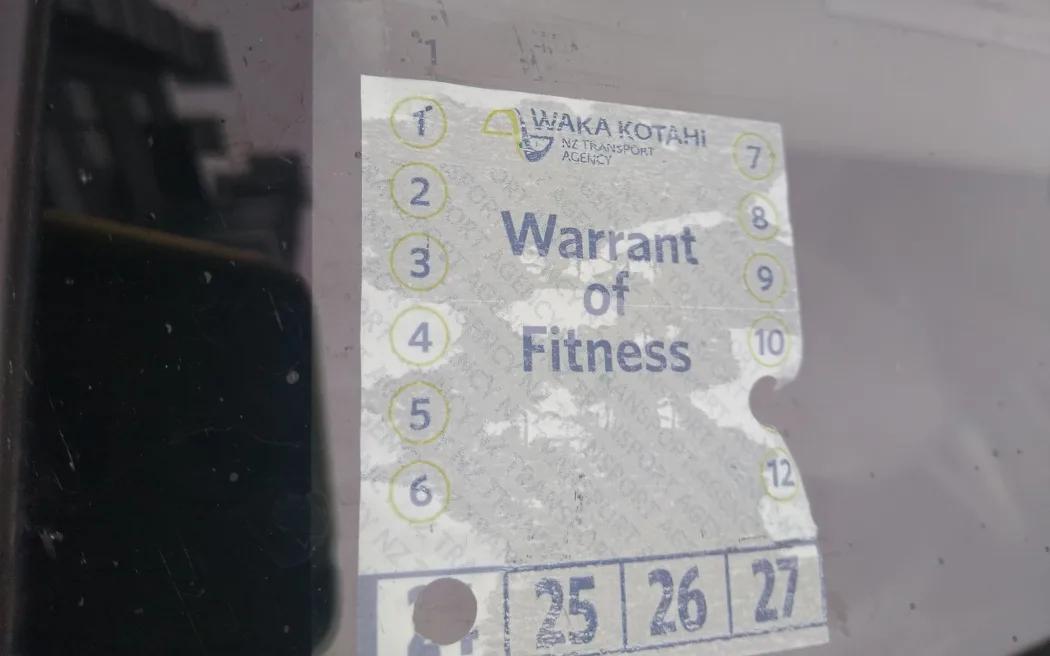
The proposed WOF changes would mean less frequent inspections for many vehicles. Photo/Supplied
“Tyres, brakes and wipers are some of the main things. They're quite crucial, and that's why we've got to fail them when they don't meet the standard.”
Etuale says his workshop regularly sees motorists struggling with repair costs, sometimes over problems that may seem small but can still affect whether a vehicle is safe.
“Sometimes it's just a small light or worn wiper blades, but those things still need to meet safety requirements.”
The concern is shared by others in the automotive industry.
Jason Wilson, chief executive of Midas New Zealand, told RNZ that moving from annual to two-year inspections could mean more unsafe vehicles remain on the road.
“With the change from a year to two years, there's going to be unsafe vehicles on the road,” Wilson said. “The biggest issue that I see is the safety factor.”
Wilson says the cost of living is already pushing some motorists to delay servicing, which could create bigger bills later.
“In a cost-of-living crisis, people need to buy food, need to pay their mortgage, but they're putting off their servicing right now.
“When your car is not serviced after two years, that cost is going to be higher. The bill will be bigger.”
He says some of the most important problems are not obvious to drivers because they can develop underneath a vehicle.
“The stuff that you don't manage to see is under the car. Your tyres keep you on the road. They connect you to the road.”
His advice is to keep servicing vehicles according to the manufacturer's schedule, regardless of when the next WOF is due.

Transport Minister Chris Bishop says the WOF changes will cut costs while maintaining road safety. Photo/NZ Government
“My advice to all Kiwis is to stick to your routine servicing.”
The Government says the reforms are designed to cut costs without reducing road safety. Transport Minister Chris Bishop and Associate Transport Minister James Meager say New Zealand's current inspection rules are more frequent than those in many comparable countries.
“Other countries, including Ireland, Germany, Japan and Australia, inspect every one to two years or at ownership change and achieve comparable or better safety outcomes,” Bishop said.
The Government estimates the changes will deliver between $2.6 billion and $4.1 billion in net benefits over 30 years through lower inspection costs, less time spent meeting compliance requirements and fewer unnecessary repairs.
Lachlan Eddie,a journalism student at Wintec, is currently completing a six-week internship at PMN News.