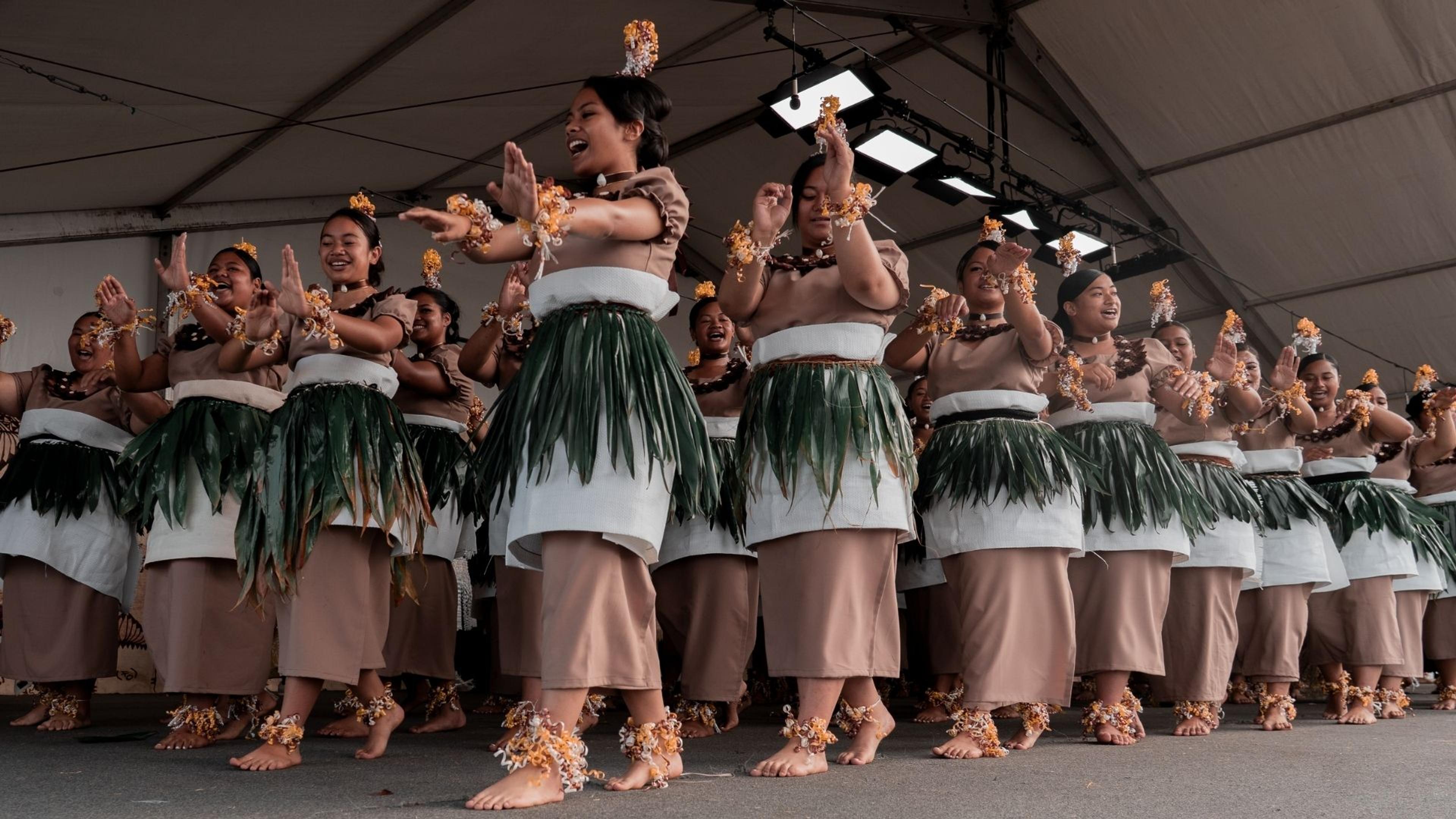
Pacific performers share cultural traditions through dance and performance, helping carry stories and heritage across generations.
Photo/PMN Digital/Eroti Navuku
Arts
Pacific artists are more than just a NZ election afterthought, tutor says
A Pasifika dance researcher says parties need to do more to protect creative livelihoods with funding, cultural identity and the impact of AI at stake.

PMN News
Published
15 October 2026, 10:39am
Share
Copy Link
Top stories
'Nightmare': Why NZ govt declined visa for woman stranded in the Cook Islands
Shalveen Chand, Cook Islands NewsWed, 14 Oct
Kiwis’ forward pack holds key to World Cup opening clash against Australia, experts say
Elton Lonaratha JnrThu, 15 Oct
Niue wildfire burned for nine days as new truck arrives from Aotearoa
PMN NewsThu, 15 Oct
Top stories
'Nightmare': Why NZ govt declined visa for woman stranded in the Cook Islands
Shalveen Chand, Cook Islands NewsWed, 14 Oct
Kiwis’ forward pack holds key to World Cup opening clash against Australia, experts say
Elton Lonaratha JnrThu, 15 Oct
Niue wildfire burned for nine days as new truck arrives from Aotearoa
PMN NewsThu, 15 Oct
Pacific artists are being asked to make world-class work with limited resources, while their livelihoods and contribution to the economy remain largely overlooked in the election campaign, a Pacific dance researcher says.
Iatua Felagai Taito, a PhD candidate in Dance Studies at the University of Auckland, says parties need to treat the arts as essential to New Zealand’s economy and cultural identity, not as something nice to have when money allows.
Speaking with Pacific Mornings host William Terite, Taito said the major parties had yet to show enough ambition to support artists, particularly those working freelance or on short-term contracts.
“As artists, or especially as Pacific artists, we know how to make the most and create quality work with the little resourcing that we have,” she said. “But that shouldn't be like a normalcy in the space.”
Taito pointed to a $27 million reduction in arts funding to over four years, which he said was affecting organisations across Aotearoa. This includes dance and theatre companies and arts festivals.
The Government says the cuts are part of its wider focus on fiscal restraint, with Budget 2026 requiring all agencies funded through Vote Arts, Culture and Heritage to contribute to savings.
Watch Iatua Felagai Taito's full interview below.
The package totals $27.077m over four years, a two per cent reduction against the eligible funding baseline.
Taito said the pressure on arts organisations had consequences beyond the creative sector. “To understand our Pacific arts is to understand our Pacific communities.”
He said for Pacific people, dance and performance could carry family histories, ancestral knowledge and cultural identity across generations. Taito said this deeper role was often missed when arts were viewed mainly as entertainment.
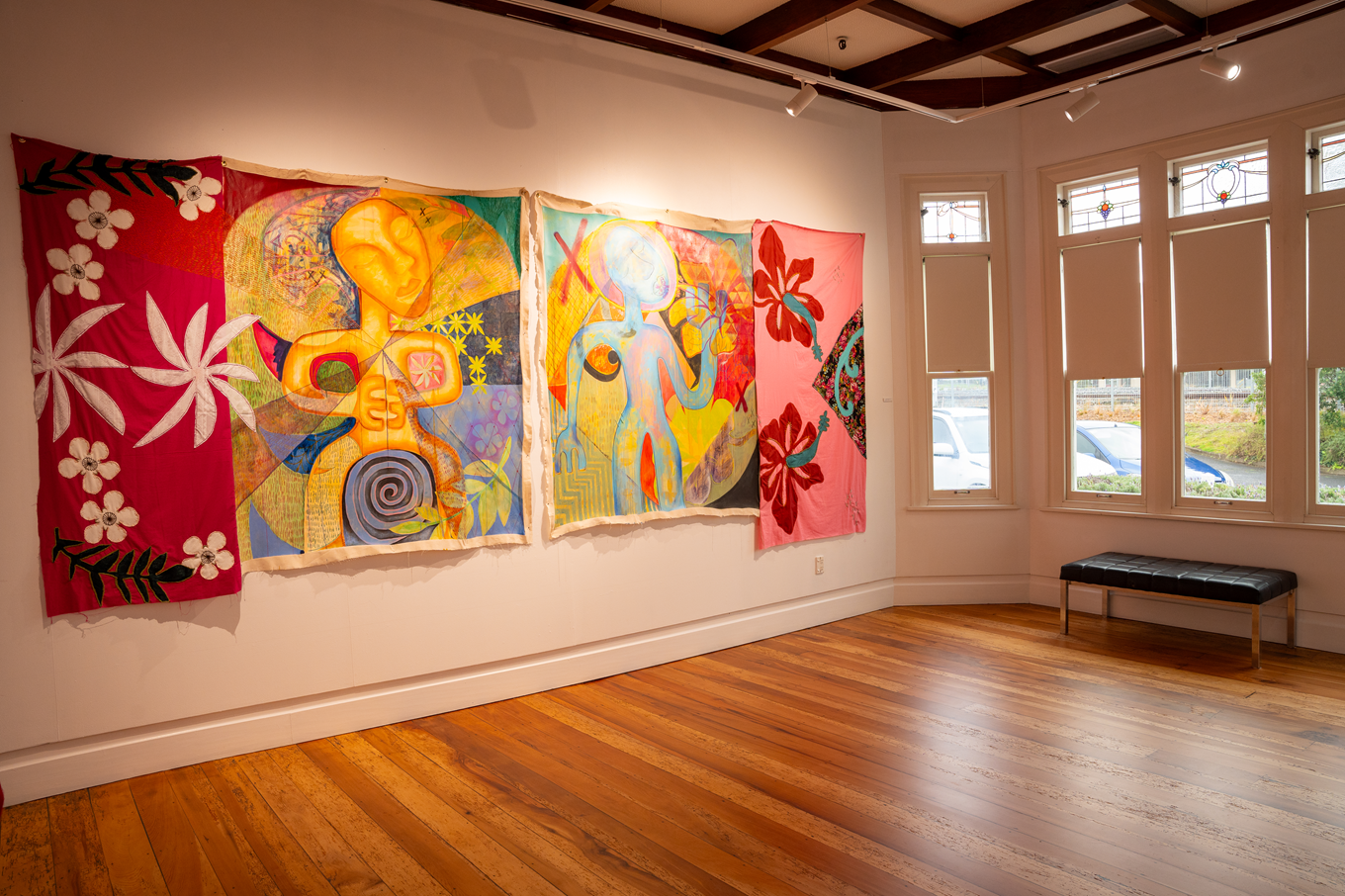
Budget 2026 includes $27.077 million in savings over four years across arts, culture and heritage funding, raising questions about the impact on artists and creative organisations. Photo/Facebook/Corban Estate Arts Centre
“We don't just see it as dance expression. It is our lived embodiment of how we carry our histories, our lineages.”
For Vasa Fia Collins, director of creative business VĀ Creative and the widow of former Green MP Fa'anānā Efeso Collins, the value of arts lies in what they can build for communities over generations.
In a separate community-led project in Ōtāhuhu, Collins has advocated for Māori and Pacific stories to shape public artworks with local people helping decide how their cultures and histories are represented.
“It's something that can really serve the community and become a legacy piece for generations to come,” she told LDR in August.
The PMN News-Horizon Research Pacific Issues Election Survey found that nine in 10 Pacific respondents said the cost of living would influence their vote while 75 per cent identified jobs and wages as an election issue.
The findings underline the economic pressures facing Pacific households, including creative workers whose income can depend on freelance and short-term work.

Pacific arts carry cultural knowledge, histories and traditions across generations, making support for artists important beyond the entertainment sector. Photo/PMN/Paul Lisi
'Greens lead on arts policy'
Taito said the Green Party had the most comprehensive arts policy in his assessment because they focussed on cultural infrastructure, funding and education. He said the party appeared to understand the realities of artists whose main income came from creative work.
Labour had also proposed measures he welcomed like protections for artists’ intellectual property against artificial intelligence companies using their work without permission.
He also pointed to Labour's proposed local support act programme, which would help local performers open for international acts.
But he said Labour's approach remained too cautious for a sector already under pressure. “Labour could be doing more but I do appreciate the policies that they have thus far.”
National, meanwhile, established its Amplify Creative Strategy but Taito said he could not see the same level of commitment reflected in the party's wider fiscal plans and election policies.
He also questioned the limited prominence given to the arts by National, New Zealand First and the Opportunities Party during the election campaign.
Watch former Arts Council of NZ chair Caren Rangi's full interview on Pacific Mornings below on Creative NZ cutting its workforce.
Taito cited figures from Manatū Taonga, the Ministry for Culture and Heritage, which he said showed the arts sector generated $17.5 billion for Aotearoa. He argued that economic contribution, alongside the cultural value of the arts, should give parties a stronger reason to invest in creative careers.
A question for every party
With the election approaching, Taito wants parties to explain how they will provide sustainable funding and build meaningful partnerships with Māori to support Pacific artists.
His challenge is also about recognising Pacific arts on their own terms and not expecting artists to keep producing work with limited support.
He said parties needed to understand the value of Pacific creative work as communities continued to grow in a country geographically situated in the Pacific.
“How will your party commit to specific policies, sustainable funding and meaningful partnerships with tangata whenua to support Pacific artists in preserving their cultural heritage, strengthening cultural creative industries professionally and artistically in Aotearoa?”
New Zealanders head to the polls on 7 November with advance voting starting on 26 October.