High blood pressure a silent killer, Solomon Islands calls for stronger action
Lachlan EddieFri, 23 Oct

Caren Rangi says cutting jobs at CNZ will not solve underfunding, while Arts Minister Paul Goldsmith argues the restructure will put millions more into the hands of artists.
Supplied
Former Arts Council chair says cutting jobs will not solve underfunding, while Arts Minister Paul Goldsmith argues the overhaul will put millions more into the hands of artists, inluding Pacific artists.

A former Arts Council chair says Creative New Zealand's planned job cuts will not solve the biggest challenge facing artists.
Caren Rangi says the real issue is underinvestment in the sector.
Speaking with Will Terite on Pacific Mornings, Rangi questioned whether reducing staff would deliver lasting benefits as Arts Minister Paul Goldsmith defended the restructure as a way to direct more funding to artists instead of administration.
Creative New Zealand (CNZ) recently announced it will reduce its workforce from 84 roles to 55 as part of a new operating model.
Goldsmith said he had made it clear he wanted more money reaching artists and less spent on administration.
“I wanted less of their money being spent on administrators in Wellington and more of it going out to the artists that they're supporting,” Goldsmith told Terite.
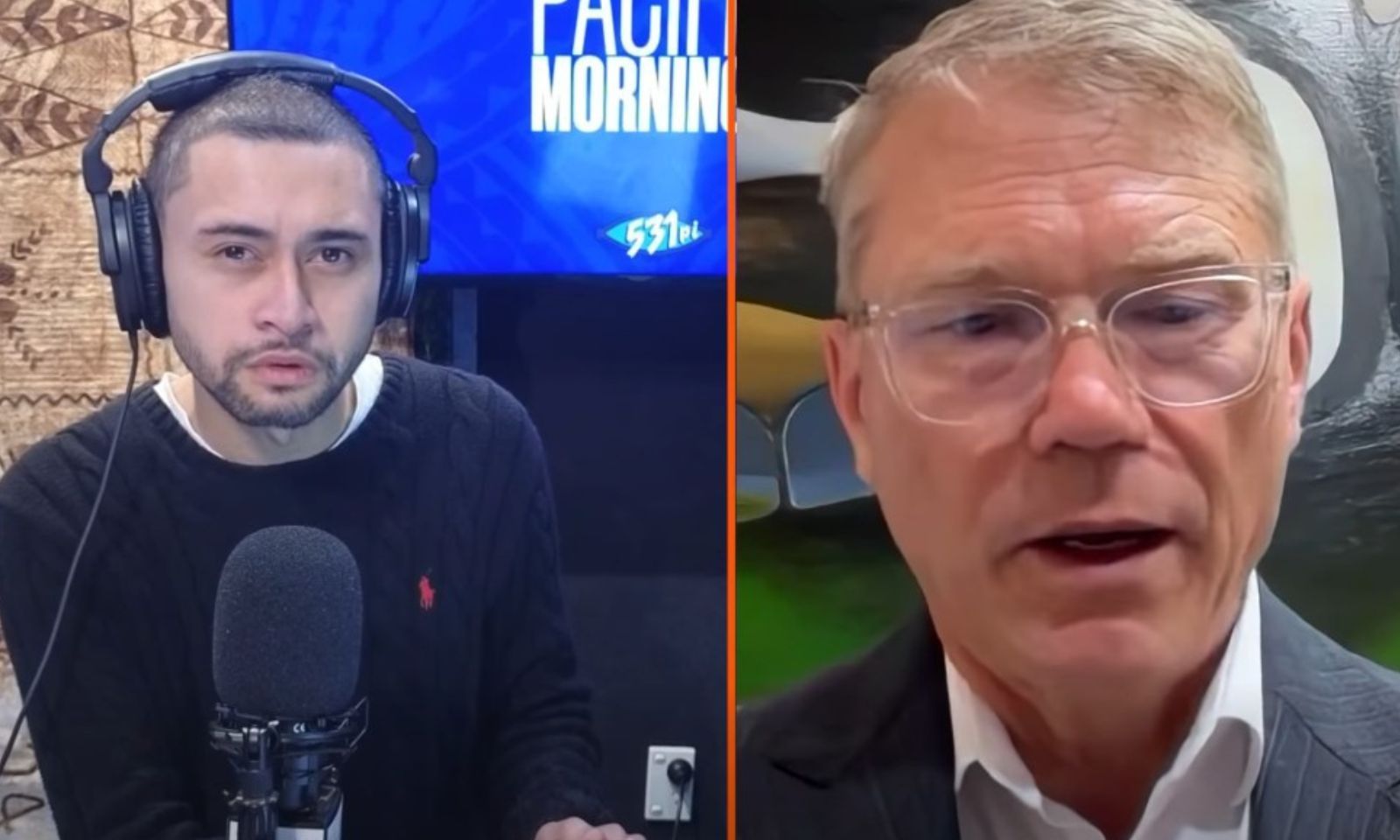
Speaking with Will Terite on Pacific Mornings, Arts Minister Paul Goldsmith defended the restructure as a way to direct more funding to artists instead of administration. Photo/PMN News
“My target for them is to get an extra $4 million out the door to help musicians, dancers, Pacific Island artists included, to help them get on with their work.
Goldsmith said Pacific artists should see the changes as a positive step and not something to fear.
“They should be encouraged because there will be more money going out the door to the artists. That's the whole purpose of the exercise.”
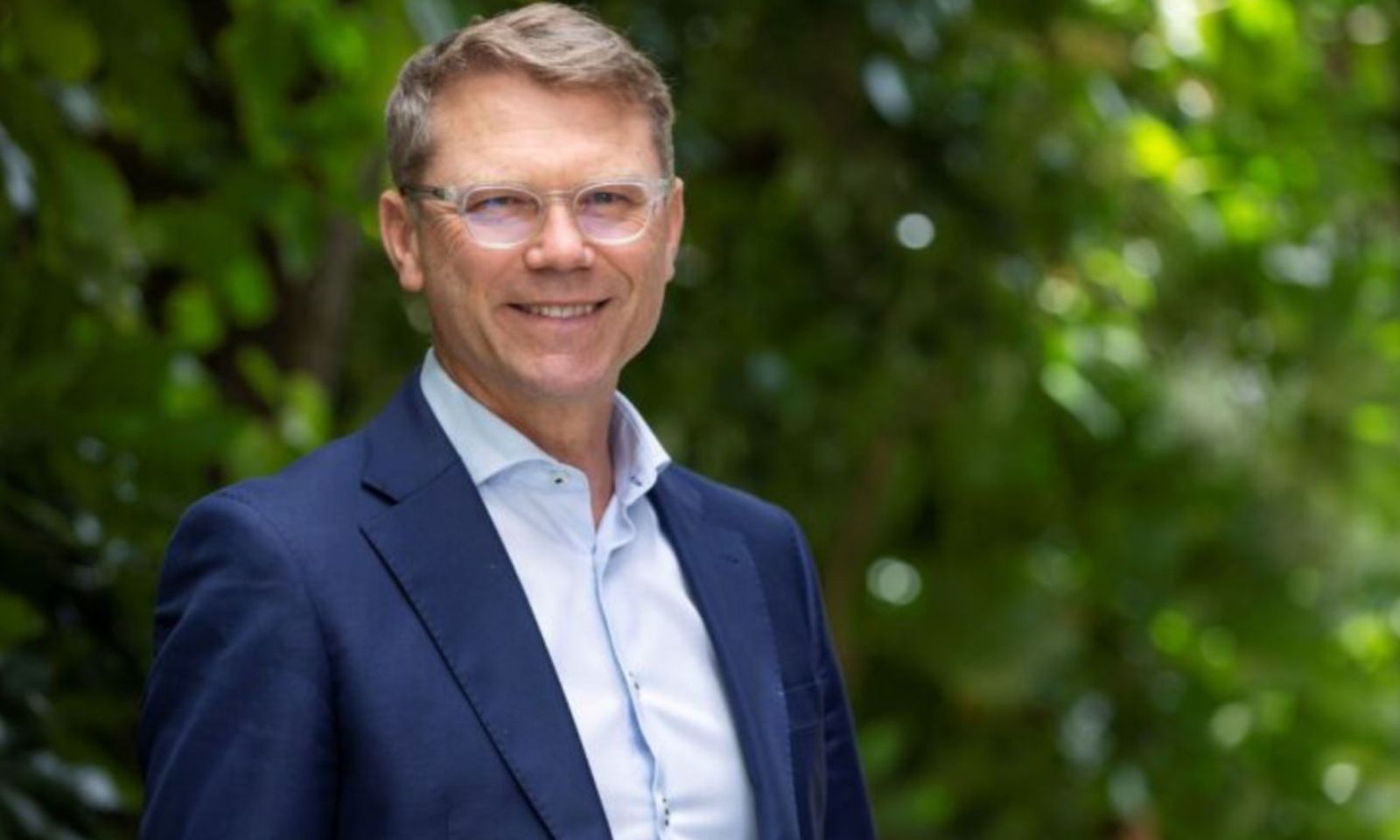
Arts Minister Paul Goldsmith says he had made it clear he wanted more money reaching artists and less spent on administration. Photo/Supplied
But Rangi said while everyone wanted to see artists receive more funding, shifting money within the existing budget would not fix the deeper problem.
“The bigger issue is that there has never really been enough funding in total for the arts,” she said.
“And so it's very easy to pick on, let's cut the administration and more dollars into the hands of artists, and we would all like to see that.”
Instead, she said the conversation should focus on increasing investment across the arts sector.
“The issue should be on growing the pot rather than cutting the pot up in different ways,” she says.
“We all like to see artists get more money, but there are still some costs of running a really good system to make sure that artists can be well served.”
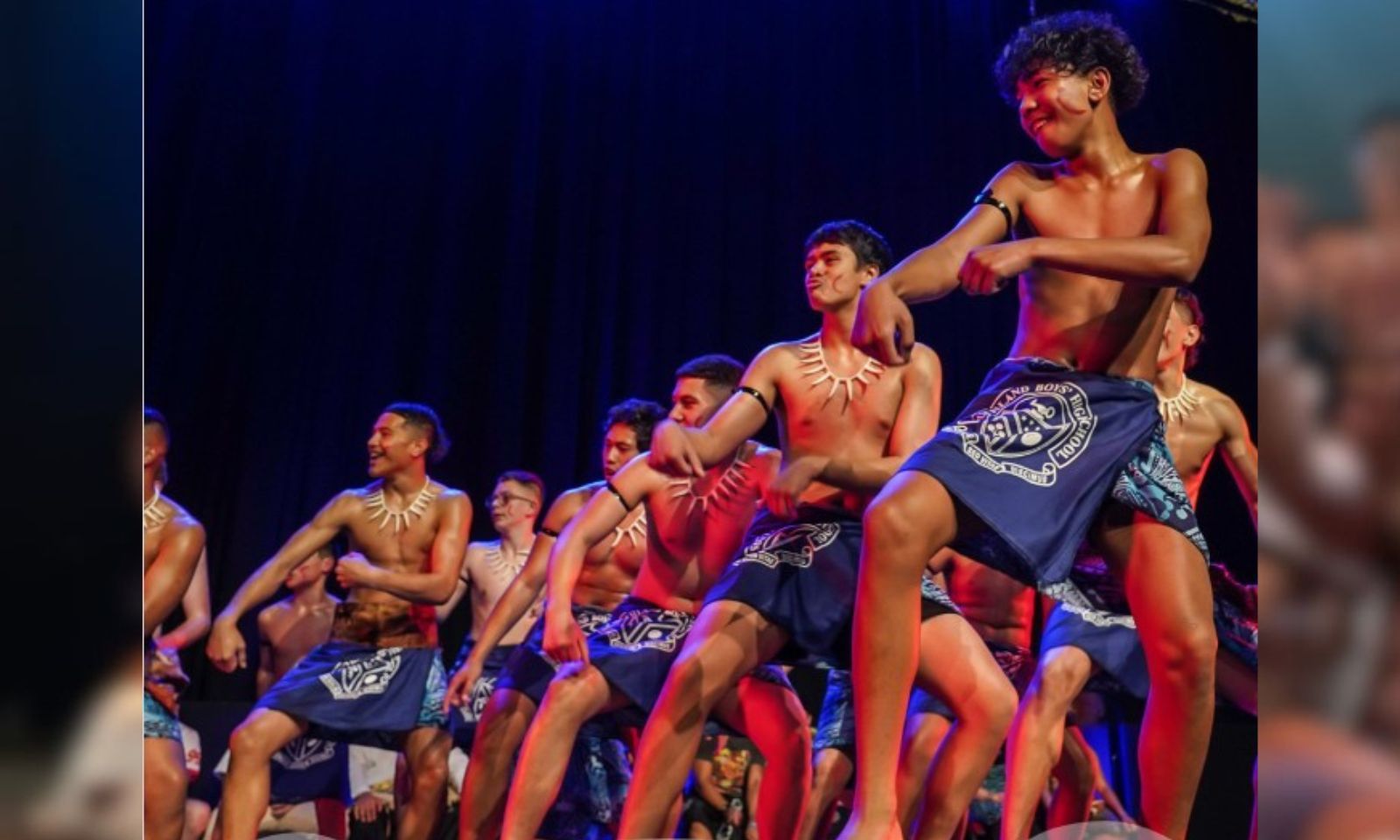
Arts Minister Paul Goldsmith says his target for them is to get an extra $4 million out the door to help musicians, dancers, Pacific Island artists included. Photo/ Creative NZ
Rangi said Creative New Zealand staff had long worked under pressure to meet demand that far exceeded available funding.
“What Creative New Zealand aren't able to control, of course, is the demand.
“And there's a point at which the dollar only goes so far. So Creative New Zealand's got really good people, always fighting their hardest for the arts.
“But again, when you've got a limited supply of funding, there's only so much that you can do.”
Rangi said the restructure also included changes she welcomed like the plans to strengthen the agency’s presence outside the main centres and work more closely with community arts organisations.
For Pacific artists and communities across Aotearoa, she said stronger regional engagement could help improve access to funding and support.
Watch Will Terite and Caren Rangi on 531pi's Pacific Mornings here.
While Rangi acknowledged every public organisation must regularly review how it operates, she said any long-term solution would require governments to place greater value on the arts and invest accordingly.
The debate comes after Creative New Zealand's restructuring sparked concern among Pacific artists, who fear fewer staff could affect support for communities already under-represented in the arts sector.
With the organisation now moving ahead with its new operating model, attention is shifting from the size of the workforce to whether the changes will deliver the stronger support artists have long been calling for.