El Niño tightens grip on Pacific as authorities warn of drought and extreme weather
Lachlan EddieFri, 23 Oct
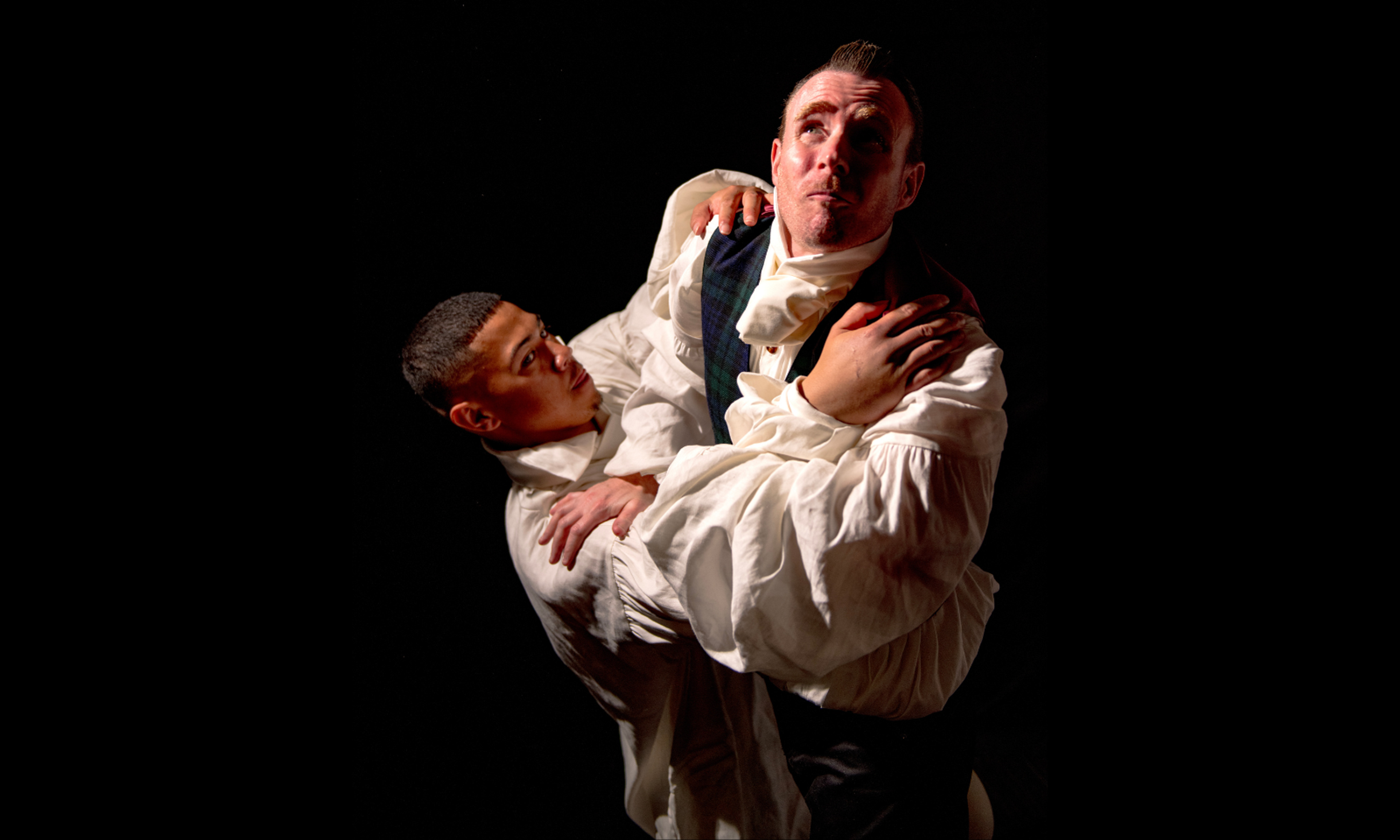
Scene from 'Sioeli, The Tongan Lad'.
Photo/Raymond Sagapolutele/Supplied
Sioeli, The Tongan Lad stands as a remembrance and reclamation, unveiling a courageous Vava’u story deserving a place in Aotearoa’s history.

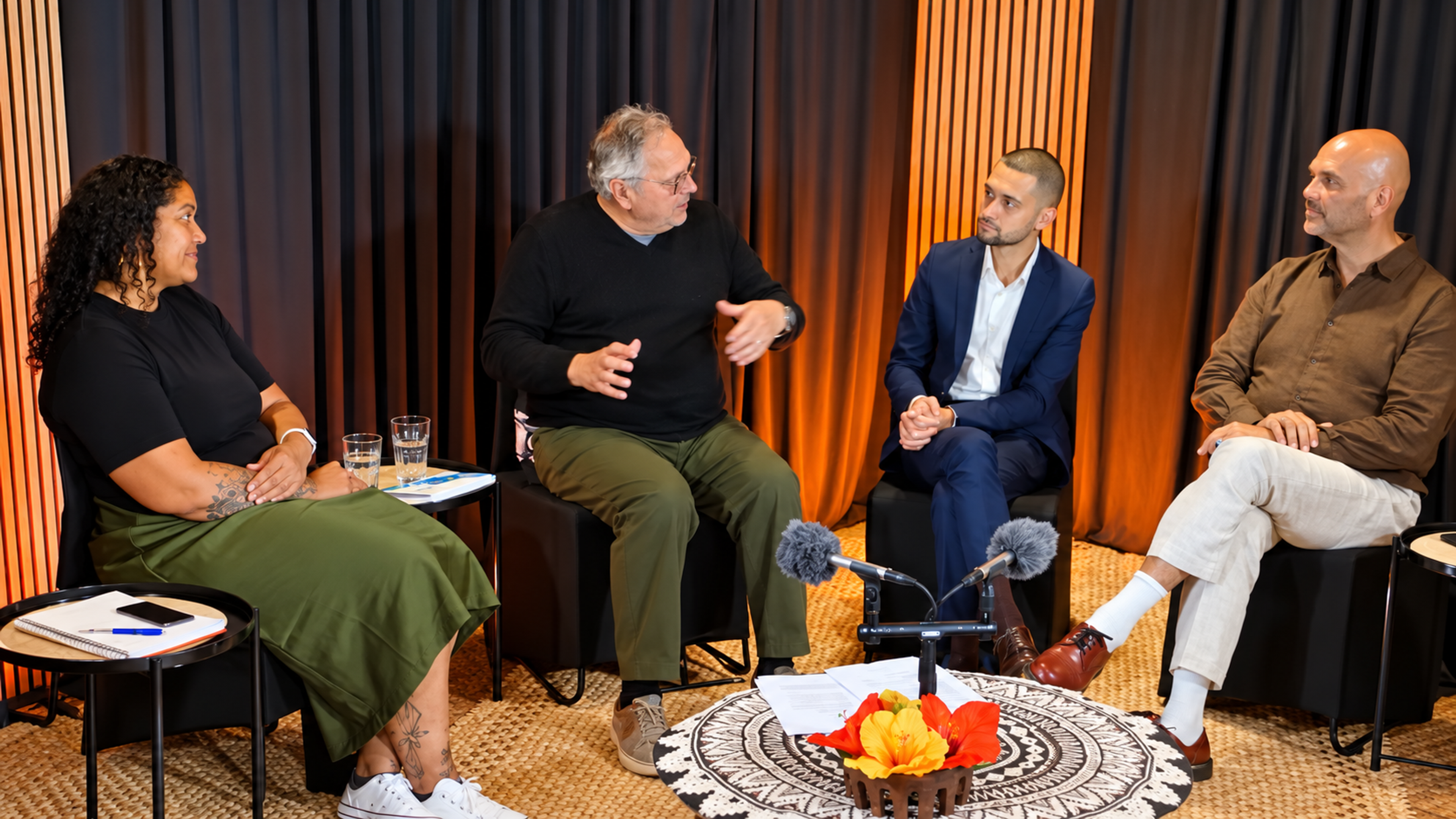
In the quiet of the Auckland Museum’s Research Library, the story of a young Tongan who crossed the Moana nearly two centuries ago is finally being told in his own name.
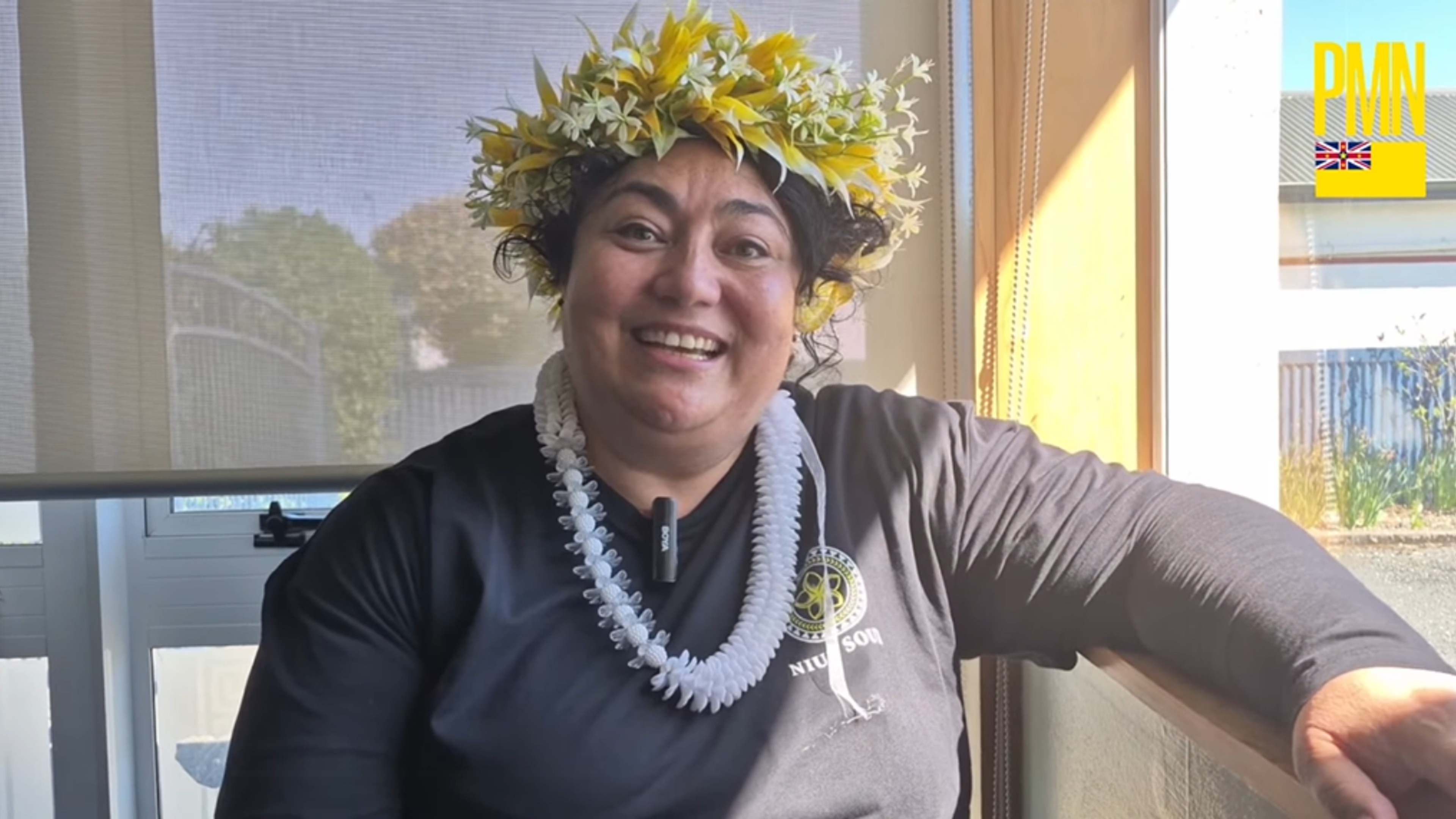
Benjamin Work, a Tongan-Scottish artist and 2025 Matafatafa Aho Pacific Artist in Residence, spent three months piecing together the fragmented life and final moments of Sioeli, a young Tongan man lost to colonial history.
His new video installation, Sioeli, The Tongan Lad, is on display, an evocative exhibit of historical record, imagination, and cultural restoration.
Work hails from Vava’u, Koloa, Niuafo'ou, Tongamama'o, and 'Eua, as well as the Orkney and Shetland Islands. He first encountered Sioeli’s story by chance while researching Tonga’s early print history.
He stumbled upon a passing reference to “a Tonganese” involved in a maritime tragedy in the Hauraki Gulf - Tīkapa Moana in 1840.
“I was like, is that referencing a Tongan?” Work tells PMN News. “But the word ‘Tonganese’ jumped out. Who was he? Why was he here? And why wasn’t he named?”
Listen to Benjamin Work's full interview below.
The questions sparked months of investigation through missionary correspondence, government letters, local iwi documents, and archival journals.
Slowly, the story of the unnamed “Tongan lad” took shape, belonging, and, more importantly, identity.
What emerges is a heartbreaking but profound story. In midwinter 1840, a waka carrying around 19 people, including Wesleyan missionary Reverend John Bumby and Māori from Ngāti Maniapoto, Ngāti Pāoa, Ngāi Tai, and Ngāpuhi, overturned multiple times in rough, freezing waters off what is now Long Bay on Auckland’s North Shore.
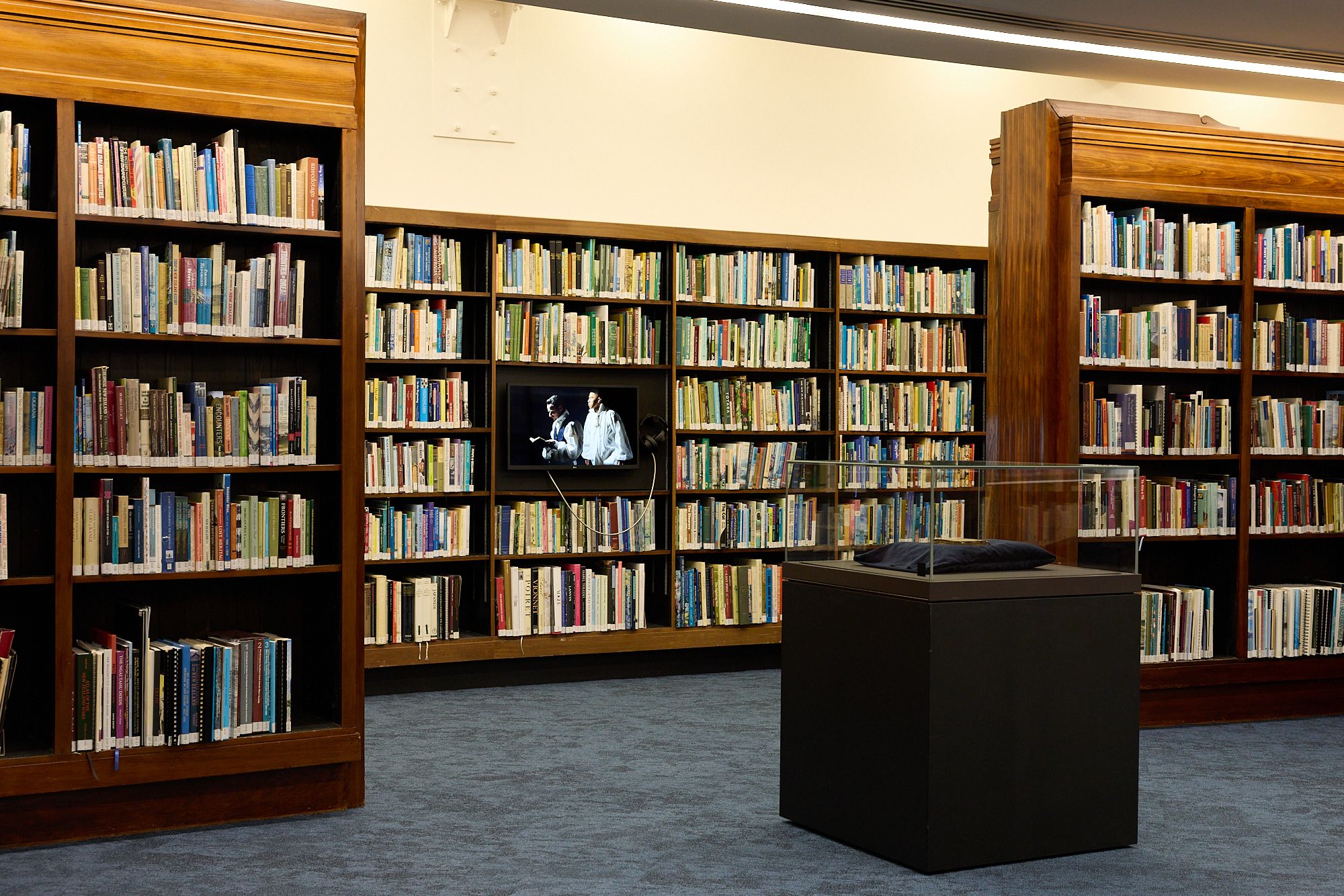
Installation image by Tāmaki Paenga Hira, Auckland Museum. 2025.
Bumby was unable to swim and the young Tongan named Sioeli saved him three times before ultimately drowning beside him after exhausting his efforts.
“That really touched me,” Work says. “I was just hoping that, in a way, I would whakamana, or bring some tatau or symmetry to Sioeli in the story. Because Reverend John Bumby, he's well-known, it's documented, and there's a lot of writing about him.
“The fact that Sioeli saved him three times because he couldn't swim, that should be celebrated. The fact that this young, strong Tongan male was here serving and sacrificing his own life to the very end for this missionary, because obviously he believed in it.”
Instead of recreating the incident literally, Work chose to respond through a short, atmospheric video installation. Using voice, rhythm, and visual abstraction, the piece draws viewers into the emotional terrain between memory and re-memory, navigating between what is known and what must be imagined to restore dignity.
“There’s room for imagination in responding to history. Video can slow us down, draw us in, even disorientate us. I wanted to create a space where people could feel the weight of his story,” Work says.
At the heart of the piece is a Tongan song stripped down to vocals only, its lyrics layered with heliaki - the metaphoric language of Tonga.
For Work, the connection between Sioeli and himself, rooted in Vava’u, is significant.
“At the end of the lyrics, it says, 'good-bye Palataisi’,” Work says. “I thought that was quite fitting, the idea of returning to Vava'u or leaving Vava'u, as Sioeli did, but then upon his death, returning.
“Palataisi or Paradise, there's that dual meaning of the afterlife, but for us from Vava'u, Vava'u is paradise.”
Work admits the research journey carried emotional and cultural weight.
“It's a bit of a rollercoaster working with documents and museums. As we know, our colonial past, it's shocking. A lot of our stories, our taonga, our measina, our koloa, are sitting in those places,” Work says.
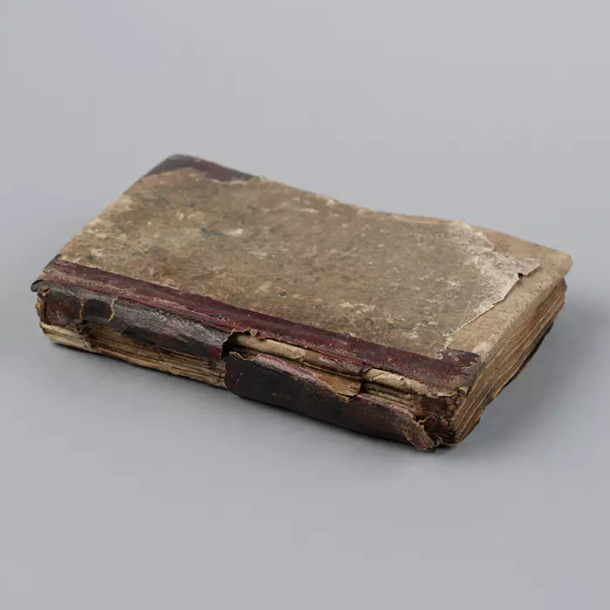
Handwritten book of prayers, belonging to Reverend J.H. Bumby, saved from upturned canoe at the time of his drowning, June 26, 1840. Part of the Smales, Gideon. Papers, 1822-1971. Photo/Collection of Tāmaki Paenga Hira Auckland War Memorial Museum. MS-530
“There's Pacific people, Māori people in those spaces trying to navigate that and trying to rectify somewhat our stories and our treasures. I think it is unjust that he's often referred to as the ‘Tongan lad’.
“With everyone else on the waka, you can find names for. So that angered me, and that also made me want to find out more.”
Sioeli, The Tongan Lad is presented as part of the Matafatafa Aho Pacific Artist Residency, a creative New Zealand collaboration that invites Pacific artists to create new work inspired by Auckland Museum’s extensive Documentary Heritage collections.
The residency aligns with the museum’s Matafatafa Aho Five-Year Pacific Delivery Plan, which aims to strengthen the institution’s relationships with Pacific communities and knowledge holders.
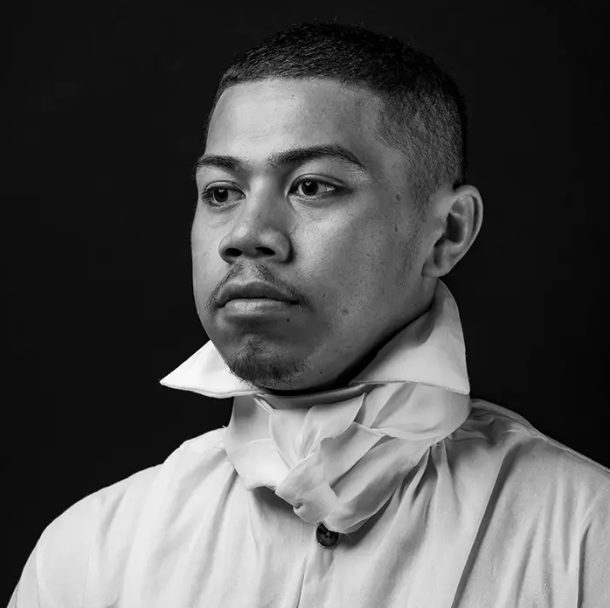
From 'Sioeli, The Tongan Lad'. Photo/Raymond Sagapolutele
Work’s practice draws from Tongan cultural history, Indigenous mark-making, and visual language systems. His work spans installation, sculpture, and painting, often exploring themes of identity, narrative, and cultural memory.
Work has exhibited nationally and internationally and is known for his exploration at the intersection of Faka-Tonga (Tongan way) and Faka-Pālangi (European way) in contemporary art spaces.
For Work, this project is part of a much longer continuum. “We think history starts with us, but we’re just picking up the breadcrumbs, we're continuing to follow, to be led, and contribute.
“There's a lot to rewrite, correct, and also to contribute to the body of knowledge that's already there.”
Sioeli, The Tongan Lad is on display now in the Auckland Museum Research Library Te Pātaka Mātāpuna (Level 2), Tuesday to Thursday from 10am to 3pm.