
‘Digging into what we know’: Pacific culture offers a clearer path to better mental health
Atutahi Potaka-DewesTue, 13 Oct
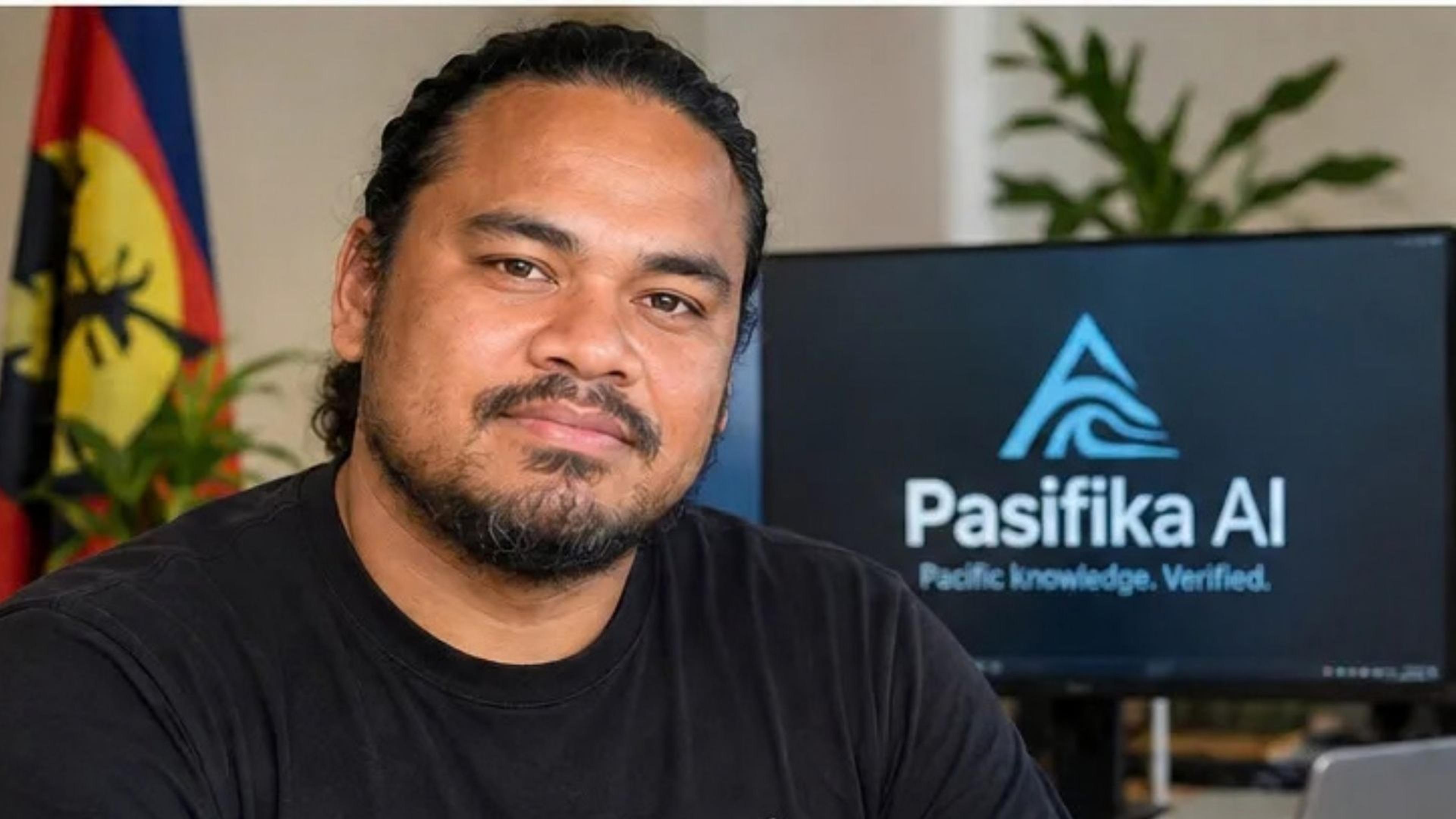
Kanaky Tech founder Kevyn Wahuzue, creator of Pasifika AI, says AI systems working with Pacific knowledge must be clear about what they know and when they do not have an answer.
Photo/Pacnews
Kevyn Wahuzue says systems working with Pacific knowledge must be clear about what they know, what they do not know and who has authority.



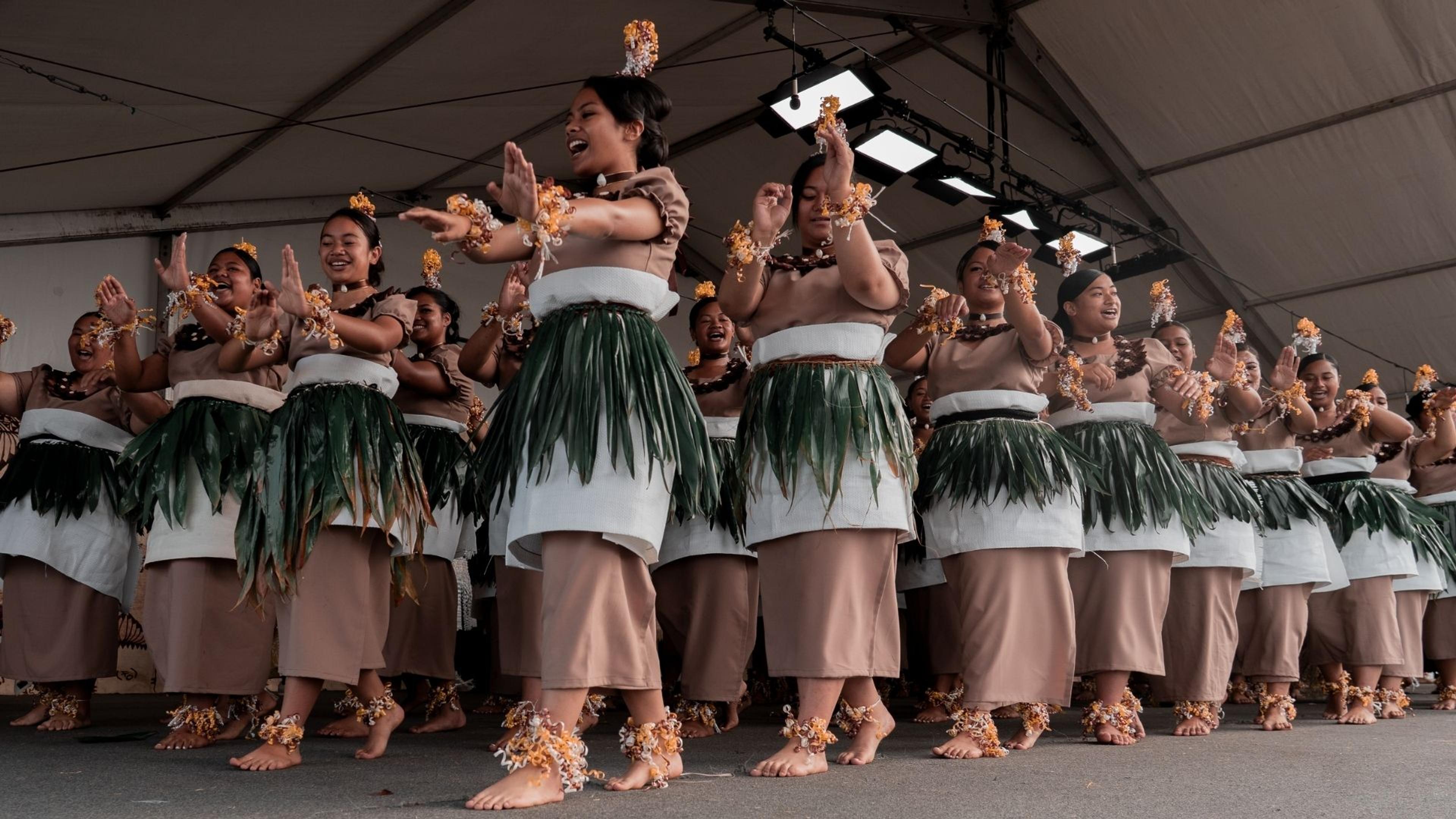
Artificial intelligence that knows when to say “I don’t know” could be more useful to Pacific communities than one that always has an answer.
That is the thinking behind Pasifika AI, created by Kevyn Wahuzue, a Kanaky Tech founder, who says Pacific values need to shape how AI is built and used across the region.
Pacific governments have also been pushing for AI development that reflects the region's own priorities.
In June, then Acting Papua New Guinea Minister for the Department of Information and Communications Technology (DICT), Peter Tsiamalili Jr, said the regional AI principles were intended to promote “digital sovereignty, responsible adoption of artificial intelligence, regional resilience, transparency, accountability, and value-for-money digital investments across the Pacific".
Fiji's Minister for Policing, Ioane Naivalurua, has said the principles should guide AI through “safety, ethical governance and Pacific cultural values” and are tailored to the needs of Pacific island countries.
The push for stronger safeguards is also being raised internationally. Australian Prime Minister Anthony Albanese says AI must remain under human control, arguing governments need to “shape how it rolls out and not have artificial intelligence shape the way that our society functions”.
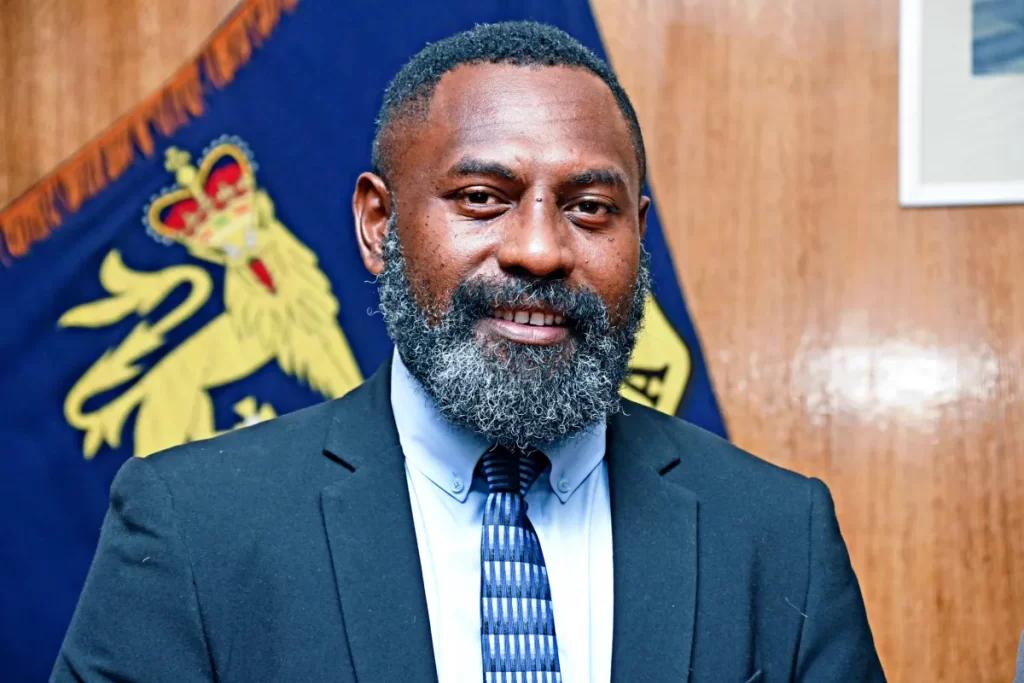
Peter Tsiamalili Jr has called for digital sovereignty, transparency and accountability as Pacific countries develop and adopt AI. Photo/PINA/Post Courier
An international statement backed by Australia and more than 20 other countries at this week's United Nations General Assembly in New York has called for additional AI safeguards, transparent safety protocols and common standards, while stressing that AI should remain under “human direction, oversight and control”.
Wahuzue says those principles need to show up in how AI systems behave when they do not know something.
Wahuzue says the real test is what an AI system does when information is missing or cannot be verified.
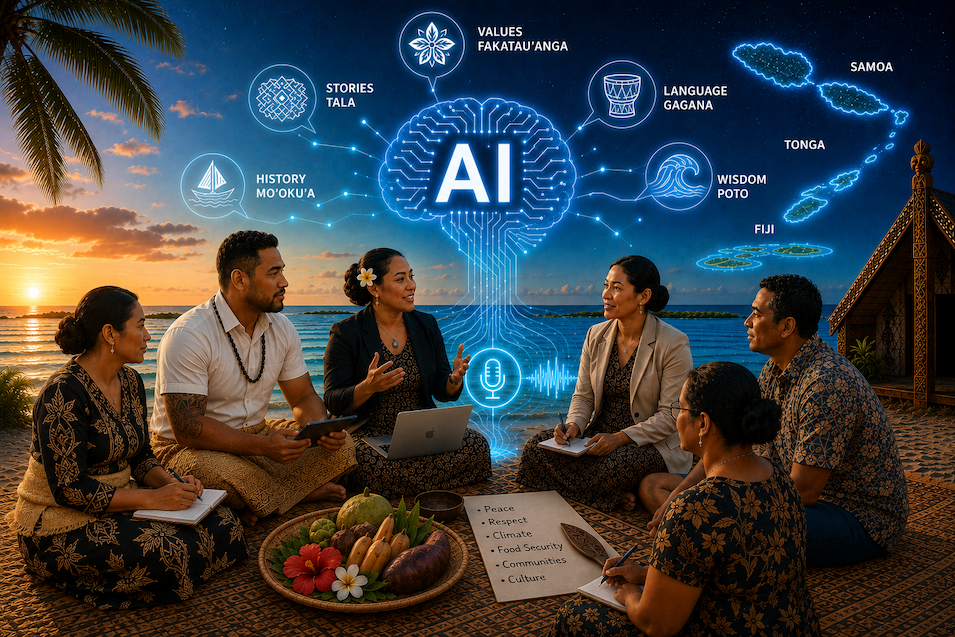
Pacific countries are working to shape how artificial intelligence is developed and used, with a focus on regional priorities, cultural values and responsible adoption. Photo/Supplied
“A system that refuses, that flags an unverified word, that returns five institutional references instead of one confident paragraph, is a less impressive demo. It answers fewer questions completely,” he told Pacnews.
He says this goes against the way much of the commercial AI industry measures success, where fluent and confident answers can make a system appear more capable.
“It means the refusal is a feature you design and pay for, not an error you apologise for. It means restricting where the system may look even though that shrinks what it can answer,” he said.
Pasifika AI limits its web searches to a published list of 59 institutional domains including language academies, universities, museums, archives and regional organisations.
Wahuzue says the approach means users can see where information comes from instead of relying on an AI-generated answer with no clear source.
The system also checks Kanak-language words against a 19,655-entry dictionary index covering nine languages.
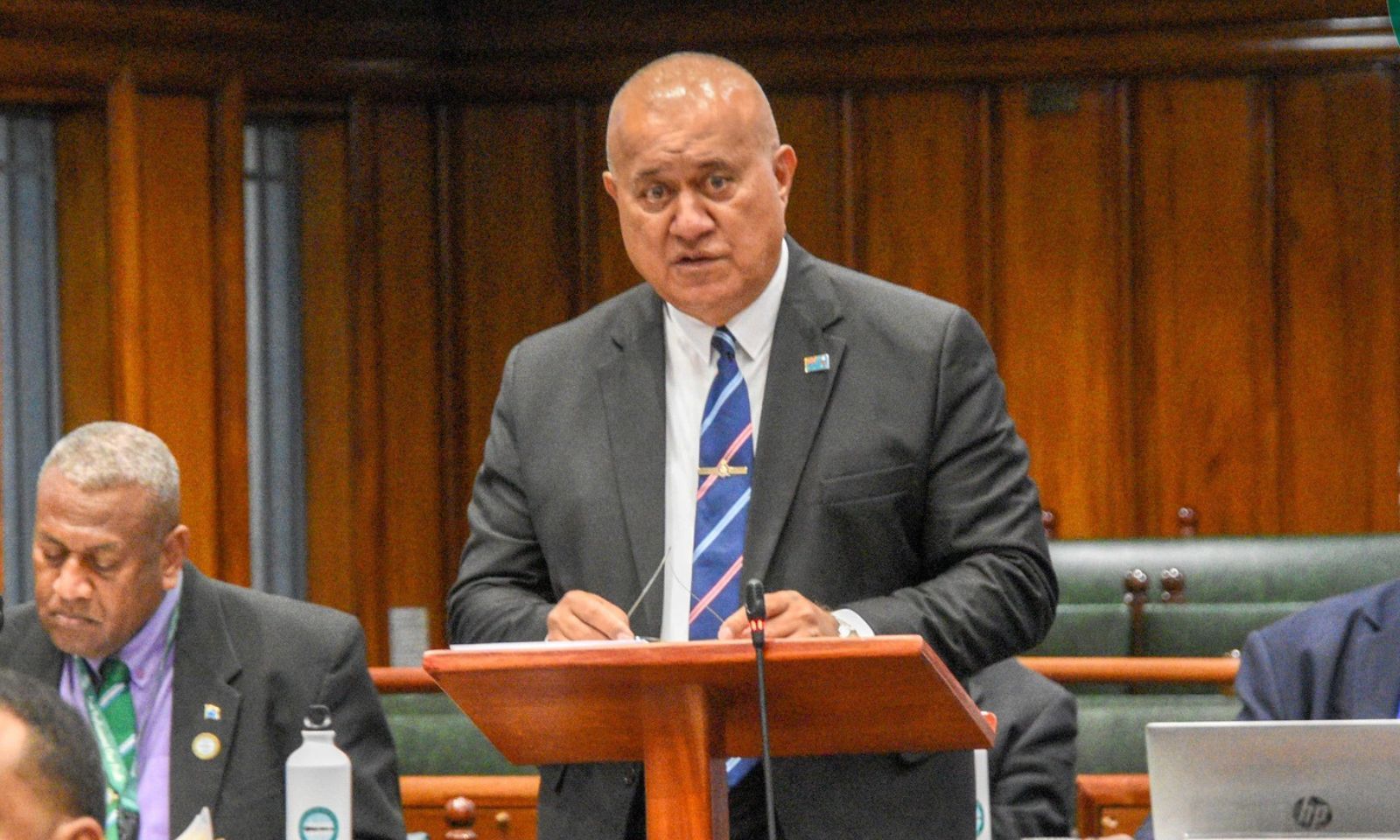
Fiji's Minister for Policing Ioane Naivalurua has highlighted safety, ethical governance and Pacific cultural values in the region's approach to AI. Photo/Fiji Parliament
When a word cannot be traced to the available material, it is flagged and not presented as established fact.
Wahuzue says that matters because Pacific cultures, languages and histories are unevenly represented online.
“Under-representation in training data does not show up as silence. It shows up as confident invention.”
He says the danger is that inaccurate information can then be published and fed back into other AI systems.
“Invented material gets published, indexed, and read back in by the next generation of models.”
For Pacific communities with little digitised material, he says this can be especially damaging.
“Communities with the least digitised material are the most exposed, which is precisely backwards.”
Wahuzue says Pasifika AI is not a replacement for Pacific knowledge holders and does not have a mandate to speak for communities.
He says any future partnerships with governments, universities, cultural institutions or communities would need to give those groups control over what material is included and the power to have it removed.
“What I cannot offer, and would not, is a promise that the technology substitutes for the people who hold the knowledge.”
As Pacific governments and regional organisations move towards developing and using AI, Wahuzue says they should ask three basic questions: where the system is allowed to get its information, what it does when it does not know, and who retains ownership and authority.
“Deploying a tool is not the same as ceding authority to it.”
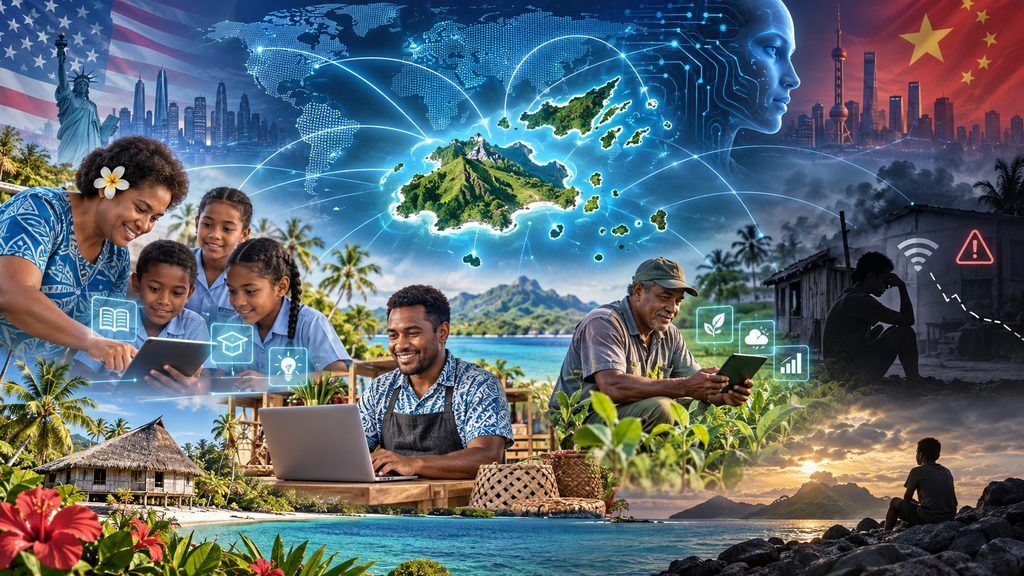
Pacific countries are working to shape how artificial intelligence is developed and used, with a focus on human oversight, cultural values and protecting Pacific knowledge. Photo/AI generated
He says those questions will be especially important as the Pacific's new AI principles move from policy into real-world systems.
“The practical test of that is whether communities retain the power to say no after the system is live, not only during the consultation before it is bought.”