Seymour targets office karakia as Aupito warns of a ‘culture war’
Thomas Tarurongo WynneFri, 23 Oct

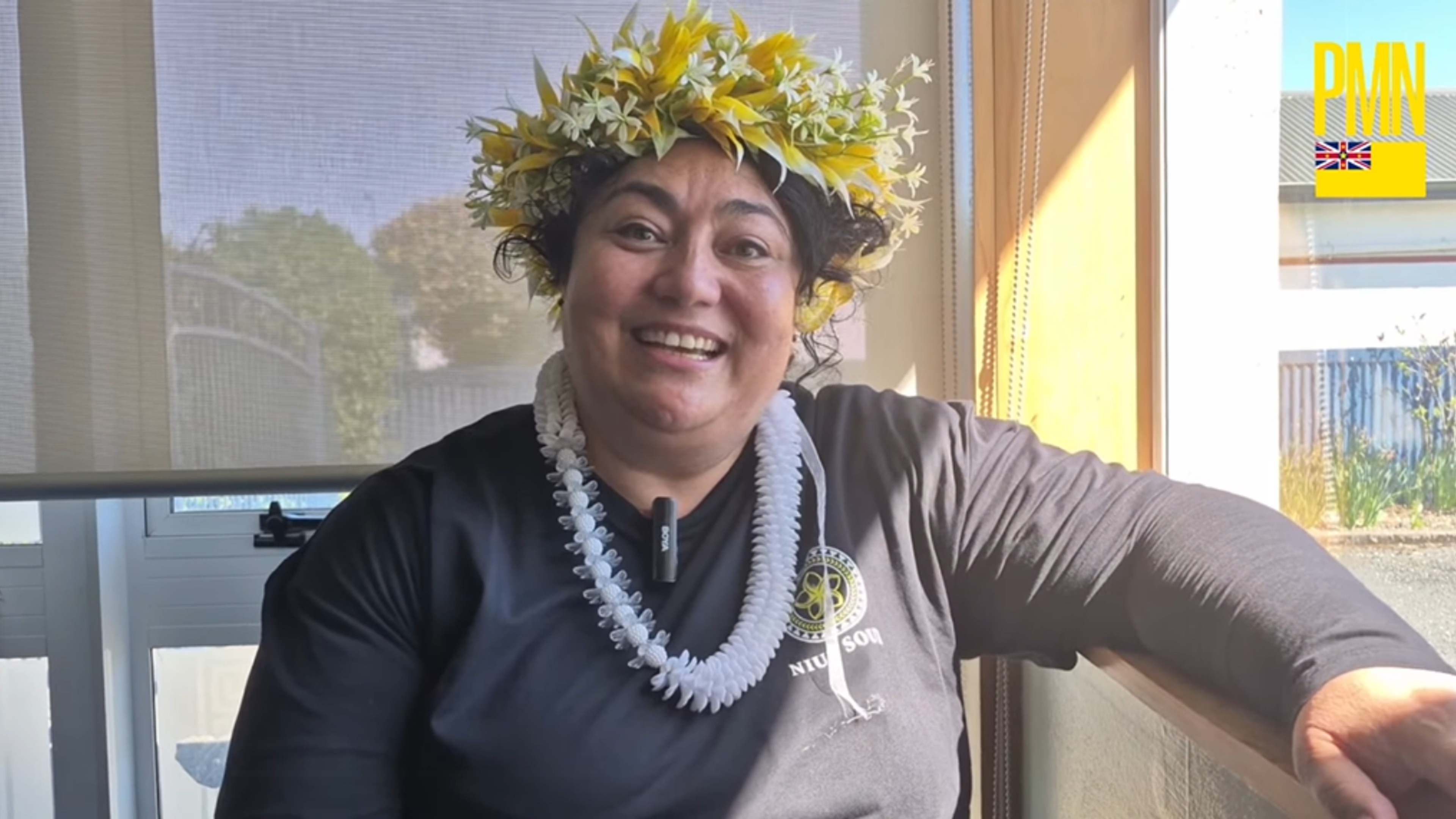
Christchurch Mortgage Adviser Willie Leota suggests ways to level up your finances in 2026.
Photo/File/Ethos Mortgages
A Sāmoan mortgage adviser shares tips on strengthening your position for home ownership and avoiding the holiday spending ‘hangover’.



Summer is officially underway. This year's calendar has something for everyone - from sports, art, music, faith, and food to families and friends enjoying a fun day out and creating lasting memories.
With Christmas behind and families under increasing pressure to stretch their budgets, a financial expert is urging Pacific households to plan and take control of their finances in the new year.
Willie Leota, a Christchurch mortgage adviser and award-winning host of the Fresh Moni podcast, has spent 11 years in banking and witnessed first-hand how quickly people can get caught up in the festive rush.
“People would come in around the 1st of December, and the most common thing would be to increase their overdraft, get a credit card or increase their credit card limit.
“They didn’t really have a plan and then after Christmas, they were stuck with this Christmas spending hangover.”
Leota, who has links to the villages of Lalomanu and Avao in Sāmoa, urges families to prepare ahead of time.
Watch Dave Letele speaking with Willie Leota on the Fresh Moni podcast below.
“If you don’t have a plan, then you’re kind of just winging it and setting yourself up for disappointment. Even in November, putting aside $5, $10, $15, $20 a week means that come Christmas shopping time, you’ve got a bit saved up as opposed to borrowing it all.”
First steps to buying a home
Leota has worked as a mortgage adviser for seven years and says planning matters even more for long-term goals such as home ownership.
He encourages people to set up automatic payments to a savings account and, if possible, to increase their KiwiSaver contribution rates “If you’re on three per cent, you go to four, six… up to 10 per cent. The banks love consistency, and if you can show a few months of great savings behaviour, then that makes a big difference.”
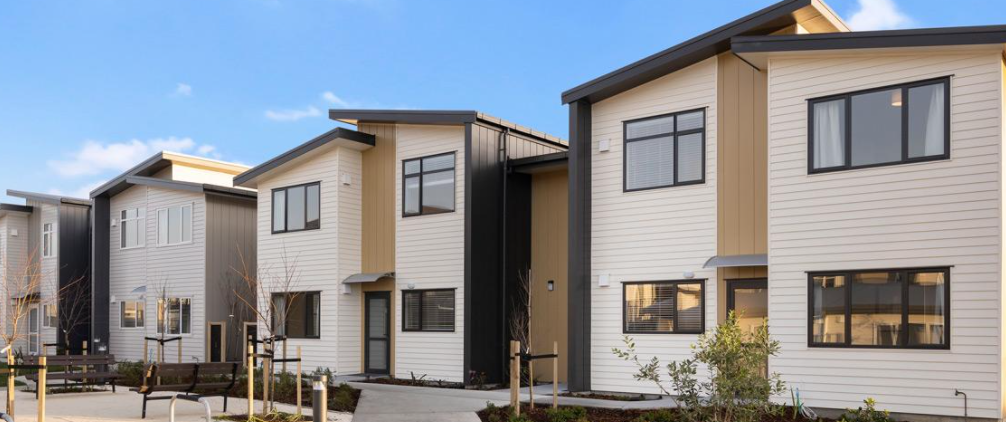
The Salvation Army Social Housing (SASH) development in Westgate, Auckland is helping some families towards the dream of home ownership. Photo/File
He takes pride in helping multi-member households apply for loans together, where Pacific families pool their KiwiSaver and savings.
“I’ve helped probably hundreds of families coming together, joining their resources, their incomes, their deposits. That just makes your application look stronger, and that’s how we live as well.
“I grew up renting with my family and extended family, so when I see it happening for other people, I remember what it was like getting into my own home.”
From April next year, the default KiwiSaver contribution rate for workers and employers will increase to 3.5 per cent, rising to four per cent in 2028.
A spokesperson for Finance Minister Nicola Willis told Radio New Zealand the changes aim to help people save more. “An 18-year-old earning the minimum wage of just under $49,000 a year who invests in a balanced fund can expect to have almost $910,000 in KiwiSaver at age 65. Under the old settings, it would have been about $732,000.”

Mortgage Adviser Willie Leota says financial education needs to connect with Pacific communities. Photo/File
Leota encourages families to seek advice from mortgage advisers earlier rather than later since most services are free. For teenagers entering the workforce, Leota’s message is simple: “If I was talking to myself at 18, I’d be like, ‘Willie, put your KiwiSaver up to 10 per cent’. The more you put away, the quicker it grows and the greater the deposit for your first home.
“A lot of people still think mortgage advisers cost, but 99 per cent of the time we’re free. The quicker you talk to someone, the quicker you can get on a path to home ownership.”
Promoting financial education for Pacific communities
Inland Revenue reports 5530 people withdrew a record $48.9 million from KiwiSaver in September for hardship reasons, with total withdrawals for the year up 22.5 per cent on last year.
Leota says shame often stops people from asking for help, but talking openly can make a big difference. “When you bring that shame… out into the light and talk to someone, that’s when it can be seen and someone can help you with it.”
He says people’s attitudes to money are shaped by their environment and upbringing. “It’s wholly your environment, what you learn and what’s passed on to you that completely shapes the way we think about money.
“But how do we break out of that? Ask yourself, is this what I want for the rest of my life? If you think there is more for your family and your kids, what can you do to increase your knowledge, and then what steps do you take to get better with money so you can manage it better?”
Leota says plenty of financial resources already exist, but many are not tailored for Pacific families.
“There is actually a lot of financial education out there, but it’s not tailored to our Pacific families. If you jump online on a bank’s website, they’ll have stuff there, but it’s pretty complicated, and the jargon they use is like another language.
“We love joking… if we could do that in a humorous way, financial education will hit a chord and help our people out a lot.”
Fresh Moni offers a free online Home Buyers Masterclass that Leota says is simple, culturally relevant, and designed to fit Pacific communities.