
Kiwis suffer last-gasp heartbreak as the Kangaroos snatch World Cup opener
Christine RovoiFri, 16 Oct

Holiday traditions can include family projects where cultural knowledge is passed on and celebrated.
Photo/Pacific Women's Weaving Circle Facebook page
Affordable and enjoyable, these Pacific-inspired activities, from learning languages to planting taro, help you to celebrate without breaking the bank.



Summer is officially underway. This year's calendar has something for everyone - from sports, art, music, faith, and food to families and friends enjoying a fun day out and creating lasting memories.
With the sun, family, and a bit of fun, the holidays are here, and you don’t need to spend a fortune to enjoy them while embracing your Pacific heritage.
From beach strolls with the aunties to learning your Pacific language, there are plenty of ways to keep the aiga, family, active and smiling
Exercise doesn’t have to be lonely. Gather the aunties, uncles, and whoever else is keen, and take them on a sunset stroll. Share the latest family stories as you catch your breath, then finish with a quick dip at the beach. Who needs bathing suits anyway?
Looking for a little competition? Turn it into a daily step challenge for the whole aiga, where the winner earns bragging rights, which are even better than any food-related incentive. The key is to keep it fun; even 15 minutes of laughter can burn up to 40 calories.
If you’re in Lower Hutt, Inano Dance runs Urahiit classes on Mondays, while Ura Mai brings the vibes in Tauranga.
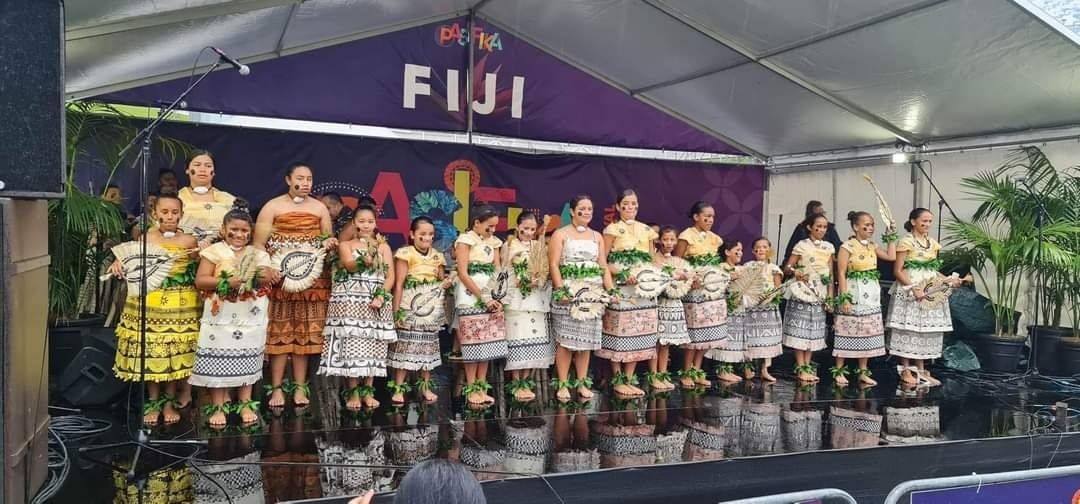
Performance groups at Pasifika are a great way for children and youth to learn Pacific languages and songs. Photo/File
Whether it’s Gagana Sāmoa, Bislama, Na Vosa Vakaviti, or Lea Faka-Tonga, you can fill your ears and heart with the mother tongue of your ancestors, even if you don’t hear it every day.
Tune in to Pacific Media Network’s language programmes, which feature bilingual and full-language interviews. A special mention goes to PMN Sāmoa’s Upu Uiga Lasi (Word of the Day), a brilliant way to learn new vocabulary and see how each word is used properly in a sentence.
The Centre for Pacific Languages (CPL) also runs free weekly Zoom classes. Tuiloma Lina-Jodie Samu has learned four languages through the CPL and says it strengthens her work with the Ministry for Pacific People.
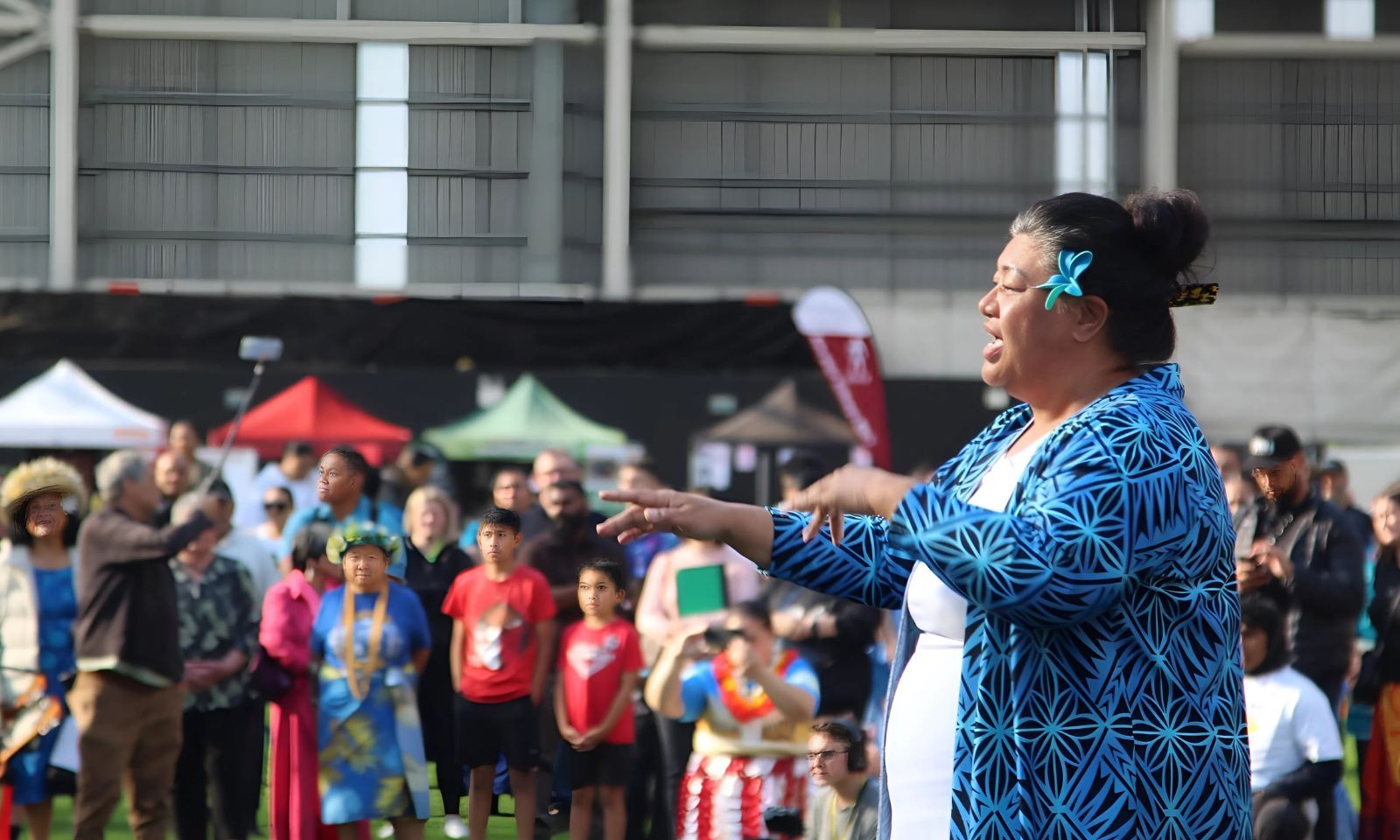
Singing is a powerful way to bring Pacific families together. Photo/File
“To respect people and to respect communities, and to respect people’s names and languages, we’ve got to able to correctly pronounce and to be able to spell out their names, and to say their languages with correctness,” Samu says in a statement.
Gather your cousins or siblings and practise together, learning a language is more effective when done together, and it lays a the foundation for sharing memories and joking with each other in multiple languages.
Join a choir or Pacific dance group
Music is a powerful way to bring Pacific families together. Join church choir practice, harmonise with cousins, or learn hymns in your language. You don’t need instruments, just a phone to look up the lyrics and a love for singing.
If dancing is more your style, there are plenty of Pacific dance groups across Aotearoa, New Zealand, that are ready to welcome you. The Fīā Dance Academy runs Tongan dance classes for ages three and up in Māngere and Otara.
In central Auckland, the Le Taupou Manaia Dance Academy teaches the graceful flow of the Sāmoan siva, while Tuiga Dance Academy offers classes in South Auckland.
Further south, Penina o le Moana offers a Siva Sāmoa programme in Dunedin.
Watch Moemoana Safa'ato'a Schwenke speaking about Penina o le Moana below.
Gardening the Pacific way
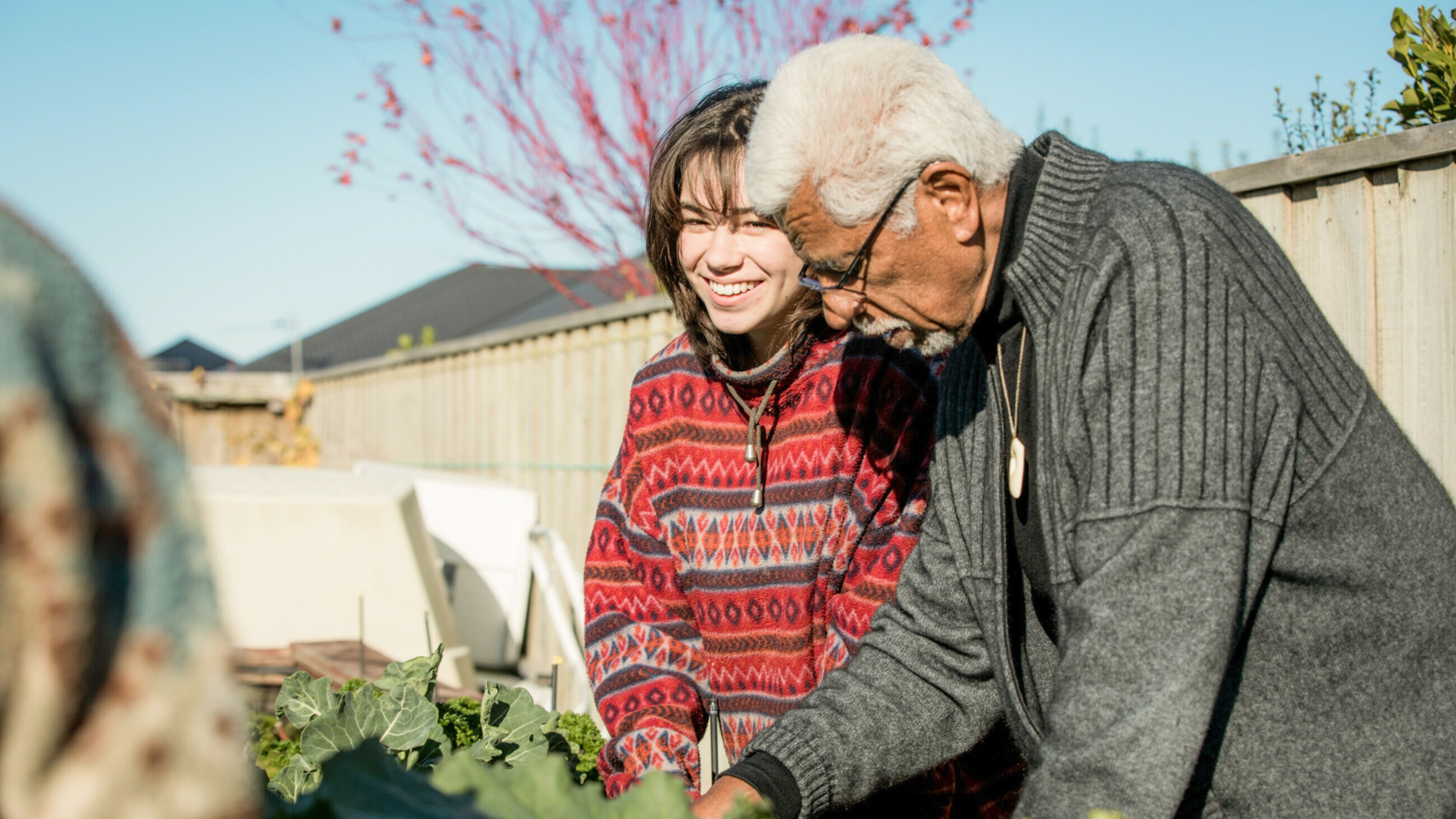
Get your hands in the soil and start growing herbs and staples for your favourite island dishes, starting with a small taro patch.
Taro grows best in warm, frost-free conditions with partial shade, rich soil, and consistent watering. It can tolerate damp spots but still needs good organic matter. In cooler areas, treat it as an annual or overwinter the corms indoors.
Use a fertiliser high in phosphate and potassium for strong roots. Harvest when the leaves yellow, usually seven to 12 months after planting, and use the corms quickly as they don’t store well.
Share your gardening efforts in the family chat. You might find some extra hands to help with harvesting, or get a few suggestions on your next steps!
Learn a new skill
Holiday downtime is perfect for tapping into your Pacific creativity. Try making simple ula (leis) using natural materials, weaving a headpiece, or joining a tapa-making workshop.
If you’ve got family visiting from the region, invite them to help you repair a mat or make a treasured keepsake while sharing childhood memories.
If you’re in Auckland, the Tupumaiaga A Niue Trust runs holiday workshops for Niuean youth and families.
Whatever hobby you choose, small actions every day help to preserve Pacific languages and keep the islands’ adventurous spirit alive in your life.