

In 2026, we're moving with purpose.
Photo/Unsplash
Summer
Forget the resolutions: Here's how you can live with intention in 2026
Simple, mindful actions can transform your mindset and create the inner space for real, lasting change.

Atutahi Potaka-Dewes
Published
02 January 2026, 1:47pm
Share
Copy Link
Top stories



From Ōtara, NZ to Los Angeles: David Liti lifts up the next generation
Elton Lonaratha JnrMon, 19 Oct
Top stories
From Ōtara, NZ to Los Angeles: David Liti lifts up the next generation
Elton Lonaratha JnrMon, 19 Oct
Summer is officially underway. This year's calendar has something for everyone - from sports, art, music, faith, and food to families and friends enjoying a fun day out and creating lasting memories.
Every January, we optimistically set our resolutions: lose weight, save money, learn a language, and so on.
These resolutions are focused on a future goal, sometimes built on self-criticism, and are commonly abandoned by February. We tend to think of re-invention as a dramatic upheaval of who we are.
But what if the goal wasn’t about reaching a future point? What if the goal was simply about living with purpose, joy, kindness, and greater inner peace, right now?
The secret to sustainable happiness and genuine change lies in moving away from fleeting resolutions (the thing you do) towards profound intentions (the way you show up).
An intention is a commitment to your mindset, a guiding principle that informs your actions every single day. It recognises that life isn’t a race to a finish line, but a continuous practice of presence. Honestly, it’s something I’ve lost sight of this year.
So for 2026, let’s offer ourselves a chance to align our actions with our deepest values. Let go of the pressure for dramatic change. Here are some foundational daily practices designed to rewire your thinking and put you in a solid, positive mental space. Let’s make this the year to create meaningful change from the inside out.

The best thing for me is making my space feel like an oasis. Photo/Pinterest
Set a daily intention, not a to-do list
Start your day by deciding who you want to be, not just what you want to do. This shifts your focus from external tasks to your internal state, setting an energetic tone for the day and promoting meaningful interactions instead of reactive responses.
Before checking your phone, spend two minutes thinking or writing down one word or a short phrase to guide your attitude for the day, such as ‘be present’, ‘patience’, or ‘listen actively’.
By choosing your intention, you give your mind a positive filter. When challenges arise, like slow drivers or getting cut off in traffic, consciously choose how to respond.

Note down your daily intention. Photo/Unsplash
Move your body to shift your state
Your body and mind are deeply connected. Even a short burst of movement can interrupt negative thought, release endorphins, and make you feel more capable.
Aim for 10-15 minutes of non-negotiable movement, preferably outside. This could involve dancing to a couple of songs while cooking, going for a brisk walk, or doing some slow stretches at your desk. Focus on how you feel afterwards rather than counting calories.

Make the most of nature's gifts. Photo/Pinterest
Schedule a disconnection point
Intentional living requires focus, and that’s impossible when you are constantly distracted by technology. Creating boundaries around the digital world protects your mental energy.
Choose one sacred hour of your day, the first hour after waking, the last hour before bed, or the hour straight after work, and make it phone-free. Place your device in another room and use that time for reflection, reading, learning a hobby, or moving your body.
By doing this, you are declaring that your focus is your most valuable resource. Creating mental space reduces comparison anxiety and allows your mind to process thoughts without the pressure of constant external information.
Digital declutter
Your digital life profoundly impacts your mental state. A cluttered camera roll filled with random screenshots and blurry photos can create a subconscious feeling of overwhelm.
At the end of your workday, or before your scheduled disconnection time, open your photo gallery and spend 60 seconds deleting irrelevant or low-quality photos and unnecessary screenshots.
It is a micro-lesson in letting go, training your brain to quickly identify and remove what no longer serves you, whether it's a useless screenshot or a negative thought. It reinforces that a clear space leads to a clear mind.
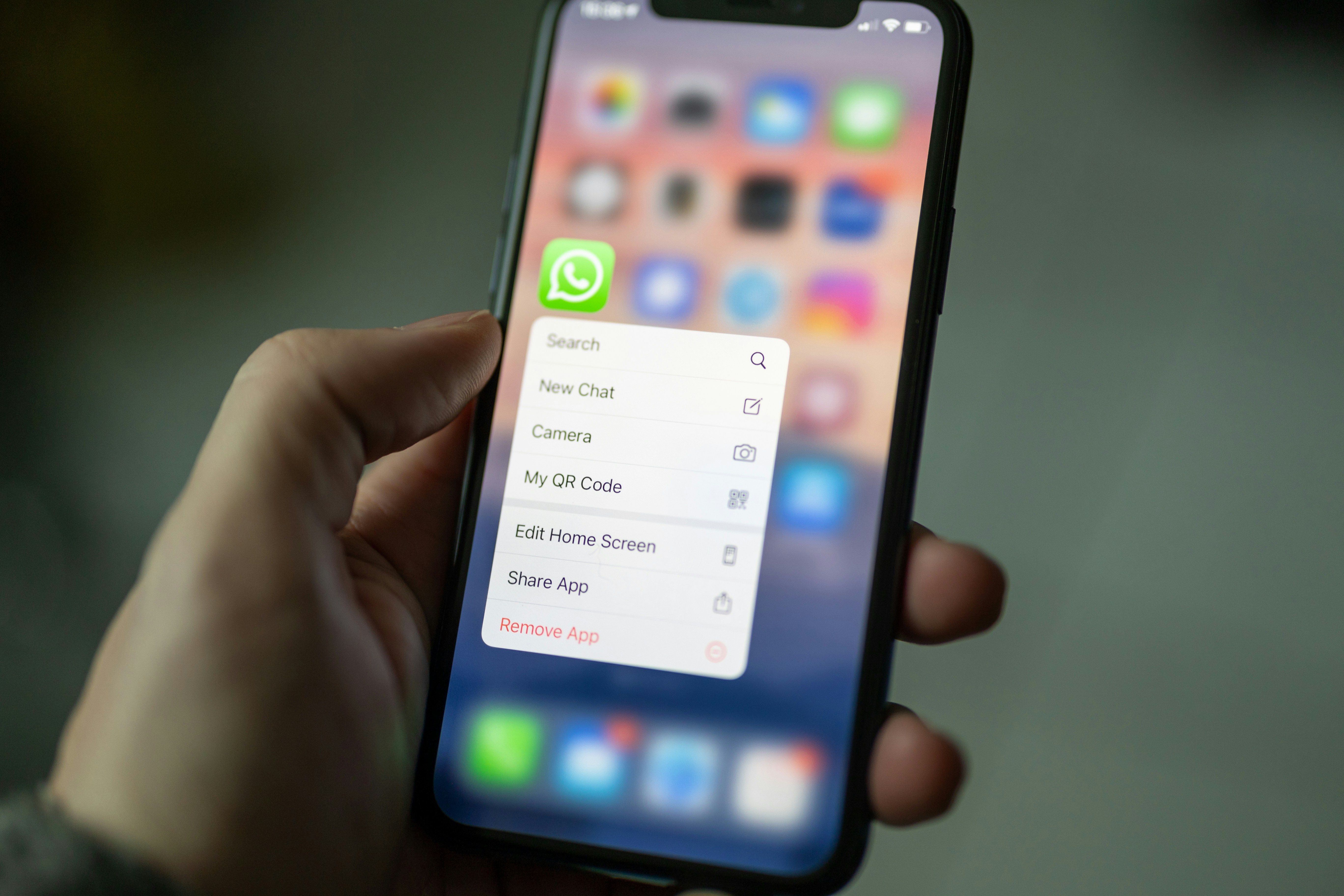
Do a daily digital declutter. Photo/Unsplash
Habit stacking with gratitude
Gratitude is one of the fastest ways to train your brain to notice the positive instead of the negative. By “stacking” gratitude onto an existing habit, you ensure consistency without needing extra time.
Pair your gratitude practice with something you already do every day. While waiting for your coffee to brew or right after you sit down to eat, list three things you genuinely appreciate.
It’s about re-experience joy and meaning. The more specific you can be, such as “The warm blanket on my bed,” instead of just “my bed”, the more powerful the positive effect on your mind.

Happy 2026. Photo/Unsplash