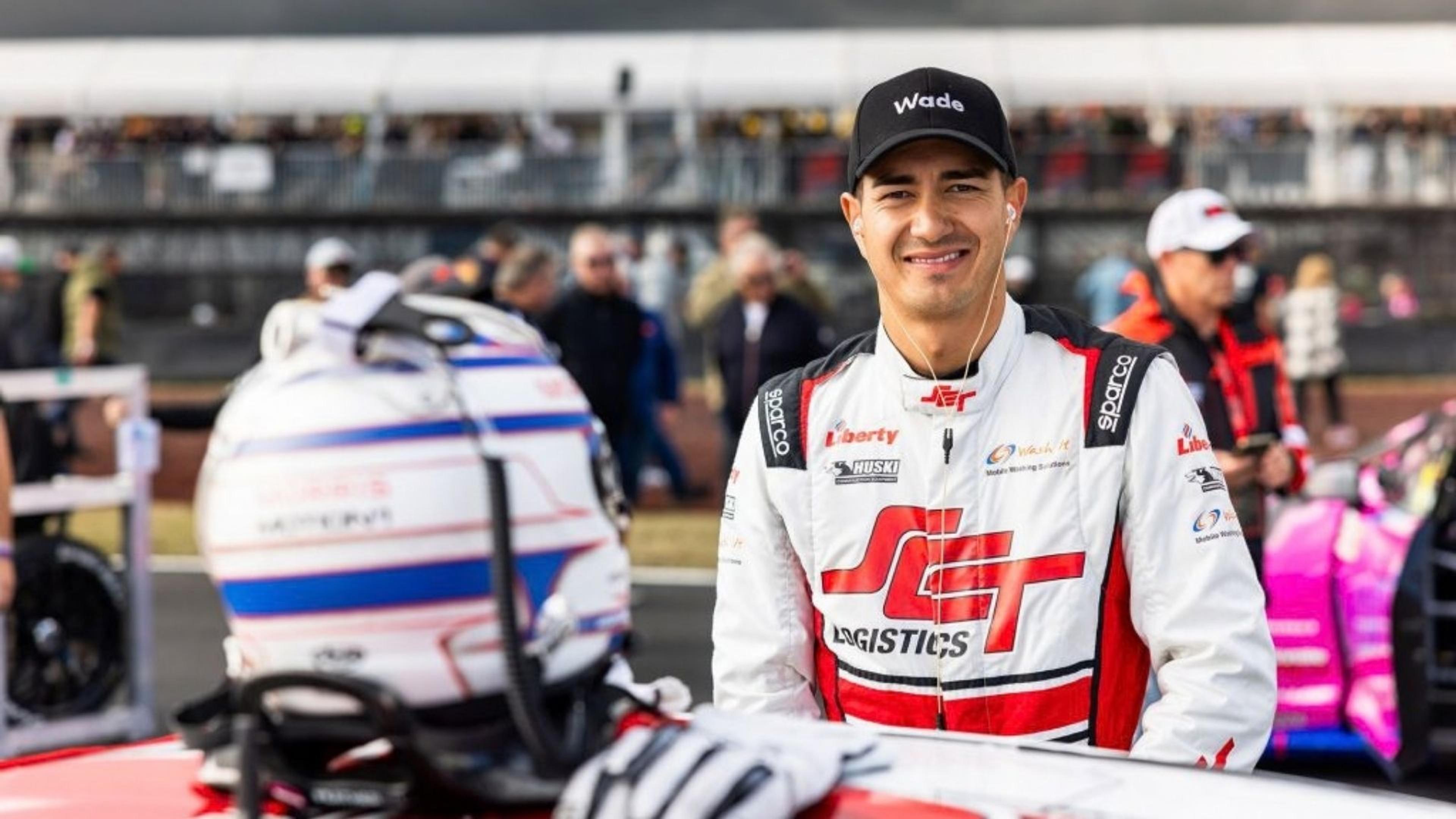
Jaxon Evans: Bathurst’s final lap will decide it all
Elton Lonaratha JnrFri, 09 Oct
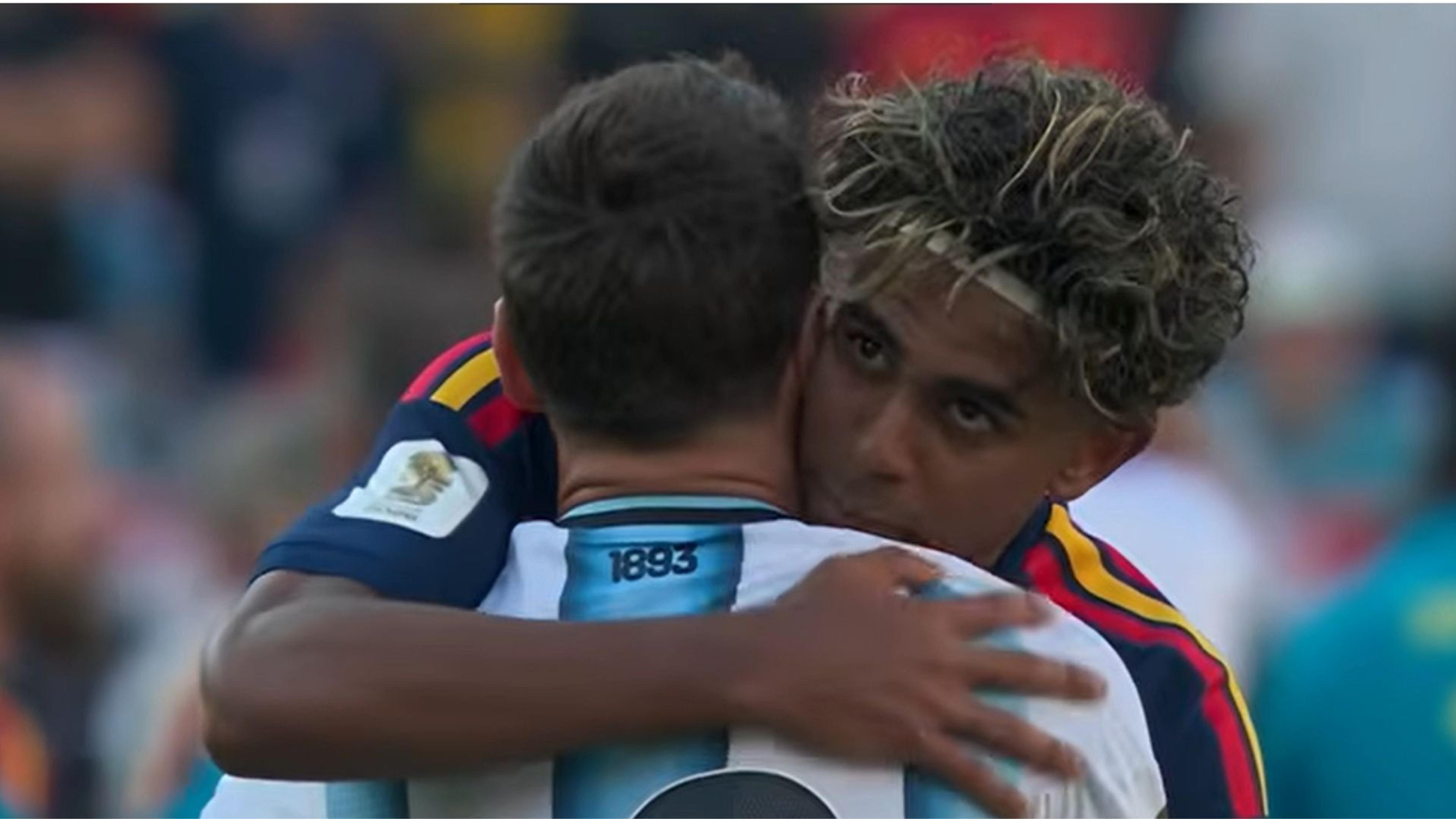
Spain's teenage star Lamine Yamal and Argentina captain Lionel Messi embrace after the FIFA World Cup final in New Jersey, as one generation celebrated a historic triumph and another saw its title defence come to an end.
Photo/SBS/screengrab/Youtube
Over a month of football came to an end on Monday as Spain was crowned champions for the second time, denying Argentina back-to-back titles.


The biggest FIFA World Cup in history ended with Spain back on top of world football as a packed New York New Jersey Stadium and millions of fans across the globe watched a dramatic final that stretched into extra time.
Spain beat defending champions Argentina 1-0 after Ferran Torres scored the winner in the 106th minute, ending the European side's 16-year wait for another World Cup title after their first triumph in South Africa in 2010.
The final, televised on SBS, was played before more than 80,000 fans in East Rutherford, New Jersey, at the venue that has hosted more than 560,000 supporters throughout the tournament.
The 2026 World Cup, the first featuring 48 teams playing across the United States, Canada and Mexico, has already broken attendance and broadcast records with stadiums operating at almost full capacity and billions of video views recorded across FIFA's digital platforms.
For football fans across the Pacific, many set their alarms in the early hours to watch the showpiece, capping off a month-long tournament that reached audiences in almost every corner of the world.
The final itself was tense than spectacular. Argentina, chasing a second straight World Cup after winning in Qatar four years ago, failed to register a shot until the closing stages as Spain dominated possession but struggled to break through a determined defence.
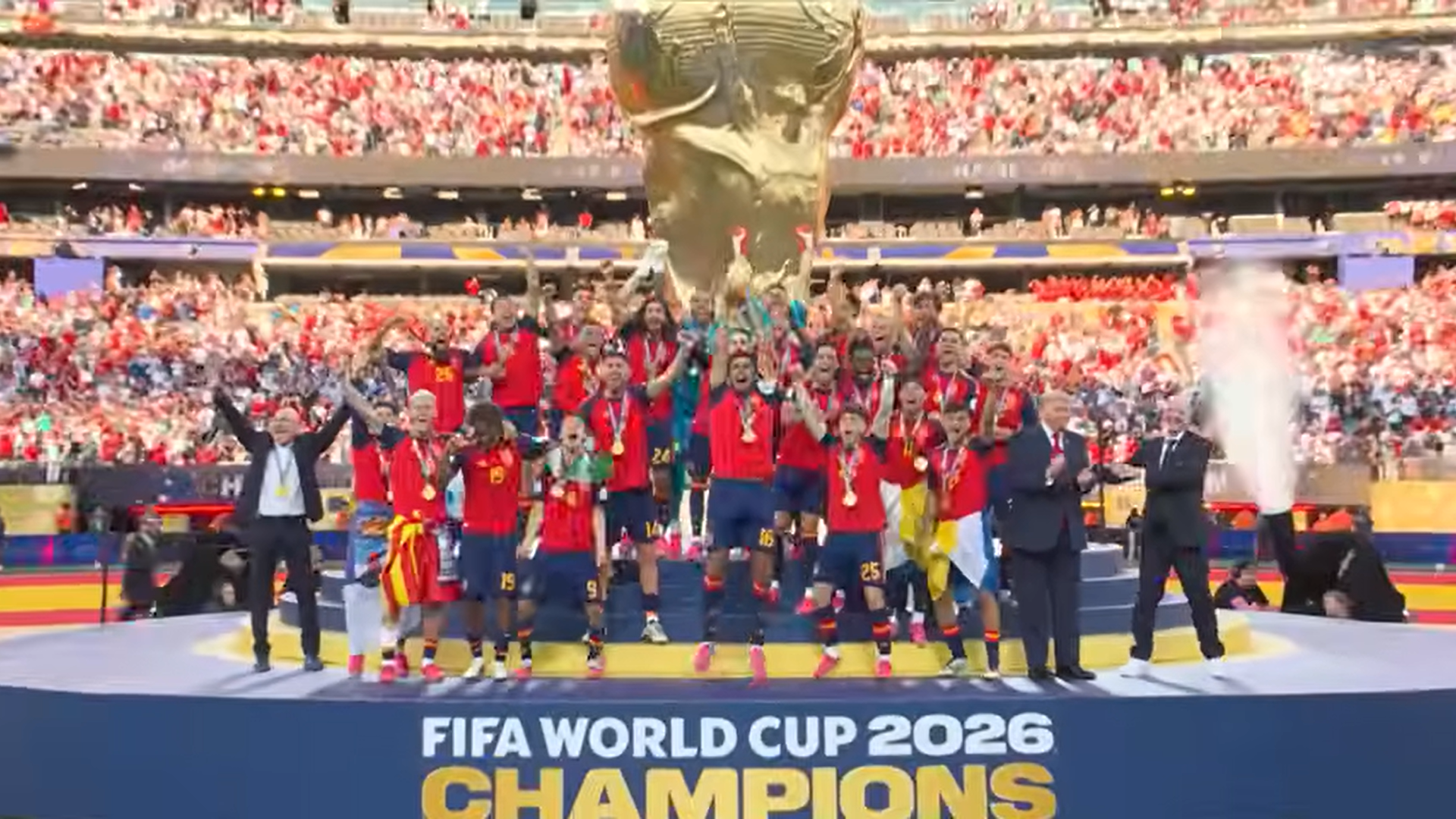
Spain team players and officials celebrate their victory. Photo/SBS/screengrab/Youtube
Argentina's hopes took a major blow when Enzo Fernández was sent off early in extra time, leaving the holders to defend with 10 men. Spain eventually made the advantage count when Torres fired home from close range.
The match was not without controversy. Players from both teams confronted each other after several flashpoints while referee Slavko Vinčić came under scrutiny over a series of decisions in a bruising contest.
Heightened security surrounded the final, which was attended by world leaders and dignitaries, adding to the occasion's global profile.
The final also marked a new chapter for the tournament itself with FIFA introducing a Super Bowl-style halftime show for the first time, featuring international music stars in an effort to boost the event's appeal beyond football fans.
For Spain, the victory added a second star above their badge and confirmed a new generation led by teenage sensation Lamine Yamal has arrived on football's biggest stage.
For Argentina and Lionel Messi, it was a heartbreaking end to their title defence, as their bid to become the first nation in more than six decades to retain the World Cup fell just short.6
The 2030 FiFA World Cup will be hosted by Morocco, Portugal and Spain. To celebrate the tournament's centenary, the opening matches will also be held in Uruguay, Argentina, and Paraguay before the remaining games move to the main host countries.