
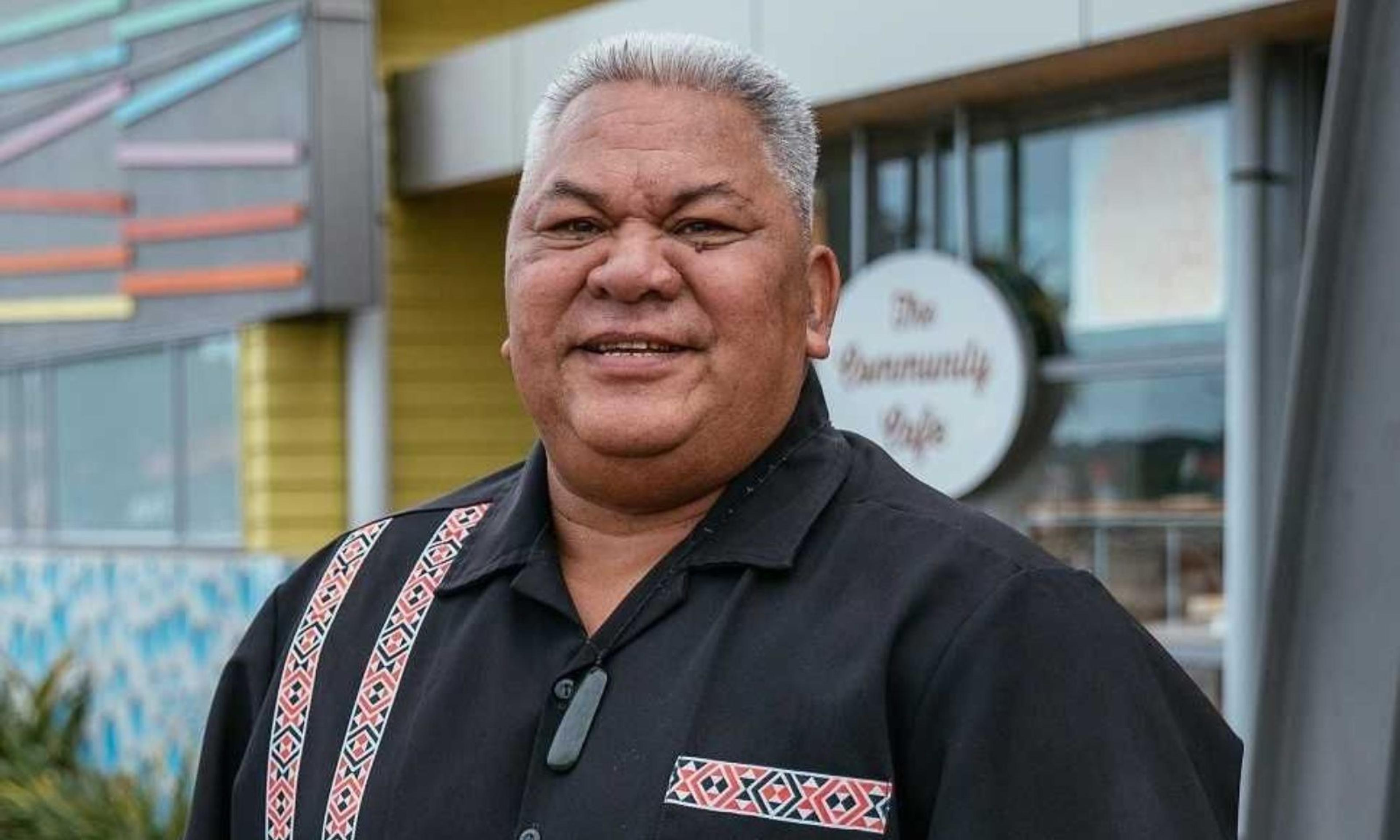
Wellington Rugby League CEO Andre Whittaker is pleased with the surge in new members.
Photo/Wellington Rugby League
Sports
Pacific players drive growth in Wellington Rugby League clubs
Membership has skyrocketed in five years, largely driven by the influence and participation of Pasifika players.

Khalia Strong
Published
04 December 2025, 11:15am
Share
Copy Link
Top stories
From Ōtara, NZ to Los Angeles: David Liti lifts up the next generation
Elton Lonaratha JnrMon, 19 Oct
Top stories
From Ōtara, NZ to Los Angeles: David Liti lifts up the next generation
Elton Lonaratha JnrMon, 19 Oct
Wellington Rugby League (WRL) is in the middle of a Pasifika-led boom with player numbers almost doubling in five years and Pacific families are now at the heart of the sport’s rapid transformation.
Membership numbers have surged from 1400 to nearly 3000, reflecting a national trend. New Zealand Rugby League (NZRL) reports a 24 per cent rise in registered players in the 2024/2025 season, including a 15 per cent increase in women and girls.
Andre Whittaker, the Chief Executive of WRL, says at least 50 per cent of their new members are of Pasifika heritage. He credits the growth to the impressive talent emerging in the national teams.
“We’ve got Jacob Laban at the Warriors. He played for the Te Aroha club here in Wellington. Coming up behind him was another Pasifika player, Maui Patalesio,” Whittaker tells Tuilagi William Leolahi on Pacific Huddle.
“In the Kiwi Ferns, we have sisters Alexis and Trinity [Tauaneai] from Wainuiomata. They’re playing professionally in Australia. They’re leading the way, and our young people see that.”
The WRL was established in 1912 and has clubs across Wellington City, Kapiti, Porirua, and the Hutt Valley, including Wellington Niue Rugby League. The WRL patron is Dame Luamanuvao Winnie Laban, a Sāmoan community leader and former Minister of Pacific Island Affairs with the Labour Party.
Alexis and Trinity Tauaneai, from Wainuiomata, are taking the NRL by storm.
Whittaker, who has Cook Islands and Tahitian heritage, says adapting to the needs of Pacific communities is essential. He credits the league’s recent growth to efforts to keep the sport accessible and affordable.
“Our families are busy. They play rugby league and then have obligations to church, school and so on. So we work our formats around those things. Some competitions start a little later or run at different times. A key thing we’re doing for Pasifika communities is supporting and sanctioning local Pacific Island tournaments.
“Over the last five years, we have not imposed any charges on our youth and junior grades. That means we have to find the money to make it happen, but we have been able to attract some good community sponsors. Mana Wahine sponsor our women’s competition and representative team.
“Healthy Families Hutt Valley champion things like smoke-free and alcohol-free environments and healthy living, and Pacific Health Services Hutt Valley have been a tremendous help to our junior youth girls teams.”
Listen to Andre Whittaker's full interview below.
Cultural values in coaching and management
Whittaker says new members also need strong pathways and good management. He says Pasifika coaches such as Damon Rongotaua and Tarsh Taulelei are making their mark and bringing cultural perspectives to their approach.
Speaking to PMN News, Tarsh Taulelei says her Sāmoan heritage plays a major role in how she coaches the Mana Wāhine Wellington Orcas women’s squad.
“Our culture is built on respect, family, resilience, leadership, connection, discipline, community and love, and these values sit at the centre of how I build my team. Whatever each individual player’s goals may be, if they feel valued, and they value their teammates and coaching staff, they will play for more than just themselves.”
She says wellbeing workshops and cultural rounds that coincide with Pacific Language Weeks celebrate their players.
“Pacific culture is strong across all clubs, and there is no longer just one Pacific identity that stands above the others. Our people, especially our children, come from mixed cultures, and rugby league helps them connect to all parts of who they are.
“Wellbeing workshops are also a huge support for our Pacific communities. They encourage conversations about everyday stress, life challenges, worries, health concerns, family pressures, friendships and the demands of rugby league. These workshops guide our players into spaces where they feel understood and supported.”
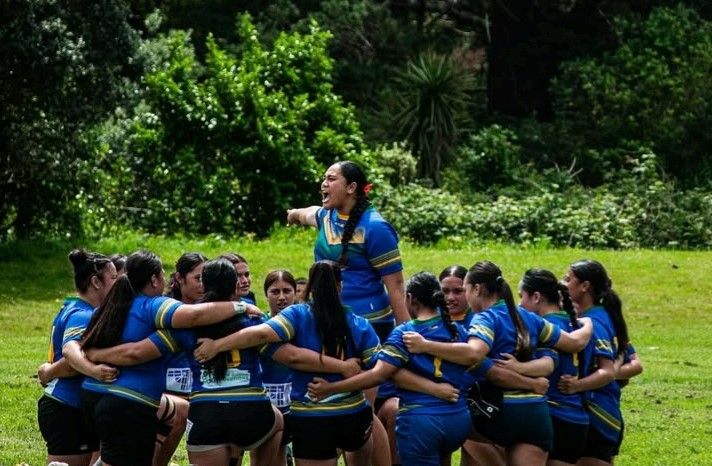
The Hutt Valley Sāmoa's U16 team is part of the Wellington Rugby League. Photo/Supplied
Opportunities for growth
The National Rugby League (NRL) reports that 52 per cent of its players have Pacific heritage, with more than a quarter having parents born in the islands. Whittaker says many young players have big dreams, and club rugby league provides a crucial foundation for moving up to higher levels.
“Everybody thinks they’re an NRL prospect and wants to see all the NRL support locally that we can provide. Expectations need to be managed. The reality is that the majority, 85 per cent, of our game is played at a community level.”
He says the WRL works closely with the Warriors, who regularly assess players in the system to help bridge the gap between local clubs and professional opportunities. Aspiring players have a better chance of progressing if they are noticed by the right people.
“Overall, rugby will be the most dominant sport played in the colleges. So naturally, if you are a league scout, you’re going to have a look at those rugby players, and they will be given opportunities just by the pure weight of numbers.
“The other thing is that our NZRL youth tournaments and secondary school competitions give young Pasifika players a strong sense of belonging. Our pathways are more visible and accessible.”
Taulelei agrees the Pacific Games plays a key role in keeping players connected, especially those who do not participate in the Wellington competition during the season. She hopes for more pathways to accommodate the growth in women’s participation.
“The next generation of young women coming through the secondary schools and national youth tournaments has been great to see. It is a shame that the next step for many of our players is in Australia. We need a stronger pathway here in New Zealand so our women can be supported on home soil rather than having to move overseas.
“Our Women’s National Representative Tournament used to be where the Kiwi Ferns and Kiwi Ferns Development teams were selected. It would be great to see a wider development programme that identifies and supports more grassroots players across New Zealand. This would give them a genuine pathway to be in contention for selection for the Warriors women’s team.”