Photo/Alan Lee/Photosport
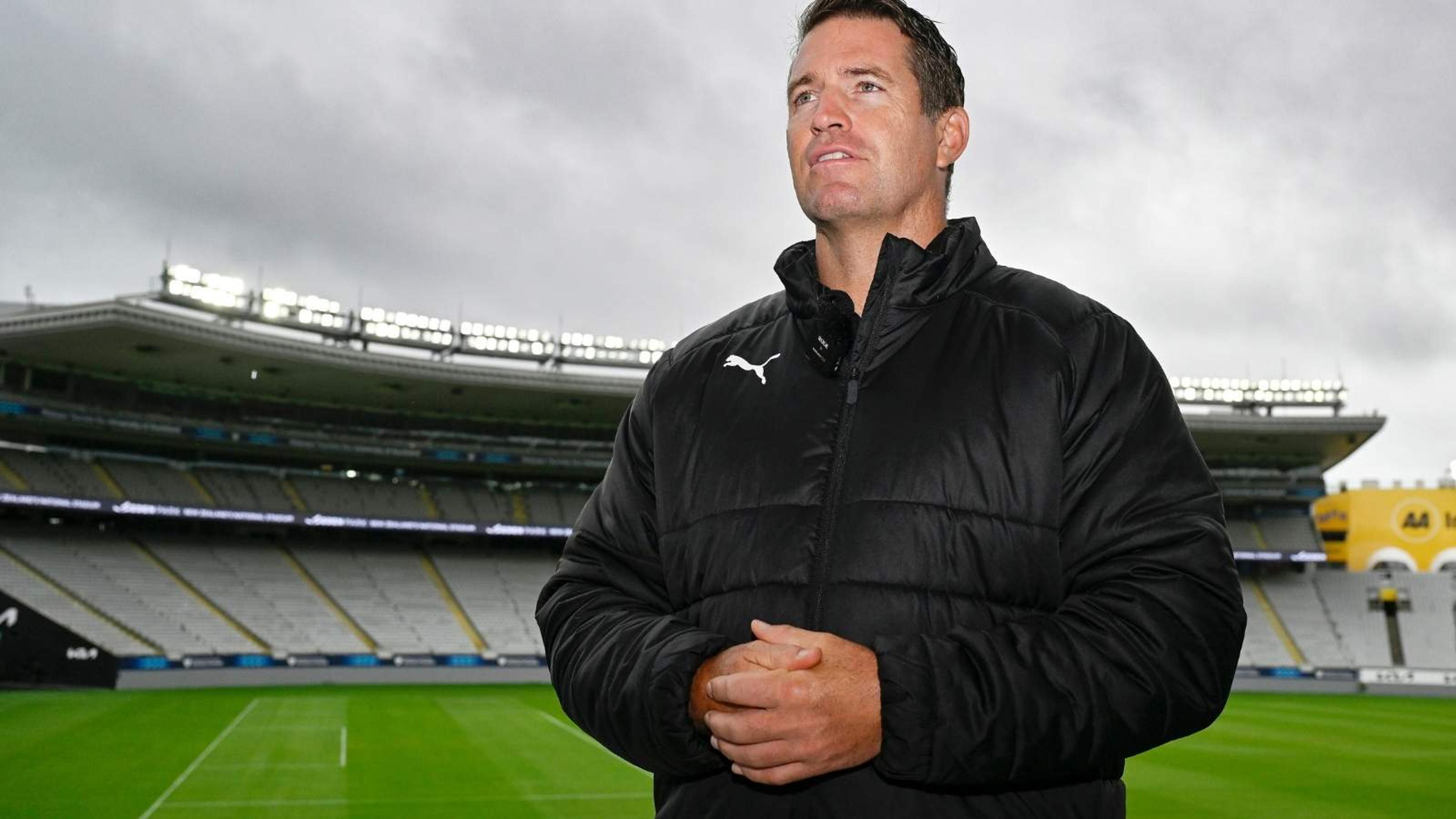
New Zealand Football chief executive Andrew Pragnell.
Sports
Oceania football faces key FIFA vote as NZ questions $7bn investment plan
The OFC’s 11 member nations will meet next week to discuss FIFA’s controversial proposal to sell a stake in its commercial business.

PMN News
Published
05 August 2026, 4:23pm
Share
Copy Link
Top stories

Māngere budgeting service warns hidden fees are deepening family debt pressure
Thomas Tarurongo WynneFri, 02 Oct
Fijian women to bring climate relocation stories to the heart of Pre-COP31 talanoa
Christine RovoiThu, 01 Oct

Top stories
Māngere budgeting service warns hidden fees are deepening family debt pressure
Thomas Tarurongo WynneFri, 02 Oct
Fijian women to bring climate relocation stories to the heart of Pre-COP31 talanoa
Christine RovoiThu, 01 Oct
Oceania's football leaders will meet next week to consider one of the biggest decisions facing the global game, as FIFA pushes ahead with plans to sell part of its commercial business to private investors.
The proposal, backed by FIFA president Gianni Infantino, would see the governing body raise up to NZ$7.1 billion by selling about a 20 per cent stake in a new company that would manage FIFA competitions, including the men's and women's World Cups.
Ahead of the meeting, New Zealand Football chief executive Andrew Pragnell has questioned why FIFA is seeking investment when the organisation is already financially strong.
“It is unusual to do a capital raise like that when capital is not your issue,” Pragnell told Reuters.
The proposal has divided the football world, with critics raising concerns about transparency, governance and whether private investors should have a stake in the commercial future of the world’s biggest sport.
Oceania Football Confederation (OFC) confirmed its Executive Committee will consider the proposal at its August meeting after consulting its 11 member associations.
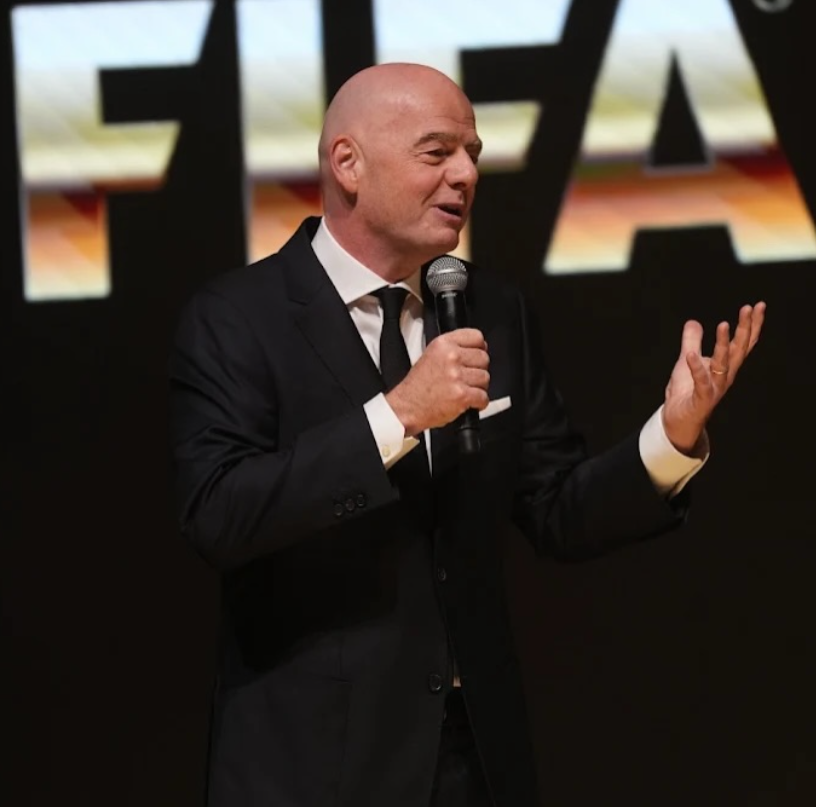
FIFA president Gianni Infantino. Photo/Instagram
“OFC remains committed to engaging constructively with its Member Associations, FIFA, fellow Confederations and other football stakeholders throughout the consultation process and in support of the continued development of football across Oceania and globally.”
For Oceania’s smaller football nations, the outcome matters. FIFA funding has helped support facilities, competitions and player development across the Pacific for many years.
Pragnell acknowledged FIFA had delivered major financial growth that had benefited member associations around the world.
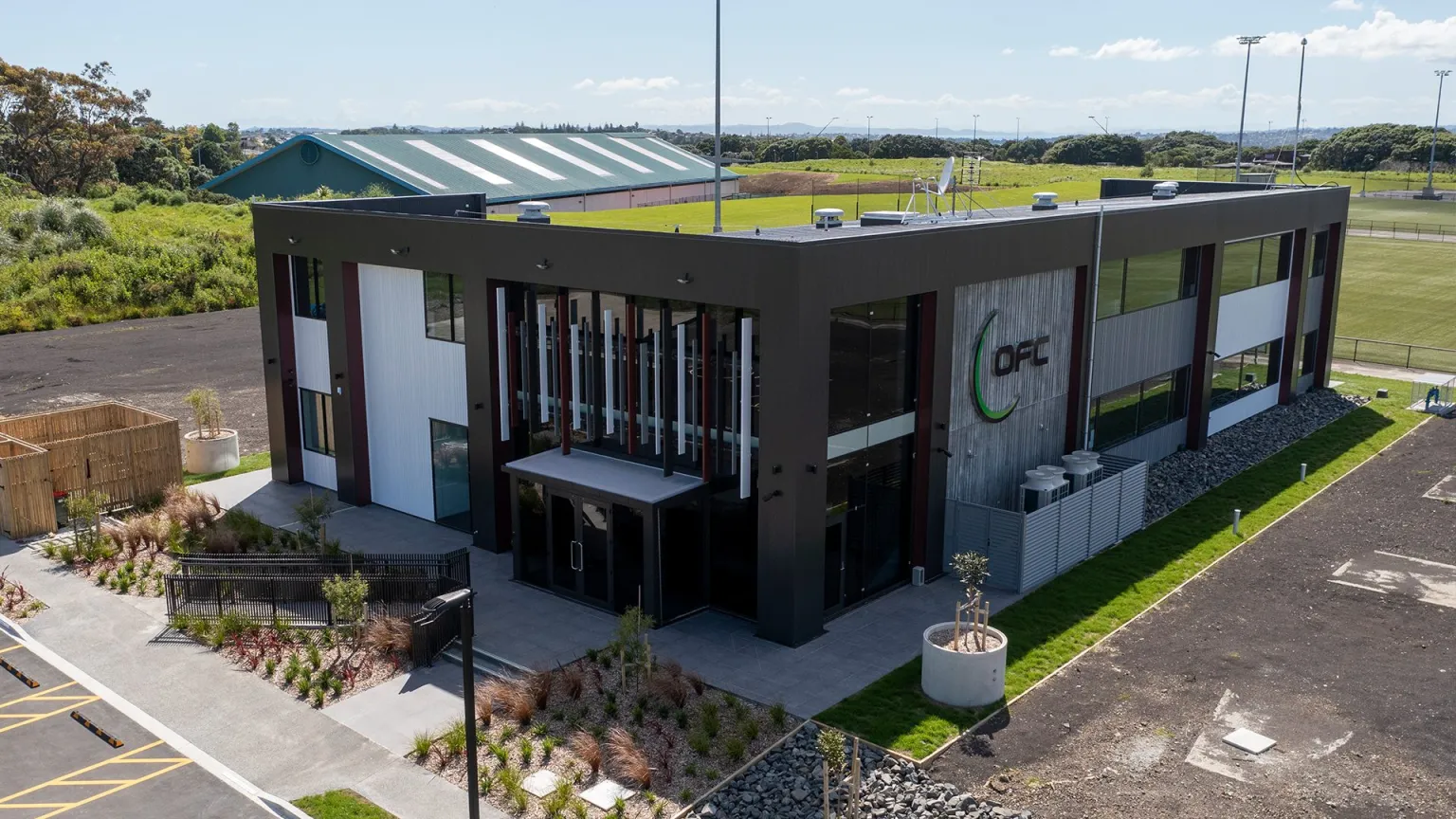
The OFC main office. Photo/OFC
"If we park the proposal overall, what you've seen from FIFA is enormous commercial growth and increased focus on the redistribution of wealth across all member federations, including some great projects that we've benefited from," Pragnell said.
"But the proposal itself, the way in which it was delivered, developed, the way members found out, and the shock to confidence amongst the international football system, has cast a pretty big shadow."
Europe’s governing body UEFA has emerged as one of the strongest critics, accusing FIFA of putting football’s “soul” up for sale.
Whether Oceania presents a united position remains unclear.
"There's obviously more power in numbers .... Certainly it helps when a confederation acts in unison," Pragnell said.
"You've seen in some confederations, even in the last week, members go different ways from other members.
"At the end of the day, the independence of each member association is respected as well."
The OFC Executive Committee is expected to discuss the proposal next week before member associations decide their position on one of the most closely watched governance issues in world football.
For more details, visit fifa.com and oceaniafootball.com