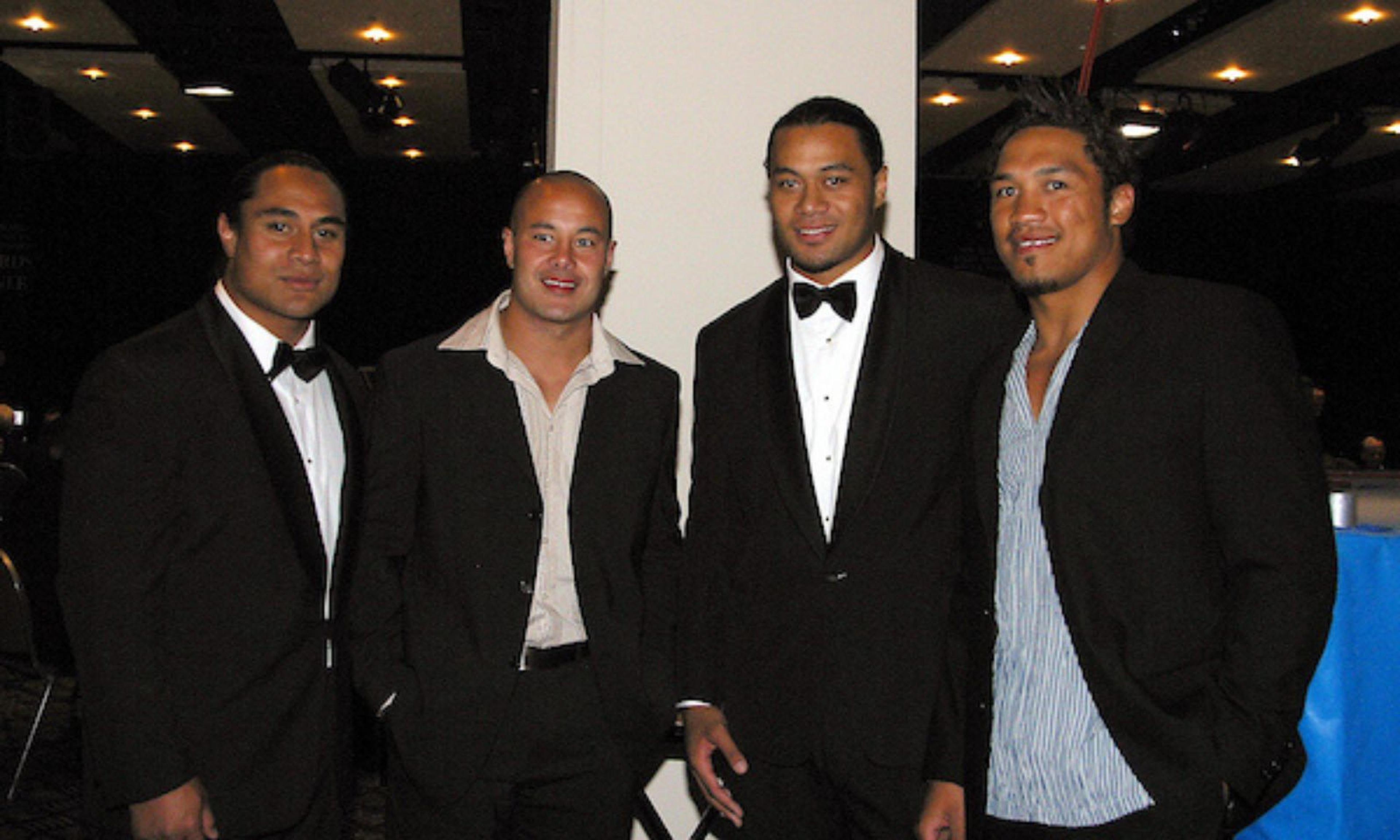
From left: Joe Galuvao, Monty Betham, Tony Puletua, and Clinton Toopi at the NZRL Awards in Auckland in 2003. Galuvao is helping the next generation of Pacific players find purpose beyond rugby league.
Photo/Photosport/Hannah Johnston
Sports
'It’s not what you lose, it’s what you gain': NRL winner Joe Galuvao on life after rugby league
The NRL premiership winner is helping the next generation of Pacific players navigate one of the toughest challenges in sport: life after the game.

PMN News
Published
07 April 2026, 2:01pm
Share
Copy Link
Top stories
Learning te reo Māori leads Sāmoan mother back to her own roots
Atutahi Potaka-DewesFri, 18 Sep
Opinion: From the Apology Mat to the Welcome Mat, it's repairing the Vā
Thomas Tarurongo WynneFri, 18 Sep
Seven-year-old Fijian-Tongan star wins fourth world jiu-jitsu title
Aui'a Vaimaila Leatinu'uFri, 18 Sep
Top stories
Learning te reo Māori leads Sāmoan mother back to her own roots
Atutahi Potaka-DewesFri, 18 Sep
Opinion: From the Apology Mat to the Welcome Mat, it's repairing the Vā
Thomas Tarurongo WynneFri, 18 Sep
Seven-year-old Fijian-Tongan star wins fourth world jiu-jitsu title
Aui'a Vaimaila Leatinu'uFri, 18 Sep
Life after rugby league can hit hard.
For many players, the end of their career brings uncertainty, loss of identity, and a sudden shift away from the structure they’ve always known.
Joe Galuvao, a Sāmoa and New Zealand international, knows that feeling well.
Now working with the Rugby League Players Association, the former NRL premiership winner is focused on guiding players, especially those from Pacific backgrounds, through that transition and into life beyond the game.
Galuvao says stepping away from rugby league meant rediscovering who he was outside of football.
“I guess first and foremost, yeah, I'm a father, husband, grandfather now,” he told Tuilagi William Leolahi on Pacific Huddle.
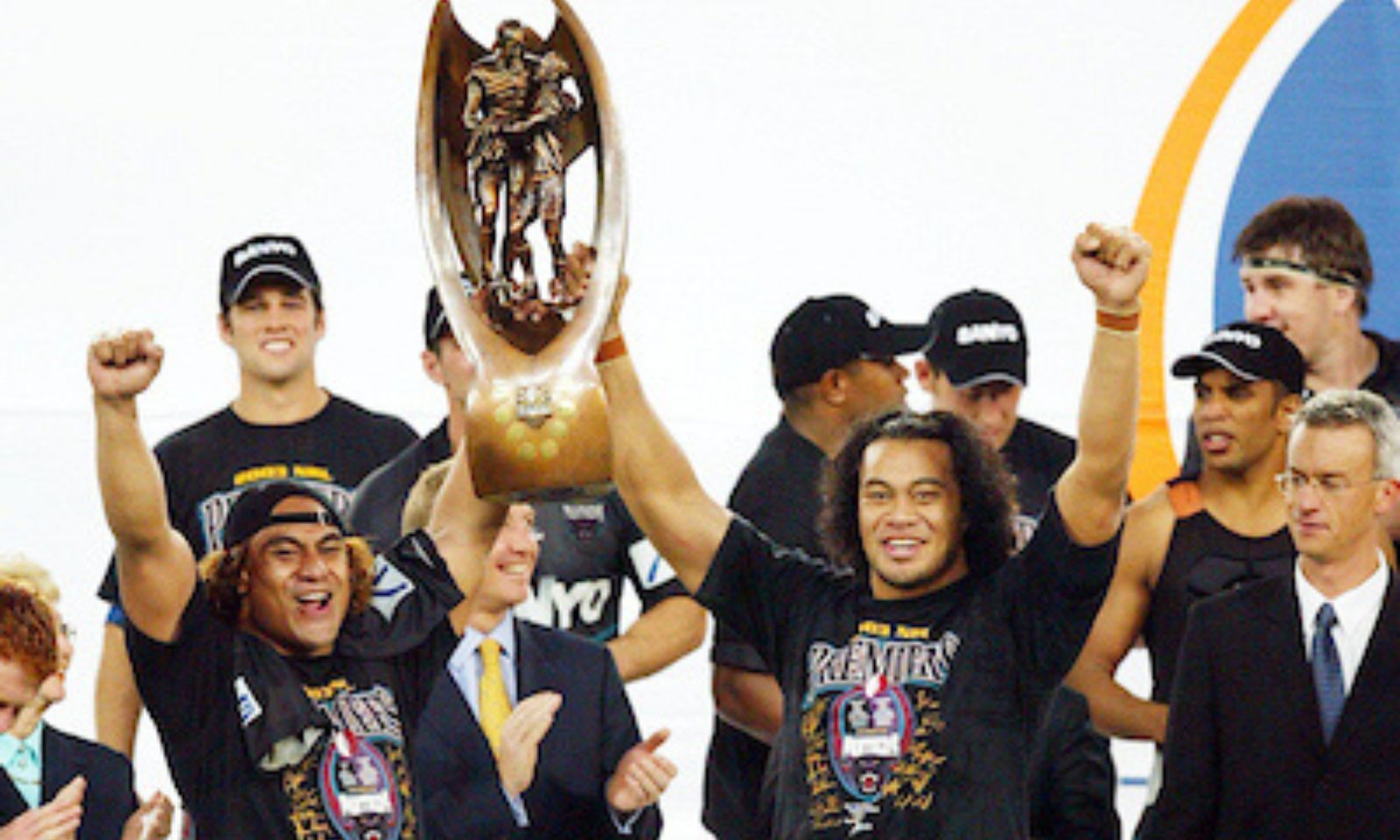
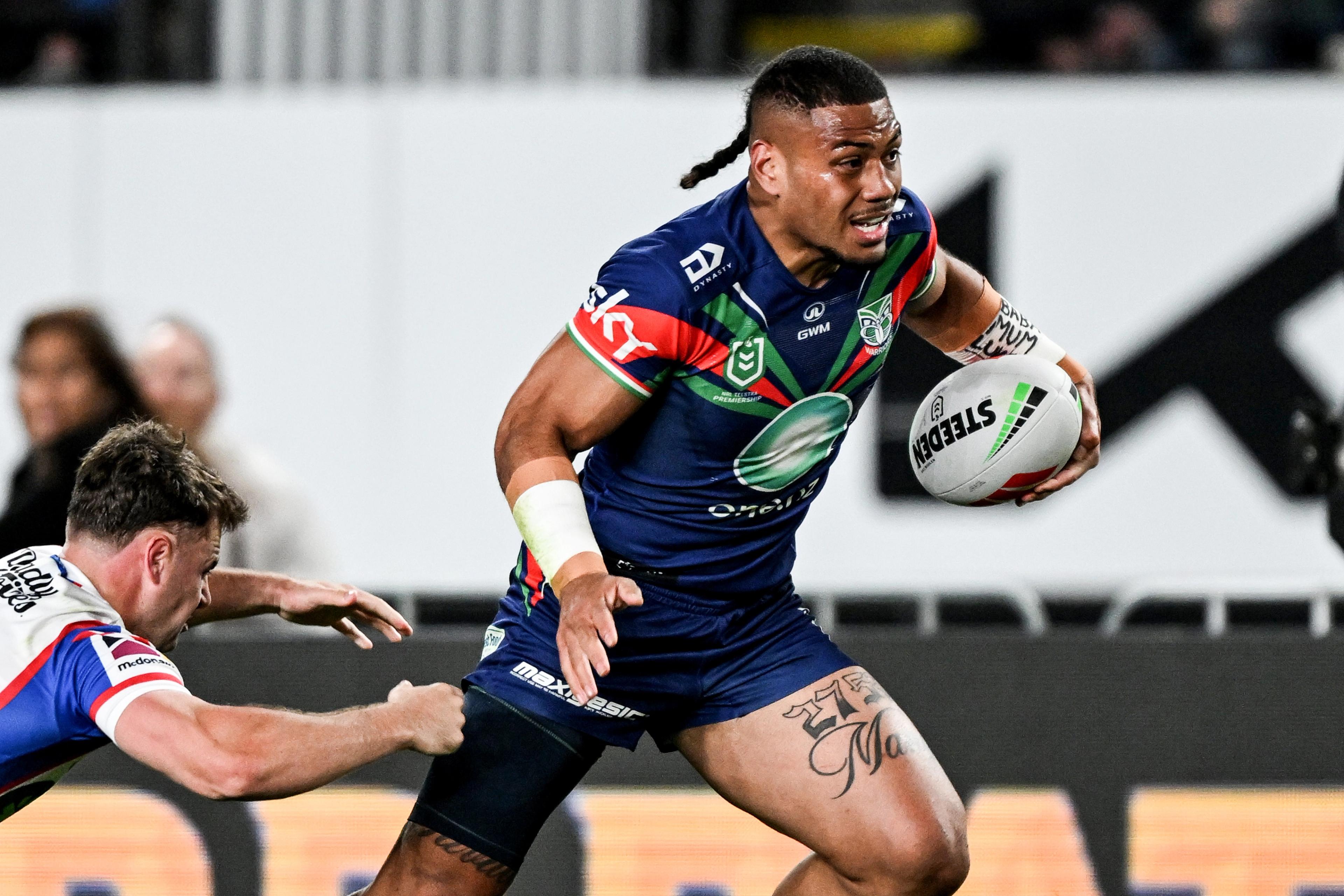
From premiership winner with the Panthers in 2003 to mentor, Joe Galuvao, left, is guiding players through life after the game. Photo/Photosport/Sandra Teddy
That grounding in family and community helped shape his next chapter, built around service and giving back.
Values, he says, were carried long before his professional career. But he is clear about the biggest mindset shift players need to make when their careers end.
“I think when people, when players transition out of their game, they feel like they're losing something,” Galuvao said. “But actually, you know, what I say to them is like, it's not what you lose, it's actually what you're gaining, you know, focus on that.”
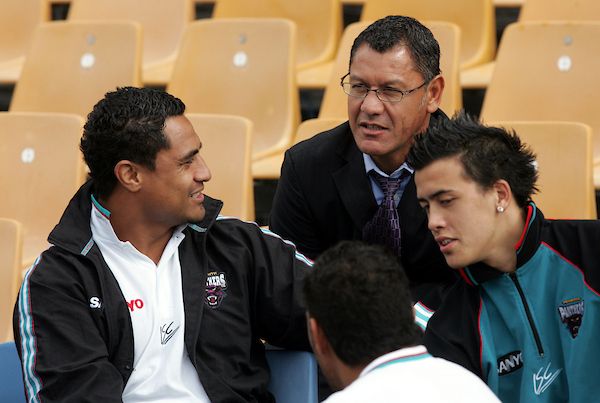
Joe Galuvao, left, and Peter Ropati at a Barter Card Cup match in Auckland in 2005. "It’s not what you lose, it’s what you gain,” is Galuvao’s message to players facing retirement. Photo/Photosport/Andrew Cornaga/file
It’s a simple message, but one he says is often hard to see in the moment. Professional sport can be an “insulated environment”, where identity is tightly tied to performance and routine.
“When they first come out of the game…there is that ambiguity or anxiousness, which is part of the journey,” Galuvao said. “But… there's just so much life out there to live and there's so many of you to discover.”
That sense of identity is something he now works closely on with players, alongside practical support like financial advice and wellbeing services.
One of the biggest shocks, he says, is the loss of structure.
“We're told where to go, what to eat, what to do… so there's that structure and that familiarity,” he said. “Once you get out of it, you just kind of… have to find that structure again.”
Galuvao has also seen the warning signs when players struggle: isolation, disconnection and, at times, more serious issues.
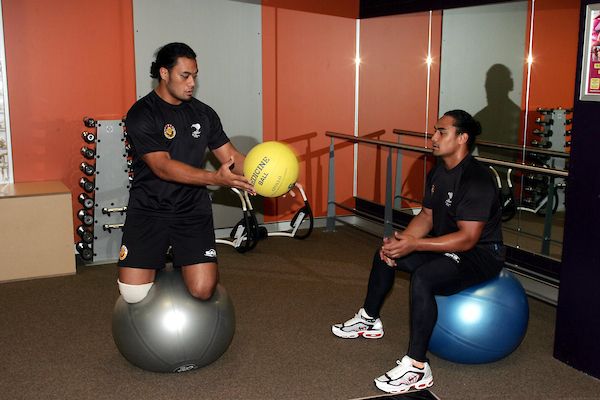
Tony Puletua, left, and Joe Galuvao at a NZ Kiwis training session in Gosford, NSW, in 2004. Galuvao’s work with the RLPA focuses on identity, wellbeing, and life beyond rugby league. Photo/Photosport/Andrew Cornaga
“Obviously isolation… being disconnected,” he said. “And sometimes… You can kind of see things unravelling.”
That’s where his role becomes critical - stepping in early, offering support, and helping players find a new path.
As a proud Pasifika who grew up in South Auckland and now lives in Western Sydney, Galuvao understands the importance of culture and community in that journey.
He says mentoring the next generation is not a burden, but a responsibility shaped by those who guided him.
“I've always wanted to be… that responsible example and leader for the next generation,” he said.
His advice to young Pacific players chasing the NRL dream is simple and direct.
Watch Joe Galuvao's full interview on Pacific Huddle below.
“You've got to work hard… set some really good goals for yourself,” he said. “Be a really good person… that opens so many doors, you know, both on and off the field.”
For Galuvao, success is no longer measured in trophies, but in impact.
“This may be really, really simple, but I just want people, when they think about me, to know that I'm just a good guy,” he said. “Good mate. Good friend. Good person and just wanted to serve and do his best.”
And in a game where careers can end quickly, that message may matter more than ever.