New political force emerges in Fiji as Inia Seruiratu promises to always put voters first
Elenoa TuragaiviuThu, 06 Aug
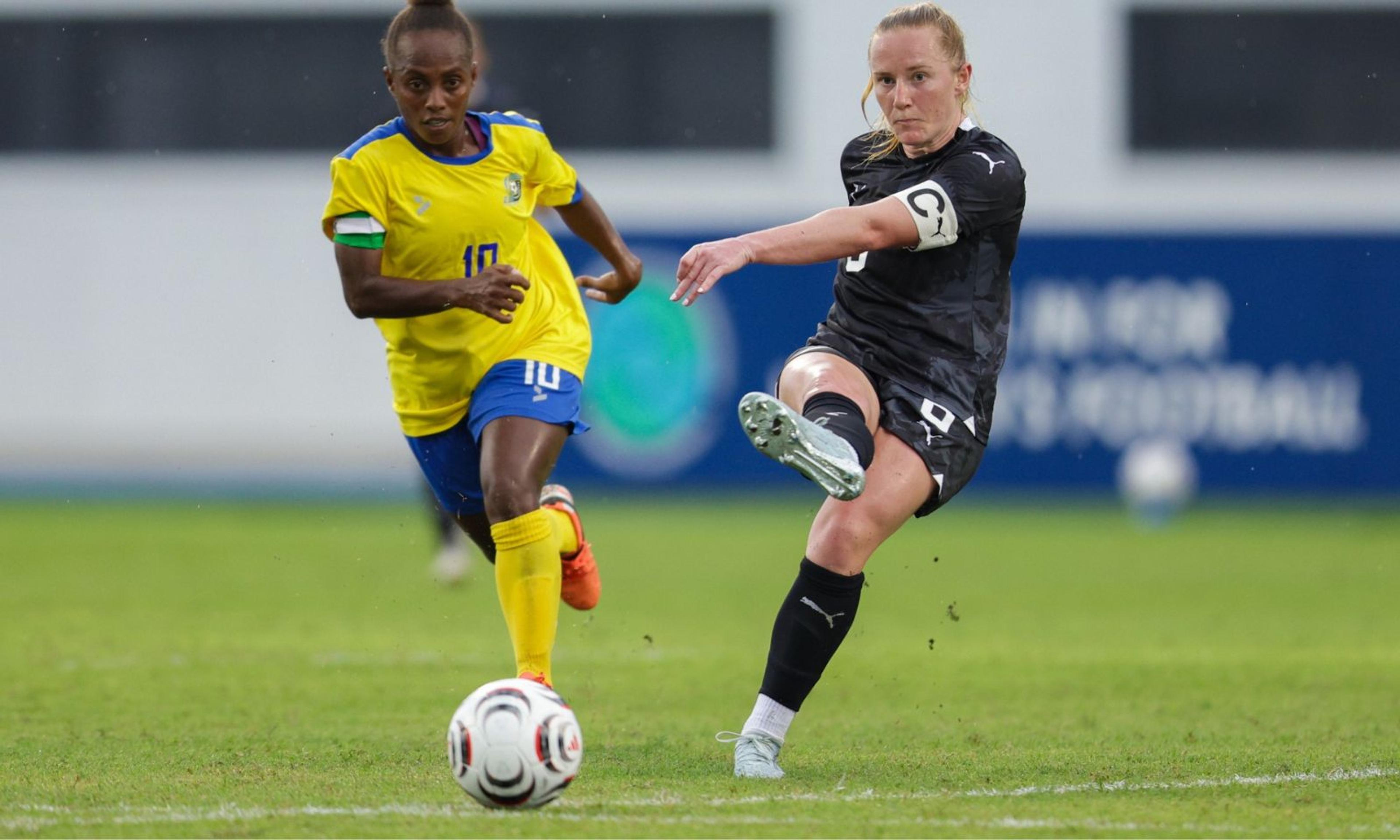
Solomon Islands' Ileen Pegi, left, and New Zealand's Katie Kitching during their match last week. NZ won 8-0. Pacific women’s footballers chase World Cup glory as FIFA pushes for more female coaches and leaders in the game.
Photo/OFC Media
A major rule change to boost female representation comes as Oceania teams battle for a place at the 2027 Women’s World Cup in Brazil.



Women’s football is entering a new phase, with the Fédération Internationale de Football Association (FIFA) introducing tough new rules to increase female representation.
The decision comes as Pacific Island nations compete for a place on the world stage.
From this year, every team at FIFA women’s tournaments must include at least one female head coach or assistant coach, alongside female medical staff, and officials on the bench.
The move is aimed at tackling the lack of women in top coaching roles despite the rapid growth of the women’s game.
“There are simply not enough women in coaching today," FIFA’s Chief Football Officer, Jill Ellis, said in a statement. "We must do more to accelerate change by creating clearer pathways, expanding opportunities, and increasing the visibility for women on our sidelines.”
There is no single official figure for female footballers in the Pacific, but the number is in the tens of thousands, with New Zealand accounting for the largest share.
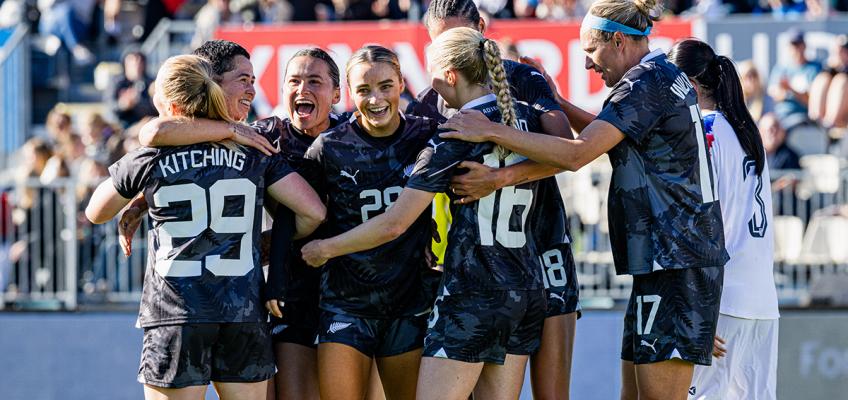
New Zealand and Papua New Guinea dominated earlier qualifying rounds, keeping their World Cup dreams alive in the Pacific. Photo/OFC Media
Participation is growing quickly across Oceania, driven by development programmes and increased investment in the women’s game.
That global push comes as the race for the 2027 Women’s World Cup heats up in the Pacific.
The new rules will apply across all major competitions, including youth tournaments and the FIFA Women’s World Cup in Brazil in 2027.
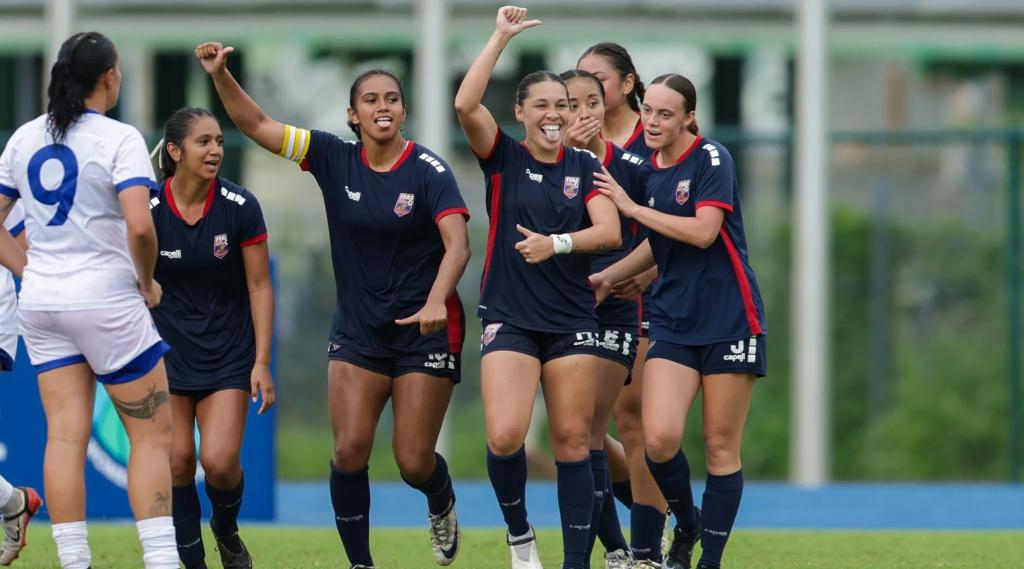
FIFA’s new rules require every team in women’s tournaments to include female coaches and officials, aiming to grow representation across the game. Photo/OFC Media
FIFA says the change is part of a long-term plan to grow the women’s game both on and off the pitch, backed by funding, training and mentorship programmes for female coaches worldwide.
That global push comes as the race for the 2027 Women’s World Cup heats up in the Pacific.
Oceania has one direct spot at the tournament, and the battle is now down to the final stage of qualifying.
Eight teams took part in Round Two earlier this year, with matches played in the Solomon Islands and Fiji. The top sides have now moved through to Round Three, which will be played in Aotearoa this month.
The final four teams will meet in a knockout format, with semi-finals followed by a final to decide who qualifies for the World Cup. The runner-up will still have a second chance through the inter-confederation play-offs.
New Zealand showed their strength in earlier rounds with dominant wins, while Papua New Guinea also impressed, topping their group with strong performances.
Other Pacific teams, including Fiji, Sāmoa, and American Sāmoa, have also had moments of success, highlighting the growing depth of women’s football in the region.
Round Three matches were set to take place this week, but some fixtures have been postponed, with updated schedules expected soon.
For Pacific teams, the stakes are high: a place at the 2027 World Cup in Brazil, the biggest stage in women’s football.
And with FIFA now pushing for more women in leadership, the spotlight is not just on the players, but also on who is guiding them from the sidelines.
The FIFA Women's World Cup will be held in Brazil from 24 June to 25 July 2027. For more details, click here.