El Niño tightens grip on Pacific as authorities warn of drought and extreme weather
Lachlan EddieFri, 23 Oct

From left: NRL great Johnathan Thurston, New Zealand Prime Minister Christopher Luxon, former NRL player Ryan Hoffman, and NZ Tourism Minister Louise Upston at Eden Park in Auckland, confirmed as the venue for the first State of Origin match to be played in New Zealand in 2027, a landmark moment for Pacific rugby league..
Photo/NRL
Tāmaki Makaurau will host the first State of Origin match outside Australia in 2027, amid excitement among Kiwi fans and debate over new eligibility rules that could see NZ-born players in Origin colours.



Auckland’s historic win to host a 2027 State of Origin match at Eden Park has not only been celebrated in Aotearoa New Zealand, it’s also sparked fresh debate across rugby league circles.
Fans and commentators are weighing in on the future of the sport’s fiercest rivalry, with new eligibility rules adding another layer of intrigue.
The announcement that Eden Park will host the first State of Origin match played outside Australia in 40 years capped three years of negotiations involving the NRL and the Australian Rugby League Commission (ARLC).
The fixture is expected to draw up to 50,000 fans and deliver a significant economic boost to Auckland’s hospitality and tourism sectors.
But the news coincided with a major modernisation of State of Origin eligibility rules that could reshape the series and deepen Pacific engagement with the game.
The Australian Rugby League Commission hailed the announcement as a milestone for the sport, highlighting the growing presence of rugby league in New Zealand and the Pacific.
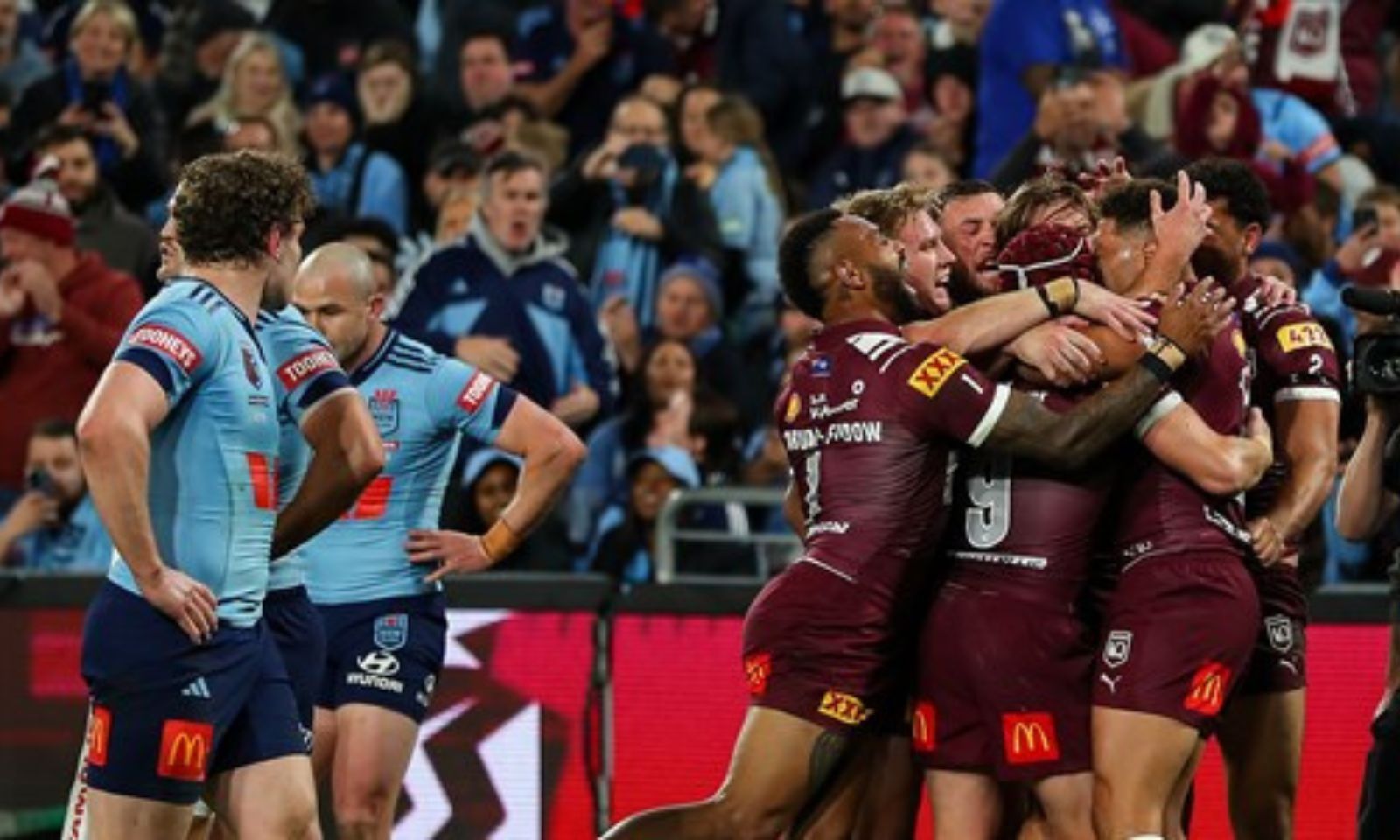
Queensland Maroons players celebrate a try during a recent State of Origin match, highlighting the intense rivalry expected in Auckland in 2027. Photo/NRL
Under the traditional criteria, only players eligible to represent Australia or a tier-two nation could contest Origin, which excluded many New Zealand representatives. That has now changed.
ARLC Chairman Peter V’landys AM said the update reflects the sport’s evolving landscape.
“Rugby league has changed, the international game has grown, and our rules need to reflect that," he said in a statement.
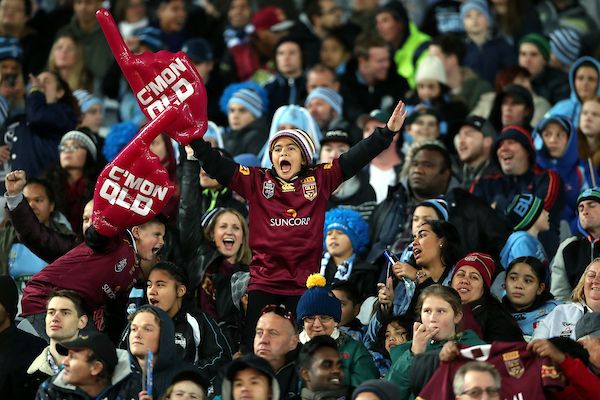
Fans cheer at a past State of Origin match, illustrating the passionate atmosphere expected when Origin comes to Eden Park. Photo/Photosport/Paul Seiser/file
"If a player is eligible to play State of Origin, it makes no sense to exclude them simply because they’ve represented New Zealand or England at test level.”
He said the series should be based on where a player is from, not which country they represent internationally, strengthening both Origin and international rugby league.
The revised criteria now allow players to be eligible if they were born in New South Wales or Queensland, lived there before the age of 13, or had a father who played State of Origin.
This opens the door for high-profile talents such as Addin Fonua‑Blake, Kalyn Ponga, and others to play Origin even if they have represented New Zealand or England under the old rules.
The Auckland announcement has generated widespread attention, not just for the historic hosting but also for its potential impact on player eligibility and the series itself.
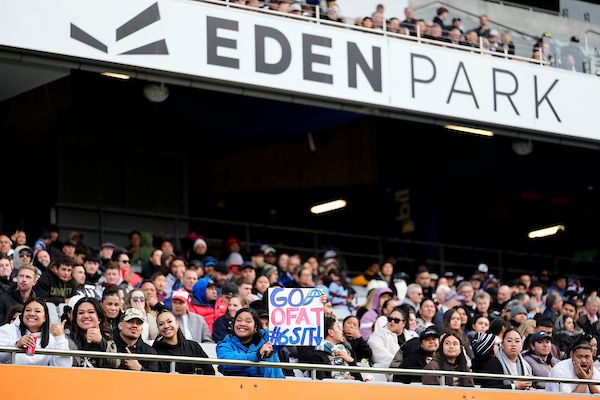
A packed Eden Park crowd at a previous rugby league match in Auckland, underscoring the strong local support ahead of the historic Origin fixture. Photo/Photosport/Blake Armstrong/file
While many Pacific and New Zealand fans welcomed the changes, not everyone across the Tasman shared the same enthusiasm.
Some Australian fans expressed concern about how this might affect Origin’s identity.
One fan posted on social media: “If there are no Queenslanders in the Queensland team, then I’m not going to watch it.”
Another warned: “This will ruin the spirit of the game and hence the series all together. [State of Origin] will be defunct in 20 years.”
But rugby league supporters in Aotearoa and the Pacific welcomed the chance to see the pinnacle of the sport in Auckland and potentially watch New Zealand-born players in Origin colours.
For many Kiwi fans, the Auckland match represents both celebration and recognition of rugby league’s growing Pacific footprint.
The 2027 fixture, co-funded by Auckland Council Events and the New Zealand Government via the Major Events Fund, was always poised to be a major sporting moment.
Adding eligibility shifts and fan debate gives the fixture broader significance beyond a single match.
Eyes across Aotearoa, Australia, and the Pacific will be on Eden Park when Origin comes to Kiwi soil for the first time.
Further details, including match date and ticketing information, will be announced later this year.
Meanwhile, the Indigenous All Stars vs Māori All Stars match played on the weekend ended in a 16-16 draw in Hamilton and attracted close to 20,000 fans.