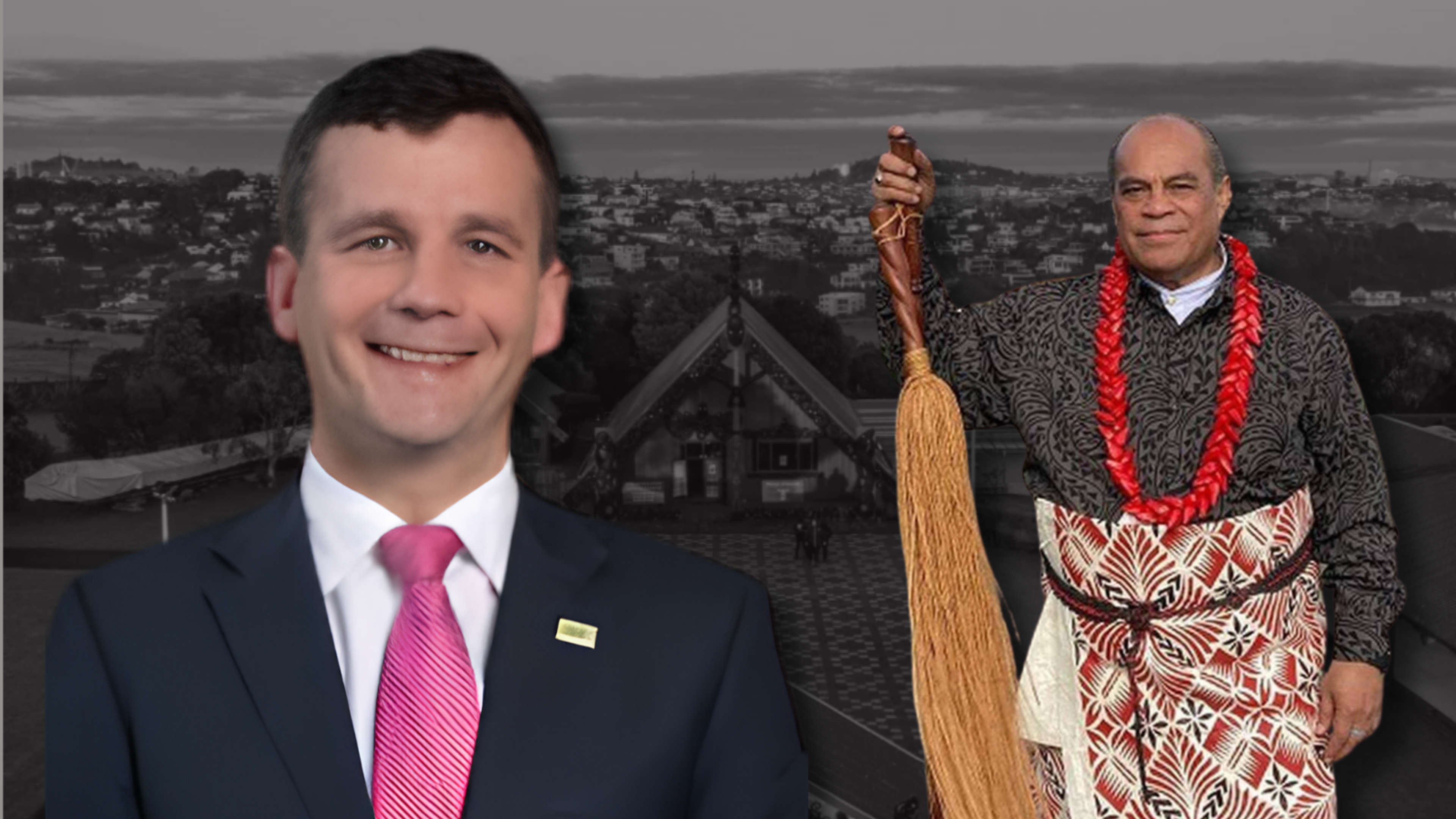
Seymour targets office karakia as Aupito warns of a ‘culture war’
Thomas Tarurongo WynneFri, 23 Oct
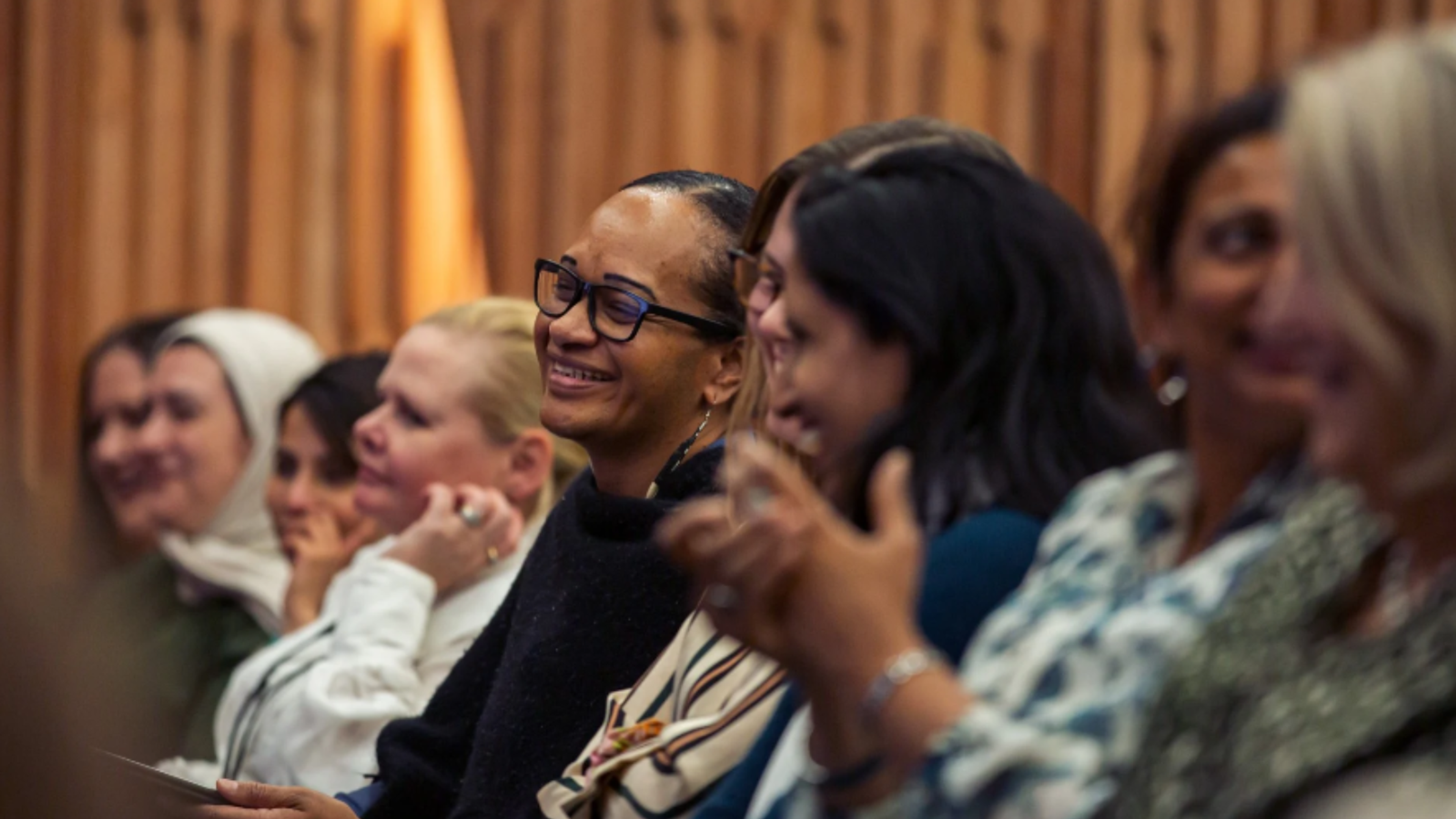
Saunoamaalii says New Zealand needs the talent of Pacific people.
Photo/Manatū Wāhine
The campaign invites New Zealanders to send invoices to Prime Minister Christopher Luxon, showing how much women lose each week.


Advocacy group Still Minding the Gap has launched a new campaign urging New Zealanders to send invoices to Prime Minister Christopher Luxon for money lost to the gender pay gap.
Pacific women are among those most affected, losing more than $76 a week on average, the campaign says.
According to the group, the online tool launched on Monday generates automated invoices to highlight the weekly cost of unequal pay.
The initiative coincides with International Women’s Day, which was celebrated last week under the theme ‘Give to Gain’.
Still Minding the Gap says women on the median wage lose about $25 each week due to the pay gap. Wāhine Māori lose nearly $60 weekly and Pacific women lose over $76.
Saunoamaalii Dr Karanina Sumeo, a Pacific human rights advocate, told Pacific Mornings the figures reflect a long-standing injustice in Pacific communities.

Still Minding the Gap says women on the median wage lose about $25 each week due to the pay gap. Wāhine Māori lose nearly $60 weekly and Pacific women lose over $76. AI generated image.
“We’ve known as a community for a very long time that we work hard, we contribute to this economy, and it’s really unfair that our people tend to earn the lowest when we compare ourselves to others,” she says.
Still Minding the Gap says the campaign also encourages businesses to review how they hire staff and set pay rates. It aims to tackle systemic inequality.
Research by Dr Jo Cribb, a governance and diversity expert, shows that workplace practices, not skills or qualifications, are the main drivers of the pay gap.
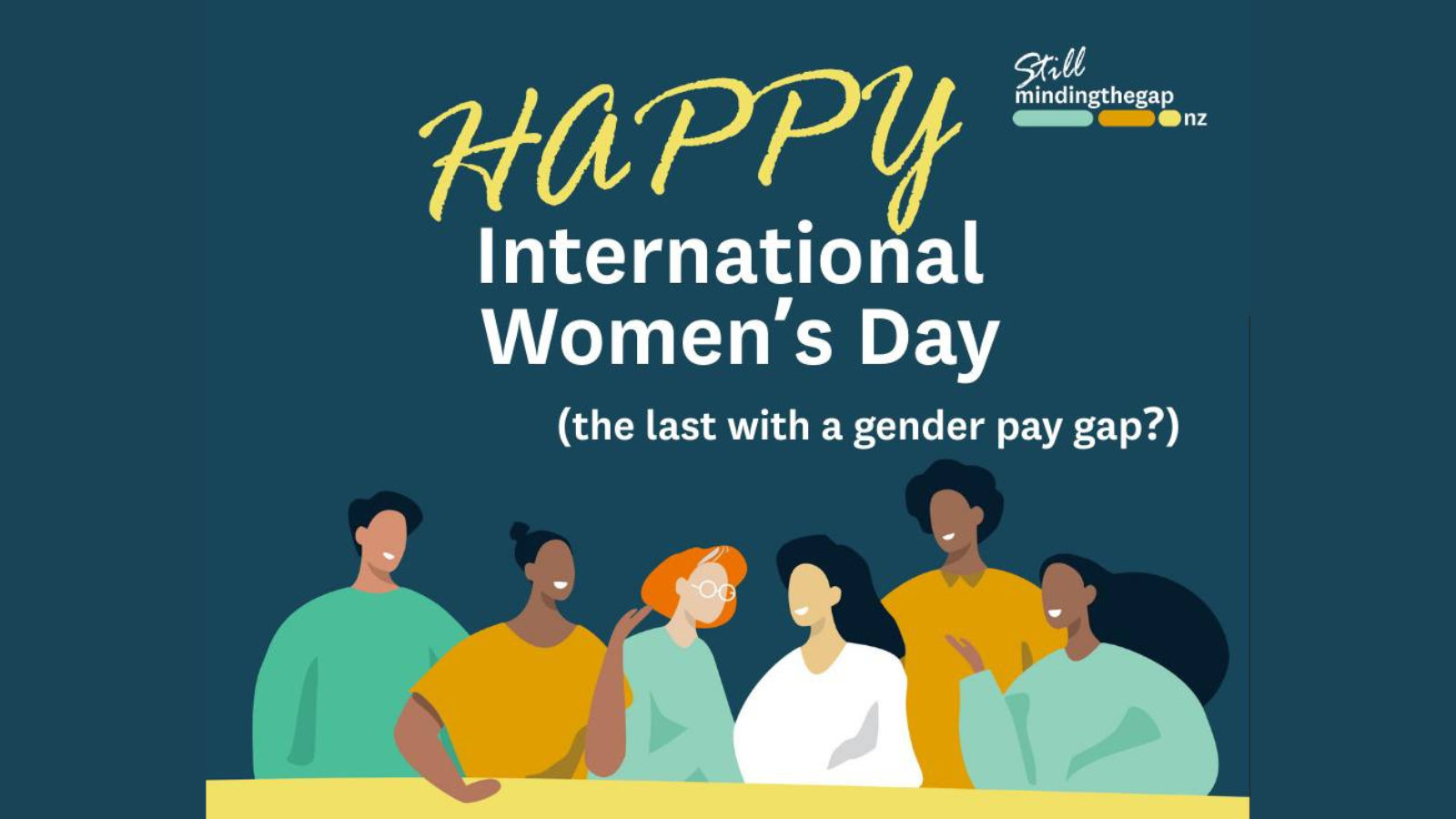
Still Minding the Gap is asking for the public to send their 'invoices' to PM Luxon, to highlight money lost to the gender pay gap. Photo/Facebook
A 2025 review found that up to 83 per cent of New Zealand’s gender pay gap cannot be explained by worker characteristics.
The research also shows that women of colour, including Pasifika, face bigger challenges from both gender and ethnic discrimination.
Saunoamaalii says transparency in wages and workplace data is key to fighting unconscious bias.
“We want businesses to look at how they’re recruiting and how they’re determining pay. Are they paying people fairly and equally for their skills and qualifications?”
This pay gap also affects households financially and culturally. Pacific households already face financial pressure and Saunoamaalii says the average Pacific household earns just under $52,000 a year before housing costs and taxes. Even small gaps can make a big difference.
“If people on six-figure salaries are struggling to make ends meet, imagine how our households are doing right now. Every cent counts.”
Watch Saunoamaalii Dr Karanina Sumeo's full interview below.
Unequal pay also carries personal and cultural weight. Saunoamaalii once found she was paid “tens of thousands” less than a colleague for the same role.
“When you feel that you’re being underpaid and undervalued, the disrespect that comes with that is really significant.
“For our people, fa’aaloalo and respect are really important. I felt insulted as a woman and as a person.”
Saunoamaalii says the campaign aims to keep this issue in front of political leaders ahead of the next election. She urges Pacific communities, especially young women, to speak up and exercise their vote.
A proposed Pay Transparency Bill, introduced by Labour MP Carmel Sepuloni in 2025, would require employers to share salary ranges in job advertisements and report pay gaps across staff groups.
“New Zealand needs the talent of Pacific people,” Saunoamaalii said. “When our people succeed, our whole country succeeds.”