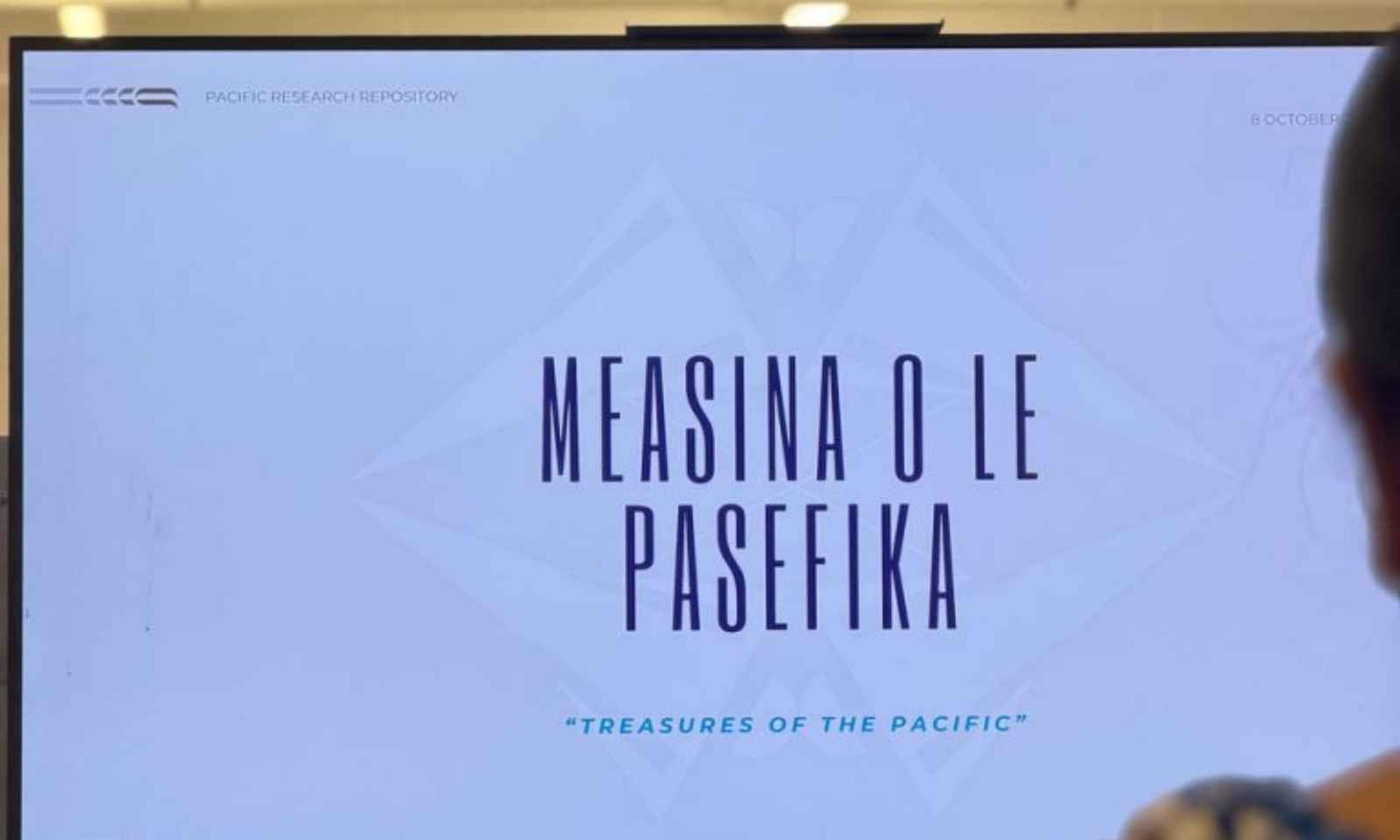
Online vault aims to return Pacific research to the community
Aui'a Vaimaila Leatinu'uWed, 21 Oct
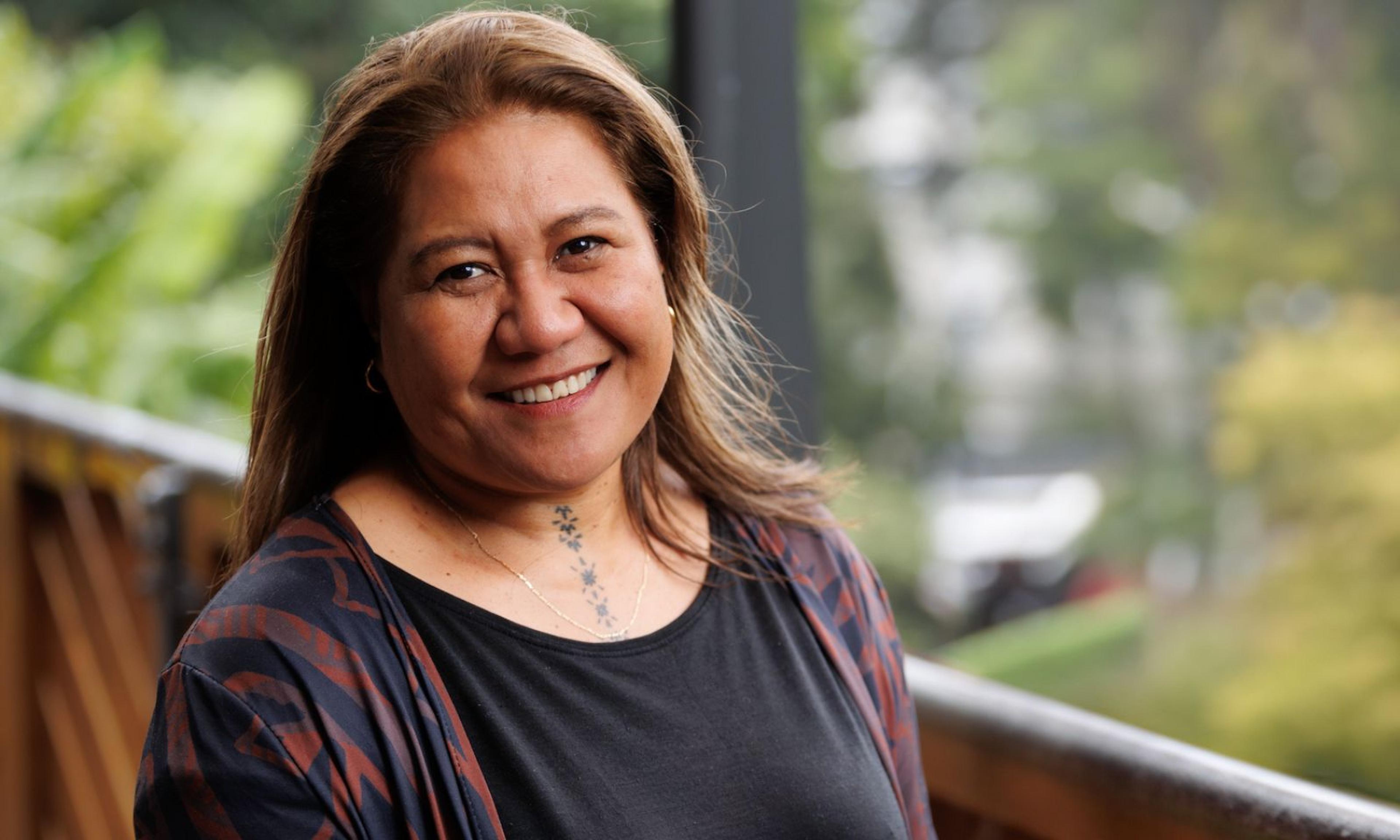
Professor Jemaima Tiatia-Siau says Pacific universities must move beyond access and take a leading role in shaping the region’s future.
Photo/Supplied
The region is not catching up. In many ways, it is already leading, writes Professor Jemaima Tiatia-Siau.

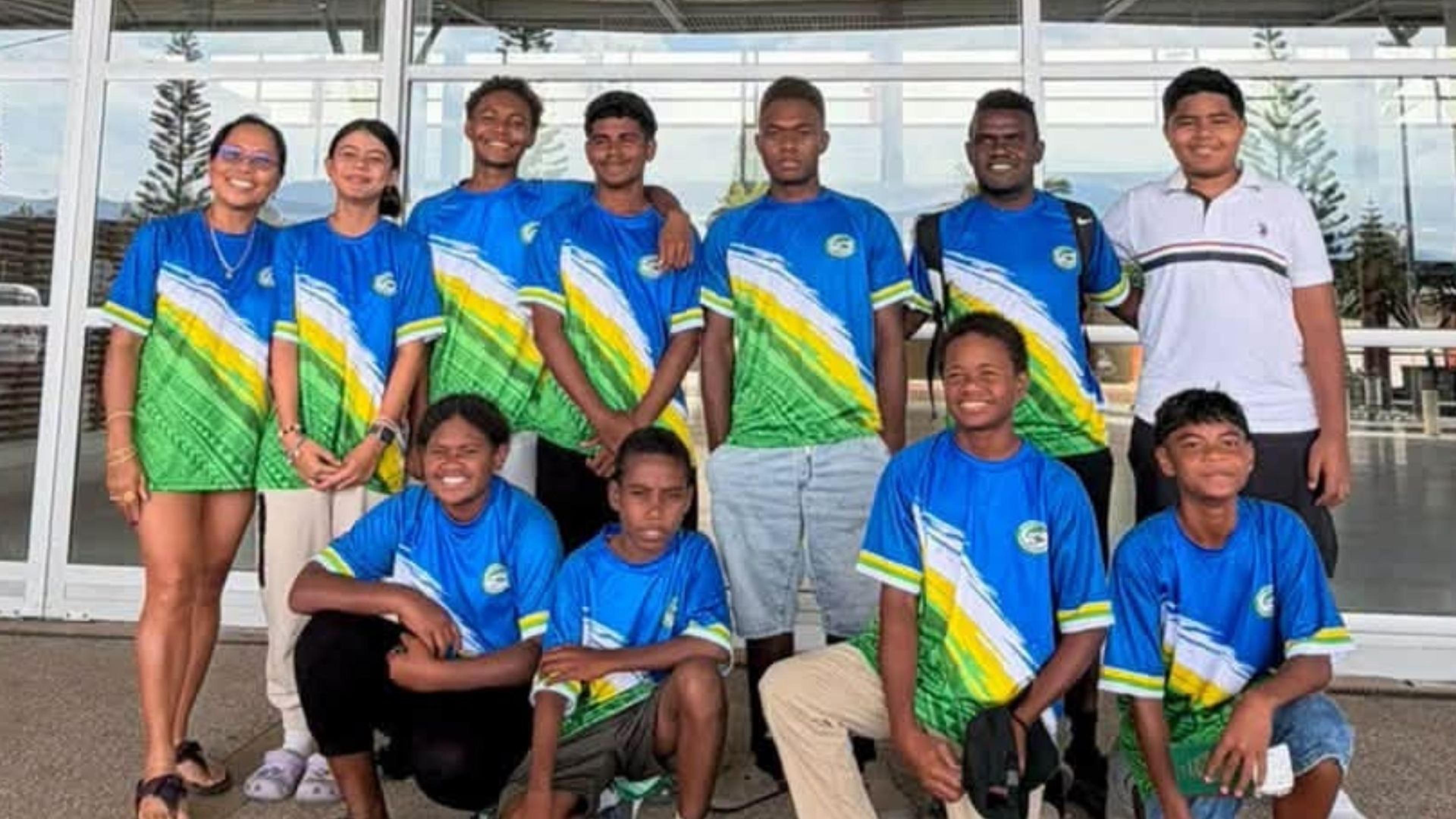


The Pacific, often described as the Blue Pacific Continent, is a vast ocean region defined by shared cultures, kinship, history, and responsibility.
Across the Blue Pacific, a quiet but important shift is unfolding. For example, Pacific universities, in many respects, are already exhibiting the qualities of what is now being described across higher education globally, as a ‘fourth-generation university’.
Institutions defined not only by teaching and research, but by real engagement and partnership with communities, governments and students; institutions that are globally networked, culturally grounded and rooted in social transformation.
Our region stands at the intersection of demographic change, with intensifying environmental pressures and rapid technological headway that will impact the next 50 years.
More than half of the Pacific’s population is under the age of 30. Climate change is altering our coastlines and economies. Digital technologies are
transforming how knowledge is created, shared and applied.
In the midst of these changes, one question stands out: what kind of universities does the Pacific century require? For much of the past half-century, the priority for higher education in the region has been
understandably around access.
Professor Jemaima Tiatia-Siau argues the Pacific is already leading in some areas and its universities should reflect that. Photo/https://www.usp.ac.fj
Expanding opportunities for Pacific students to attend university has been a critical focal point and has helped produce generations of leaders in government, business, justice, health and education. But access alone is no longer enough.
The scale of the challenges facing our region now requires that universities do more than just educate individuals. They must become
institutions that actively shape Pacific futures.
Universities are not purely bastions of knowledge transmission; they are anchors of our societies. They deliver the research that informs public policy, the innovation that guides economic development, and the
leaders who navigate complex regional challenges.
With this in mind, universities must play a key role in strengthening this collective future. Several priorities will define the next generation of higher education across the Pacific.
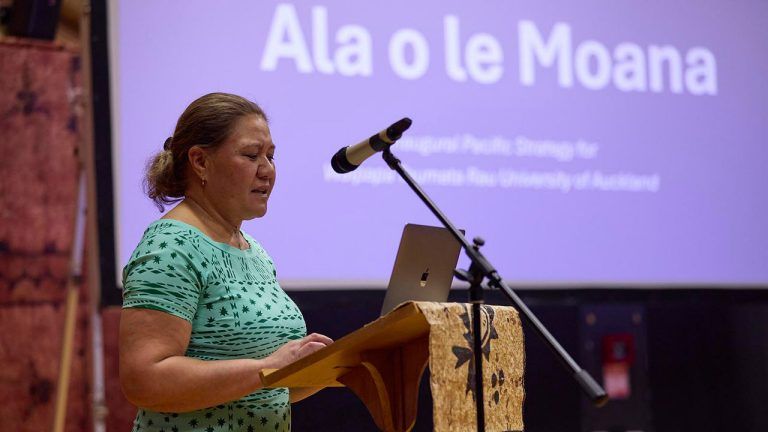
For Prof Jemaima Tiatia-Siau, the next step for Pacific higher education is clear: build leaders, not just graduates. Photo/Supplied
It is well-known that the Pacific’s greatest strength is its young people. In 2025, those aged 15 to 24 made up around 19 per cent of the population, making the Pacific one of the youngest regions in the world.
This is not a challenge but an opportunity. Global analyses have long pointed to the Pacific’s youthful population as a long-term source of growth - but only if education and skills systems can adapt quickly.
As the region’s population continues to swell, higher education institutions must grow opportunities for leadership development, innovation, entrepreneurship and professional skills. Universities must equip Pacific youth, not only with access to education, but also with confidence as innovators, problem-solvers, and decision-makers in their communities and beyond.
Climate resilience, ocean governance, health equity, indigenous knowledge systems and sustainable futures are not academic theories, they are the lived realities for Pacific communities.
Universities are uniquely positioned to generate knowledge that responds to these challenges.
By growing and strengthening transdisciplinary research and collaborations across nations, institutions and communities, Pacific universities can become global leaders in the study of oceanic and island futures.
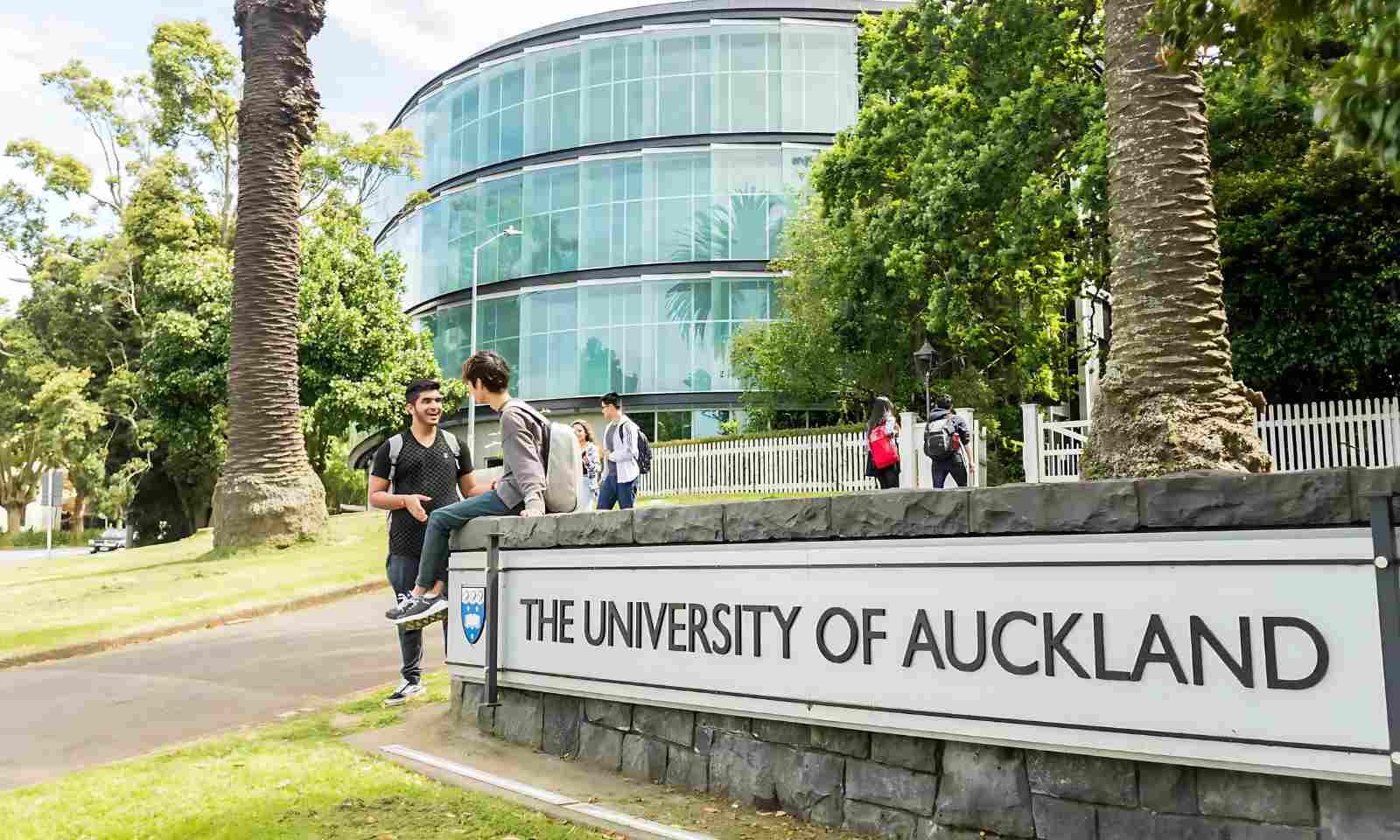
Pacific universities are evolving into institutions grounded in culture and community, writes Professor Jemaima Tiatia-Siau. Photo/Supplied
Geography has always shaped the region’s educational landscape. Students are spread across thousands of islands in the region, often far from major campuses.
Advances in digital learning technologies spawn opportunities to reimagine how education can be delivered.
Hybrid learning, online programmes and flexible pathways can diversify access while maintaining the cultural, relational and community connections that define Pacific education.
International partnerships are vital for bolstering scholarship, creativity and transformation. At the same time, the Pacific has its own rich intellectual and scientific traditions, ways of knowing, doing and being, and approaches of understanding community environments and wellbeing that have guided our peoples for generations.
Universities must ensure these are not peripheral but central to research that is both globally relevant and locally grounded.
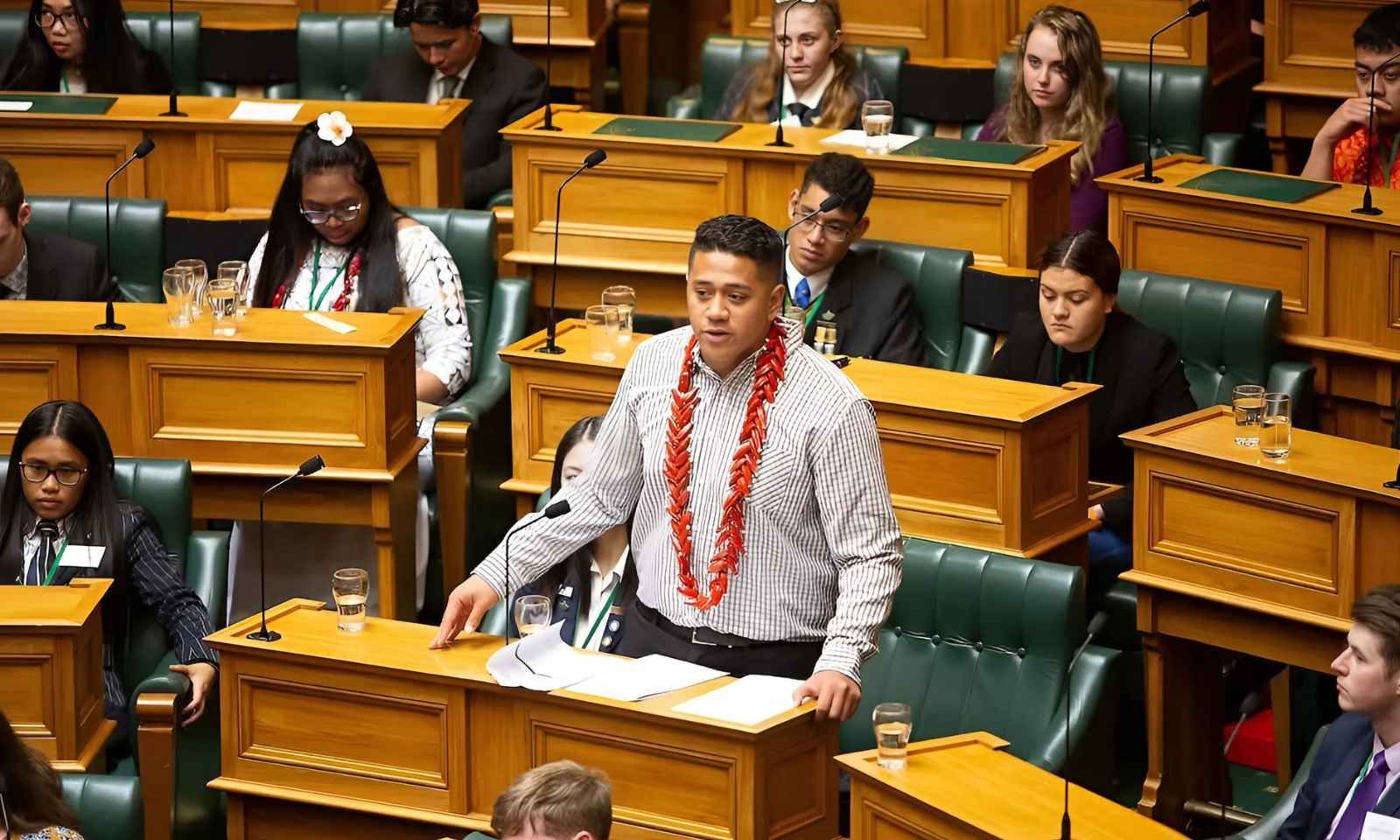
Professor Jemaima Tiatia-Siau says young people are the Pacific’s greatest strength and universities must invest in their future. Photo/NZ Parliament
For Pacific peoples, universities have served as spaces where communities imagine their futures and breathe life into what once seemed beyond reach.
Walking across the graduation stage has been the long-held dream of our
parents and ancestors, and in tribute and in honour of their legacies and endurance.
Universities foster the thinkers, teachers, creatives, doctors, engineers, scientists and leaders who mould our region, particularly through times of uncertainty.
They also carry a deep responsibility - to elevate the indigenous knowledge systems and ensure Pacific peoples lead the research, design, and solutions that affect their lives.
As the Pacific navigates the decades ahead, our universities must evolve to step up to the call.
They must be bold in their vision, inclusive in their mission, and deeply connected to the communities they serve.
If the Pacific century is to be defined by resilience, creativity, and leadership, our universities must stand at the centre of that journey - not only as places of learning but as institutions that help chart the course for the Blue Pacific Continent where their role will matter more than ever.
Professor Jemaima Tiatia-Siau is Pro Vice-Chancellor (Pacific) at the University of Auckland, a Sāmoan scholar specialising in Pacific health, mental health and wellbeing, suicide prevention, health inequities, climate change, and youth development, with extensive academic and governance experience. The views expressed here are hers and not PMN.