Online vault aims to return Pacific research to the community
Aui'a Vaimaila Leatinu'uWed, 21 Oct
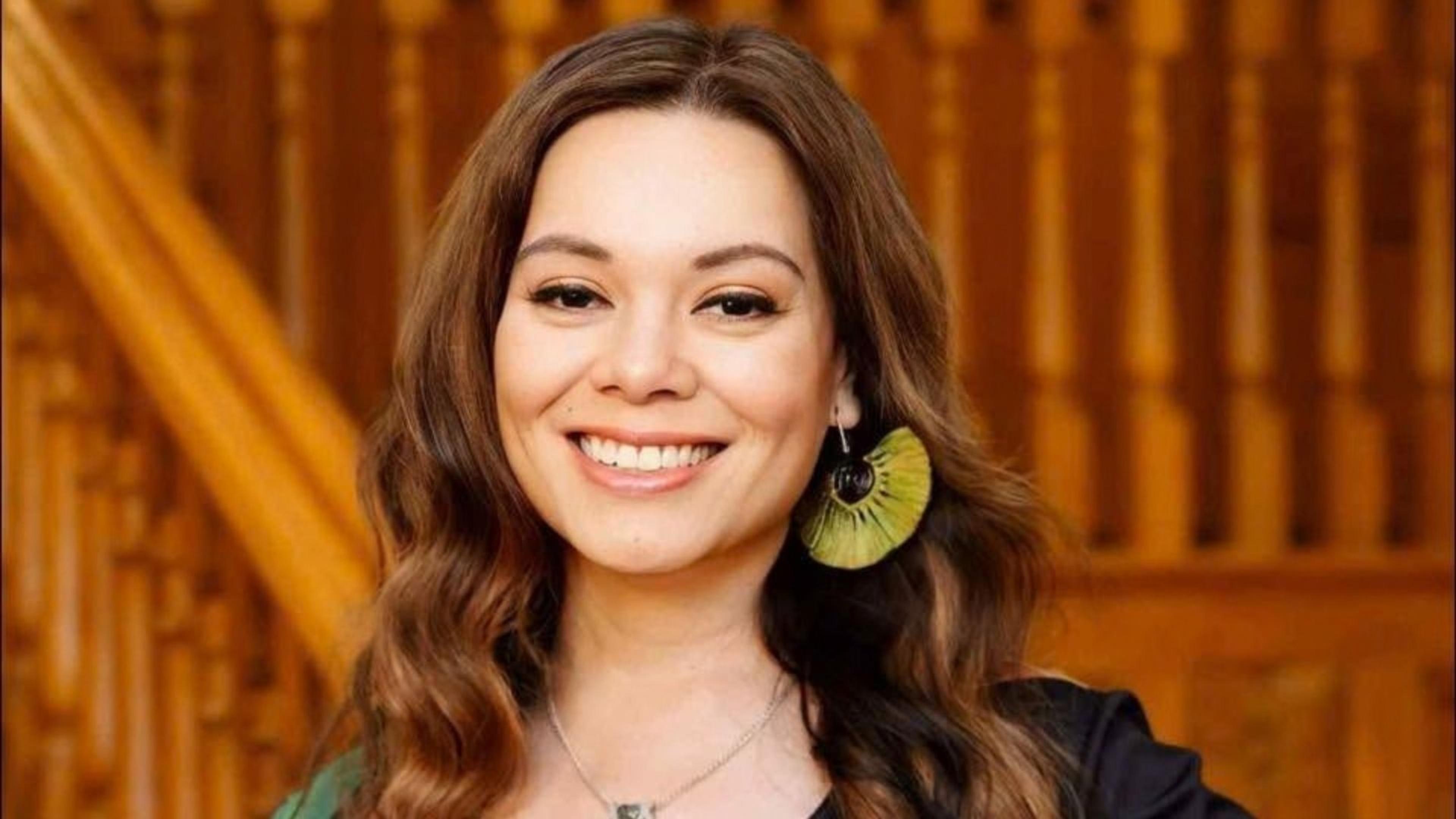
Pulotu Tupe Solomon-Tanoa’i, a former Broadcasting Standards Authority member, is writing in her personal capacity about the future of media regulation.
Photo/Facebook/Pulotu Tupe Solomon-Tanoa’i
Pulotu Tupe Solomon-Tanoa’i says important questions remain about what will replace the Broadcasting Standards Authority and what protections communities will have.
When I wrote for Pacific Media Network in May, the Government had just announced its intention to disestablish the Broadcasting Standards Authority (BSA).
I wrote then that this was about more than the future of one institution. It raised bigger questions about whose voices count, who gets heard when decisions are made, and what happens when communities lose one of the few places they can go to challenge harmful or unfair media content.
Four months later, legislation has now been introduced to disestablish the BSA. But important questions are still unanswered. First, it is worth being clear about where things stand. The BSA has not disappeared. The Bill has been introduced but it has not had its first reading and it is not law. The BSA remains fully operational until any new legislation comes into force.
The direction of travel may be clear. The future system is not. That is where I think our attention needs to turn.
I served on the BSA from 2021 to 2025 and throughout my term, the BSA itself had been calling for reform. The Broadcasting Act was passed in 1989. The way we consume media has changed beyond recognition since then.
The Government’s earlier media reform work proposed moving towards platform-neutral regulation - a system where similar professional media content is subject to similar expectations across television, radio and online.
So, the question for me is not whether reform is needed. It is whether we have properly worked out what comes next.
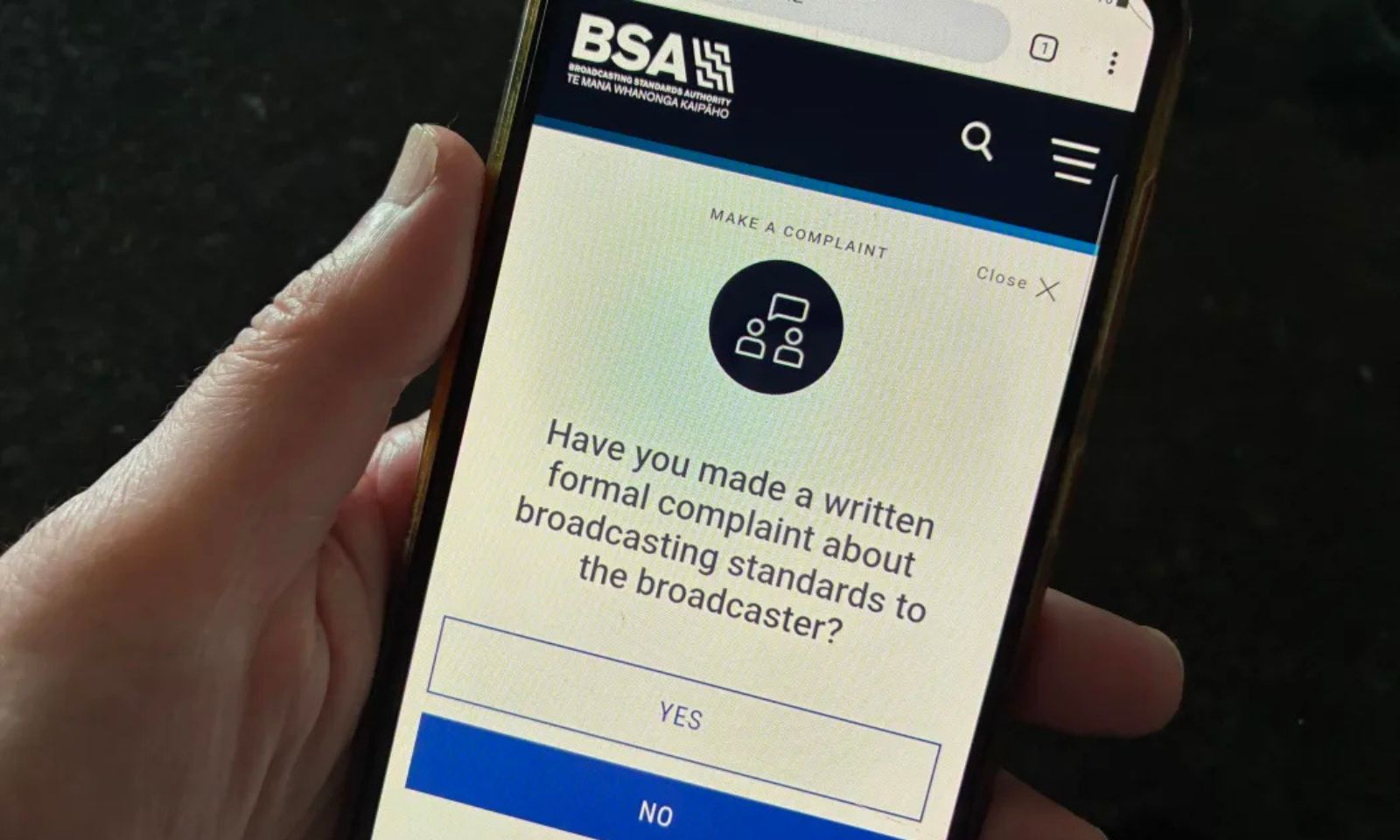
The Broadcasting Standards Authority remains operational while legislation to disestablish it makes its way through Parliament. Photo/RNZ/Nik Dirga
For Māori, Pacific and other communities, this matters because media harm is not a theoretical issue. We know what it is like when people talk about us without us and the effect of inaccurate, unfair or demeaning portrayals on how our communities are seen - and sometimes on how we see ourselves.
The BSA has provided a free and independent avenue for ordinary people to challenge broadcasting they believe has breached standards around accuracy, fairness, discrimination and denigration, and privacy. You do not need a lawyer or the resources to take a large media organisation to court. That accessibility matters.
So, for me, the important question is no longer whether we preserve an organisation called the BSA. It is whether those protections survive. Whatever replaces the current system needs to remain free, accessible and independent for ordinary people. Our communities still need somewhere credible to go when they believe media standards have failed.
Listen to Pulotu Tupe Solomon-Tanoa'i's full interview on Pacific Mornings below.
The Government’s proposed direction is greater industry self-regulation. The Bill says responsibility for standards and complaints would move to industry, including through bodies such as the New Zealand Media Council.
Self-regulation can work. It already plays an important role in Aotearoa's media landscape. But it does not answer every question. What happens if a media organisation chooses not to participate? Will every major professional media organisation be covered? What remedies will be available? How will an expanded system be funded?
Earlier policy work considered some of these questions including a model with industry bodies handling complaints first and an independent regulator as a backstop.
That does not mean that model was necessarily the answer. It does show there are options between preserving the current BSA and simply removing the statutory layer of regulation. Those options deserve proper consideration.
The proposed changes could affect how members of the public raise concerns about media content and seek remedies when they believe standards have been breached. Photo/aucklife.co.nz
Process matters too. There was public consultation on earlier proposals to modernise media regulation. But officials have since recorded that no public consultation was undertaken on the specific proposal to repeal the broadcasting standards regime before this Bill was introduced.
If the Bill proceeds in the next Parliament, passes its first reading and goes to select committee, that will be an important opportunity for public input. Māori, Pacific and other communities should be part of that conversation.
The people affected by media standards should have a voice in designing the system that replaces them. It should not just be a discussion between government and media organisations about what is administratively convenient.
We should be asking whether the new system will work for a Māori whānau who believes they have been unfairly portrayed. For a Pacific family challenging inaccurate reporting. For a migrant community confronted with harmful stereotypes. For any ordinary person who looks at something broadcast or published about them and thinks: Surely there is somewhere I can go about this?
Watch BSA chief executive Stacey Wood's full interview on Pacific Mornings below.
A free and independent media is essential to democracy. So is accountability. Those ideas are not in conflict.
Institutions should change when the world around them changes. But removing one part of the system is not the same thing as reforming it.
The really important work now is getting the replacement right and ensuring the protections for our communities remain.
Pulotu Tupe Solomon-Tanoa’i is an executive leader and legal professional. She served on the Broadcasting Standards Authority from 2021 to 2025 and is the host of the chat show 'Talanoa with Tupe'. She is a recognised advocate for diversity and inclusion in New Zealand governance.