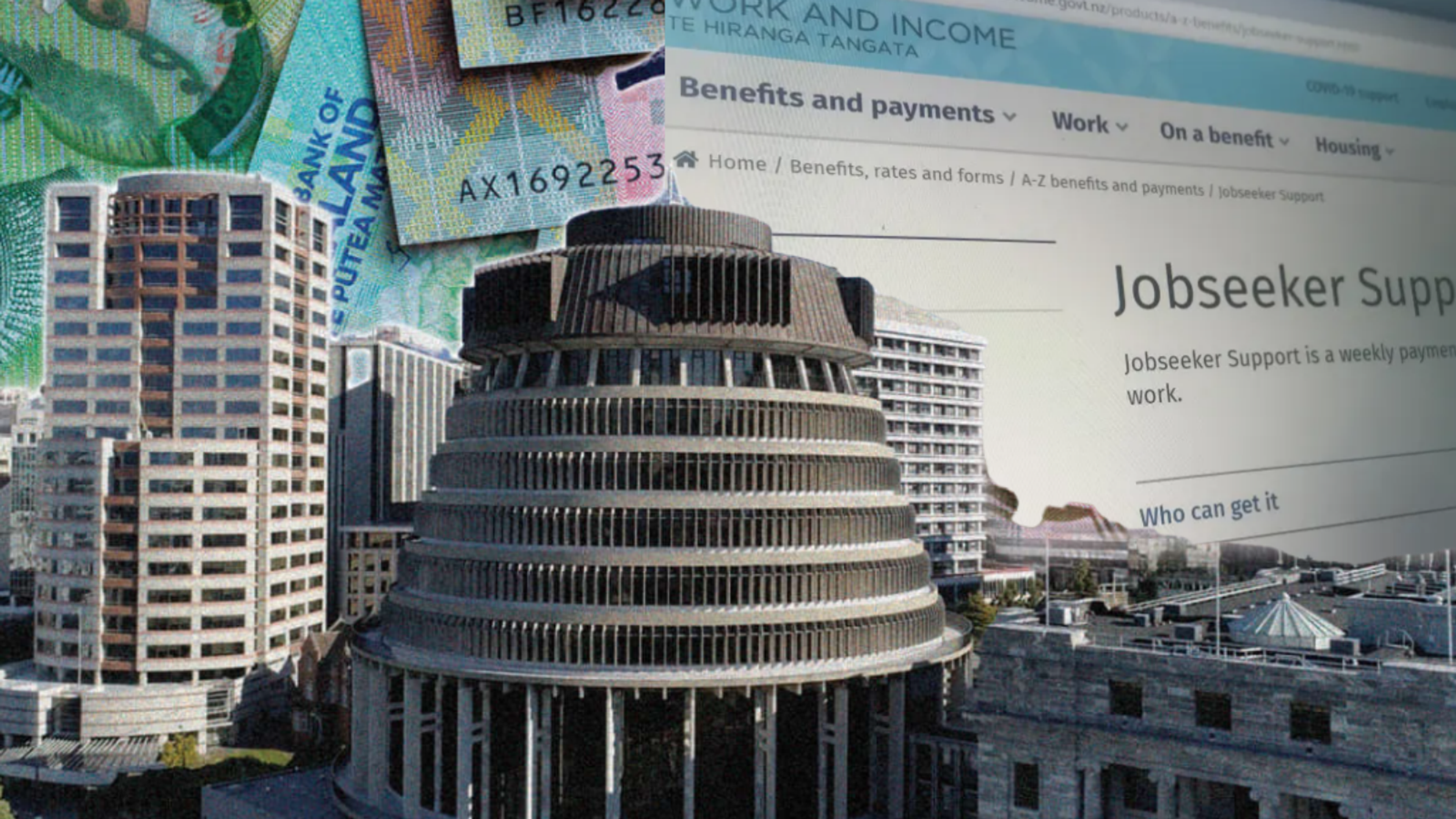
Christopher Luxon and Chris Hipkins were asked whether it was morally acceptable for one person to be a billionaire. Neither gave a yes-or-no answer.
Photo/PMN News/Composite
Opinion
NZ's billionaires and beneficiaries: Bashing a path to the ballot box?
As politicians turn our attention to two groups, who is held accountable for the systems governing both?

Thomas Tarurongo Wynne
Published
09 October 2026, 11:45pm
Share
Copy Link
Top stories
'Don't count yourself out': Porirua by-election candidate’s push for voter participation
Taelegalolo'u Mary AfemataFri, 09 Oct

Deep sea mining could give investors a legal route to challenge climate action - experts
Christine RovoiThu, 08 Oct
Top stories
'Don't count yourself out': Porirua by-election candidate’s push for voter participation
Taelegalolo'u Mary AfemataFri, 09 Oct
Deep sea mining could give investors a legal route to challenge climate action - experts
Christine RovoiThu, 08 Oct
Across Pacific families, wage earners, business owners, carers and people receiving support are not necessarily separate groups. They may live under the same roof. This week, the election campaign turned to two groups: billionaires and beneficiaries.
On Tuesday, at a leaders debate, host Jack Tame asked Christopher Luxon and Chris Hipkins whether it was morally acceptable for one person to be a billionaire. Luxon spoke about equality of opportunity. Hipkins spoke about people having the opportunity to get ahead. Neither gave a yes-or-no answer.
A day later, Green MP Tamatha Paul did. She said being a billionaire was immoral because billionaires did not get there alone and drew on public infrastructure and government grants. “I’m not saying they should not exist altogether,” Paul says. Her argument is that they should pay their fair share of tax.
Former Prime Minister Sir John Key, speaking at the same debate, called the question put to the leaders “nuts”. He says successful businesspeople should be celebrated in the same way as sportspeople and artists. The NBR Rich List estimated Key’s wealth at $60 million in 2016.
On Thursday, National turned to the other group; beneficiaries. At the end of June, 218,481 people were receiving Jobseeker Support. If re-elected, National will introduce random drug testing for them from next year, with 10,000 tests in the first year.
A first failed test would be recorded. A second would trigger a clinical alcohol and drug assessment.

If re-elected, National will introduce random drug testing for them from next year, with 10,000 tests in the first year. Photo/Wikipedia
From 1 April 2028, people who have received Jobseeker Support for two of the previous three years would move to a lower rate. The reported cut is $48 a week for a single person without children and $24 for those with dependent children. National expects the lower rate to save $572 million over four years.
“We want every Kiwi on Jobseeker to be ready to take up available jobs,” National social development spokesperson Louise Upston says.
The Greens and Labour reject the policy. Green Party co-leader Marama Davidson calls it “lazy beneficiary bashing” and says National has no plan to create jobs. Labour campaign chair Kieran McAnulty, a former Work and Income case manager, calls the idea “frankly rubbish” and says National is kicking beneficiaries to lift its polling.
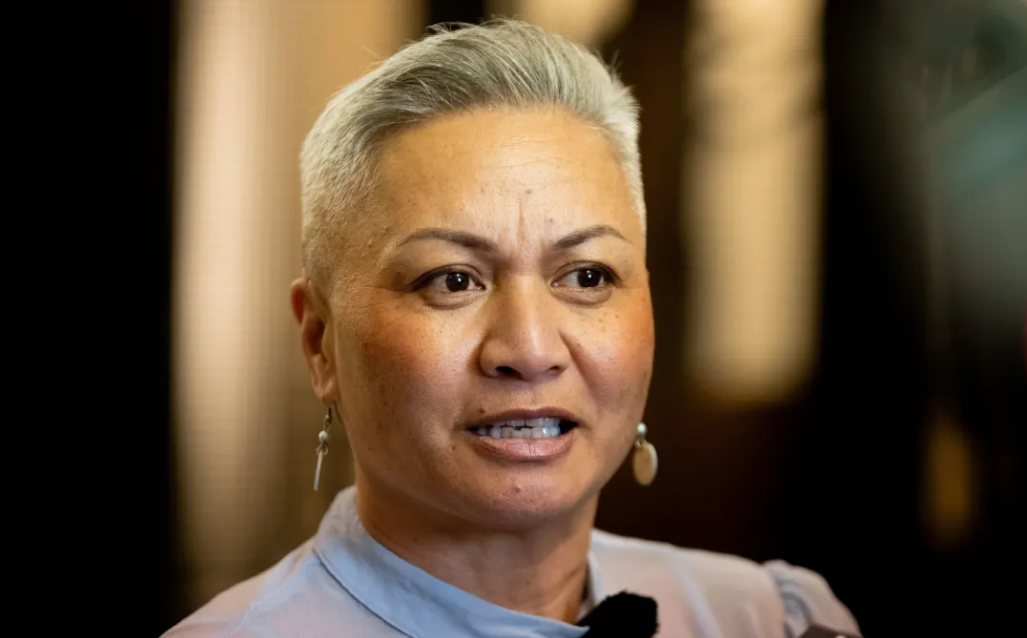
Green Party co-leader Marama Davidson calls it “lazy beneficiary bashing” and says National has no plan to create jobs. Photo/RNZ/Baz Macdonald
NZ First also opposes the drug testing. Its leader, Winston Peter, says it “borders on fascist behaviour”. ACT leader David Seymour backs the testing but prefers his party’s plan to put beneficiaries on electronic income management.
Beneficiaries are not synonymous with benefit fraudsters, and billionaires are not synonymous with tax evaders. Receiving support is not evidence of dishonesty, nor is having wealth evidence of wrongdoing.
In 2023, Inland Revenue studied 311 wealthy families and measured their economic income, including unrealised capital gains. Their median effective tax rate was 9.4 per cent when GST was included. Treasury estimated a comparable rate of 20.2 per cent for middle-wealth New Zealanders.
That research was commissioned under a Labour-led government. Labour now proposes a capital gains tax on investment and commercial property to help fund healthcare. National opposes one. The Greens propose taxing very high wealth. ACT argues the Government should encourage enterprise and wealth creation while keeping taxes and public spending down.
Professor Lisa Marriott, of Victoria University of Wellington, compared New Zealand, Australia and the United Kingdom in 2024. She found all three put proportionately greater resources into criminal prosecutions for benefit fraud, despite its far smaller financial impact.
Meanwhile, successful benefit fraud prosecutions fell from 594 in 2015/16 to 63 in the year to June 2020, while Inland Revenue brought 58 tax prosecutions in 2019/20.
But prosecution figures alone do not tell us how much fraud occurs, how much goes undetected or whether enforcement is adequately resourced. They do raise a question about where governments direct their attention and resources.
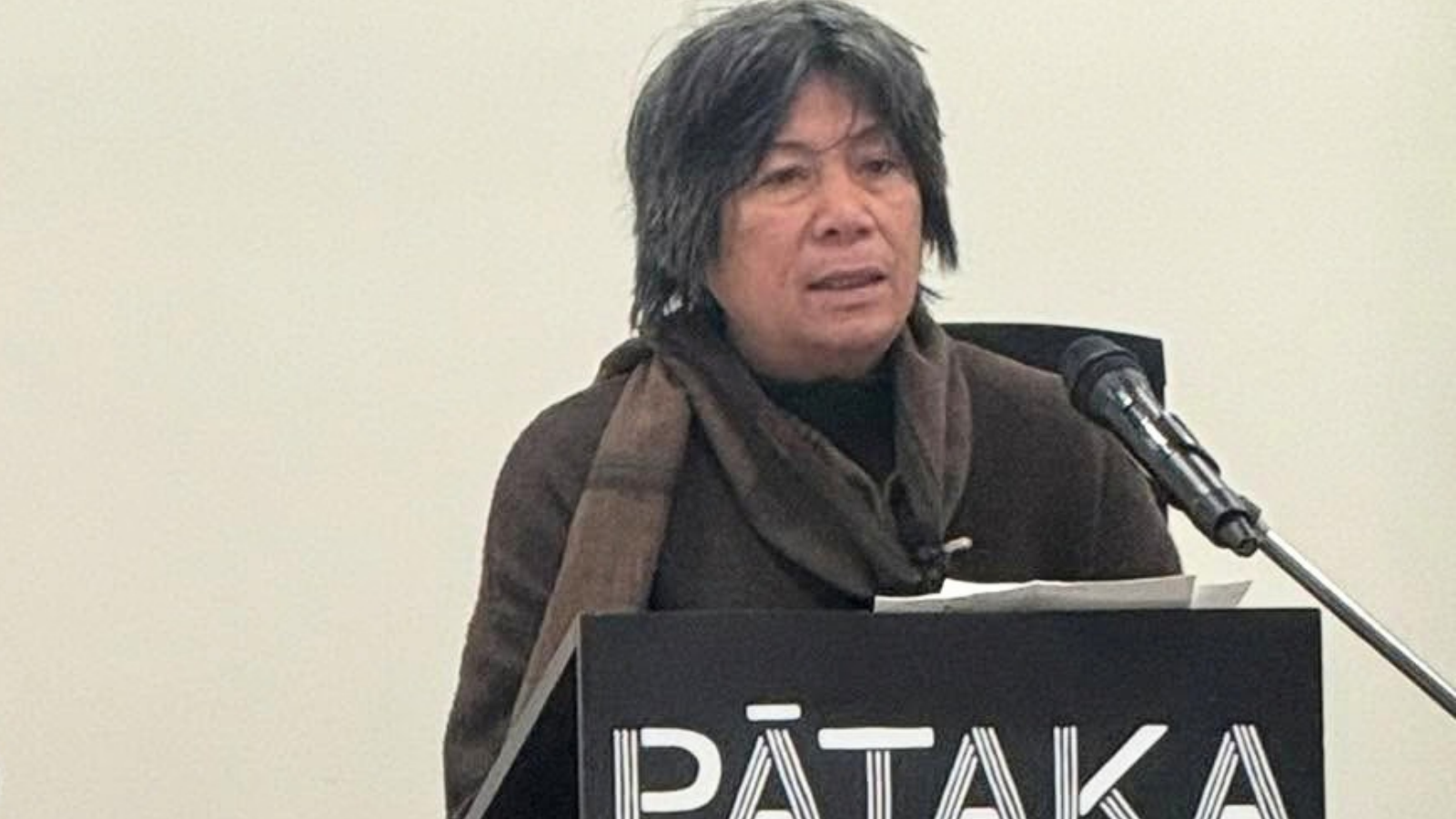
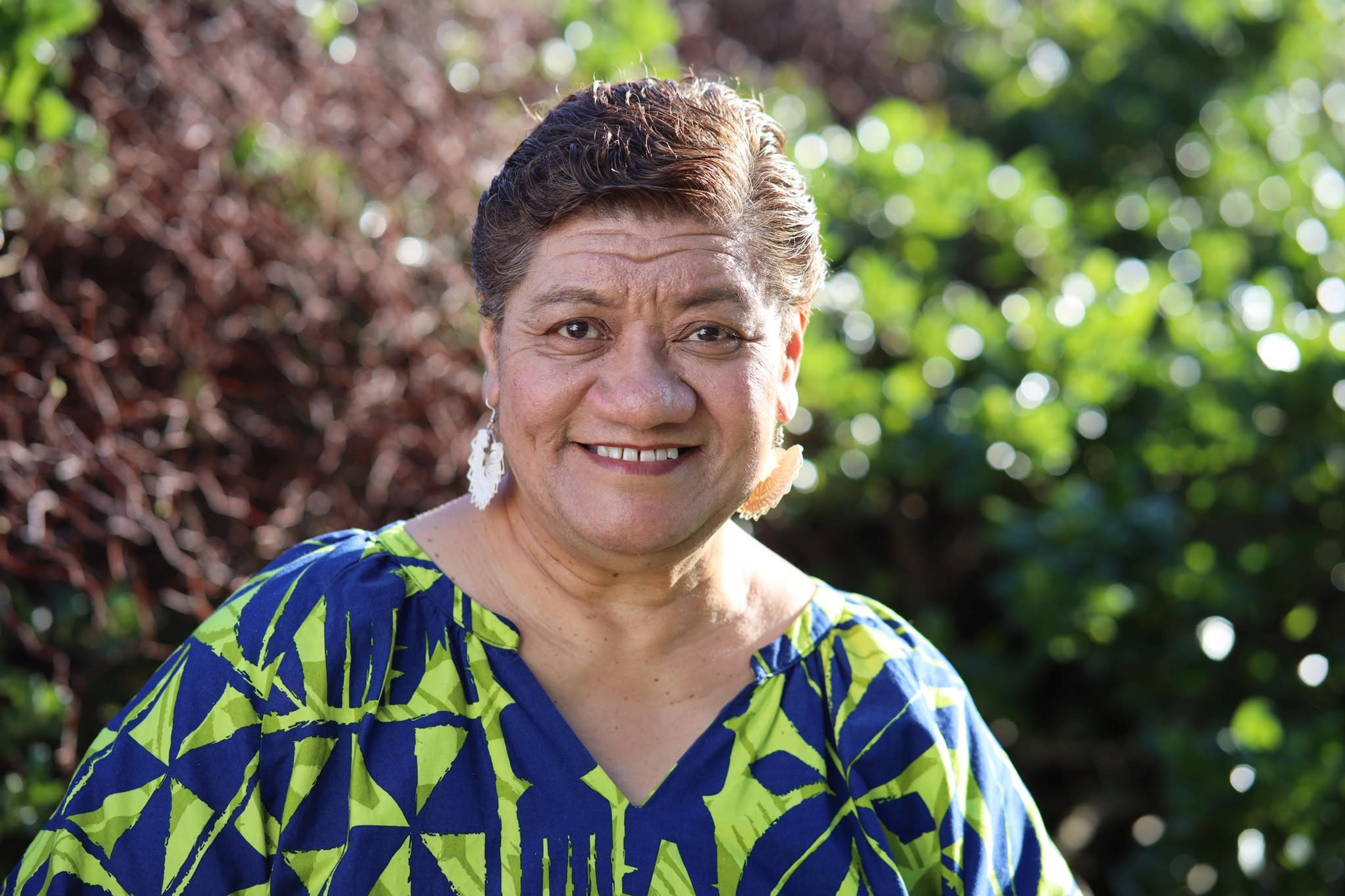
Dr Luatupu Ioane-Cleverley put the challenge to political parties plainly: “We don’t want promises, we want policy.”.Photo/PMN News/Thomas Tarurongo Wynne
Behind those figures are decisions about what to tax, whom to investigate and how enforcement is funded. Successive governments have written the laws, set the rules and allocated the resources.
When those systems produce unequal outcomes, how much responsibility belongs to the people operating within them, and how much belongs to those who designed them?
At the Pacific Symposium on Voting, Dr Luatupu Ioane-Cleverley put the challenge plainly: “We don’t want promises, we want policy.”
Policy means choices about legislation, budgets, staffing and delivery. It also means telling the public what success will look like, and accepting scrutiny when it falls short.
If the people living within the system must answer for their actions, whether they are billionaires or beneficiaries, should those who govern it not answer for their decisions too?
Enrolment closes at midnight on Sunday 25 October. Advance voting begins on Monday 26 October, and election day is Saturday 7 November.