‘Do we really matter?’ Pakilau warns of rugby ‘death spiral’ as Moana Pasifika exit looms
Christine RovoiMon, 04 May
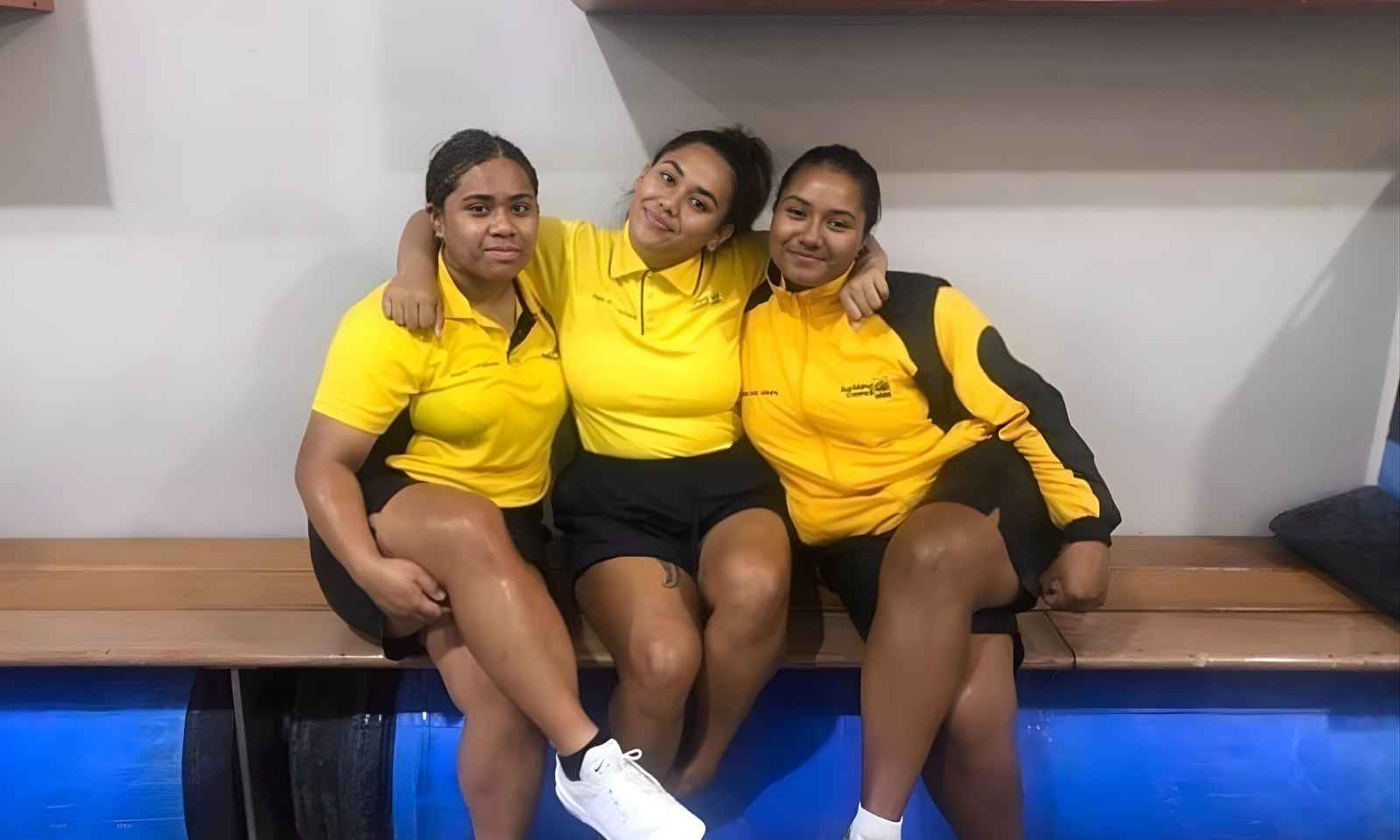
At right, I am pictured here with two of my colleagues: Paige (left) is still one of my closest friends.
Photo/Supplied
A teenage lifeguard job in South Auckland became an unexpected education in inequality, responsibility, and the power of free spaces for PMN Political Reporter Ala Vailala.


At 16, I got my first job as a lifeguard at the Māngere pools. I’d seen an advert at my local library and, after weeks of unsuccessful attempts applying for retail and fast-food jobs, I figured I had nothing to lose.
With the help of my dad, I passed the swim test: a 200-metre swim under six minutes, an object retrieval from the bottom of a two-metre pool, and treading water for five minutes.
In less than a month, I became a qualified lifeguard and was heading onto the poolside with the heroic duty of saving someone’s life, plus maintaining the facility. A fancy way of saying we scrubbed the toilets, cleaned floors, emptied rubbish bins, and vacuumed the pools.
Māngere was my home, and there was a real sense of pride in giving back to a community I’d grown up in. During my time there, I’d bump into friends from primary school, relatives, and church members.
What I’d also bump into was a big reality check.
I was fortunate to grow up in a home where things many saw as privileges were just normal for me: a loving family, food on the table, toys, a safe space to play, yearly trips overseas, and Christmas presents. I was blessed.
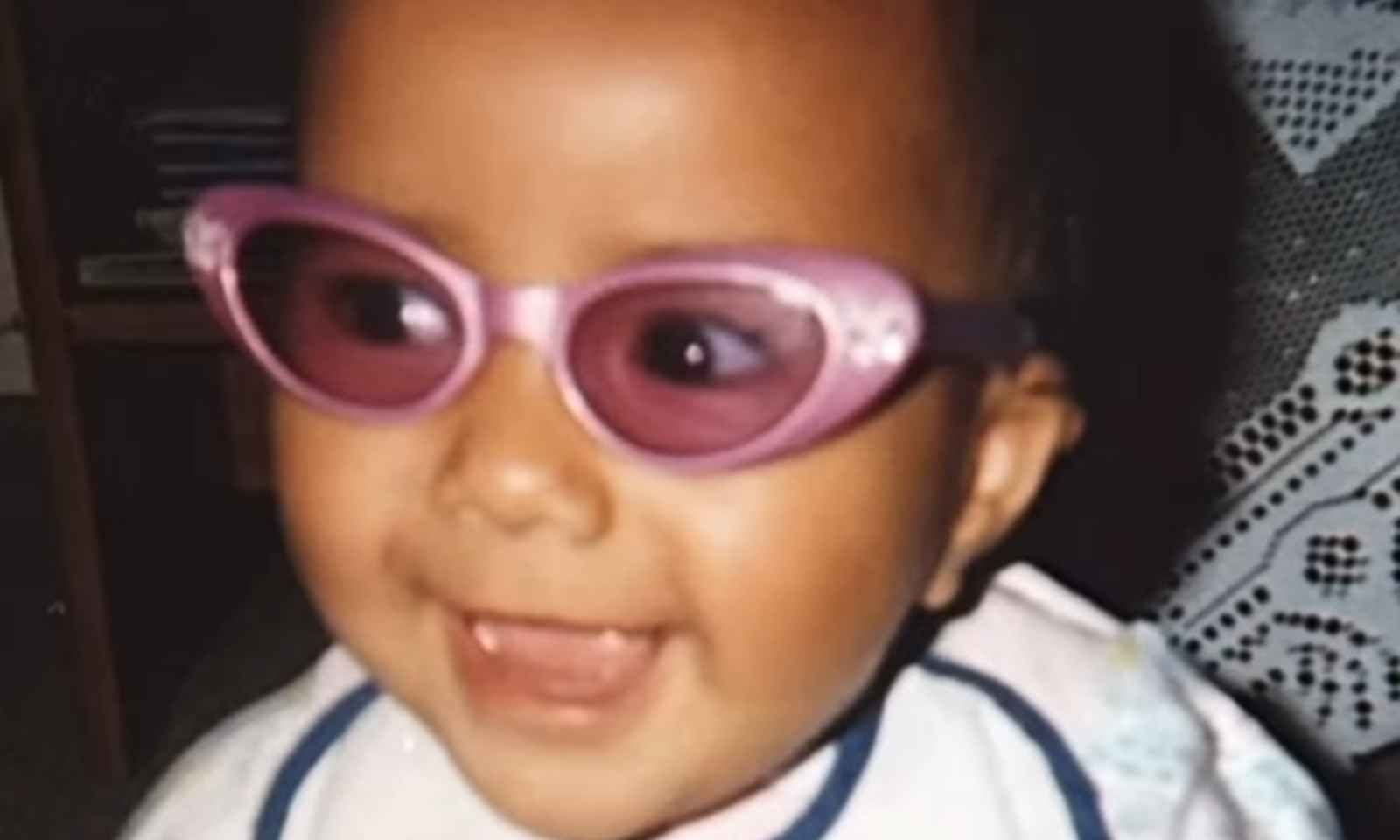
I think I was a year old in this photo and no bias here but I was the CUTEST baby. Photo/Supplied
On my first shift as a lifeguard, I had to deal with a mother who was under the influence of drugs, trying to shove her daughter down the toilet.
I still remember the horrified look on her daughter’s face. She couldn’t have been more than five years old, and I could tell it wasn’t the first time something like that had happened to her.
I was the most senior lifeguard on duty. It was a Saturday and the pools were packed. It was my first encounter with something like that, and I didn't realise then how many more were still ahead of me. Thankfully, a receptionist called the police and the situation was handled.
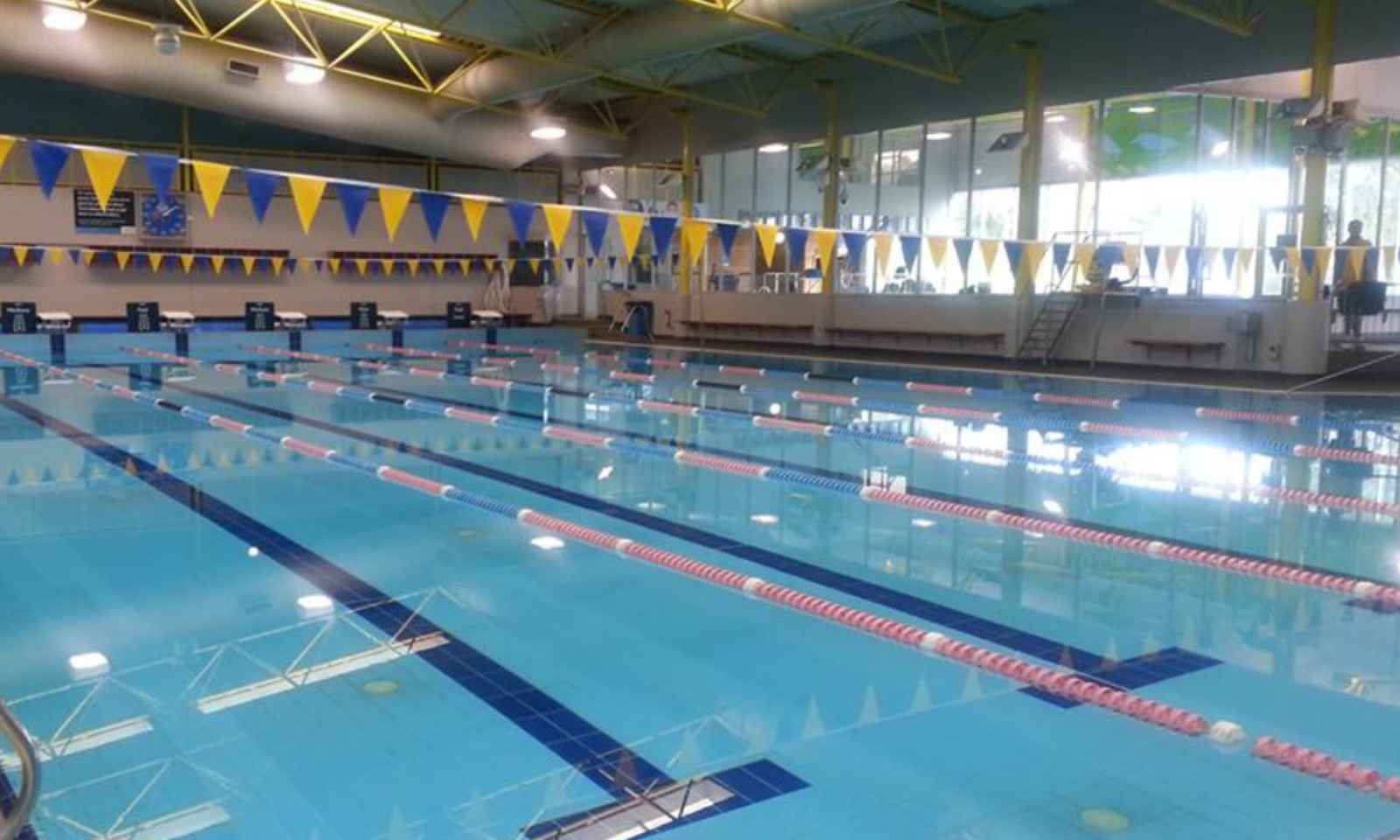
The indoor pool facility where the incident occurred. Photo/Supplied
That same day, someone also defecated on the floor and I had the honour of cleaning it up.
I remember being picked up from that shift feeling like a completely different person to who I was eight hours earlier. Little did I know that’d be the first of many.
Most of the experience was good, but during my three years as a lifeguard, the only people I ever had to save were, sadly, children who were often unsupervised and sometimes alone.
A glimpse of the outdoor facility below.
One occasion sticks with me: a young boy was rescued from the water unconscious by a stranger. I was the second responder. His little body lay black and blue on the side of the pool, an audience gathering around and, even more disappointing, no family rushing to check on him.
We were his lifeline and after a few attempts at CPR, he regained consciousness.
His being unconscious wasn’t the saddest part. It was what happened after. We had to go looking for his family, who were only a few metres away from where he’d almost died. When told what had happened, they didn't seem to care. They just carried on with their day.
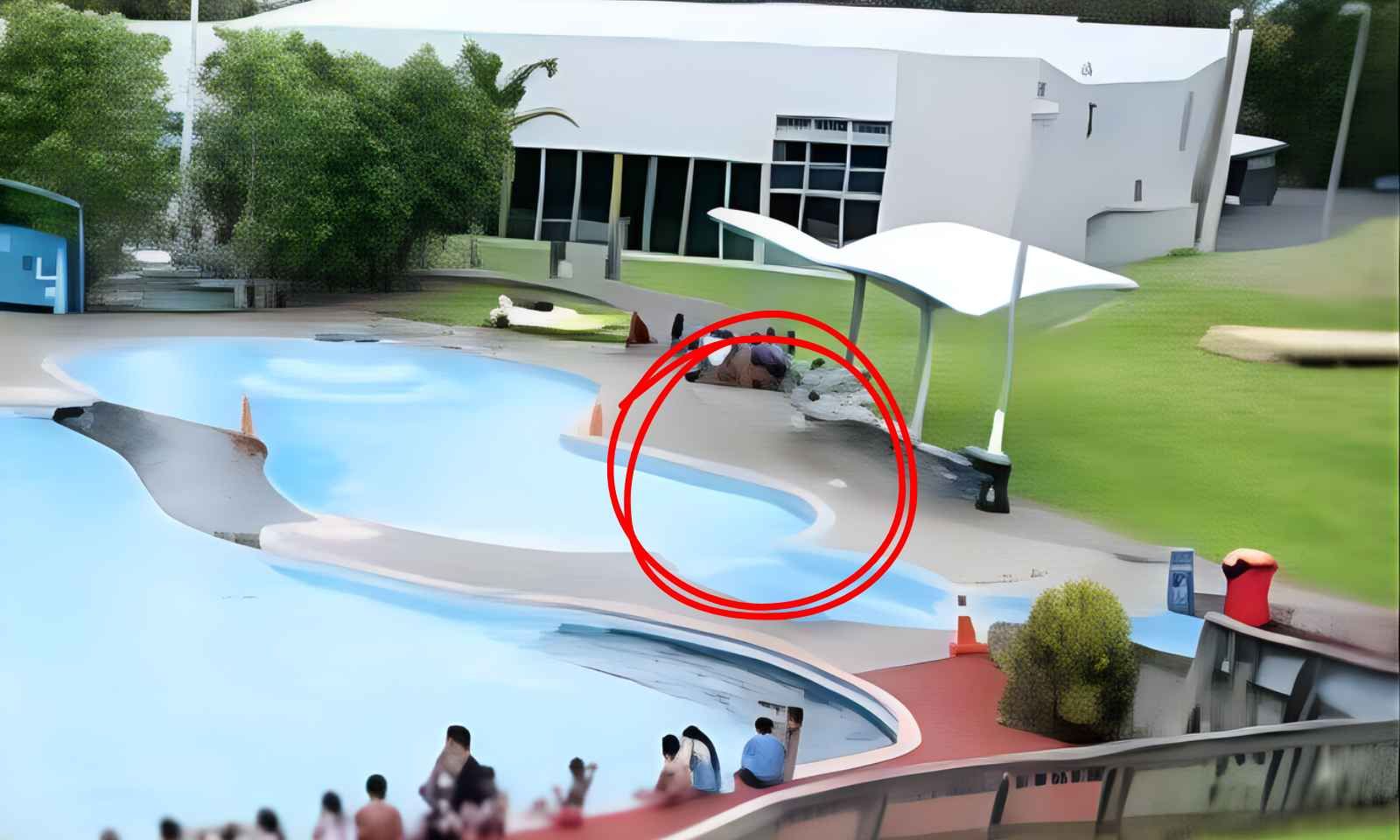
The red circle marks the place where the young boy laid lifeless on the poolside. Photo/Supplied
These are only two of the experiences that opened my eyes to the inequities within my community, things I’d often never paid attention to. They also highlighted why keeping facilities like this free is so important.
Children who might otherwise be getting into trouble had somewhere to be, somewhere without drugs or alcohol. Parents who couldn’t afford expensive holidays during Christmas and New Year could still give their children a day out where they could play and simply be children.
The pools were more than leisure. They were a lifeline.
Although my time as a lifeguard is long behind me, I couldn’t pass the swim test now even if I tried. The lessons still weigh heavily on my mind in my current job as a political reporter.
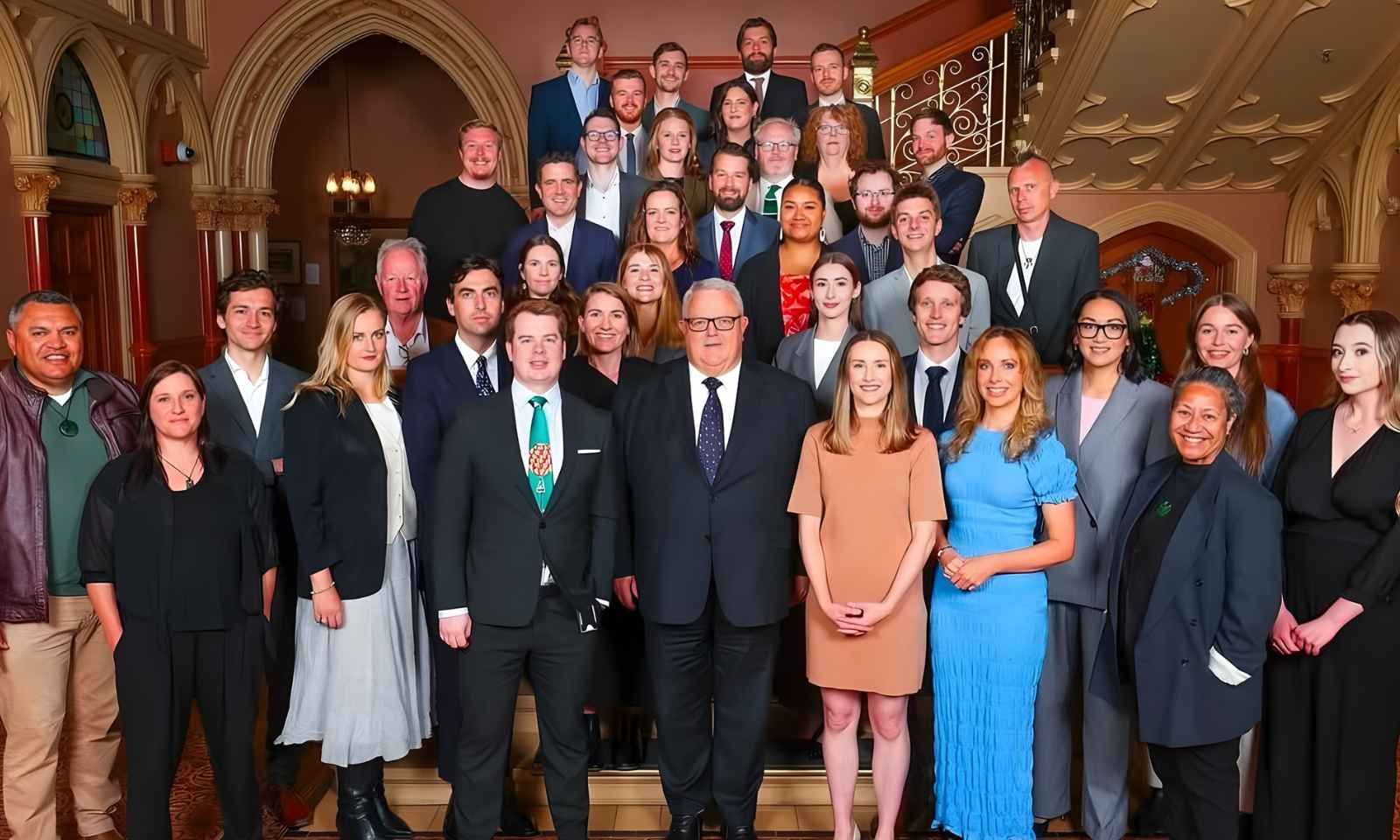
Press Gallery photo 2024. Photo/Supplied
When I sit in rooms with some of the country’s most powerful people, announcements, policy changes, and statistics are more than words on paper.
I see the real consequences in them, especially for suburbs like Māngere.
I think about the five-year-old girl in the bathroom, the boy lying lifeless on the poolside, and the children who found safety in our facilities because they were free and open.
Becoming a lifeguard at the age of 16 became more than just getting a job. It gave me a window into the realities many families face and a reminder of what keeps our communities going.