
‘He gives us genuine flexibility’: Fainga’anuku returns to All Blacks
Latonya LoleTue, 27 Oct
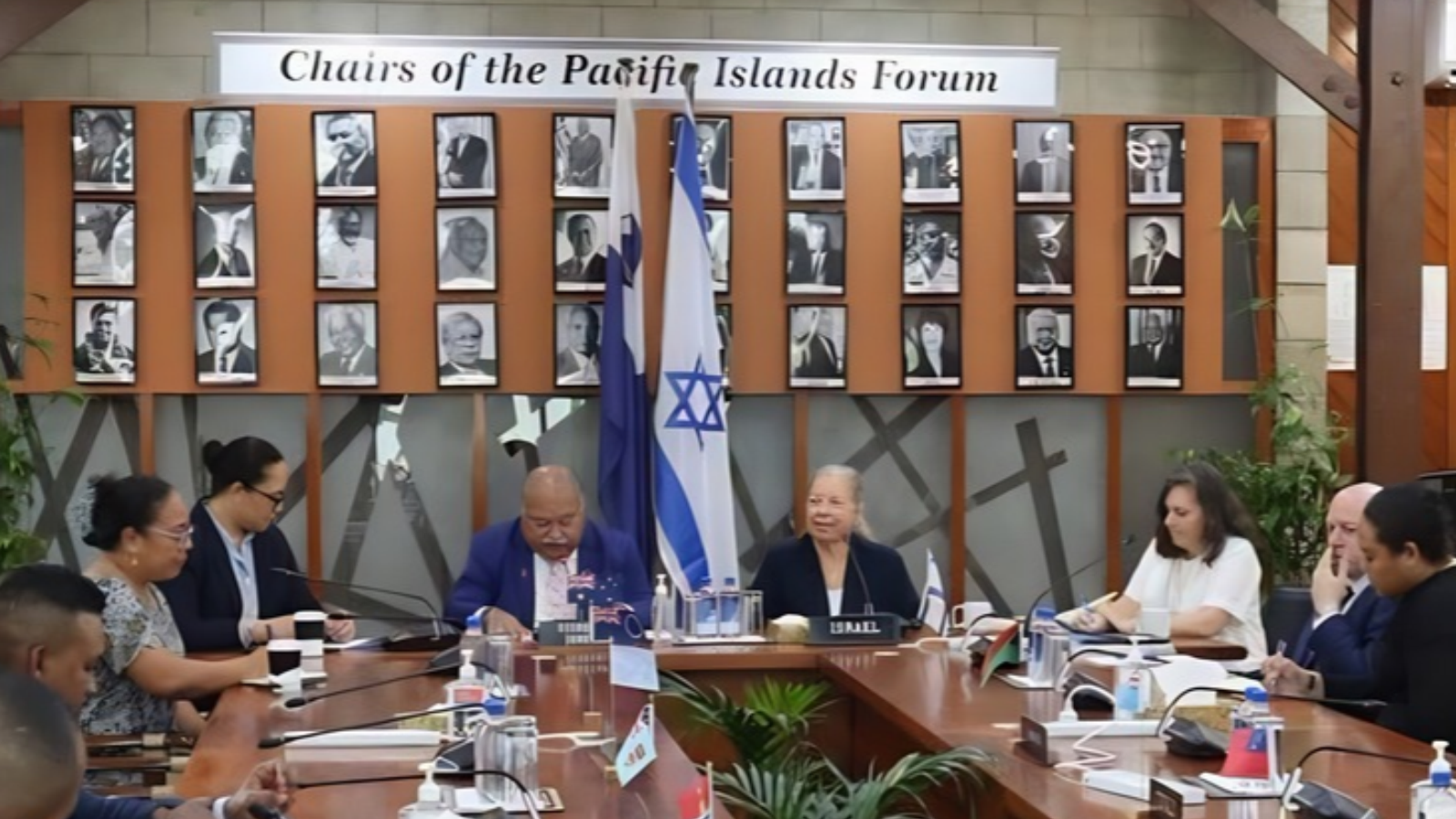
Last week Israel announced it had been accepted as a second-tier, sectoral partner of the Pacific Islands Forum. Participating in a framework for cooperation in areas of mutual interest,” including water, agriculture and climate change.
Photo/Pacific islands Forum
As Israel’s new partnership with the Pacific Islands Forum draws sharply different reactions, what does self-determination mean when Pacific people disagree?

Last week Israel announced it had been accepted as a second-tier, sectoral partner of the Pacific Islands Forum. Its Foreign Minister, Gideon Sa’ar, said Israel would “participate in a framework for cooperation in areas of mutual interest,” including water, agriculture and climate change.
Across our communities, reaction has been swift and sharp. And how often are these reactions framed as either-or: for or against, faith or freedom, sovereignty or solidarity, colonised or decolonised? But what if the answer lies not in either-or, but in and-and?
The late writer and anthropologist Epeli Hauʻofa rejected the idea of our islands as small and dependent. “Oceania is us. We are the sea, we are the ocean,” he wrote. But is there room in that vast Oceania for Pacific people to see the world differently?
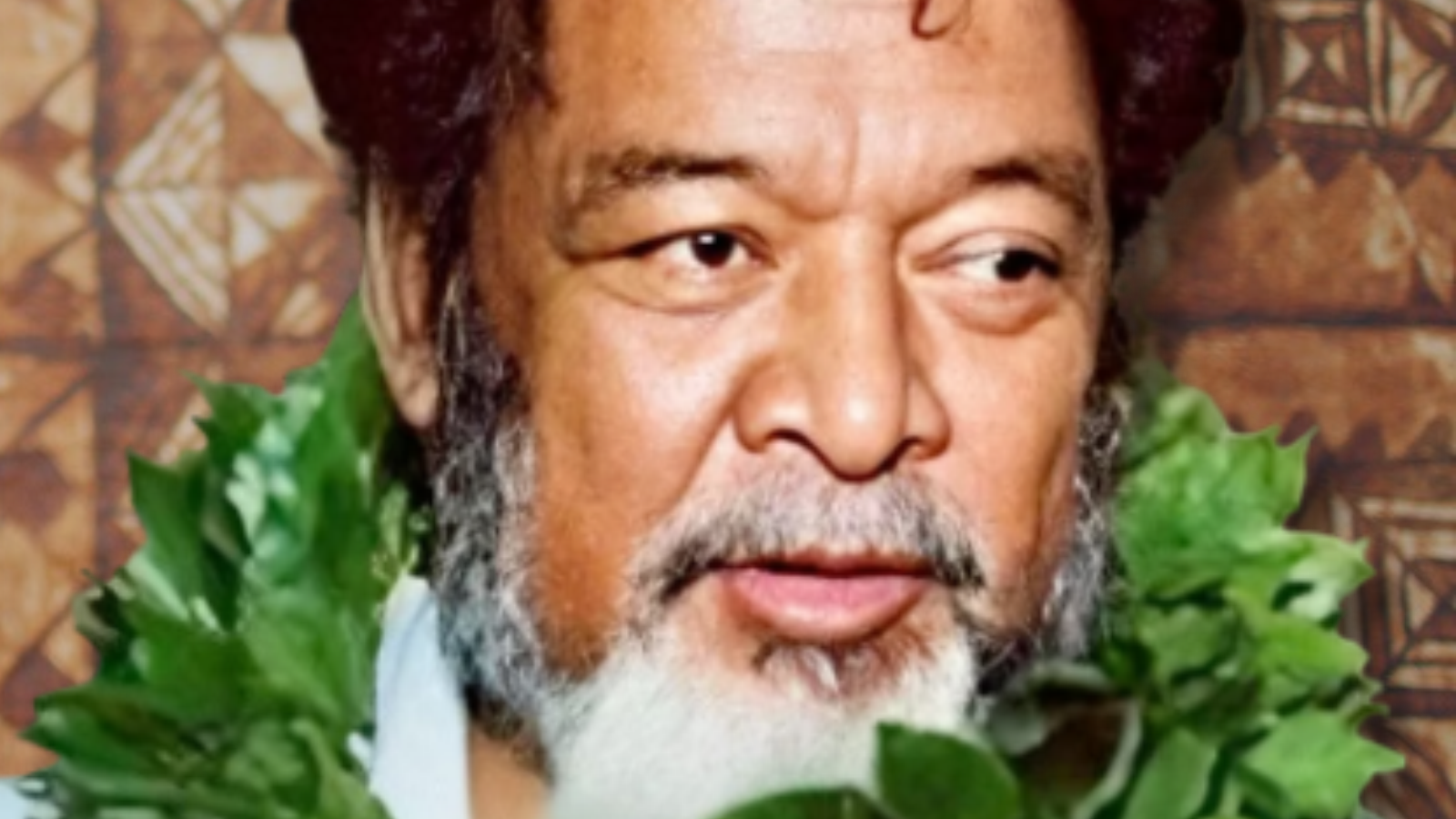
The late writer and anthropologist Epeli Hauʻofa rejected the idea of our islands as small and dependent. “Oceania is us. We are the sea, we are the ocean,”. Photo/Taparau.org
Our Avaiki Nui (Cook Islands) Māori language may offer a way through. Uriuri’anga is a vigorous discussion, the back and forth in which ideas are tested and contested. It can be likened to a rope pulled taut between people who refuse to let go of their convictions, but who recognise the mana of the person holding the other end.
Between the two ends lies the vā, the sacred relational space between us. The tension runs through it, but it is the vā, and its mana, that we are responsible for keeping whole.
So who is holding the rope? Fiji’s Deputy Prime Minister, Viliame Gavoka, has told RNZ Pacific: “The entire Pacific Islands identify with Israel in ways many would not understand. It’s biblical and ageless and real.” Adding that “the relationship with Israel is timeless, whereas with others, it’s largely geopolitics.”
When Naoero opened its embassy in Jerusalem in September, Vice-President Lionel Aingimea said: “True friends stay consistent through both good times and hard trials, and that is who Naoero is to Israel.”
New Zealand’s Foreign Minister, Winston Peters, has called criticism of the leaders’ decision an “insult” to Pacific nations.
Pulling the other way, the Pacific Conference of Churches wants the partnership reviewed and engagement with Israel suspended. Its General Secretary, Reverend James Bhagwan, has said “we cannot talk about the suffering of one community only without ignoring what others are going through.”
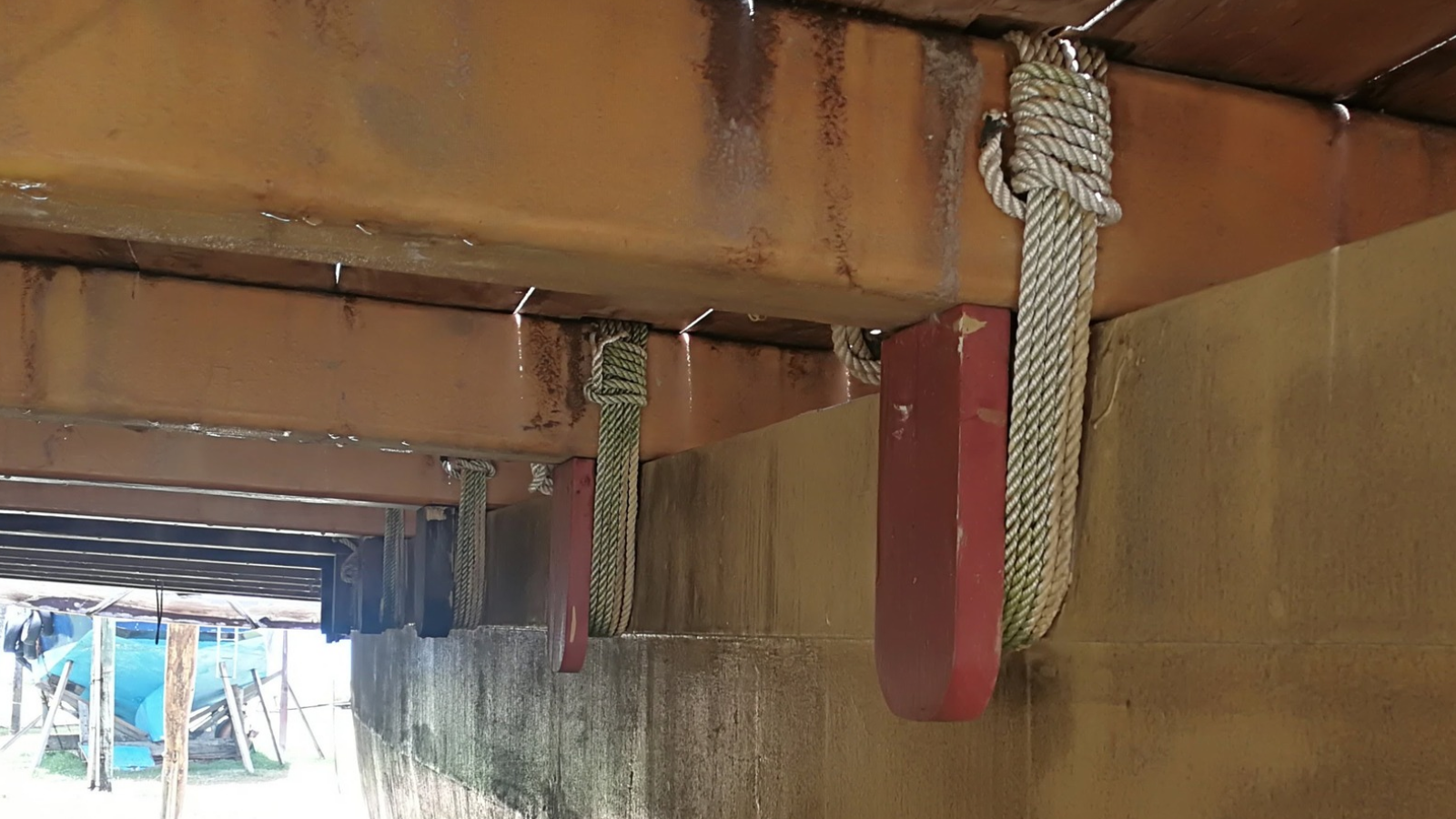
Lashing on the "Te Au O Tonga" Vaka in Aitutaki. Giving it flexibility in the storms. Photo/Thomas Tarurongo Wynne
Tongan scholar Nāsili Vakaʻuta asks: “How can nations whose histories have been shaped by colonial domination be so reluctant to challenge the domination of another people?” He also invokes the vā: “In Sāmoa, vā reminds us that relationships carry obligations. In Tonga, tauhi vā calls us to nurture and sustain those relationships.”
The Forum has backed self-determination since 1971. The Asia Pacific Report notes that this month, at the UN, Israel voted against every resolution on the decolonisation of the six Pacific territories, including Māʻohi Nui (French Polynesia) and Kanaky (New Caledonia).
Forum chair and Palau President Surangel Whipps Jr has said: “Our partners are welcome to sail with us but they do not choose our destination.” But who chooses the partners, and who determines the destination? Our leaders alone, the people whose future they carry, or both?
Each of these voices speaks from conviction, faith or history. Each belongs holding the rope.
But whichever end of the rope we hold, surely as people of the moana, we can agree that the death of innocents is never justified.
Our tūpuna built vaka lashed with ka’a, not nails, so the vaka could shift with the moana rather than break against it. Is this not disagreement in a Pacific world? We can critique a decision, scrutinise the influence behind it, even the theology that informs it. Where we may need caution, if we want the rope to hold, is when we question the belonging or the Pacific-ness of the person on the other end.
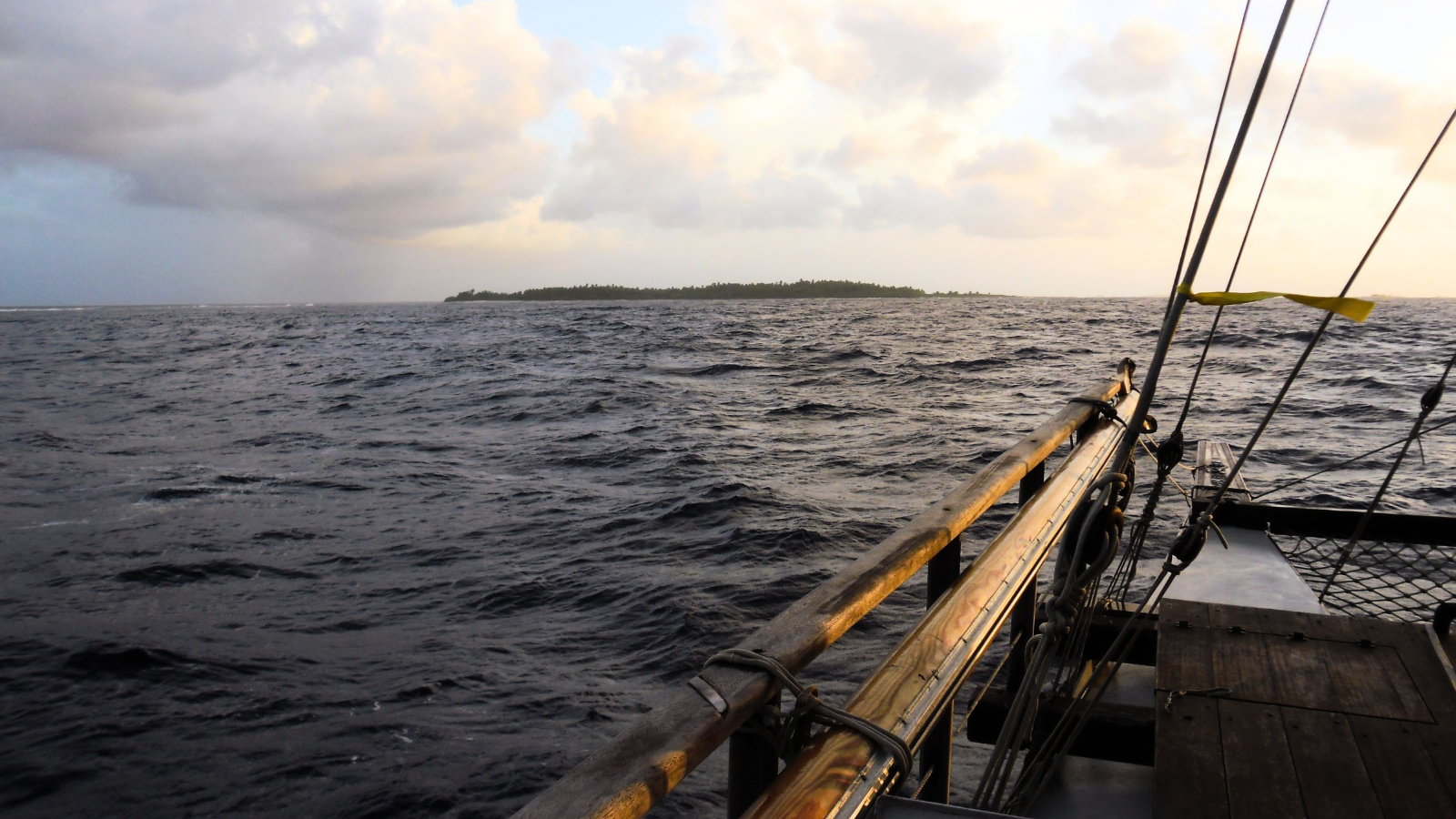
If we believe in self-determination, is it only self-determination when the outcome matches our own view of the world? The Vaka Marumaru Atua outside the reef of Suwarrow.Photo/Thomas Tarurongo Wynne
Kūpapa, colonised, antisemitic. When these words become labels for dismissing people rather than arguments to examine, they do not pull. They cut. And they cut both ways. Those who support the decision are called kūpapa or colonised. Those who question it are called antisemitic or anti-Christian. Both lose hold of the rope that connects us.
If we believe in self-determination, is it only self-determination when the outcome matches our own view of the world?
Uriuri’anga does not ask us to choose between conviction and connection, between pulling and holding. It asks us to do both. If our unity can only survive when we agree, how strong was it to begin with?
Question the decision. Question the influence. Question the theology. But hold the mana of the person you are pulling against, and protect the vā between us. As our Sāmoan āiga say, teu le vā. We may never agree, but we can sail this storm together without capsizing ourselves or each other.
Hauʻofa wrote, “We are the sea, we are the ocean.” If we cannot disagree without denying each other’s belonging, or each other’s Pacific-ness, then what kind of ocean are we creating?