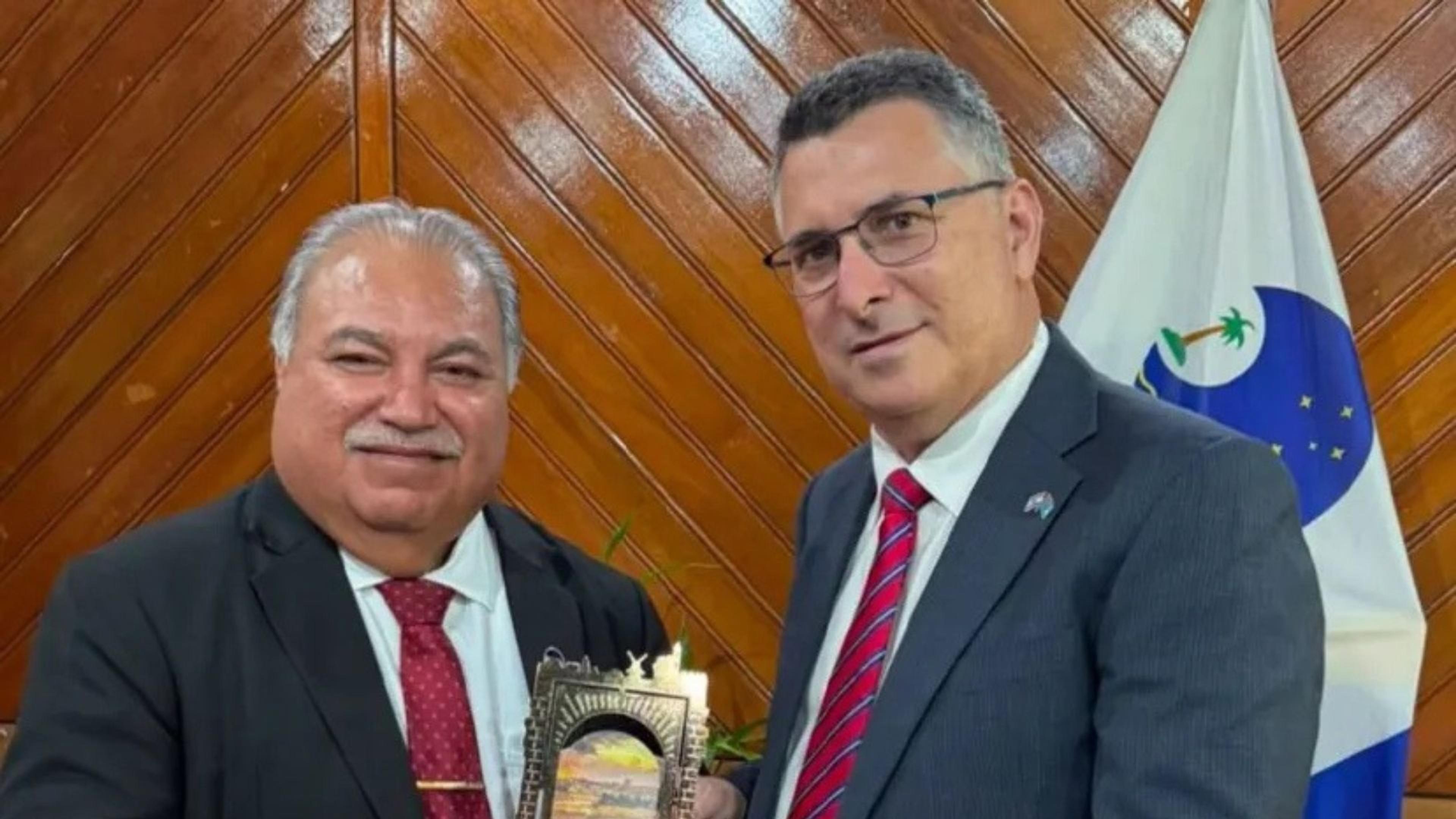
Israel’s Pacific Forum breakthrough triggers political backlash in NZ
Kaya Selby, RNZ Pacific journalistWed, 21 Oct
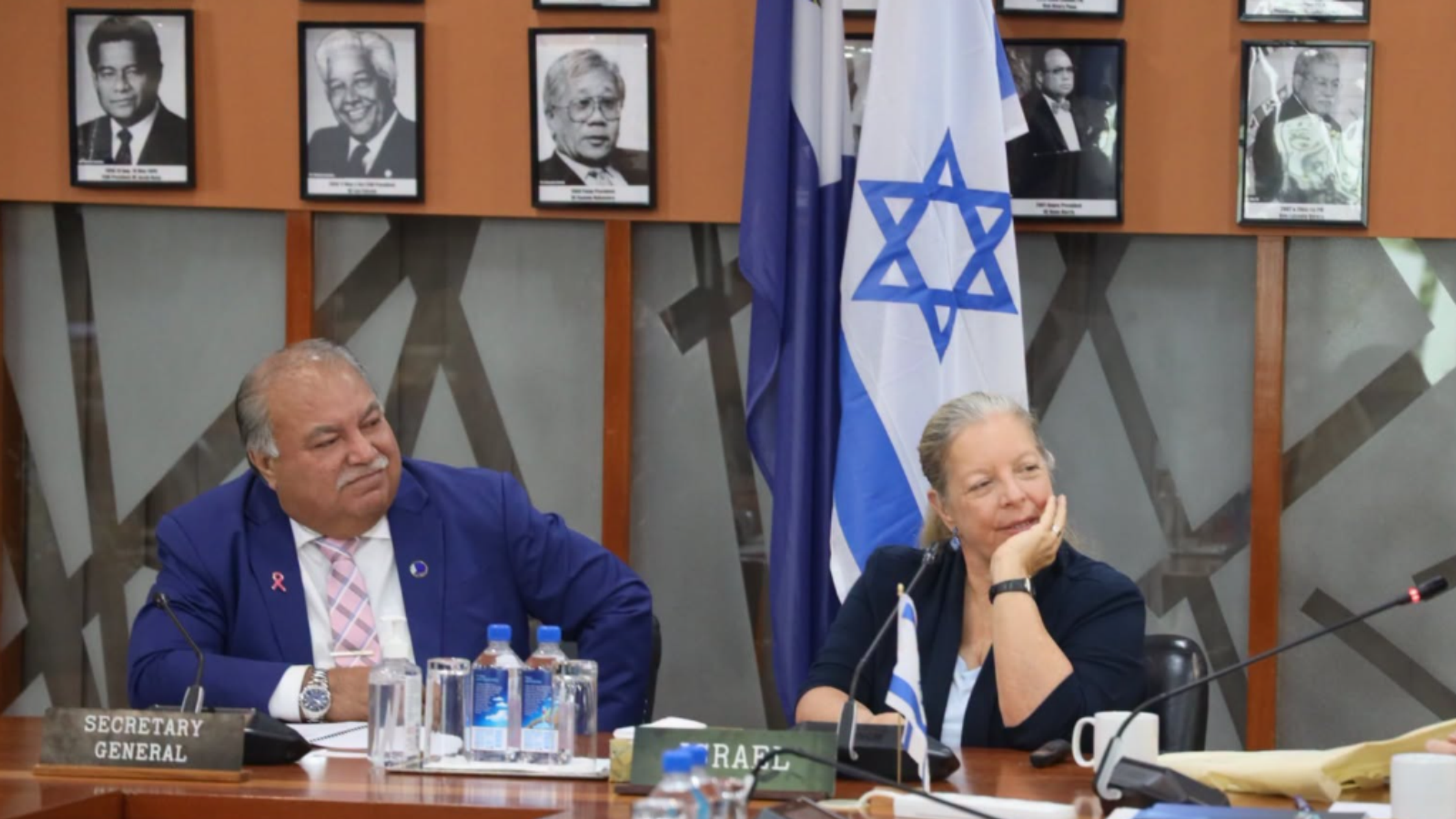
PIF Secretary General, Baron Divavesi Waqa, welcomed Head of MASHAV, H.E. Ambassador Eynat Shlein, who travelled from Israel to the Pacific for engagements across the region.
Photo/Facebook/Pacific Islands Forum
Labour says Luxon has questions to answer, while ACT offers Israel a “warm Pacific welcome”.

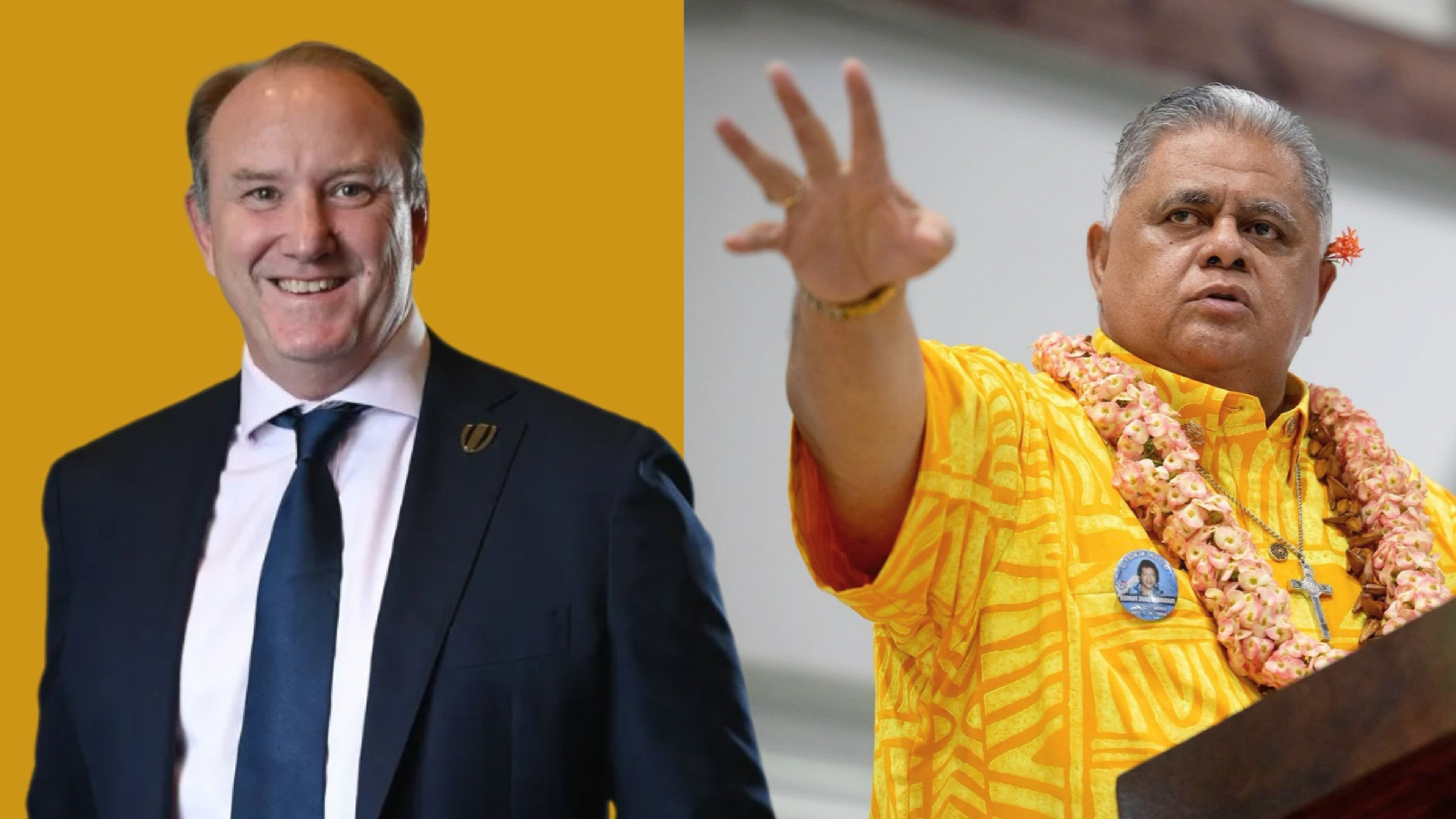
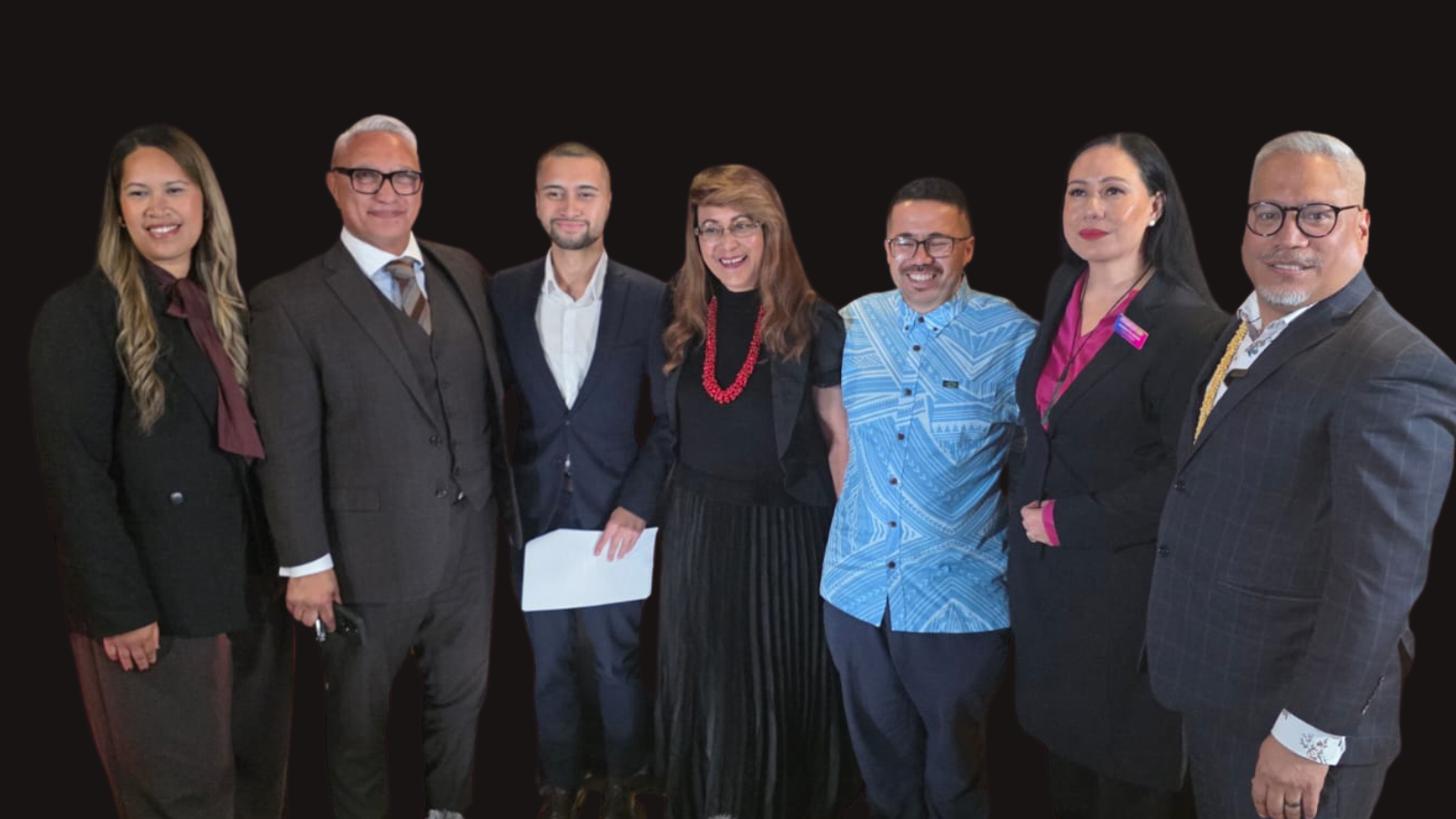
Pacific support for Israel is strong “whether you like that or not”, a former senior Pacific regional official says, as Israel's new partner status splits New Zealand's political parties two weeks out from the election.
As Pacific leaders agreed at last month's Forum meeting in Palau to accept Israel as a partner. Israel's Ministry of Foreign Affairs made the decision public on 20 October.
Sione Tekiteki, a Senior Lecturer in Law at Auckland University of Technology and former senior regional official, told William Tureti on Pacific Mornings the move would be viewed differently depending on where people stood.
Israel says the partnership will focus on water management, desalination, agriculture, climate change adaptation, innovation and sustainable development. Papua New Guinea, Fiji and Naoero have opened embassies in Jerusalem.
The decision however, has divided political parties in Wellington.
Labour's foreign affairs spokesperson Vanushi Walters says a Labour government would have opposed Israel's inclusion. Prime Minister Christopher Luxon attended the Palau meeting where the decision was made.
Listen to Sione Tekiteki's full interview below.
“Christopher Luxon has said that he would arrest Israeli Prime Minister Benjamin Netanyahu if he came to New Zealand,” Walters told RNZ.
Asked whether it risked undermining the Forum's credibility, given sanctions on Israeli ministers and an International Criminal Court (ICC) arrest warrant for Israeli Prime Minister Benjamin Netanyahu, Tekiteki says it is possible.
“I think there's probably different perspectives on that. One side is to say that it definitely sheds some light on the Forum in a negative sense,” he says.
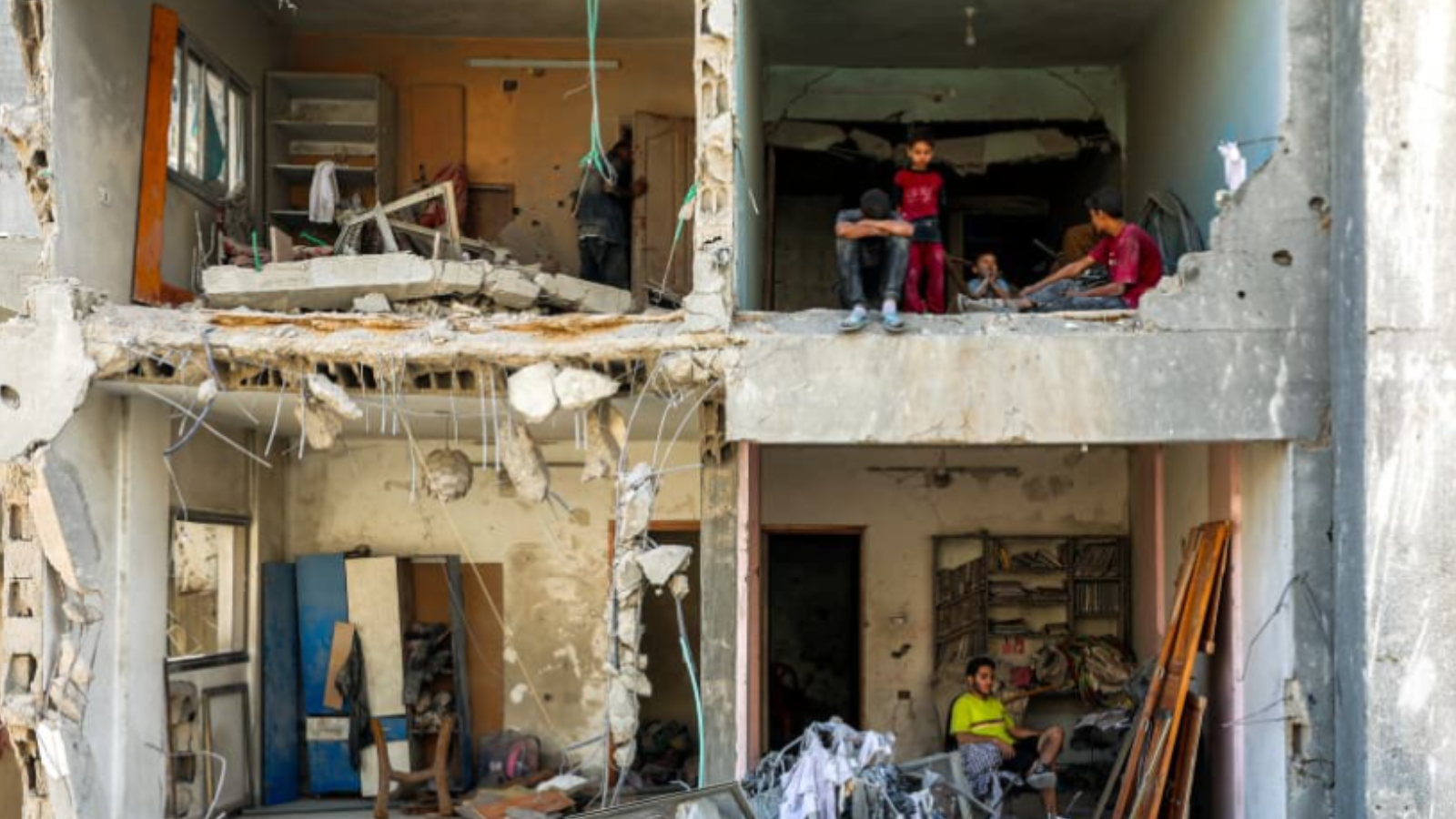
A heavily damaged building near the Unknown Soldier Tower, destroyed by Israeli bombardment, in the Rimal neighbourhood of Gaza City. Photo/AFP/OMAR AL-QATTAA
“But I would say generally from a Pacific perspective, there's strong support for Israel, whether you like that or not. That's a general public sentiment.”
Luxon said that Israel had a “deep-standing relationship” with many Pacific nations and the decision was one for the Forum. He says Israel's engagement would be at “an officials level, rather than a leader level”.
Green Party co-leader Chlöe Swarbrick told media the move was “concerning at first glance” with ACT leader David Seymour extending “a warm Pacific welcome” to Israel.
“Another democratic country in the Pacific Islands Forum is a good thing, possibly a bit geographically challenged. But then we've had Britain try and join the Trans-Pacific Partnership, so it seems geography is no barrier these days,” Seymour says.
Tekiteki further explains, that Israel joins under the Forum's new partnership system, which splits partners into two tiers.
“There's the strategic partners, which is the partners that have direct access to dialoguing with leaders,” he says.
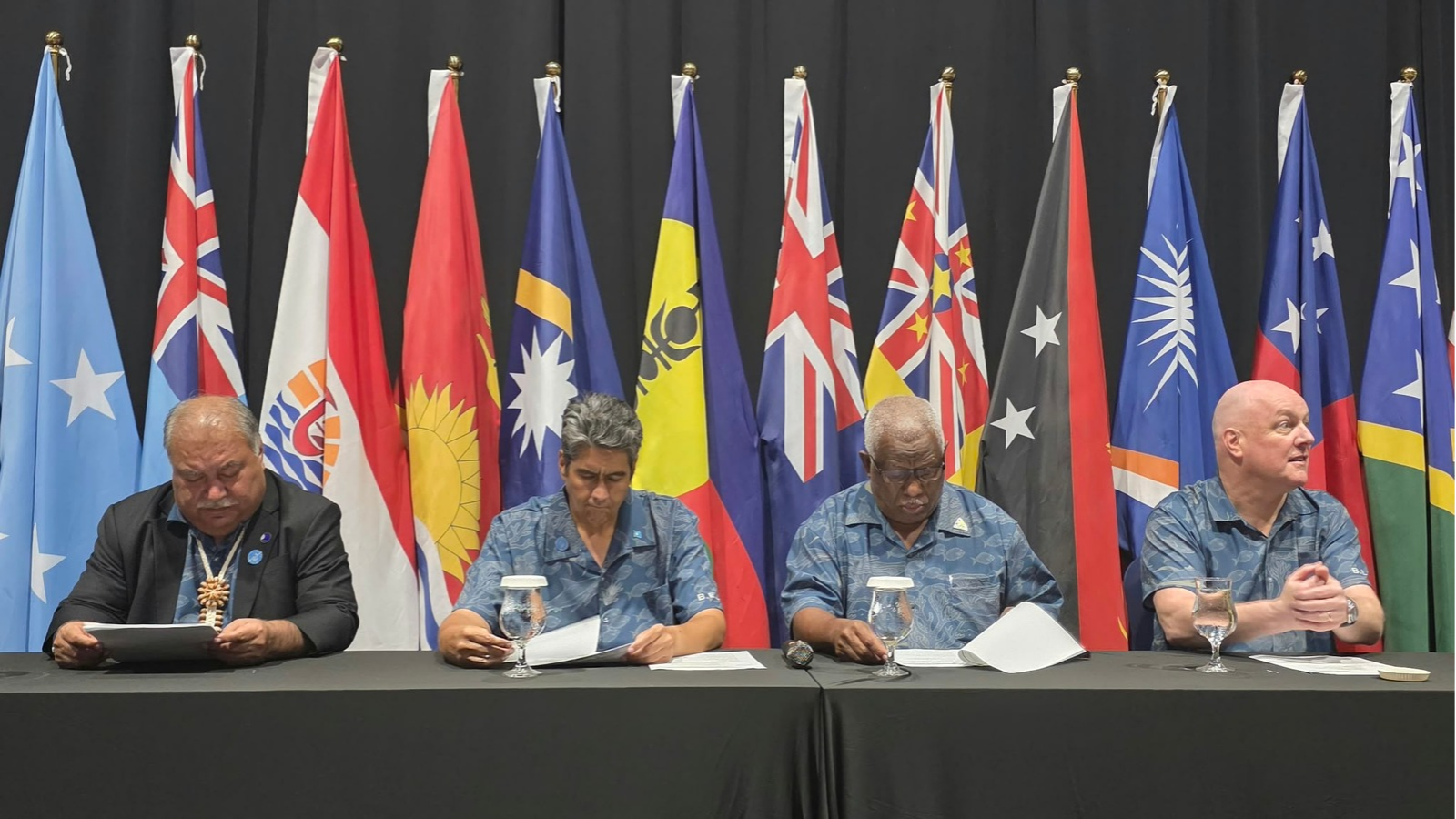
From left to right: Pacific Islands Forum Secretary General Baron Waqa, Republic of Palau President and Forum Chair Surangel Whipps Jr., Solomon Islands Foreign Minister Rick Hou and New Zealand Prime Minister Christopher Luxon at the 55th Pacific Islands Forum leaders' meeting press conference, Koror, Palau. Photo/PMN News/Thomas Tarurongo Wynne
“And then there are the sectoral partners, which is everyone else's classification, which Israel fits into. In that context, they are recognised as a partner, but that tends to be where you put all partners who are interested in partnering with the Forum, unless they demonstrate a strategic relationship with the Pacific.”
He highlights that the Forum formally has 21 development partners, possibly more since the Palau meeting, and about 10 or 11 of those are strategic partners.
“Those are your big players in the region, for example the US, China, Japan, Korea and others.”
Asked why Israel is making a bigger push into the Pacific now, Tekiteki says the move “probably makes sense” diplomatically, given Israel's global profile.
“Israel has always had a strong relationship with the Pacific, and it's strengthening its bilateral relations. But through the PIF, it's also strengthening its multilateral, or should I say, its governmental relationship in the region,” he says.
He says the main gain for Israel is a formal relationship at Forum level.
Asked whether the ICC arrest warrant for Netanyahu complicates the relationship, Tekiteki says “practically speaking, probably not”. He says many Pacific countries are not members of the court.
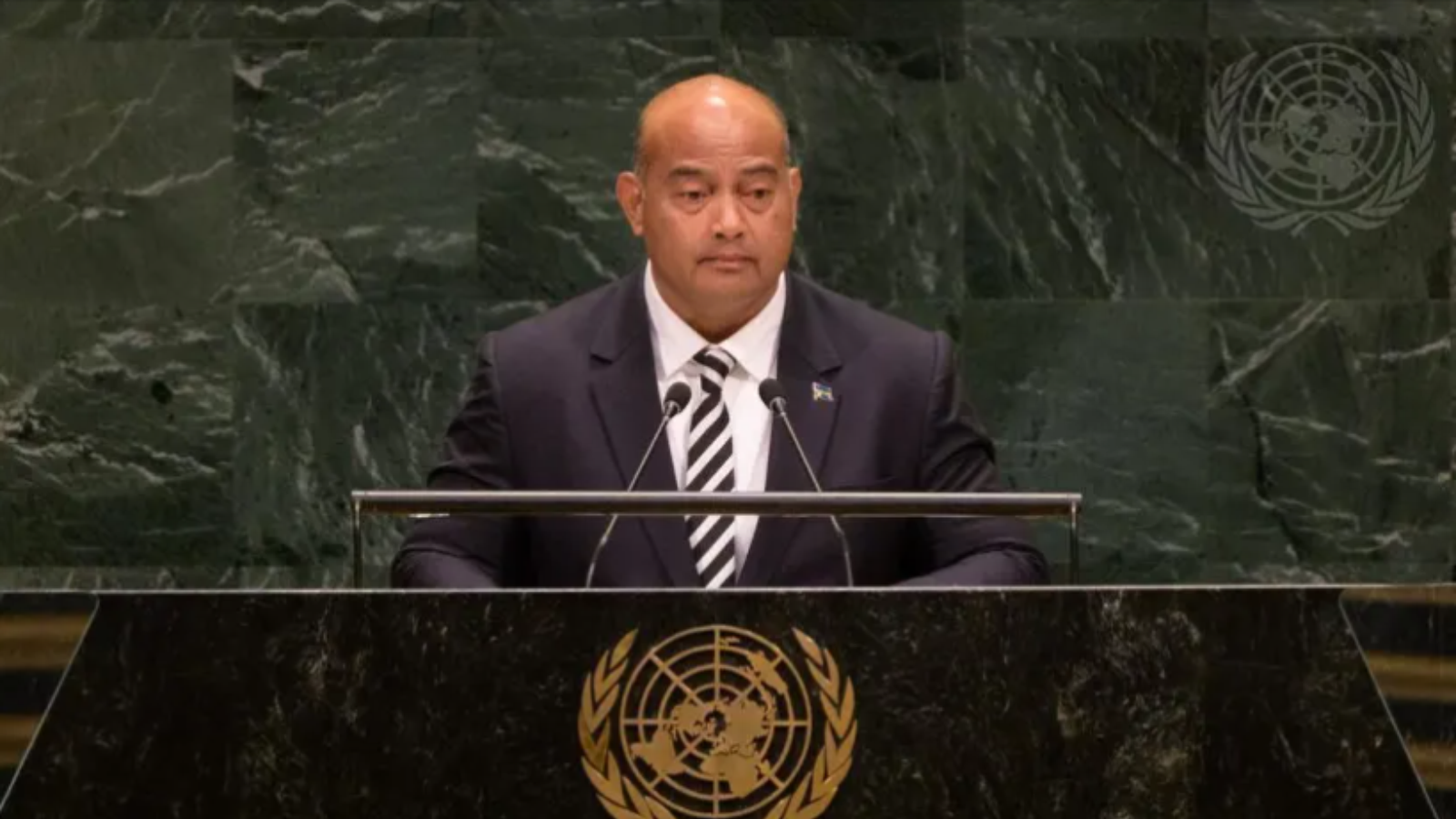
David Adeang, president of Naoero, at the UNGA. Photo/UN
Seven of the Forum's 18 members, Papua New Guinea, Tonga, Palau, Tuvalu, Solomon Islands, the Federated States of Micronesia and Niue, have not joined the ICC. Naoero announced its withdrawal from the court at the United Nations General Assembly in September.
With New Zealand to host the Forum leaders' meeting next year, Tekiteki says Israel's status would only become a diplomatic headache for Wellington “if those who have been issued an arrest warrant actually come to New Zealand, practically speaking. But I don't think that would happen.”
The general election is on 7 November. Advance voting starts on 26 October.