
Trump's new tariffs spare Pacific but trade shock could still hit island economies
Christine RovoiThu, 26 Nov
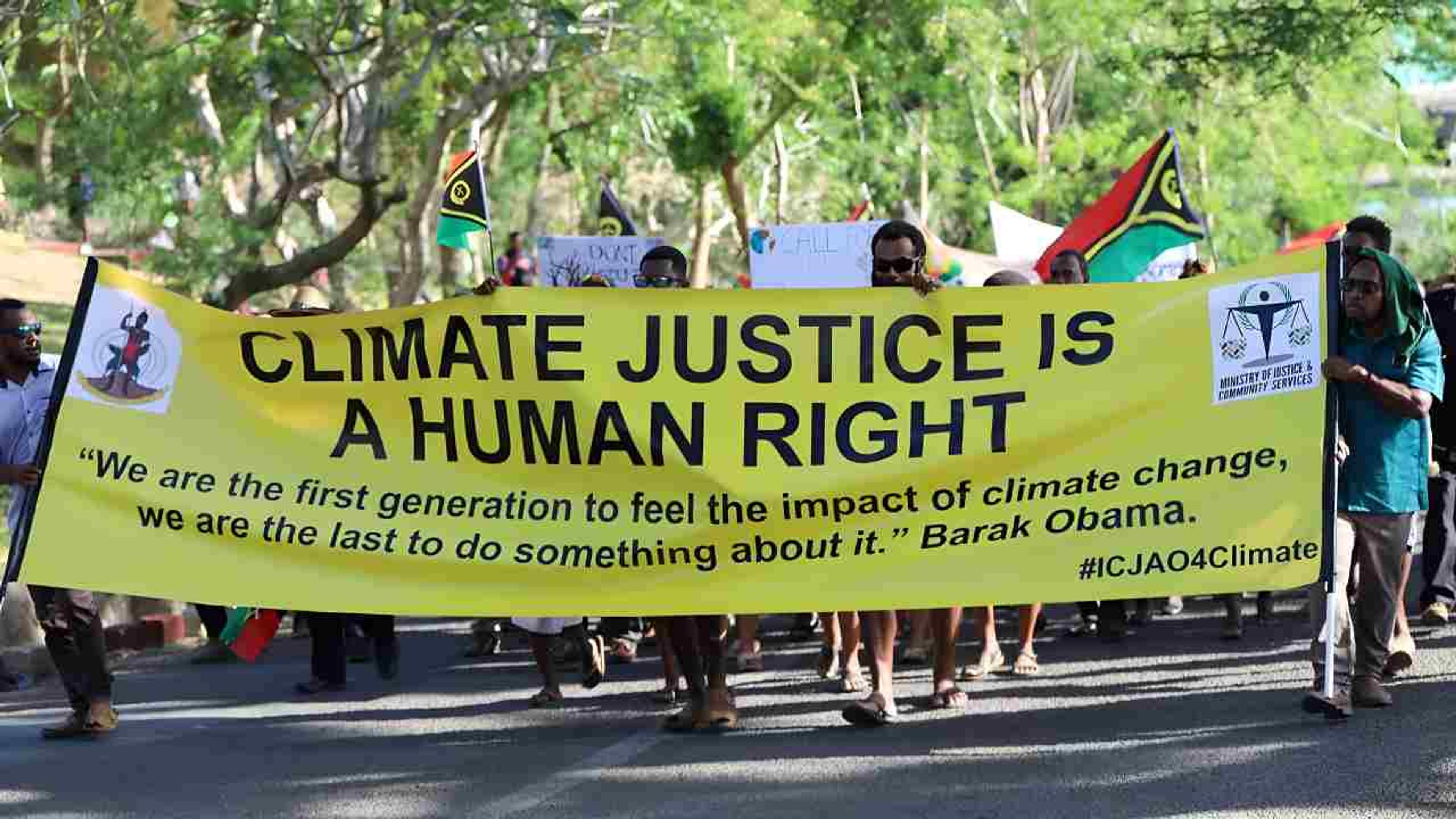
Pacific leaders and communities continue to push for stronger climate action and greater recognition of the region’s voice at COP31.
Photo/Charley Piringi
COP31 has exposed the gap between Australia’s global climate promises and its continued support for coal and gas, writes Michael J Smith.



The 31st Conference of the Parties (COP31) has ended without an overarching political agreement. Decisions were adopted under existing climate work programmes, but no cover decision was secured.
When Australia withdrew its bid to host COP31 in November 2025, the Albanese government presented its appointment as President of Negotiations as a diplomatic achievement. It said the role would give Australia greater influence in international climate negotiations and an opportunity to advance the interests of its Pacific neighbours.
Twelve months later, Australia and Türkiye presented a proposed agreement that did not explicitly mention fossil fuels.
The proposed Antalya Pact did not reaffirm the commitment made at COP28 to transition away from fossil fuels in energy systems. Instead, it proposed scaling up carbon capture, utilisation and storage to gigatonne levels globally by 2035.
The final text also did not retain a reference to the International Court of Justice’s advisory opinion on climate change, which followed years of Pacific-led advocacy. Earlier drafts had included a reference to the opinion. The first draft, circulated on 16 November, welcomed the advisory opinion of 23 July 2025. A revised draft circulated on 19 November used weaker language, while the text put to parties on 22 November no longer included the reference.
The changes occurred during the Türkiye-Australia presidency process and should be considered in the context of the wider negotiations between parties.

Michael J. Smith is an independent researcher and community development practitioner focused on Pacific climate justice, human rights, decolonisation and community-led resilience. Photo/Supplied
Decisions were adopted on adaptation, just transition, climate finance and other established work programmes, but COP31 did not deliver the greater political ambition that vulnerable nations urgently require. For Australia, the outcome also highlights a tension between its international climate diplomacy and its domestic economic policies.
Australia is already the world’s largest exporter of metallurgical coal and its second-largest coal exporter overall by volume. The International Energy Agency’s latest World Energy Outlook projects that Australia could overtake Indonesia as the world’s largest coal exporter, measured in energy-equivalent terms, under its Current Policies Scenario.
As Australia’s Minister for Climate Change and Energy and COP31 President of Negotiations, Chris Bowen was entrusted with helping steer the global climate negotiations while representing a government that continues to support new and expanded coal and gas developments.
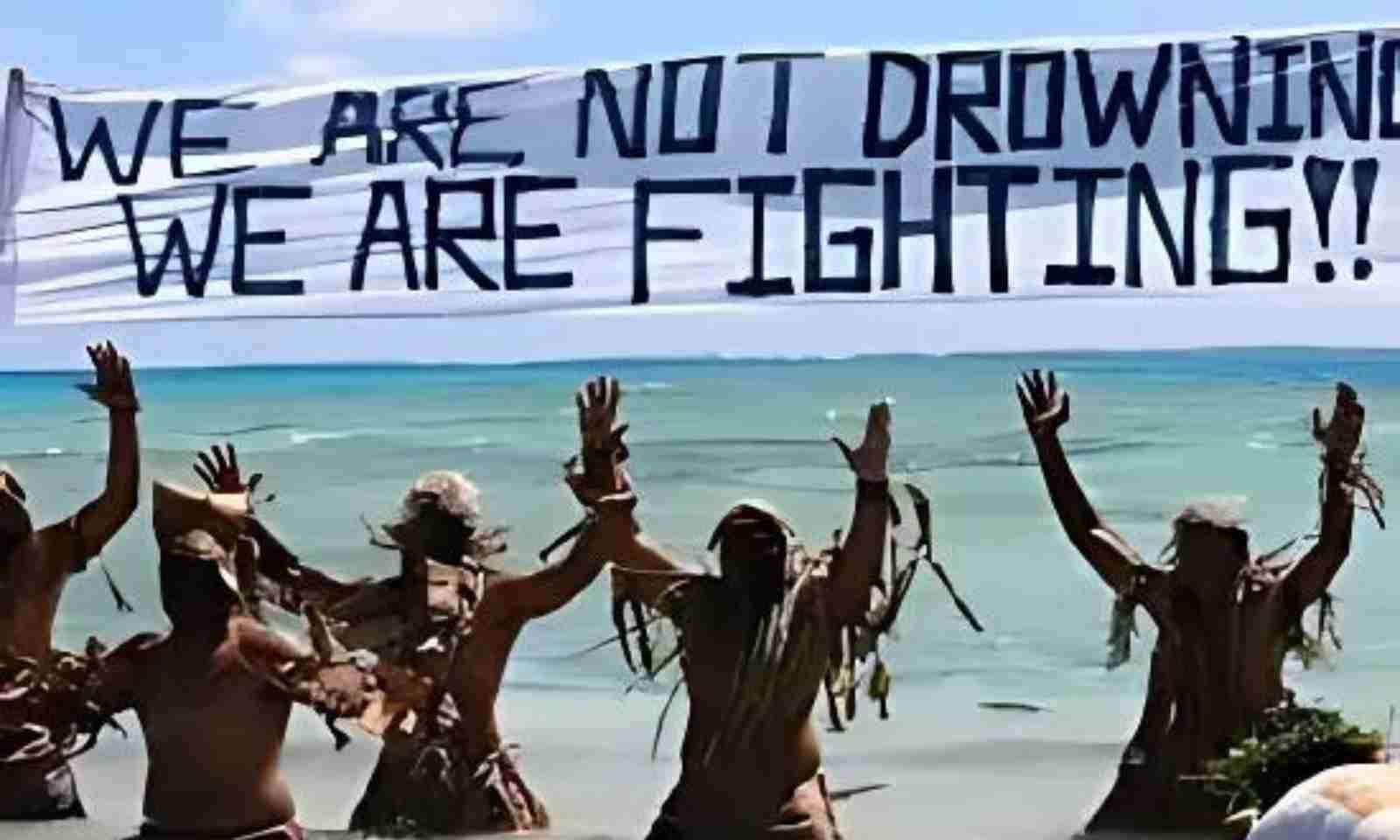
Pacific communities are on the front line of climate change, facing rising seas, extreme weather and growing pressure on food, water and infrastructure. Photo/350 Pacific/file
Some Australian fossil fuel projects have approvals that extend for decades. The approved extension of Woodside’s North West Shelf gas facility, for example, extends the project’s approval to 2070.
In March 2026, the Australian government also approved Australia Pacific LNG’s Gas Supply Security Project in the Surat and Bowen basins (EPBC 2020/8856). The approval remains in force until 22 February 2081. That date refers to the duration of the environmental approval, rather than necessarily meaning gas production will continue until 2081.
The government’s Future Gas Strategy also supports new gas development and envisages a continuing role for gas beyond 2050.
These decisions have consequences beyond Australia’s borders, particularly for Pacific countries already dealing with rising adaptation costs, threats to food and water security, displacement and damage to critical infrastructure.
Australia has long described itself as a close partner of the Pacific and has played a significant role in international climate diplomacy. At the same time, its continued support for fossil fuel development raises legitimate questions about the consistency between its international climate position and its domestic policy.
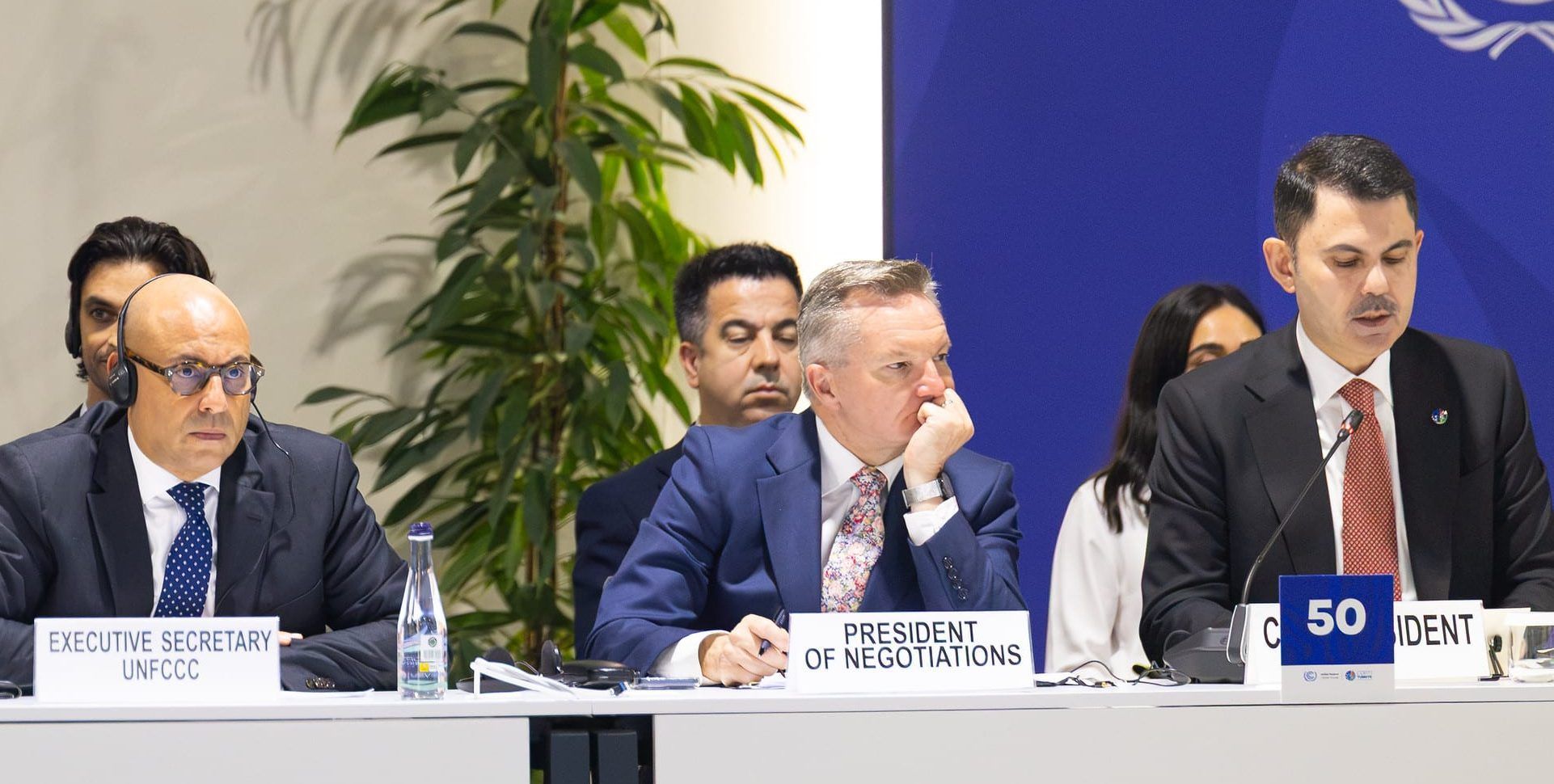
Australia’s Minister for Climate Change and Energy and COP31 President of Negotiations Chris Bowen, middle, at COP31. Photo/Supplied
Bowen said disagreements between countries prevented consensus on the transition away from fossil fuels. Australia’s own capacity to act, however, does not depend on resolving those disagreements.
For Pacific communities already facing the impacts of a changing climate, the question is not simply what Australia says at the negotiating table. It is also what Australia chooses to do at home.
Michael J. Smith is an independent researcher and community development practitioner focusing on Pacific climate justice, human rights, decolonisation and community-led resilience. You can read his full report here.