
Pacific leaders demand real finance as region unites ahead of global fossil fuel conference
Christine RovoiThu, 16 Apr
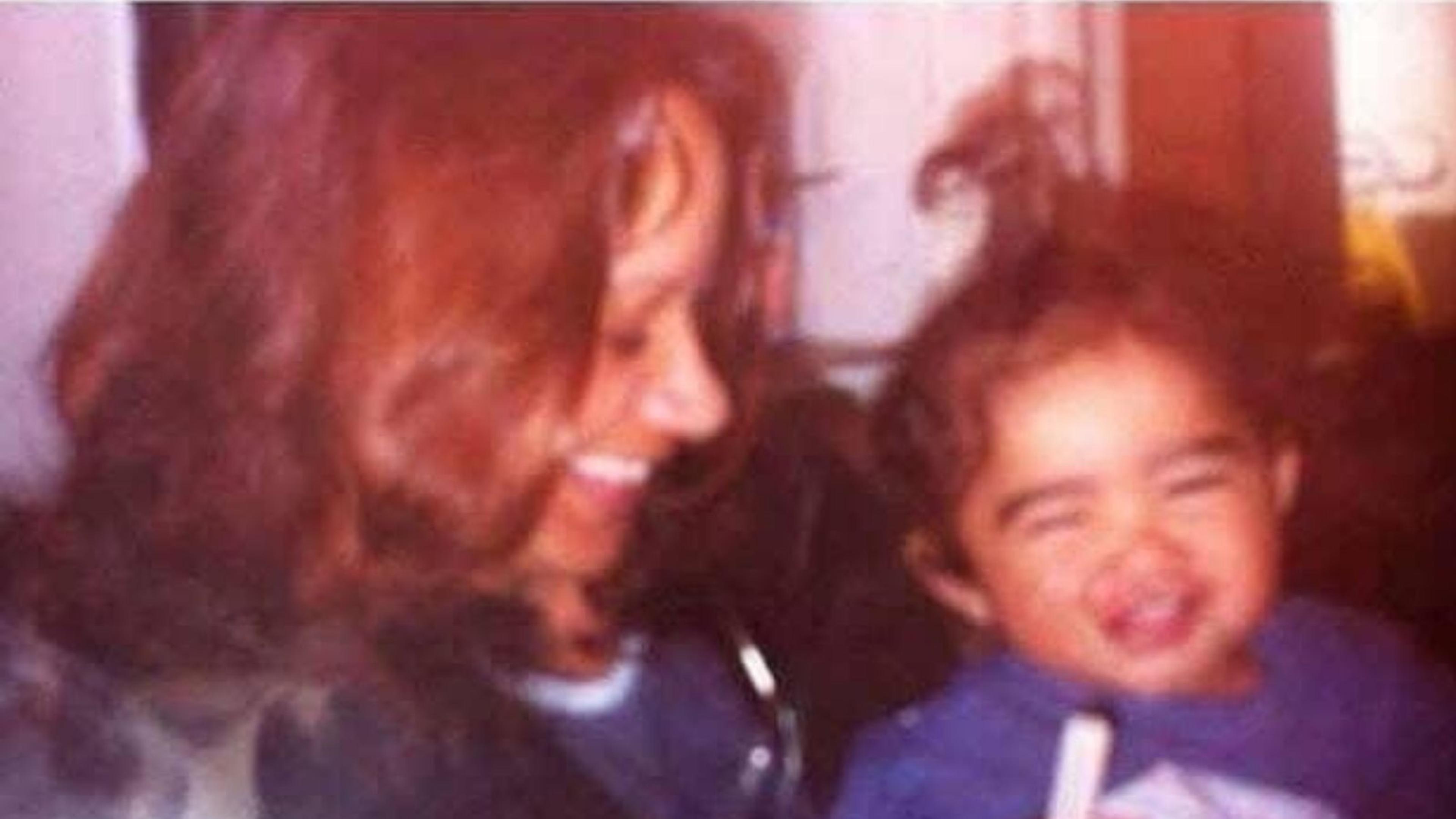
Mum and my baby brother, Lealyn.
Photo/Supplied
PMN journalist Aui’a Vaimaila Leatinu’u writes about how his brother broke a generational curse.


Trigger warning: This article contains discussions of domestic violence, gang activity, and substance use involving minors. It also references homicide and attempted murder.
My younger brother, Lealyn, witnessed attempted murder when he was six. Although he was scared, he was already numb to violence.
For context, Lealyn is my cousin, whom we adopted when he was 11. Before that, he mostly grew up with Nan and Grandpa, whom he saw as his parents.
Lealyn grew up around domestic violence, addiction and gang activity. He often saw police choppers overhead and raids across the road. The sounds of screaming, furniture being smashed, and the sight of fights were among his earliest memories.
As a result, my brother has been in countless fights since childhood.
In 2014, Lealyn moved in with us. But soon after, Grandpa and Nan passed away. The night Nan was hospitalised, Lealyn had a feeling she would die.
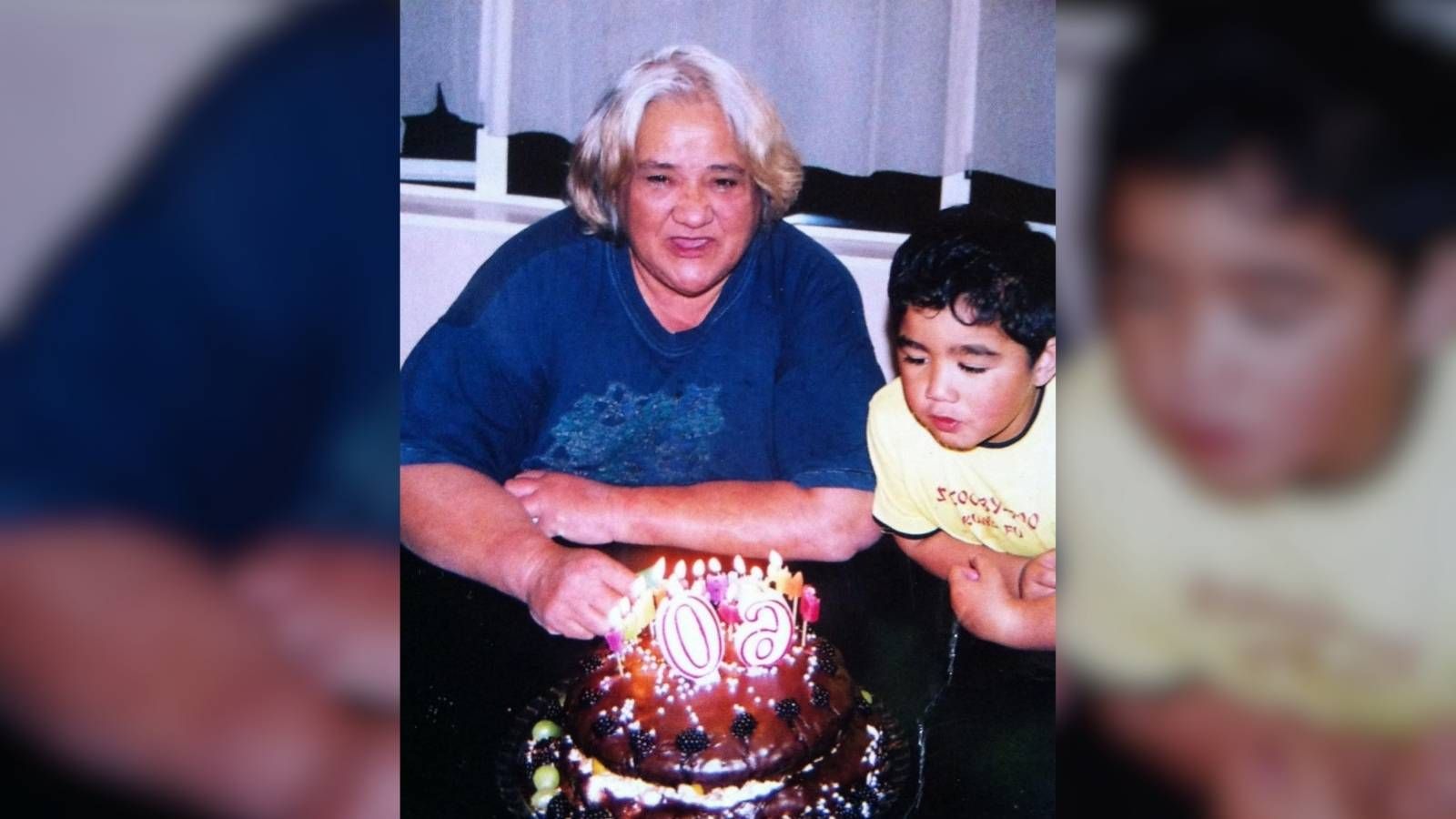
Nan’s (left) 60th birthday with Lealyn. Photo/Supplied
The next day, he acted out at school, throwing chairs. His boys calmed him down and asked what was wrong.
When they found out, they all met up at Ōtāhuhu cemetery one night. One of his closest friends empathised deeply - he had lost two brothers to homicide.
His friends scrounged together food, alcohol, and cigarette butts. My brother was overwhelmed by the love they showed him.
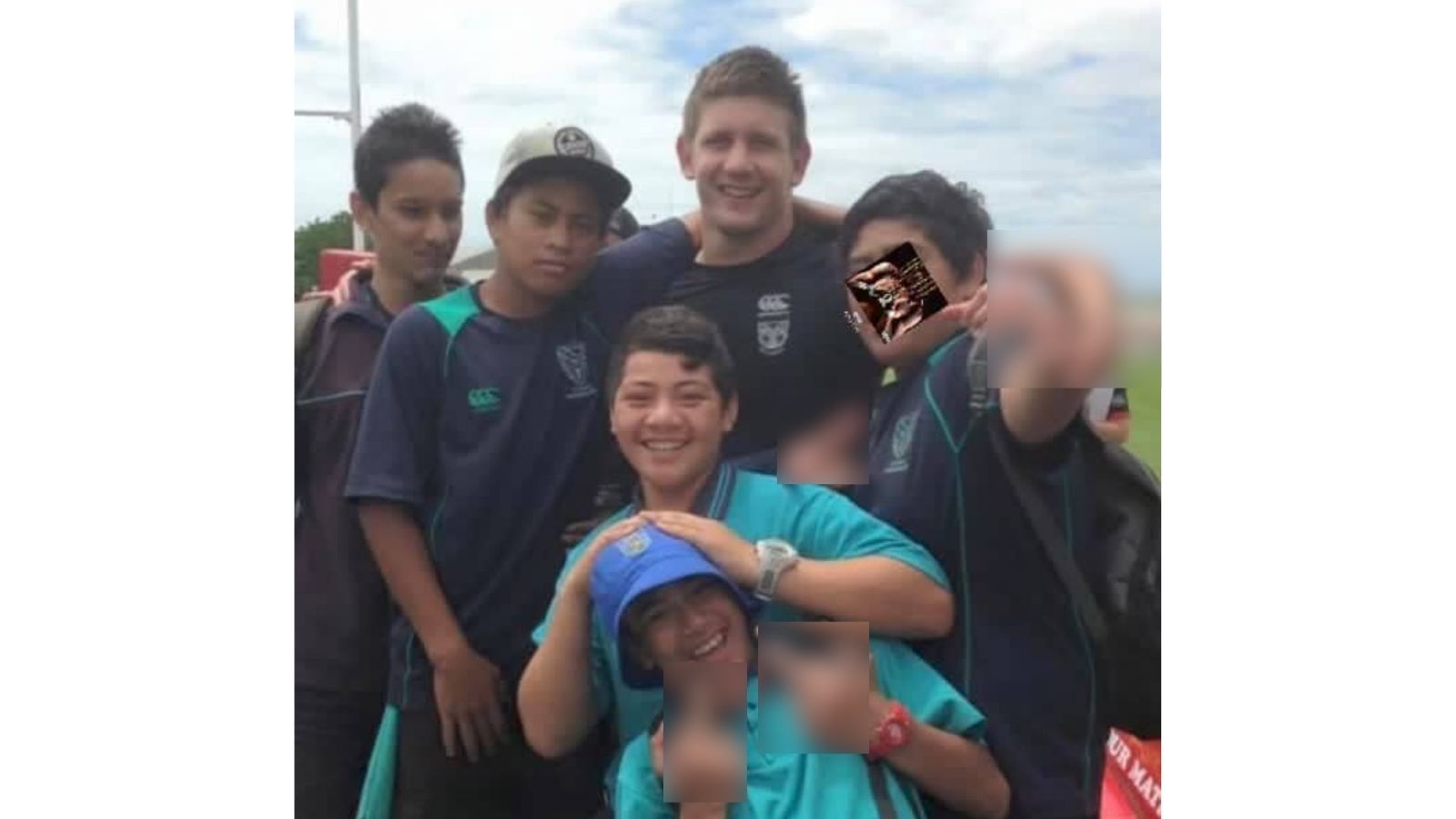
Lealyn (right) in intermediate school. Photo/Supplied
This group of 11 and 12-year-olds ate, smoked, drank, and laughed their pain away.
By 13, my brother joined a gang.
The violence in his life escalated. What he witnessed at six became tame in comparison. Years in the streets brought close calls and the loss of friends, either through death or betrayal.
He once dreamed of a successful rugby career.
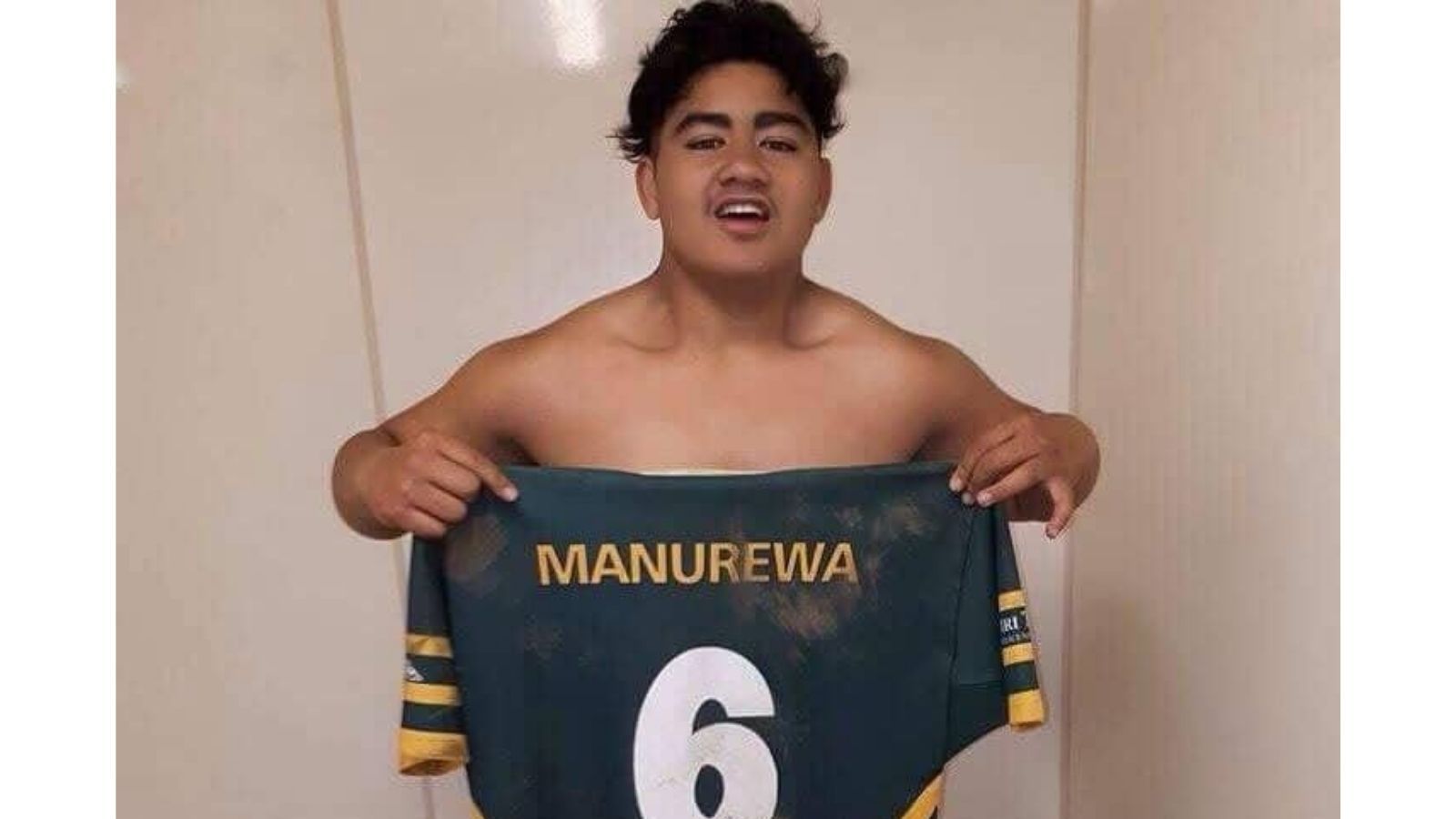
Lealyn, Year 10. Photo/Unsplash
In 2021, Lealyn was out with a friend when a university friend of his ex drove past. She stopped to hurl insults, which he returned. Two guys in her backseat, also students, threatened to fight Lealyn and his friend.
The situation thankfully de-escalated.It could’ve ended tragically.
Later, my brother criticised those two students. They had the privilege of tertiary education, yet “wanted to step into [his] world” as Lealyn put it.
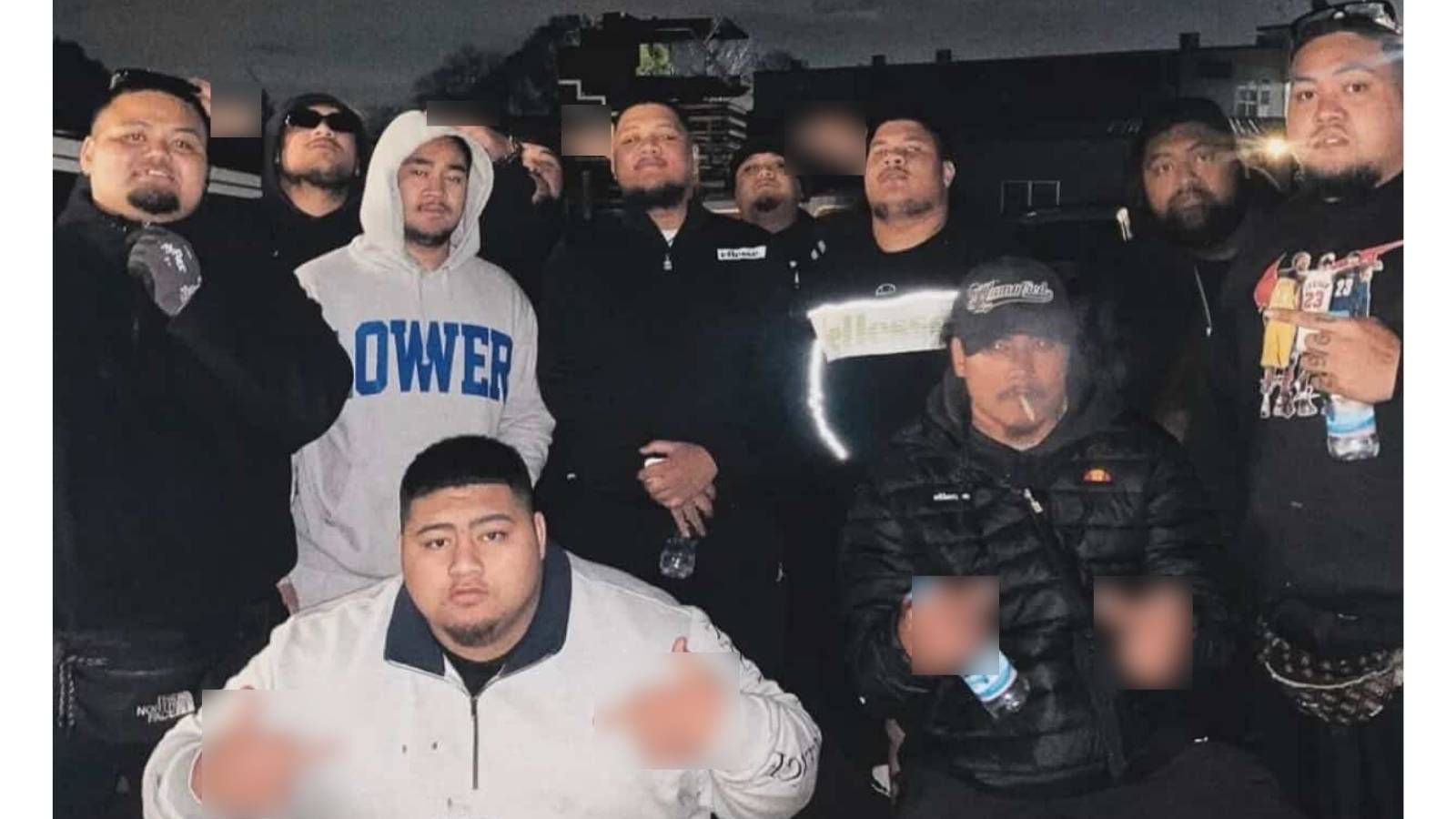
My brother (bottom-left) and his boys at a friend’s funeral. Photo/Supplied
Meanwhile, the gang life was all my brother knew. If Lealyn had gone to university, maybe he would have felt “normal” enough, especially for his ex.
“I wish I was where they’re at,” he told me.
Trying to scrap with a gangster to look tough, while risking your blessings, is ego.
My friend Atutahi put it best: “some people lust for trauma”, especially now that hood culture is seen as cool.
The aspirations between others and my brother diverged since childhood. Photo/Unsplash
I see it in the New Zealand-based amateur rappers who throw up signs and lie about “sticks” in their music videos.
I see it in men who play the “traumatised bad boy with trust issues” to attract women.
I’ve seen it in people who reference South Auckland to imply they know the streets, yet have never lived that life.
Like Vigilante Tha’ Prophit rapped in Don’t try with me, “same hood, yeah might be, but we ain’t cut from the same cloth”.
In 2024, my brother and his partner had twin boys. That’s when he broke our family’s generational curse.
Lealyn left his gang for his babies.
He’s also trying to raise his sons without physically disciplining them.
Last week, I wrote an article about how Jesus and pre-colonial Sāmoa and Māori would rebuke corporal punishment of children.
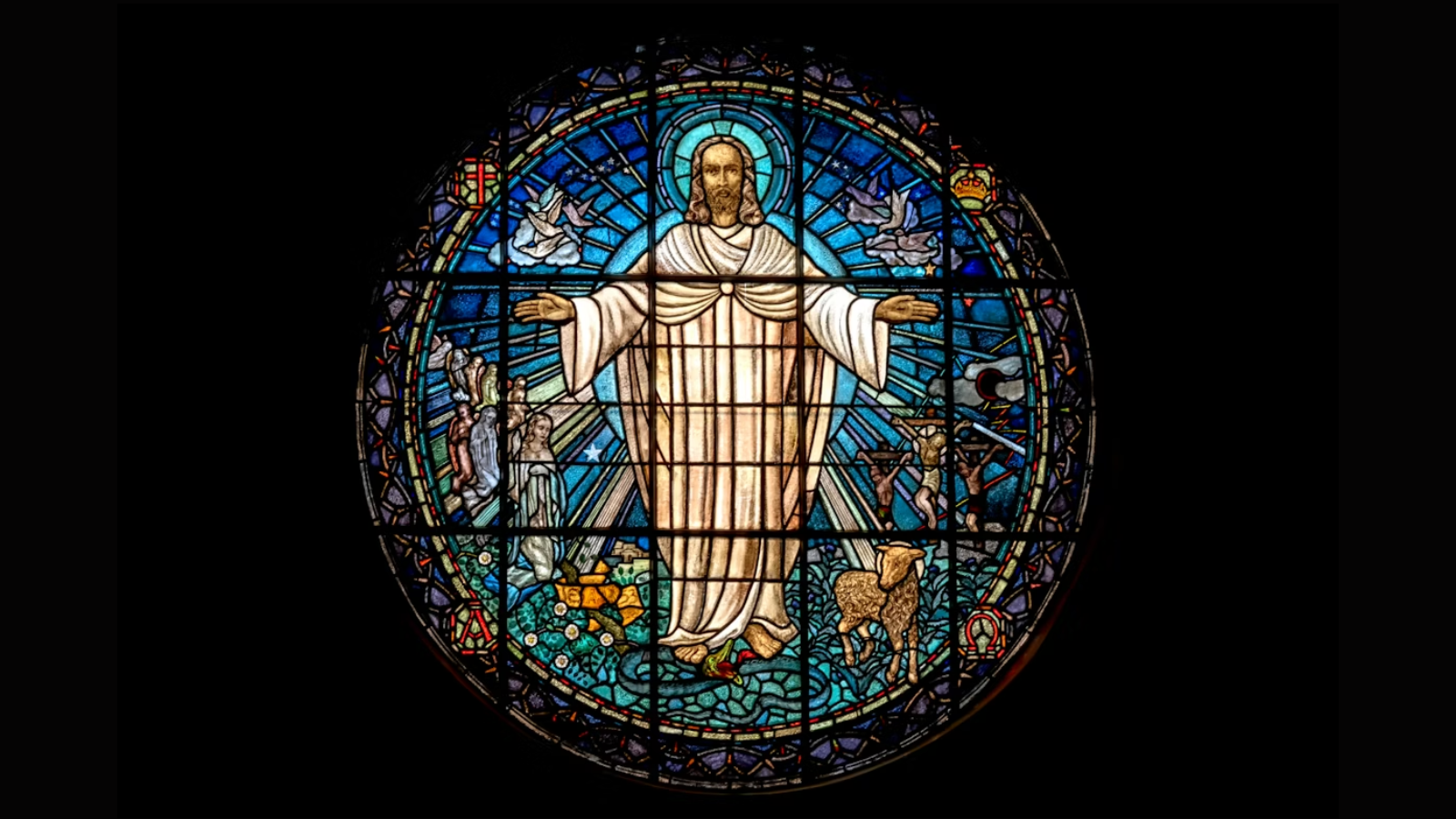
A church in the Netherlands. Photo/Unsplash
The reactions were mixed. One used scripture out of context to deflect the discussion, while another resorted to whataboutism.
Someone else tried to misrepresent, strawmanning, my argument by claiming I equated discipline with abuse and violence.
But I clearly referred to “physically disciplining children” early on, which has a specific meaning.
They ignored me, using linguistic contextual meaning to alter my use of “abuse” in the later paragraphs.
A common question followers of Christ ask is: "What would Jesus do"? Photo/Unsplash
I argued that Jesus and our ancestors would rebuke physically disciplining children.
My brother, whose violent life might’ve justified corporal punishment, rejects it too.
So what will we say next?
To those protecting outdated views at the expense of our babies: we need to do better by our children.
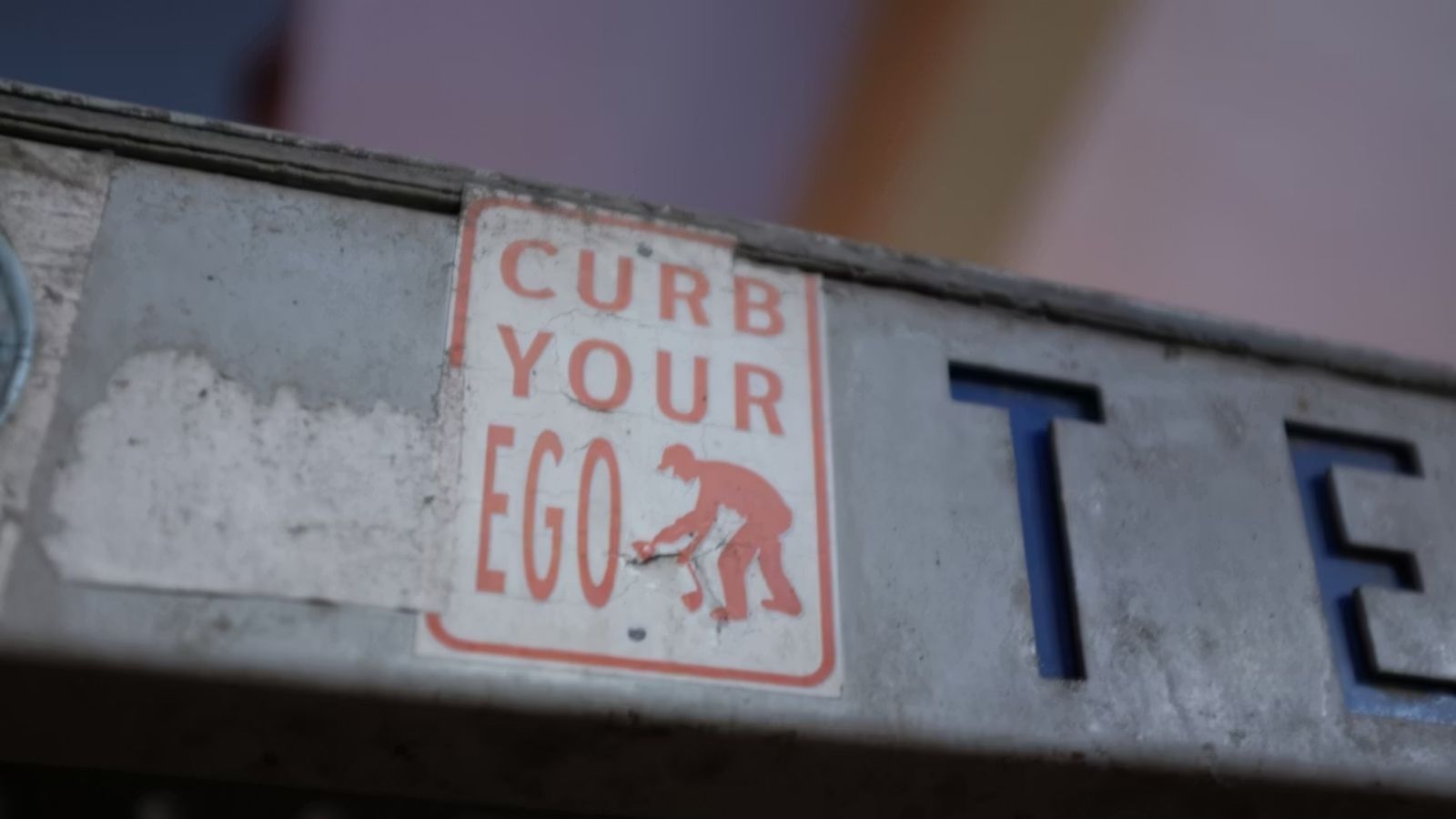
Ego. Photo/Unsplash
To my beautiful nephews, let me tell you who your father is beneath the pain.
If your father had food, he’d always share it with me. When your father lost friends, he checked on me before himself.
When I was severely depressed, your father took me for a ride to talk it out.

Lealyn (left) and I. Photo/Supplied
And whenever your father holds you two, I see the love of Jesus in his eyes.
He’s not perfect, but considering how far he’s come, he’ll go further than most in bettering himself.
Some call Pacific people “resilient”, suggesting our strength comes from trauma.
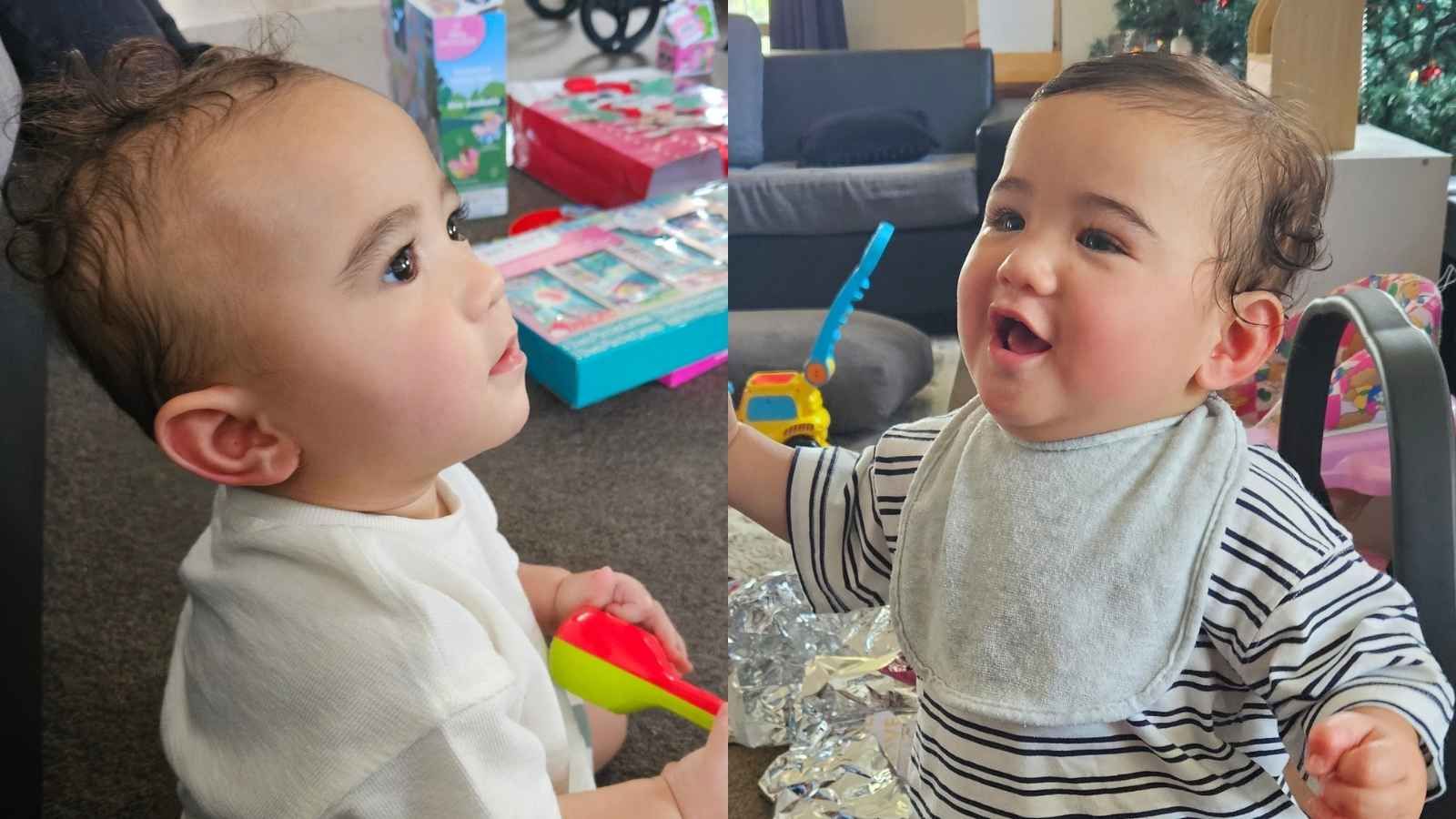
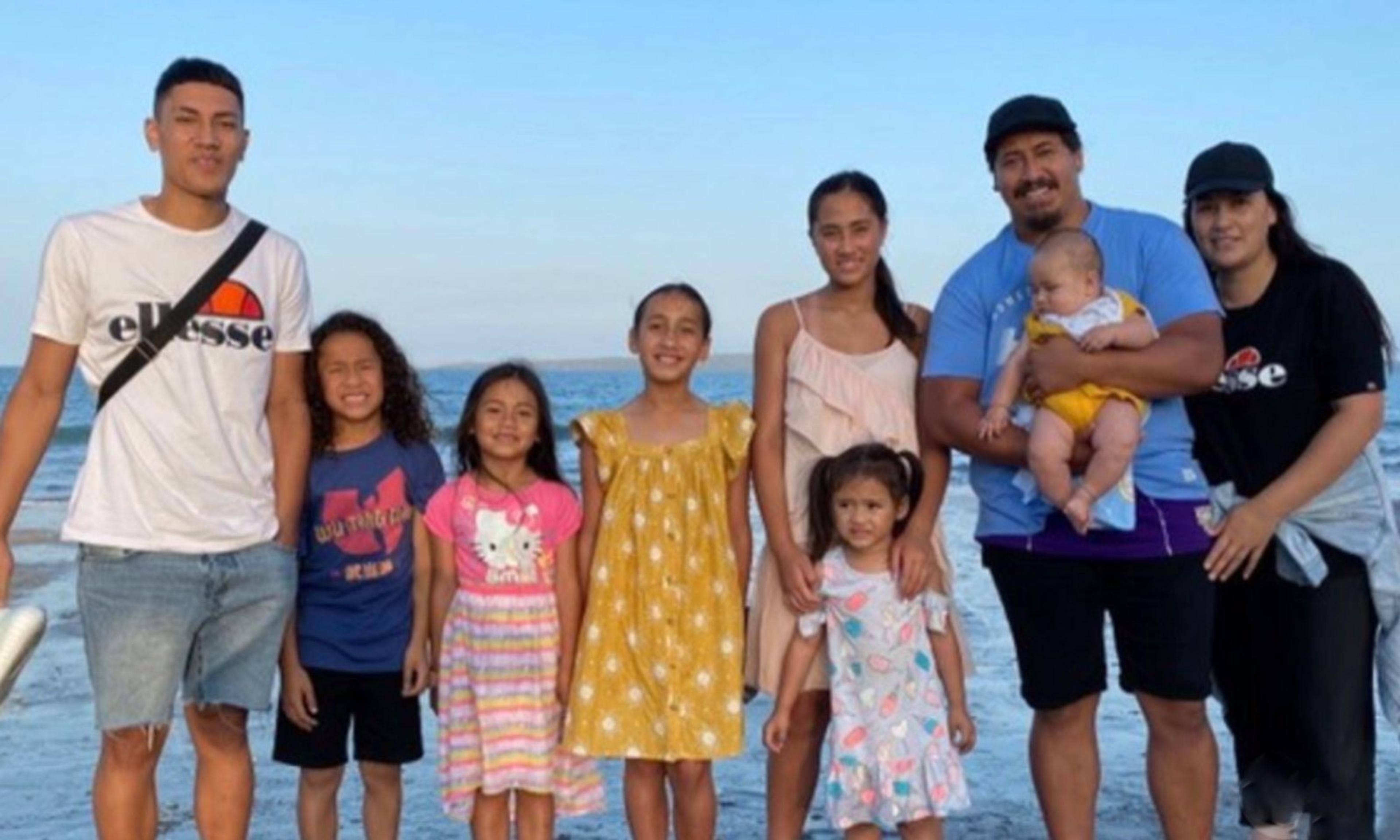
My nephews. Photo/Aui’a Vaimaila Leatinu’u
The world might claim that your father’s strength comes from survival, from the streets.
I reject that.
Like J Cole rapped on 4 your eyez only, your father embodies strength. He is strong because he loves you.