
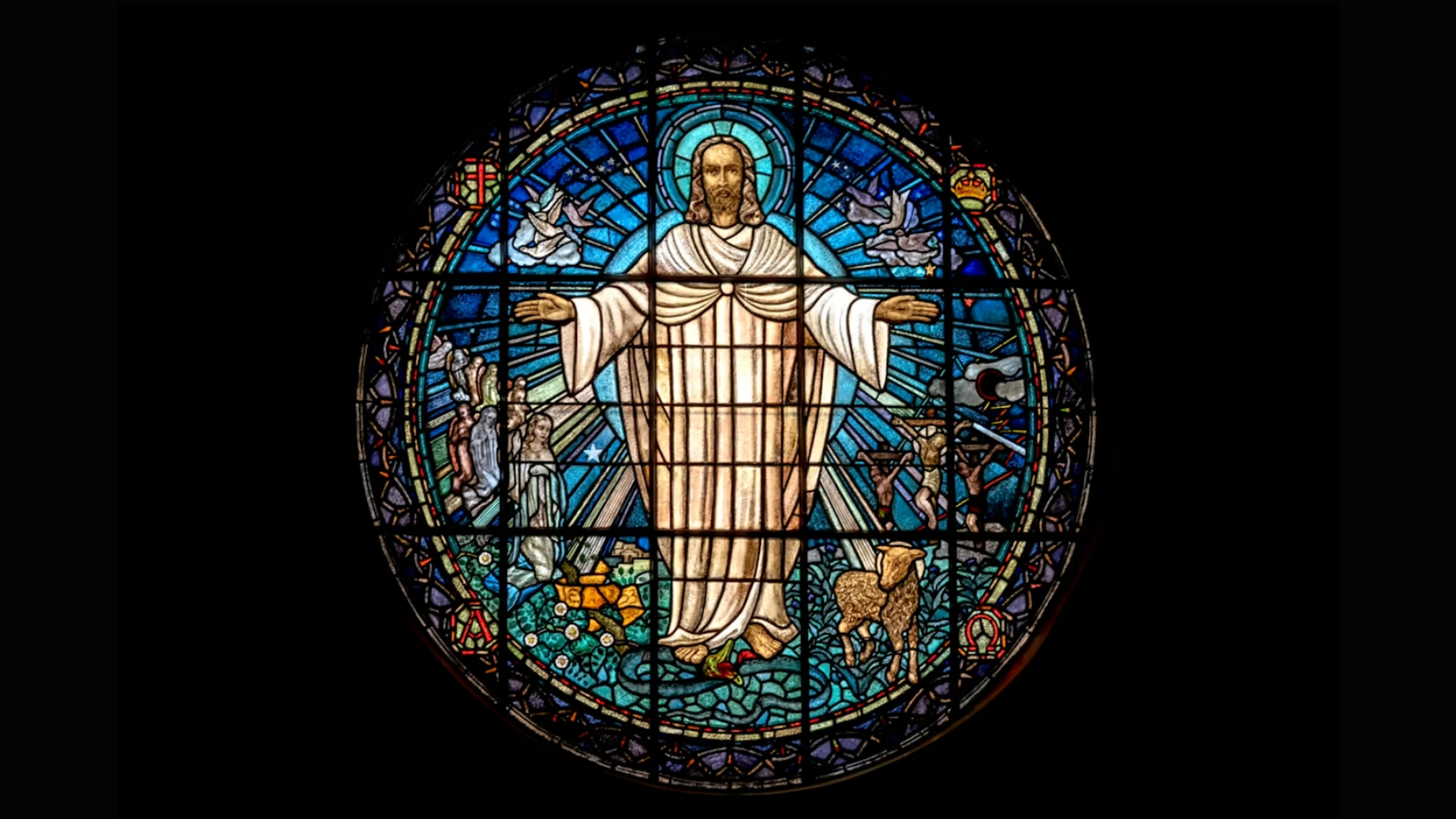
A church in the Netherlands.
Photo/Unsplash
Opinion
Would Jesus ever smack a child?
PMN journalist Aui’a Vaimaila Leatinu’u explores how Jesus, Buddhism, and pre-colonial Sāmoa and Māori teachings emphasise care, respect, and love for children.

Aui'a Vaimaila Leatinu'u
Published
20 March 2026, 5:23pm
Share
Copy Link
A common question followers of Christ ask is: "what would Jesus do"?
Yet some don't ask that question when deciding on physically disciplining children.
In some Pacific and Māori communities, violence has been normalised, whether a smack or a hiding, to correct a child's misbehaviour.
Not every Pacific and Māori person believes physical discipline is necessary in raising a good child.
But enough do, hence my divine drive to speak for the babies who can't.
To me, Jesus was a pacifist. Non-violence and forgiveness are the thematic core surrounding the crucifixion.
A common question followers of Christ ask is: "what would Jesus do"? Photo/Unsplash
That core shares similarities with Thích Quảng Đức, a Mahayana Buddhist monk, who burned himself alive in 1963, protesting the South Vietnamese government's persecution of Buddhists.
During Jesus' crucifixion, he asked that his persecutors be forgiven, for "they do not know what they are doing".
Jesus refused to respond with physical or divine violence against those who murdered him to "correct" their misbehaviour.
Therefore, I believe Jesus would rebuke hitting misbehaving children to correct them.
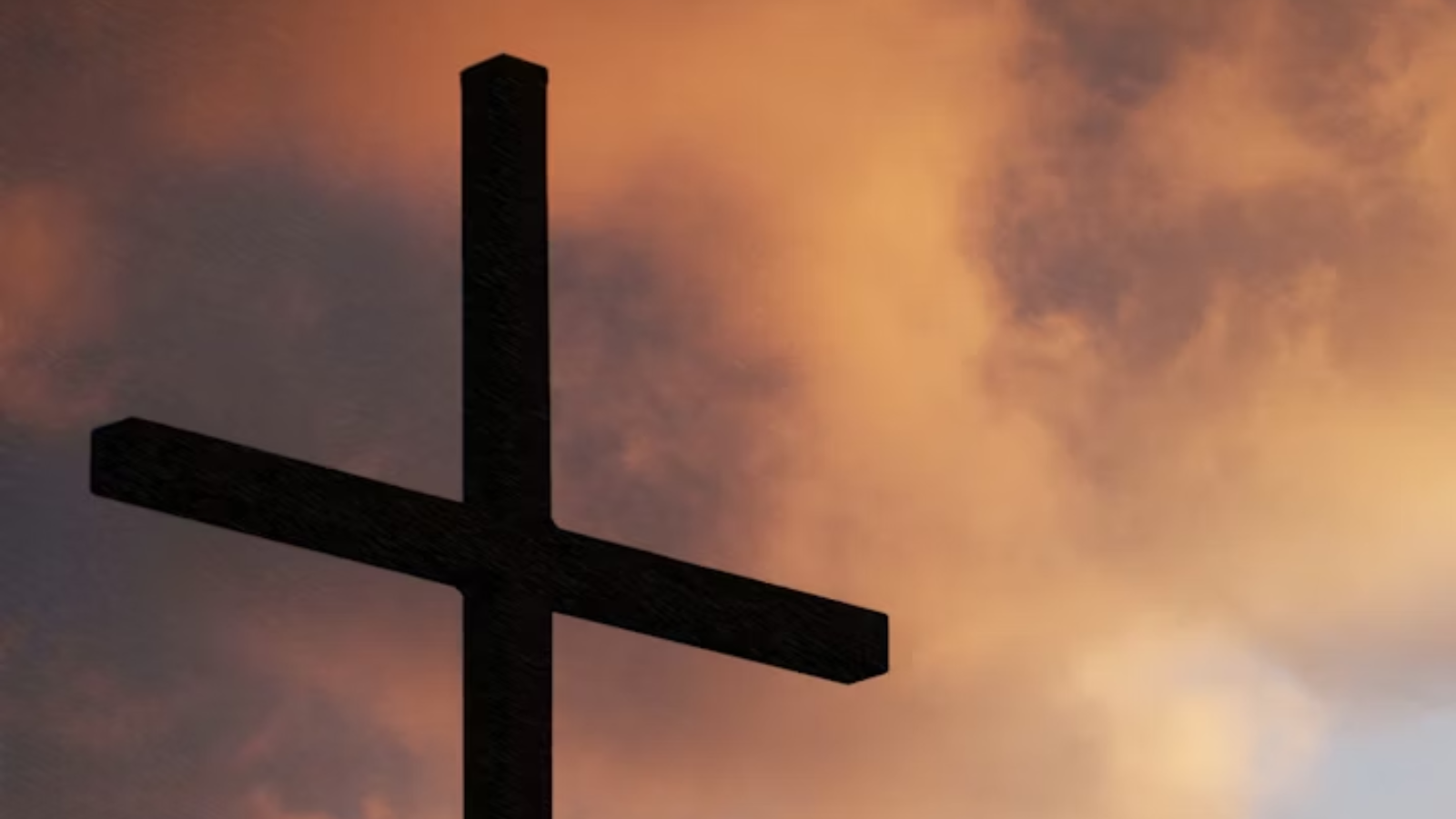
In Luke 23:34, Jesus said, “Father, forgive them, for they do not know what they are doing”. Photo/Unsplash
A Theology of Children (ATOC) by Reverend Nove Vailaau and Dr Elizabeth Clements points out that Jesus hitting a child for any reason would contradict what he taught and how he lived.
Vailaau concludes that “Jesus just wouldn’t do it”, so why should we?
A 2016 Stuff opinion piece by Vailaau made this same argument. During his pre-Christian Sāmoa research, he learned that “smacking played no part in [Sāmoan] religious rites”.
What would Jesus do? Photo/Unsplash
ATOC highlights multiple Sāmoan proverbs showing fa’asāmoa (the Sāmoan way) holds a culture of care.
It draws on how daughters are called the feagaiga (covenant), which denotes the mutual respect between brothers and sisters.
“O le tuafafine o le mea uliuli i le mata o le tuagane”, translates to “the sister is the pupil in the eye of a brother”.
Sāmoa. Photo/Unsplash
“O au o matua fanau” means “children are the parents’ liver (precious)” - children are as important as a person’s own organs.
“O fanau a manu e fafaga i fuga o laau, a o tama a tagata e fafaga i upu”, meaning, “the young ones of birds are fed with nectar; the children of people are fed with words”.
ATOC says this proverb promotes teaching children with words, not smacking.
The Royal Commission of Inquiry into Abuse in Care (AIC) reports that pre-colonial Māori revered tamariki (children), where “it was rare for adults to be violent towards them”.
Multiple Māori and non-Māori scholars, including early written accounts, found Māori society rarely chastised their children.
Dr Edward Shortland, a colonial administrator and interpreter, wrote that if a parent were to physically punish a child, a relative would likely intervene to protect the child.

Dr Edward Shortland wrote his anthropological account of Māori society in “Traditions and Superstitions of the New Zealanders”. Photo/Renaissance Books,
They would then seek penance through seizing pigs or other property.
Although abuse wasn’t entirely absent, pūrākau (myths and legends), waiata (songs), whakataukī (proverbs), and tikanga (customs) showed abuse was not condoned and had consequences.
Jesus also revered children like traditional Māori and Sāmoan society.
In Matthew 18:3, Jesus says: "unless you change and become like little children, you will never enter the Kingdom of Heaven".
In Luke 17:21, Jesus says the "Kingdom of God is within you". I feel this mirrors how Buddhism champions "inner" peace.
Over 2000 years later, psychology highlights the importance of healing and integrating our "inner" child.
Jesus also says in Matthew 18:10 that "[children's] angels in Heaven always see the face of my Father in Heaven".
Some may argue that we're not Jesus, but that separatist attitude is the first sin and why spiritual bypassing has continued unchecked.
What is the point of asking what Jesus would do, or eating bread and wine as symbols for his flesh and blood, if the goal is not to be like him?
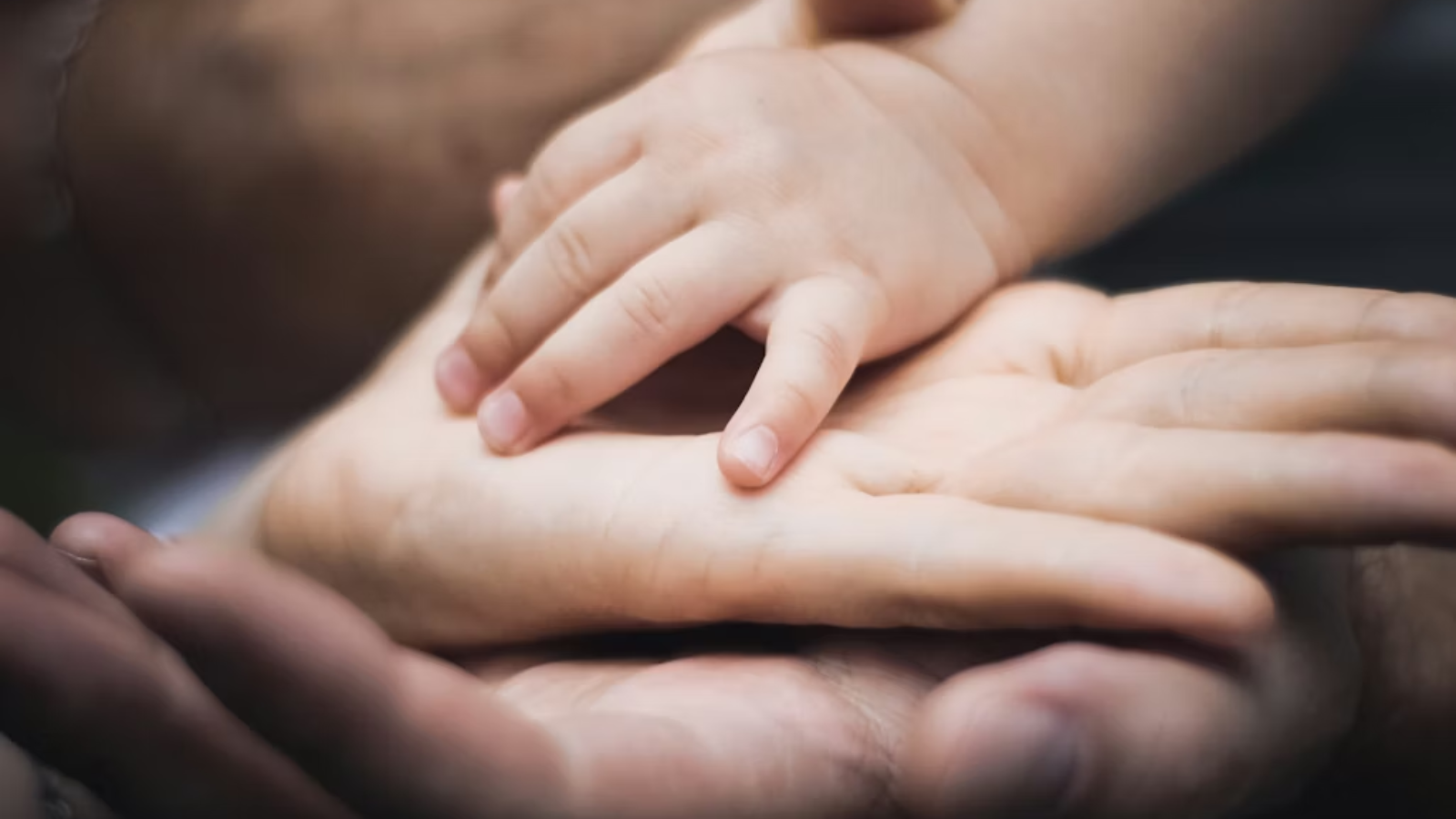
Jesus revered children. Photo/Unsplash
Jesus cherished children and wouldn't use physical discipline against them, therefore, neither will I.
Our ancestors frowned upon punitive physical discipline against children, therefore, so will I.
I'm not asking for an overnight change.
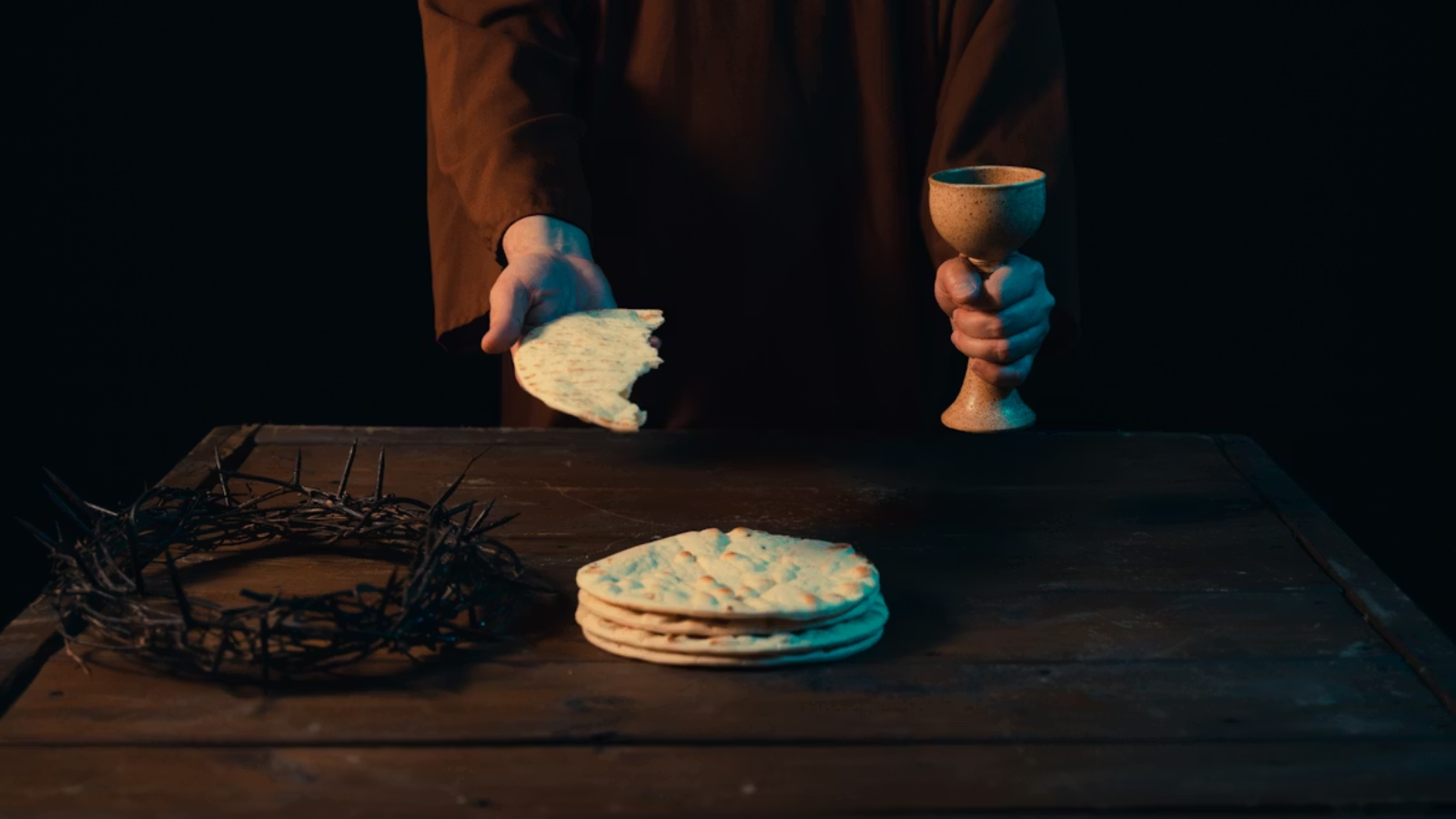
Eating bread and wine as the flesh and blood of Jesus is a central Christian act instituted at the Last Supper to symbolise participation in Christ's sacrifice. Photo/Unsplash
It starts with reviewing hitting, smacking or attacking children and correcting our own misbehaviour with love rather than fear.
We can be better than yesterday, today, for tomorrow. Because after all, children are the future.