Semo Sititi: Making the All Blacks and Black Ferns is the easy part
Christine RovoiSun, 23 Aug
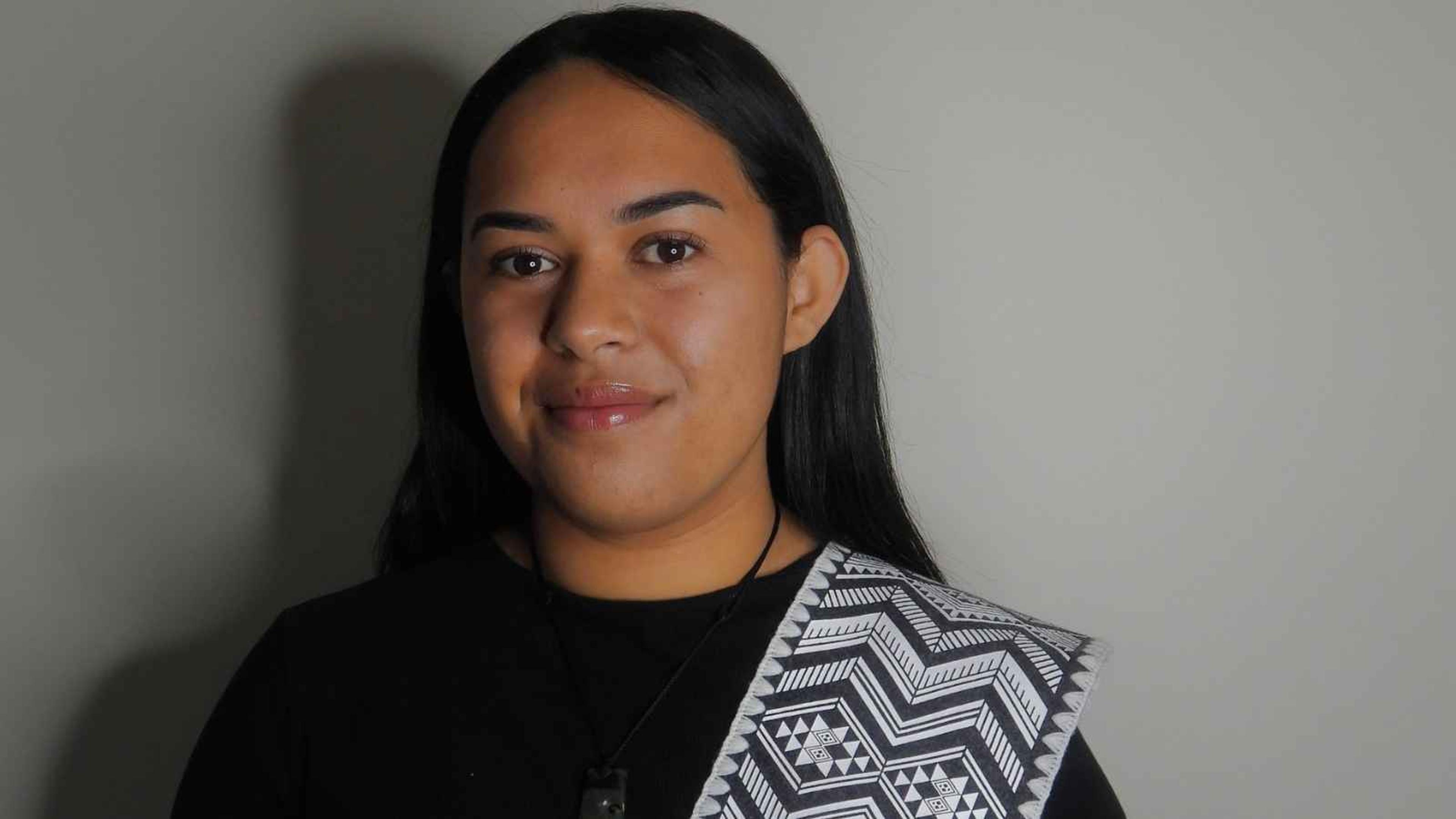
Councillor, Keshaan Te Waaka.
Photo/Supplied
Keshaan Te Waaka says the challenge now is making Māori representation the norm, not the exception.



At just 21, Keshaan Te Waaka has become the youngest Māori councillor in Tararua in the Manawatū-Whanganui region.
She is also likely the last elected through a Māori ward for years to come.
As the Tararua District Council enters its final term with a Māori ward in place, Te Waaka says the loss of the seat has added urgency to her role and to the wider push for Māori voices to be present at decision-making tables.
Elected in October, Te Waaka told PMN News that becoming the district’s final Māori ward representative for at least the next six years has been a bittersweet experience.
The Tararua District Council voted to remove Māori wards following a binding referendum. The decision will apply to the next two local government elections, in 2028 and 2031.
“It was upsetting,” she said. “It was hard to celebrate getting into council when those results came with it. But I believe that I was voted into this position by my community to think forward, to think beyond the wards.”
The Tararua District Council is the local government authority for the Tararua District in New Zealand's North Island, responsible for infrastructure, services, and regulatory functions for its community. Photo/Supplied
Te Waaka won the Tamaki nui-a-rua Māori ward seat by a narrow margin, receiving 335 votes, just 60 more than her only competitor.
Instead of seeing the end of Māori wards as the end of Māori representation, she says the focus must now shift to normalising Māori voices across all areas of local government.
“I said this when I campaigned that I never wanted to see this [Māori ward] position around when my grandchildren come along because that means as a country we haven’t evolved.”
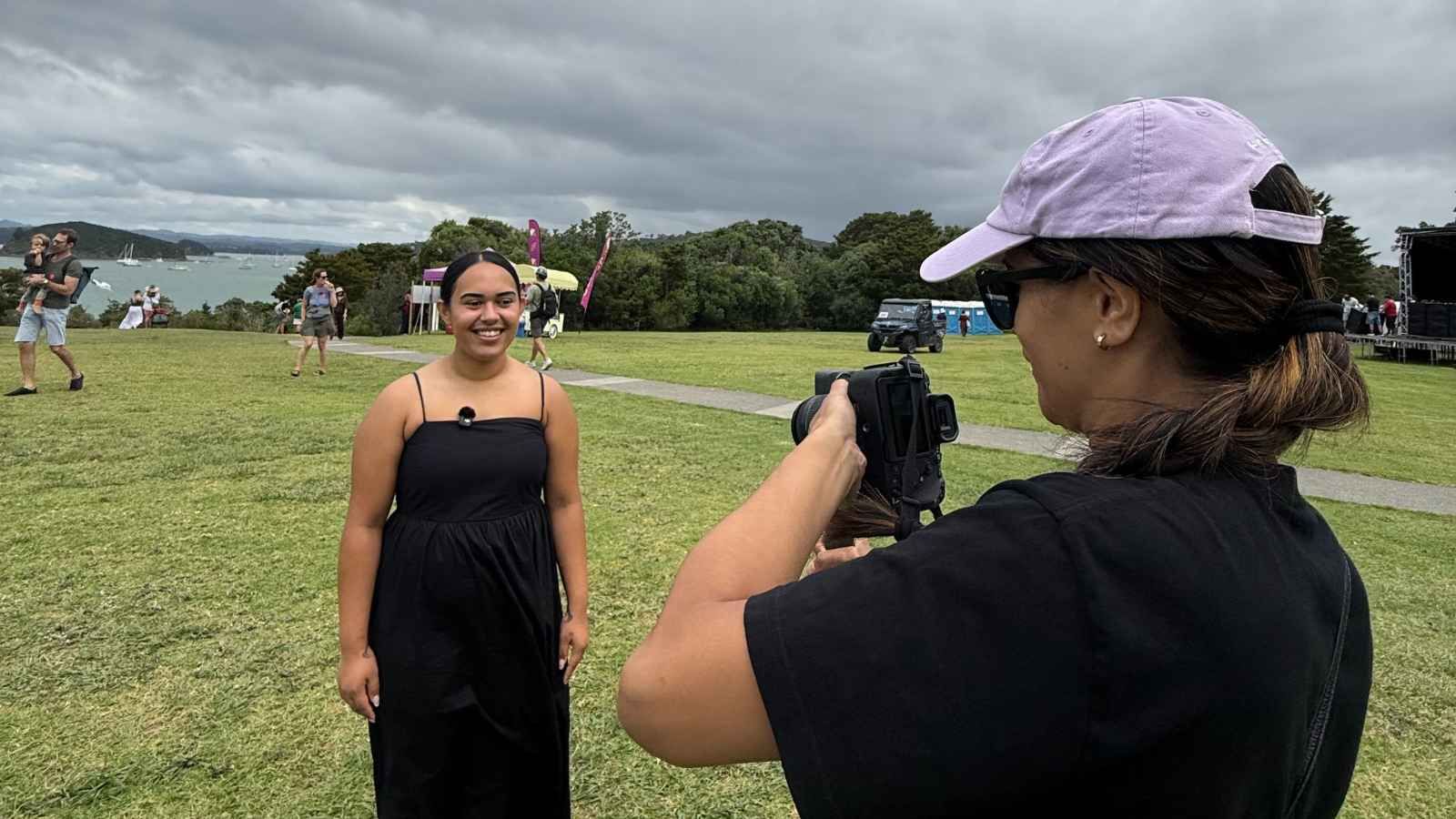
Keshaan Te Waaka speaks with to PMN News at the Waitangi Treaty Grounds. Photo/PMN News/Ala Vailala
Te Waaka has not ruled out standing in a general seat in future elections, saying Māori should not have to rely on designated wards to be represented.
The Tararua District Council covers a big rural area in the lower North Island, including towns like Dannevirke, Pahiatua, Eketāhuna, and Woodville.
According to the most recent Census, the district has just over 19,000 residents, with 17.8 per cent identifying as Māori and 8.9 per cent as Pacific.
Despite the challenges Māori and Pacific candidates face in local government, Te Waaka says her experience stepping into council has been more welcoming than she expected.
This term, she has been appointed to lead two newly-created portfolios - youth and marae. She says laying strong foundations in these areas is one of her top priorities.
“I want to make sure those portfolios have great foundations so that no matter who steps into council, they have solid foundations and our community knows how they can use their voice in those portfolios and just really establish those well.”
Watch a snippet from Keshaan Te Waaka's interview below.
One of the most rewarding parts of the role, she says, has been seeing young people recognise themselves in leadership.
With general elections approaching, Te Waaka is urging Māori and Pacific communities not to disengage, even as the structures of representation change.
“Every vote has mana,” she said. “It’s important to vote, to have our say, to control our āpōpō and to have our input into this country and our tomorrow.”