Pacific diplomats strengthen ties through New Zealand training
PMN NewsMon, 26 Oct

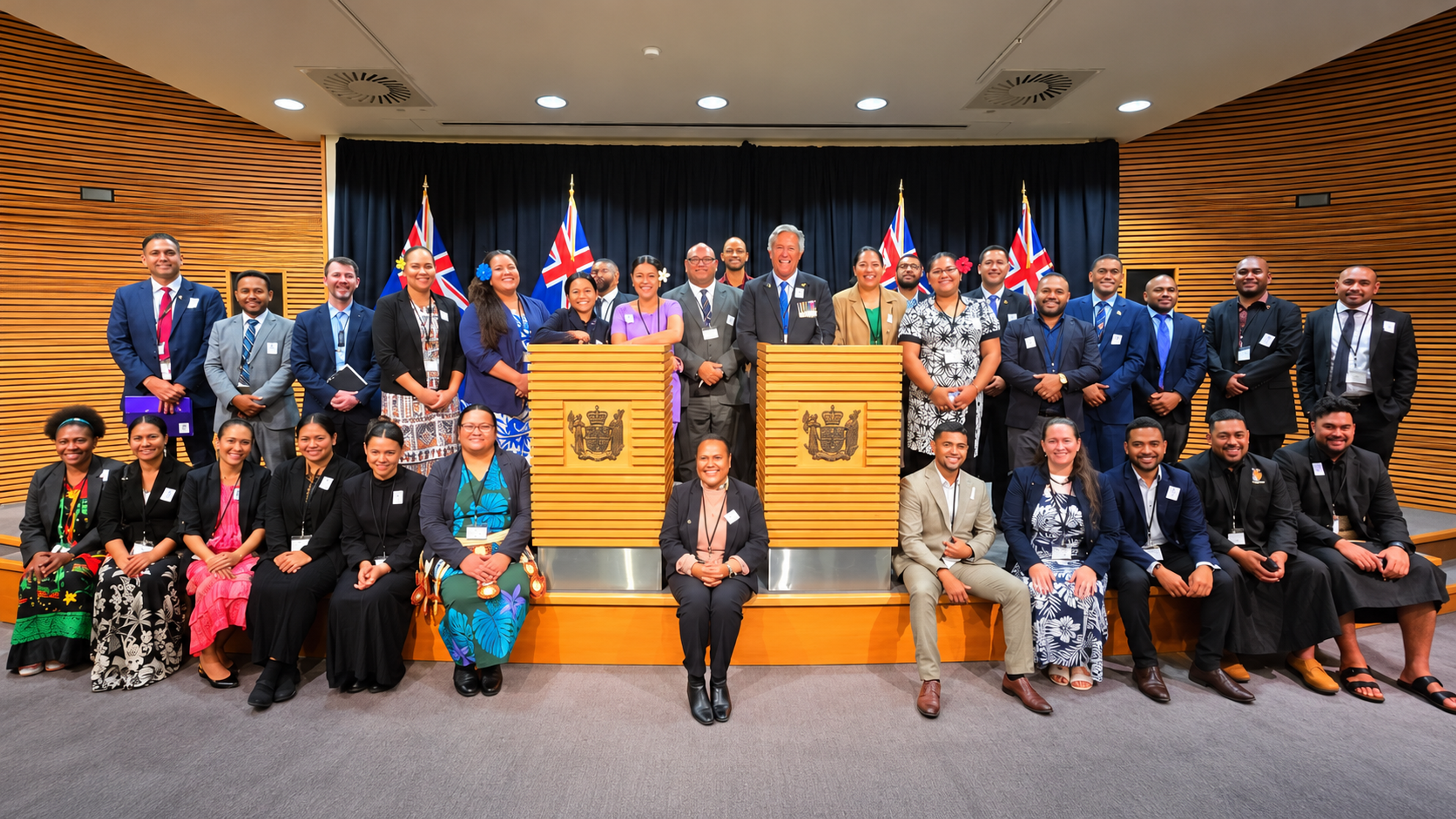
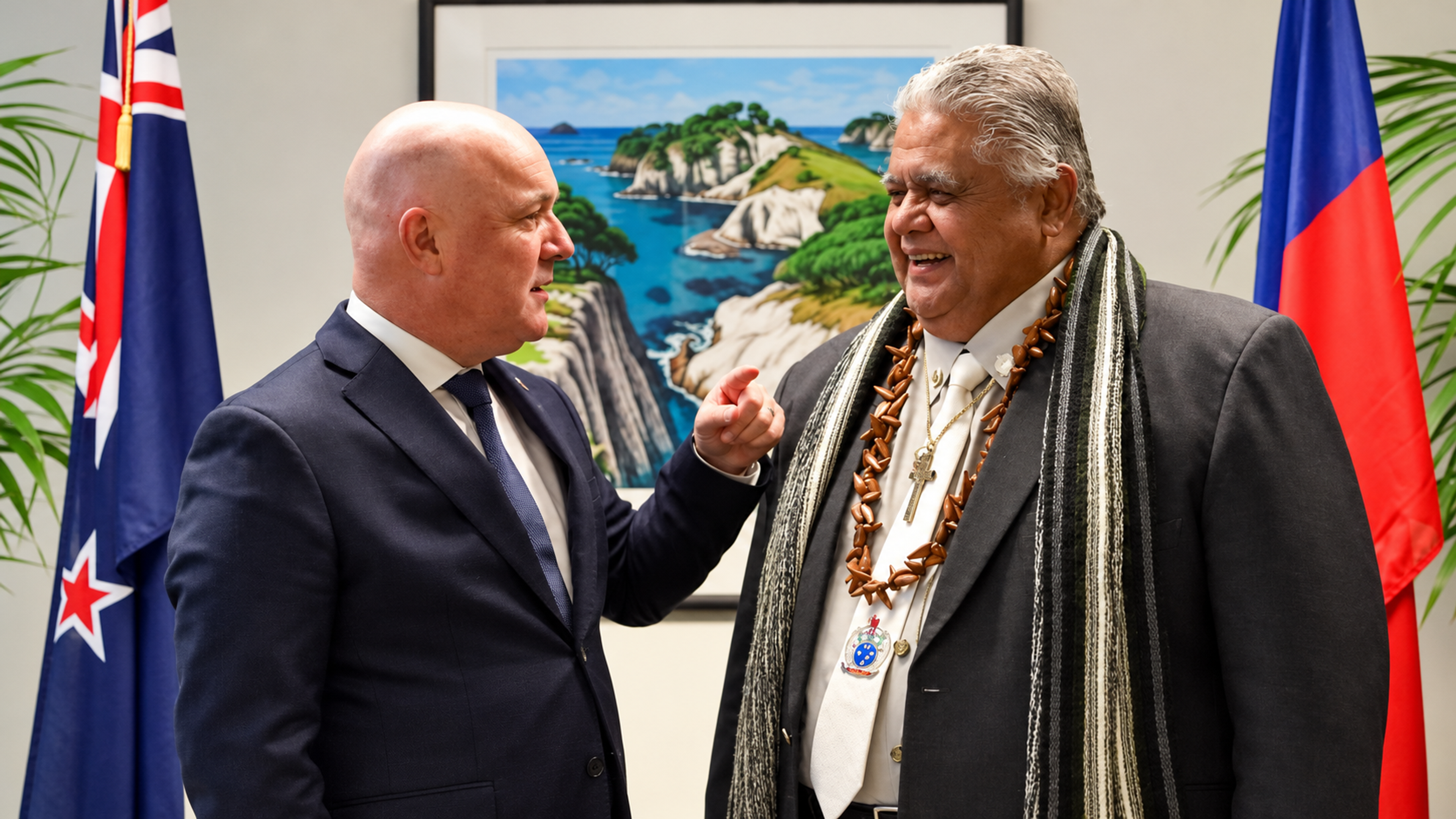
Police Minister Mark Mitchell (left) and Justice Minister Paul Goldsmith (right).
Photo/Supplied
Youth advocate Aaron Hendry says plans to give police move-on powers for children as young as 14 risk punishing homelessness instead of fixing it.



When a 14-year-old has nowhere to sleep, where are they supposed to go?
That is the question youth advocate Aaron Hendry is asking as the Government moves to expand police powers to issue move-on orders to children as young as 14.
Under proposed changes to the Summary Offences Act, police would be able to issue written orders requiring someone to leave a public place for up to 24 hours.
The orders could be used if a person is seen as disorderly or disruptive, begging, rough sleeping or blocking business, and would require them to move a “reasonable distance” away.
Justice Minister Paul Goldsmith says town centres have been “blighted by disruption and disturbance” and that the changes will help restore order.
Police Minister Mark Mitchell says officers will work with social and housing services as the new powers are rolled out.
Watch Aaron Hendry's full interview below.
But Hendry, who runs Auckland youth support service Kickback, says the policy risks criminalising children who are already in crisis.
“Kickback currently is monitoring around 200 young people and children across the city and we've served some of the kids as young as nine who we've found experiencing homelessness and sleeping rough in the city centre,” Hendry said in an interview on Pacific Mornings.
“So it really concerns us that instead of the government making the decision to invest in solutions, they have decided to implement what is a really punitive and draconian policy that will only push people further into harm and away from the support that they need.”

As of late 2025, homelessness in Auckland has risen significantly, with roughly 940 people experiencing homelessness across the region, according to a report from the Salvation Army and Community Housing Aotearoa. Photo/Supplied
For Pacific communities, the stakes are high. Statistics New Zealand figures show Pacific people make up around eight per cent of the population but account for about 19 per cent of those experiencing severe housing deprivation.
This includes rough sleeping, living in poor housing or staying temporarily with others because they have nowhere else to go.
Pacific children are also far more likely to live in crowded homes, a key risk factor for housing instability and homelessness.
Hendry says move-on orders do not solve the problem of a young person with no home. He says Kickback can move young people from the street into shelter within hours but only when there is enough funding and support in place.
“That's because we've been able to organise with landlords, with MSD, the resources we have to do what we can for our people and get them the support that they require.
“But where we lack is a really significant investment to do this and it's the scale that is needed to respond to this crisis.”
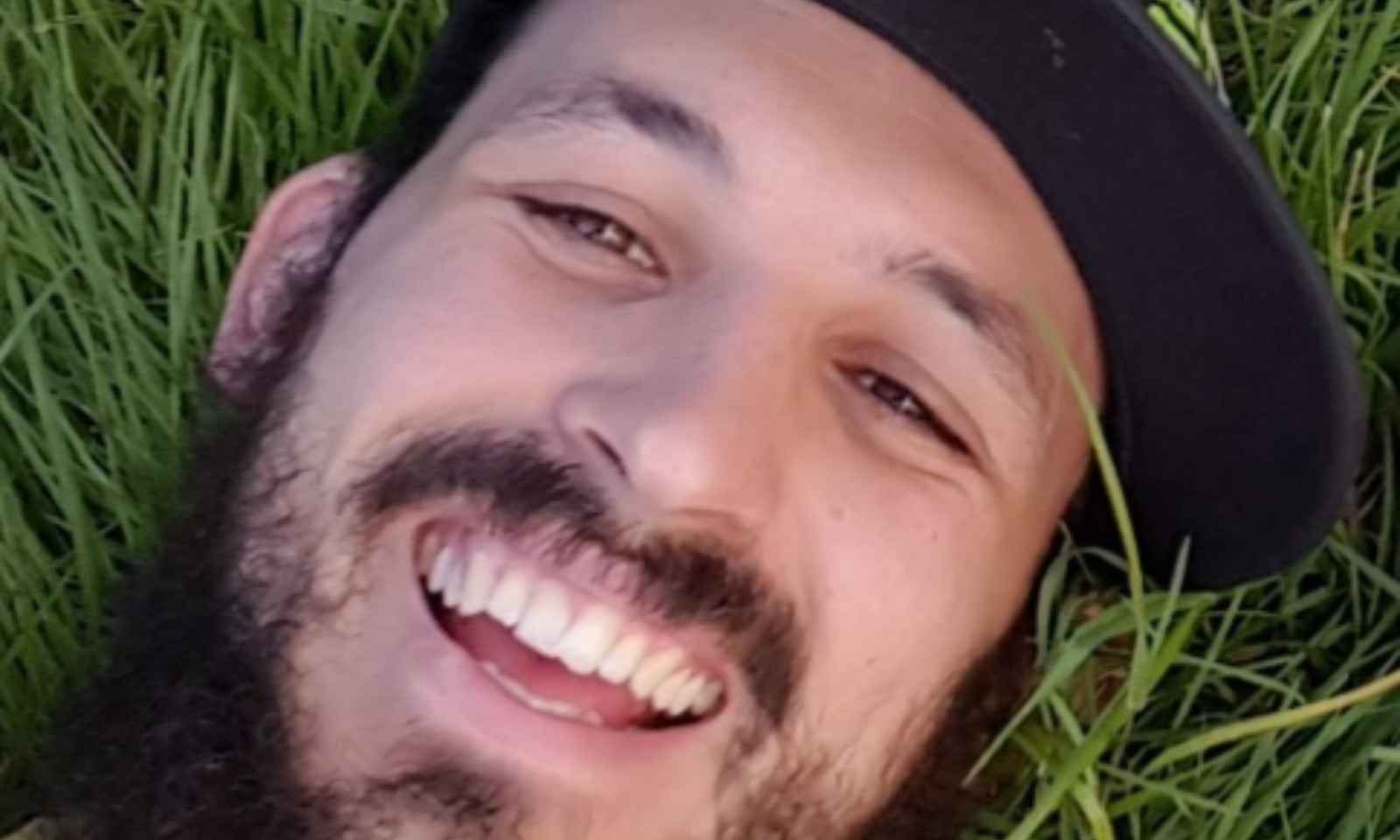
Aaron Hendry is a youth development worker, rangatahi advocate, and director of Kick Back, which works on youth homelessness in Aotearoa. Photo/Supplied
Hendry points to community-led models such as Auckland City Mission where people can walk in and receive wraparound support - from emergency housing to longer-term help.
He is also calling for stronger “duty to assist” laws to make it clear the state has a responsibility to help people at risk of homelessness instead of turning them away.
“That's because we've been able to organise with landlords, with MSD, the resources we have to do what we can for our people and get them the support that they require. But where we lack is a really significant investment to do this and it's the scale that is needed to respond to this crisis.”
For many Pacific families already facing housing pressure, he says enforcement-first policies risk deepening the harm.