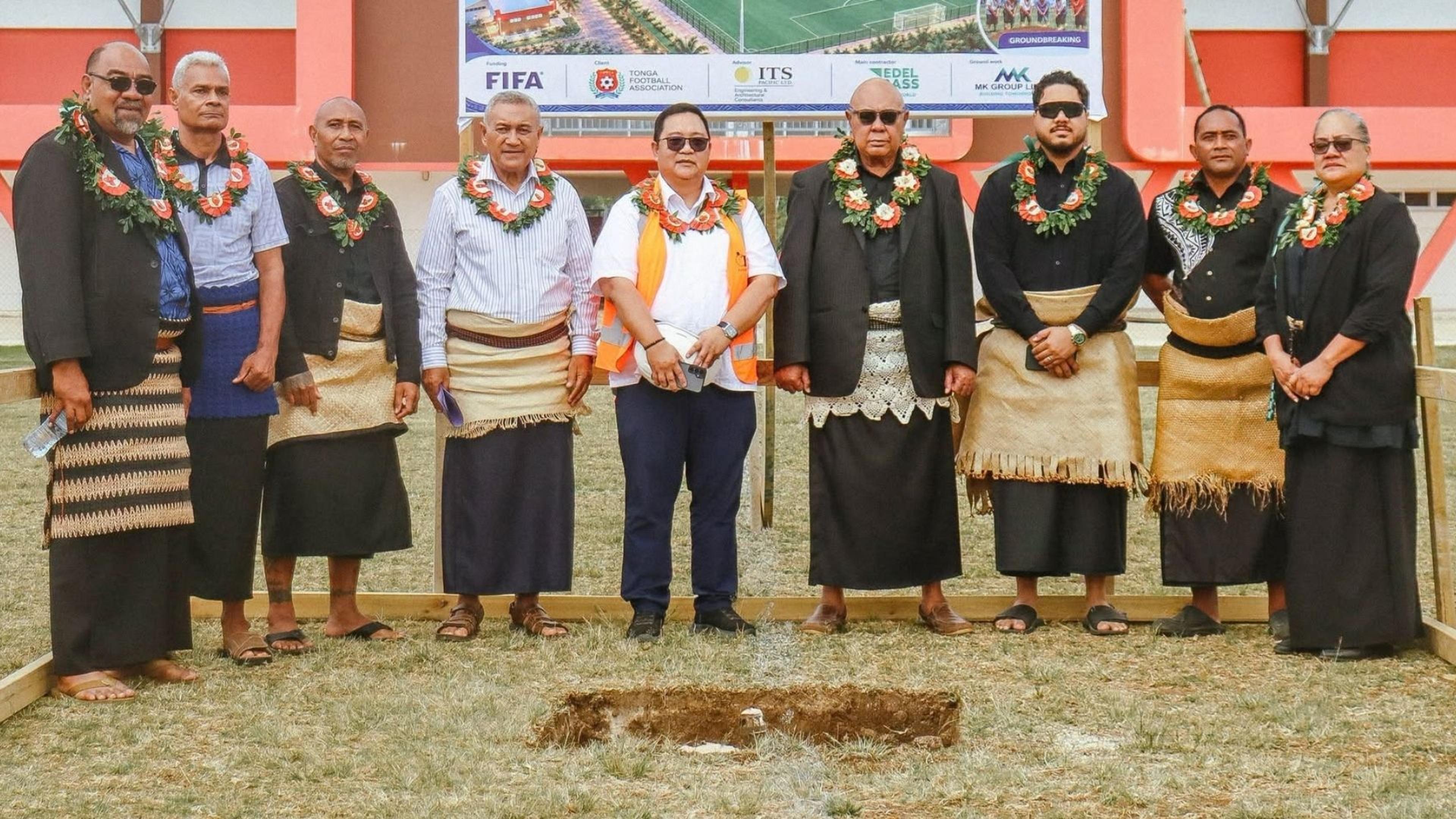
Tongan workers in line for jobs as FIFA-backed soccer turf takes shape
Elton Lonaratha JnrThu, 08 Oct
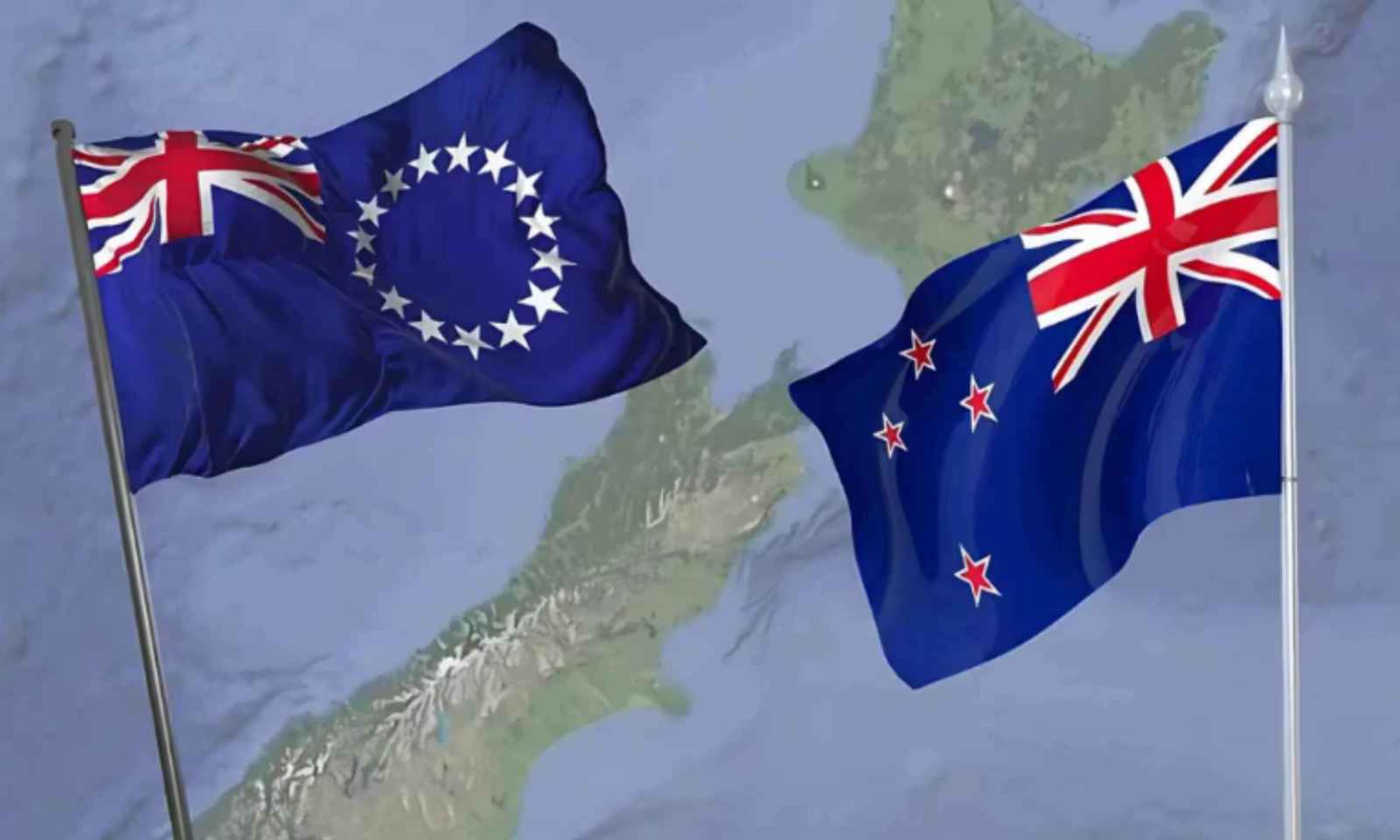
As of late 2025, New Zealand has paused direct budget support to the Cook Islands—amounting to roughly $30 million.
Photo/Supplied
Months after New Zealand suspended $30 million in development aid, a Cook Islands opposition candidate says infrastructure projects in Rarotonga remain on hold.

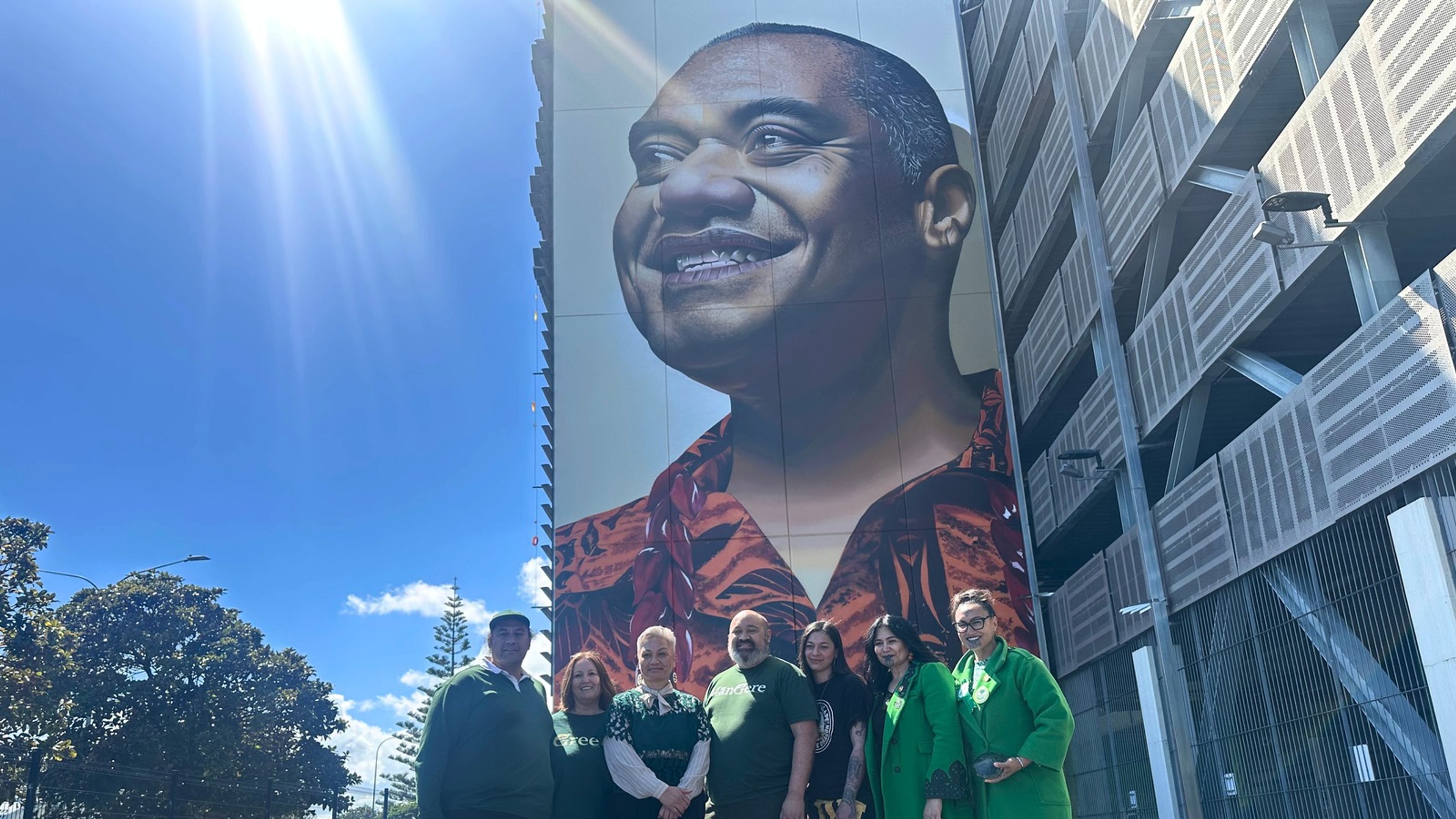
Some infrastructure projects in the Cook Islands are still being delayed, months after New Zealand suspended $30 million in development funding in June 2025 amid ongoing diplomatic tensions.
Cook Islands Democratic Party candidate Sholan Ivaiti says communities are feeling the impact of the pause, which followed strain relations between Wellington and Rarotonga over the Cook Islands’ engagement with China.
In an interview on Pacific Mornings, Ivaiti says several development projects have yet to progress.
“I would say those projects are probably political points for them [the government] if they are delivered,” Ivaiti says. “Because those funds haven't come through, it's actually put some of them on the back burner.”
Ivaiti says some village road projects remain unfinished. He said residents had been told that work in Titikaveka, a district in Rarotonga, is expected to be completed by April.
He says the Cook Islands government has taken steps requested by New Zealand and is now waiting for Wellington to respond.
Watch Sholan Ivaiti's full interview below.
The funding suspension was confirmed last year after relations between the two countries became strained. Since then, both sides have said discussions are ongoing
New Zealand Foreign Affairs Minister Vaovasamanaia Winston Peters says efforts to resolve the issue are continuing but he did not give a timeframe.
“There's still a work in progress, no updates at the moment, but that probably is because we've just finished the Christmas season, it's the new year and everybody's gone back to work,” Peters told William Terite on Pacific Mornings.
Watch Vaovasamanaia Winston Peters' full interview below.
The Cook Islands marked 60 years of free association with New Zealand last year. Under the constitutional arrangement, the Cook Islands manages its own domestic affairs while Aotearoa is responsible for defence and foreign affairs and provides budgetary support.
Both countries are preparing for general elections this year.
Ivaiti says the broader economic impact of the funding pause has been cushioned by a strong tourism recovery following the pandemic. But he said development delays remained a concern.
He also backed calls from regional leaders for renewed dialogue. Niue Prime Minister Dalton Tagelagi has proposed a roundtable discussion between Realm countries.
The Cook Islands and Niue are self-governing states in free association with New Zealand and part of the New Zealand Realm.
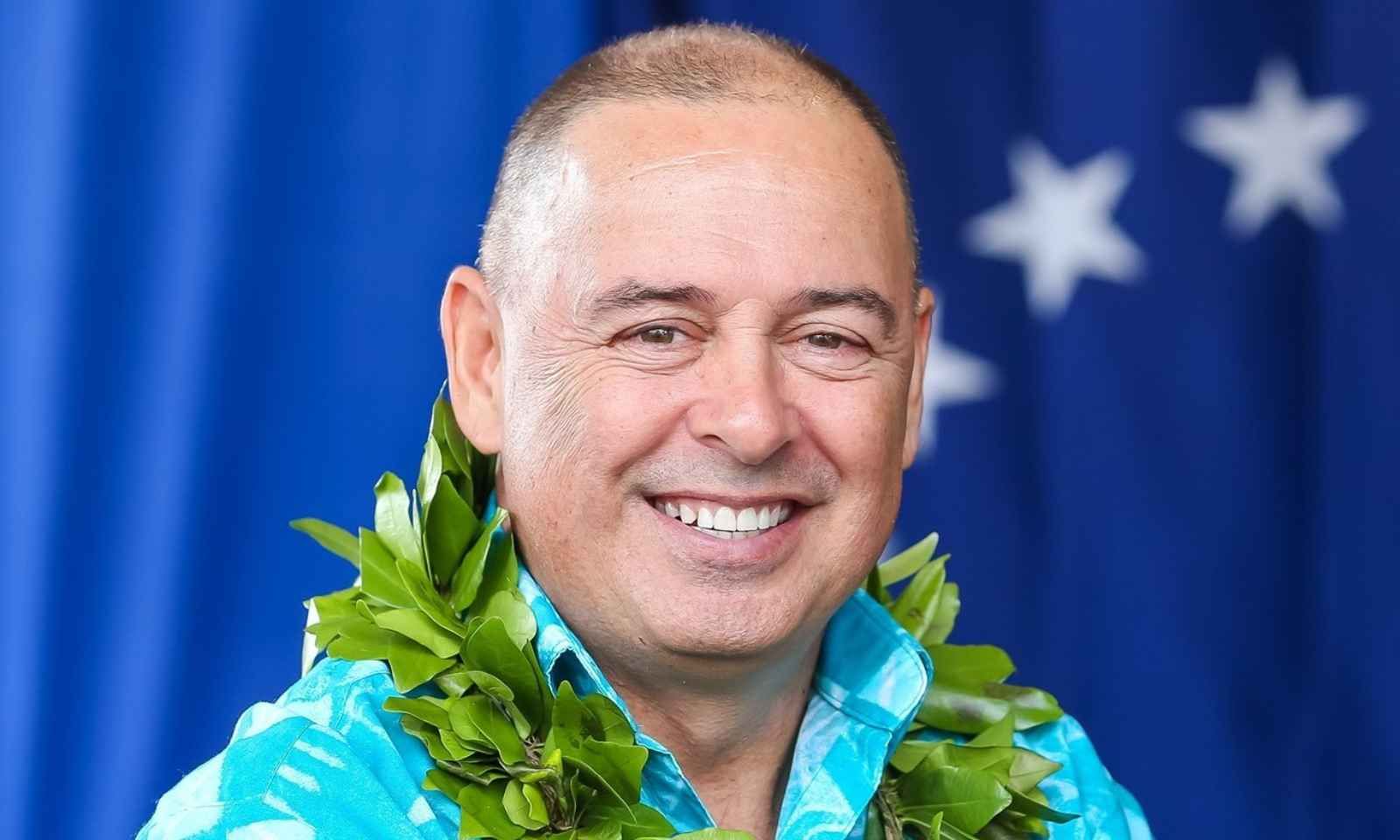
Cook Islands Prime Minister Mark Brown. Photo/Supplied
Tokelau is also part of the Realm but remains a non-self-governing territory. The Cook Islands and Niue manage their own domestic affairs while Aotearoa is responsible for defence and foreign affairs.
People born in all three Realm countries, including Tokelau, which has its own local administration, hold New Zealand citizenship.
Ivaiti says dialogue is the best path forward. “When there’s a conflict, we sit down, we talk about it, we resolve it,” he said.
Peters says New Zealand remains open to dialogue and solutions that protect the long-term relationship.
“We are open to listening and hearing anyone out in terms of their suggestions and I would not jump to a conclusion and give you a response until we've thoroughly considered such an idea but that's the Pacific way,” Peters says.
The Cook Islands government has been approached for comment.