
David Seymour wants tougher welfare rule as Labour targets hidden costs in 2026 election
Thomas Tarurongo WynneFri, 09 Oct
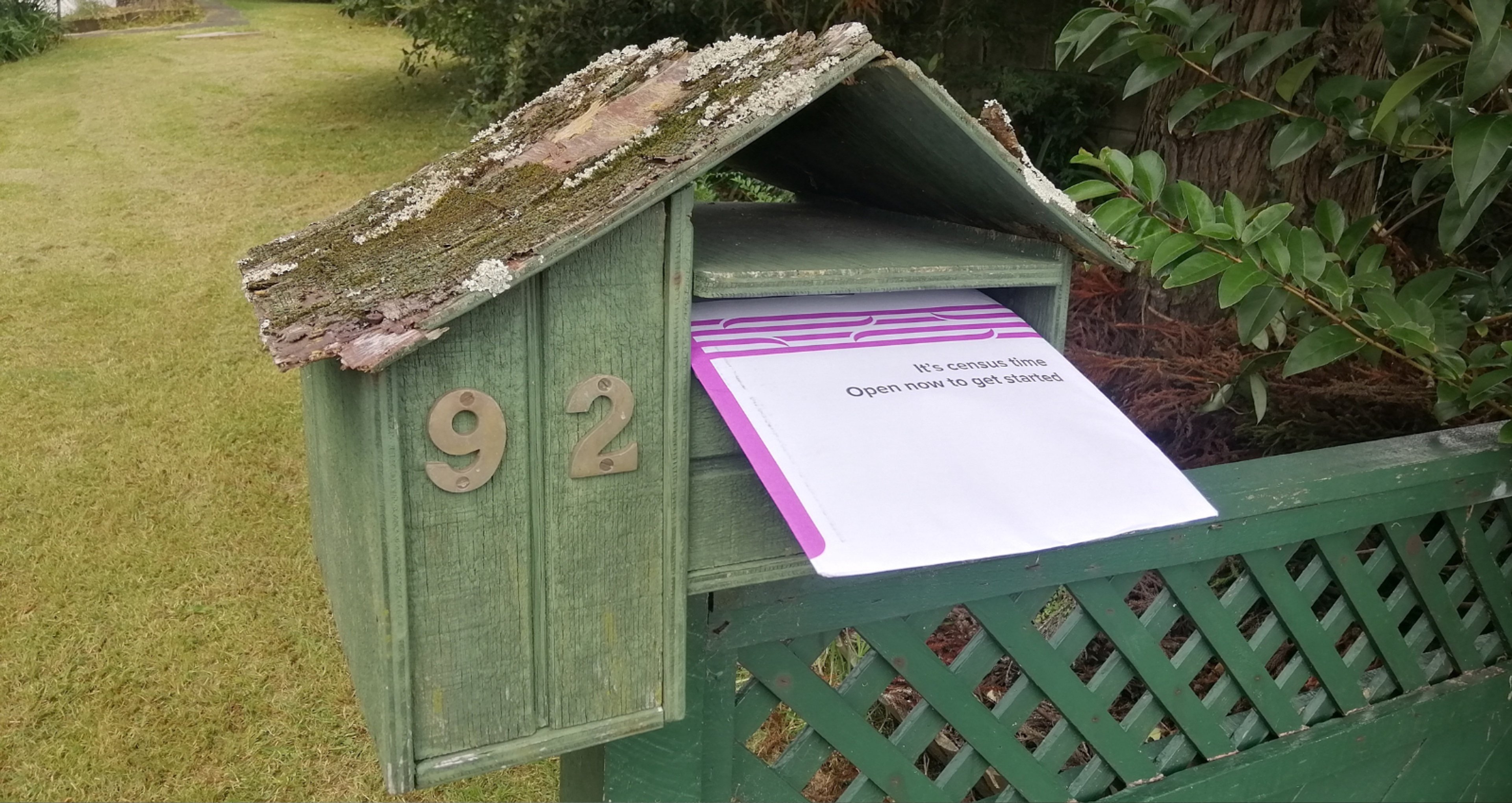
Households may no longer have to complete a five-yearly Census.
Photo/PMN News/Khalia Strong
A planned shift to a data-driven census could cut costs. But experts warn it may erase the details Pacific communities rely on to be supported.

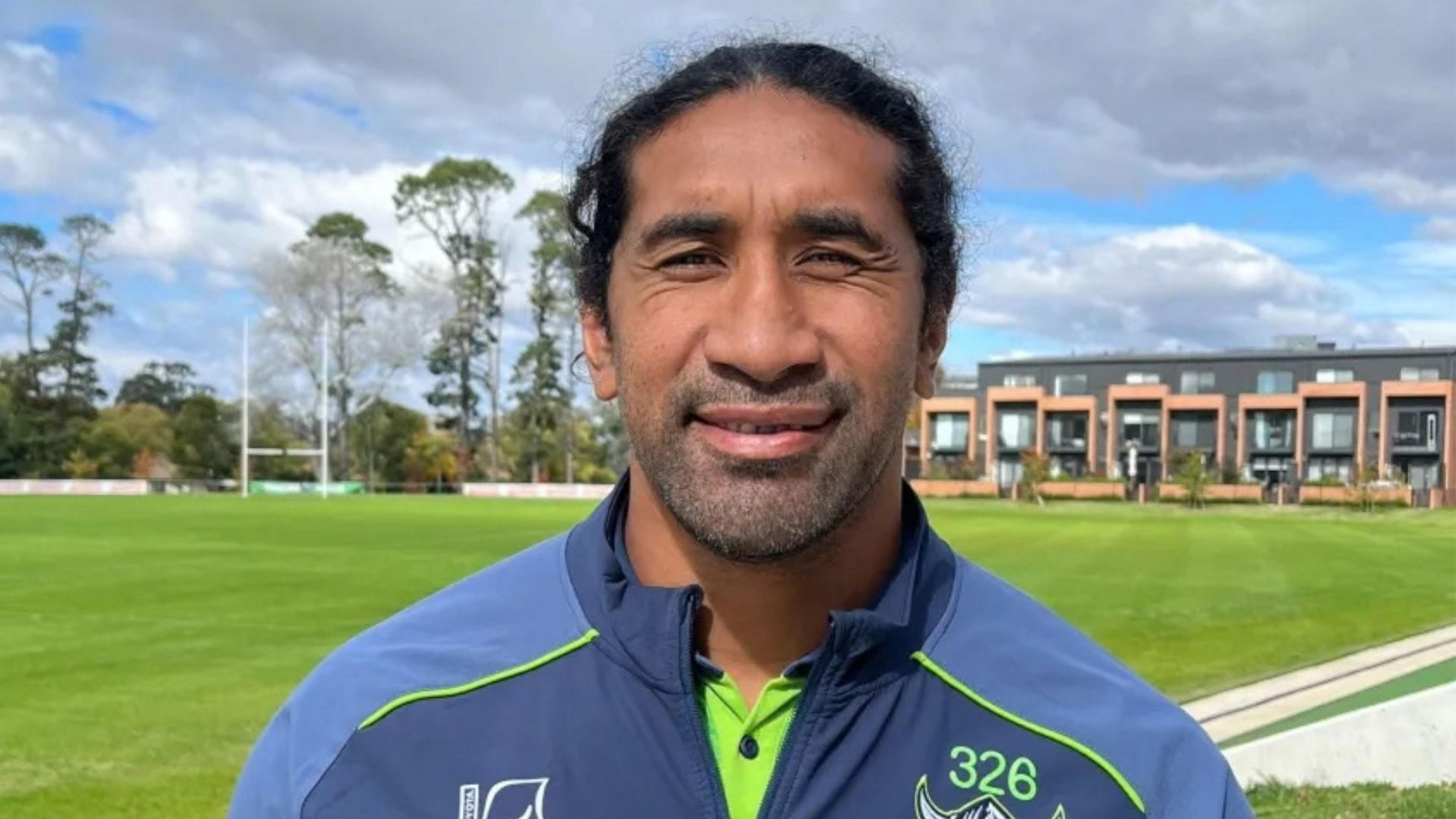

New Zealand is planning to change how it counts its people but some say Pacific communities could be the ones who lose out.
Under a proposed overhaul, the government aims to move New Zealand from its traditional five-yearly census and instead rely mostly on existing Government data backed by smaller annual surveys.
Ministers say the change is needed as costs rise and fewer people complete the census. But critics warn the system may miss the lived reality of Pacific families.
Former Government Statistician Len Cook says the risk is clear: losing the “rich detail” that helps communities advocate for their needs.
“You need to have the rich detail that we get from the current census,” Cook tells William Terite on Pacific Mornings. “We won't be able to calculate the New Zealand debt indexes anywhere near that accuracy.
“These have a huge impact on Māori and Pacific households who are going through quite a significant economic transformation.
“We need to know, are the schools in New Zealand where Māori or Pacific children live, if they're in poorer areas, are [they] being given the same quality of resources as elsewhere?”
The government’s Data and Statistics (Census) Amendment Bill would see New Zealand rely more on records from tax, health and education systems, with Stats NZ producing population data every year from 2030.
In a media release, Statistics Minister Dr Shane Reti and Justice Minister Paul Goldsmith say the current model is under pressure from “rising costs, declining response rates, and disruptions from events such as natural disasters”.
But for Pacific communities, mostly made up of smaller, diverse groups, the concern is not just about numbers, but visibility.
Watch Len Cook’s full interview below.
Cook says these communities risk being flattened into broad categories, making it harder to understand what different groups actually need.
“Their population change, dynamics, importance and concentration of particular areas needs to be continually able to be understood.
“This is a community which is going to produce 40 per cent of New Zealand's workforce at age under 40 in New Zealand in 20 years.
“Māori and Pacific are both a critical part of the economic dynamism of New Zealand over the next 20 years as my generation of Europeans ages out.”

Ministry for Pacific Peoples and Stats NZ 2023 campaign increased response rates. Photo/Ministry for Pacific Peoples
Other experts share similar concerns.
Professor Tahu Kukutai says there are already “glaring data gaps” in government records, including basic information like iwi affiliation.
Researchers from Pacific Perspectives Limited warn the new model could make things worse for mobile and underserved groups, who are less likely to appear clearly in official data systems.
At the same time, a separate Electoral (District Boundaries) Amendment Bill, proposes changing how often electoral boundaries are reviewed, shifting from a census-based system to a fixed six-year cycle, beginning in 2030.
In a statement, Te Pāti Māori Co-Leader Rawiri Waititi says the delay is "completely undemocratic” and could hold back Māori representation until 2032, even as populations grow.

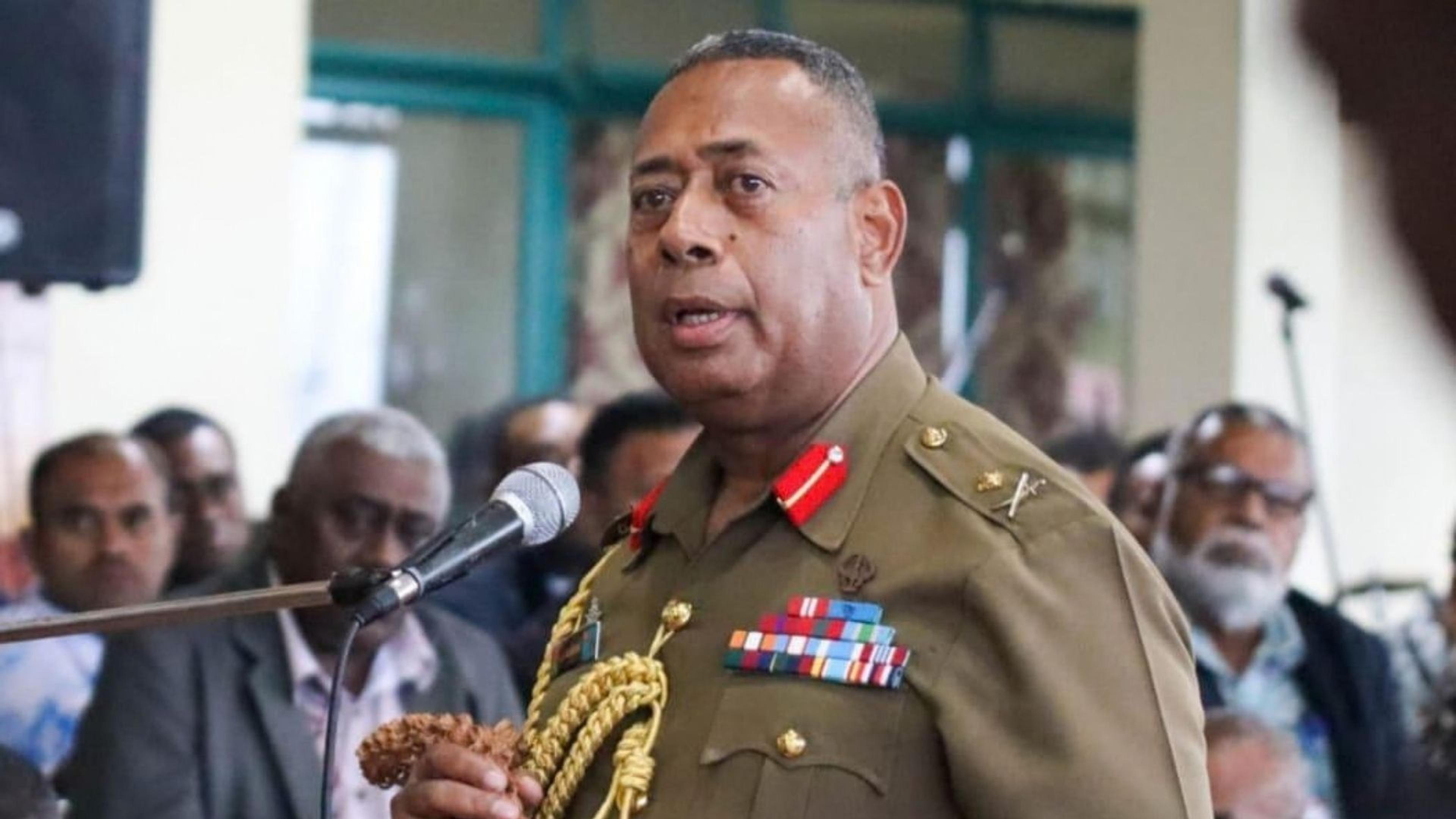
Dr Shane Reti and Justice Minister Paul Goldsmith say the Census changes are needed in light of rising costs, declining response rates, and event disruptions such as natural disasters. Photo/Unsplash
Waititi says the Māori roll is growing faster than ever, yet boundaries will continue to lag behind this growth.
In a 2025 Science Media Centre media release, critics argued against the Census change.
Dr Gerard Sonder and Dr Debbie Ryan, of Pacific Perspectives Limited, also argued that the model risks worsening existing gaps for mobile and underserved groups.
The New Zealand Council of Trade Unions Te Kauae Kaimahi (NZCTU) warns that the legislation has not yet received the level of scrutiny required for such a generational shift in national infrastructure.
Representing over 320,000 union members, the NZCTU recommends that the Government pause the bill until an independent review can be conducted to investigate the potential impact on data quality across all census questions and population groups.
Together, the changes point to a bigger question: who gets counted and how that shapes power.
For Pacific communities, the census has long been more than a headcount. It is a way to show where people live, how families are doing, and what support is needed.
Census Stats NZ. Photo/Stats NZ
Cook says any move from that must be handled with care and proper scrutiny.
For now, unions and researchers want the government to pause and review the plan before it goes further.
Because oncethe detail is lost, they say, it is hard to get it back.
Submissions for the Electoral (District Boundaries) Amendment Bill close at 11.59pm tonight - to make a submission click here.
Submissions for the Data and Statistics (Census) Amendment Bill closes at 11.59pm tonight - to make a submission click here.