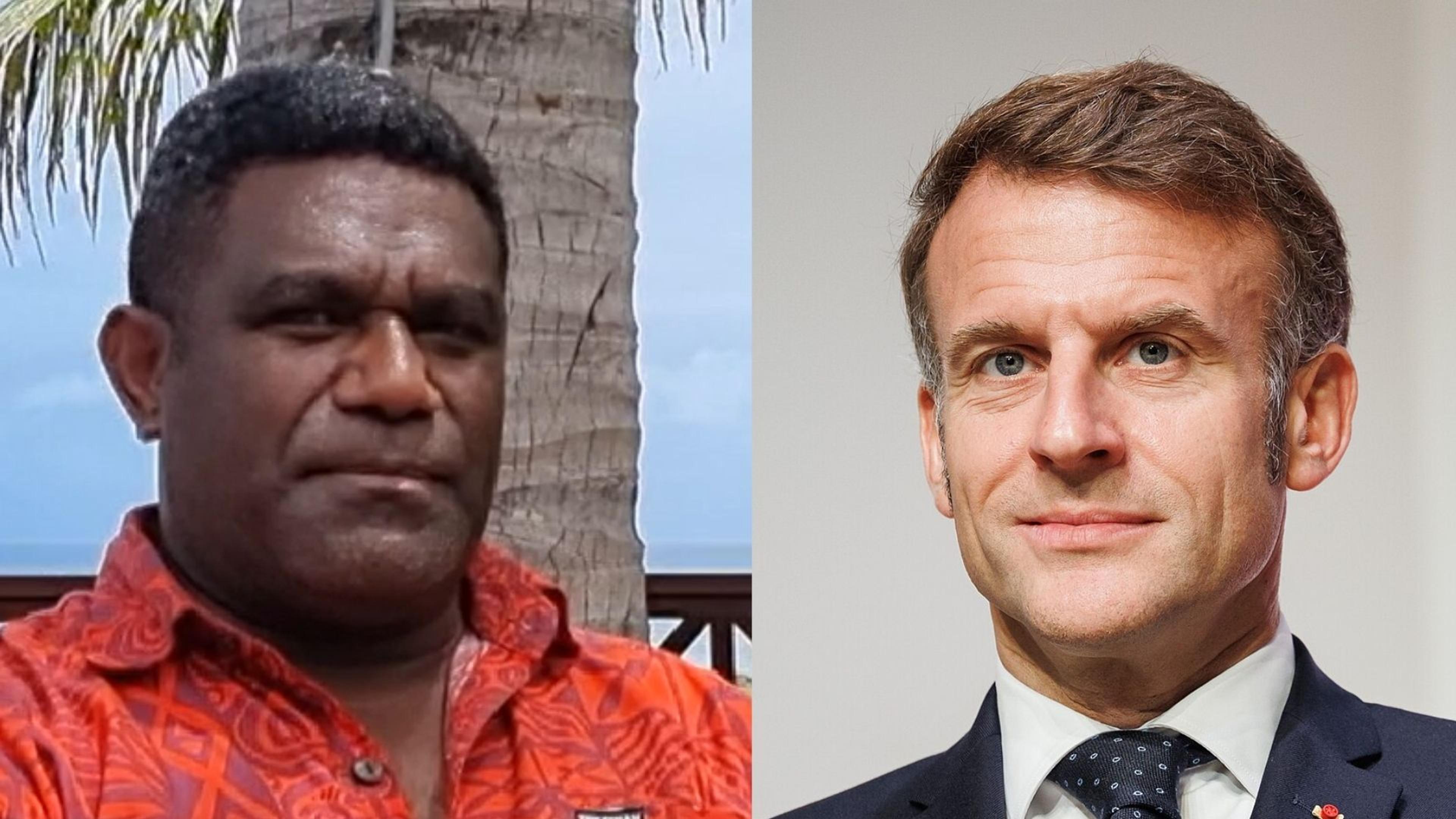
Vanuatu Deputy Prime Minister Johnny Koanapo and French President Emmanuel Macron. Koanapo says it will pursue international legal options after talks over the disputed Matthew and Hunter islands failed to reach an agreement.
Photo/Australia-Pacific Islands Business Council/STA/Nebojša Tejić
Politics
Vanuatu takes two islands' sovereignty fight beyond France after talks collapse
After two rounds of failed negotiations with France, Vanuatu says it will pursue international legal action over the disputed Matthew and Hunter islands.

Christine Rovoi
Published
13 July 2026, 6:30pm
Share
Copy Link
Top stories
World Vision warns children will pay for aid cuts beyond the Pacific
Thomas Tarurongo WynneMon, 12 Oct
Top stories
World Vision warns children will pay for aid cuts beyond the Pacific
Thomas Tarurongo WynneMon, 12 Oct
Vanuatu is preparing to take its long-running sovereignty dispute with France to the international stage after talks over the Matthew and Hunter islands ended without agreement.
Vanuatu's Deputy Prime Minister and Finance Minister, Johnny Koanapo, says the government will now pursue international legal options after a second round of talks with France failed to produce an agreement.
Speaking after briefing the Council of Ministers (COM), Koanapo told journalists the two sides remained "far apart" despite two days of negotiations.
The talks centred on the islands known in Vanuatu as Umaenupne (Matthew) and Umaeneg (Hunter), which Vanuatu has claimed since gaining independence in 1980.
France had already made clear it would not give up its claim to the islands before the latest round of talks.
Ahead of the negotiations, France's Ministry for Europe and Foreign Affairs dismissed reports it was considering handing sovereignty to Vanuatu as "false information".
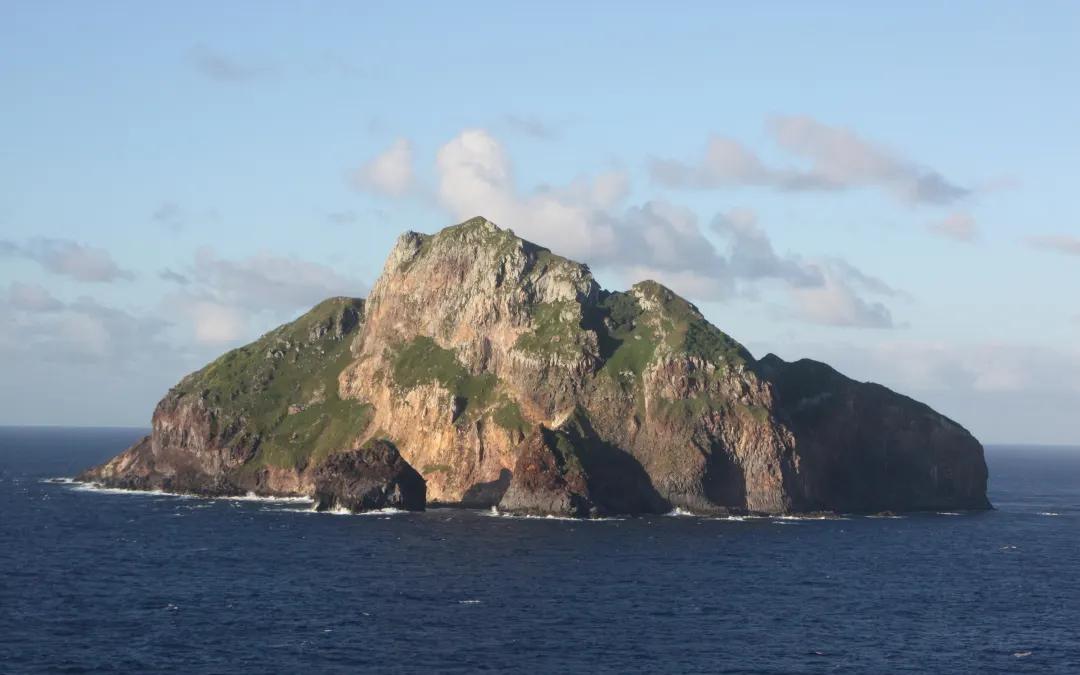
The Vanuatu government says the country’s position on Matthew and Hunter islands remains unchanged as it prepares to explore international legal options. Photo/wikicommons
"Let it be very clear: national sovereignty is neither negotiated nor abandoned," its statement read. "No cession of territory or renunciation of our sovereignty was discussed [with Vanuatu]."
France has consistently maintained that its claim over Matthew and Hunter is not up for negotiation. The islands are also strategically important because they underpin France's large Exclusive Economic Zone in the southwest Pacific.
During the talks, France put forward a proposal for the two countries to jointly manage the islands. French officials said the arrangement would help address issues such as fishing, scientific research and maritime boundaries while allowing Vanuatu customary and physical access without changing France's legal claim to the islands.
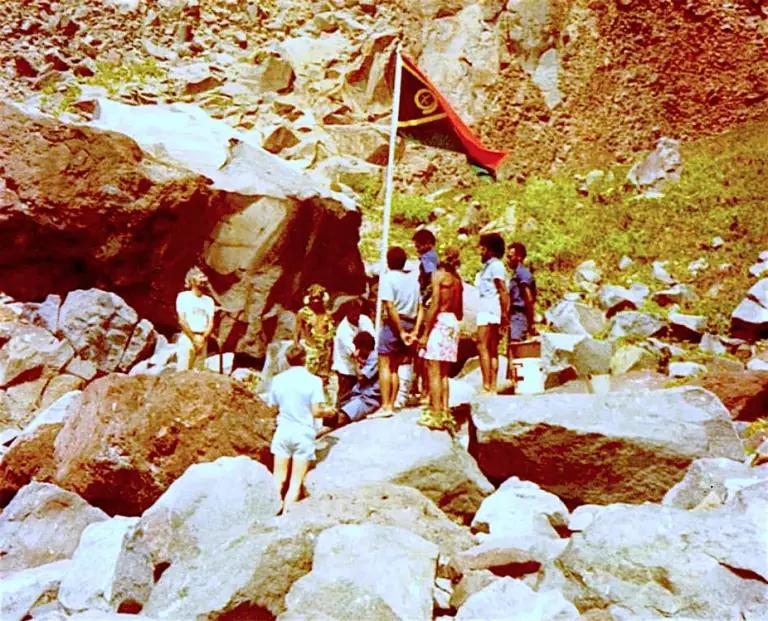
At 1.30pm on 9 March 1983, the Vanuatu flag was hoisted on Hunter Island, known to the people of Aneityum as Leka, and the national anthem sung as the active volcano was reclaimed for Tafea, Matthew and Hunter being uninhabited remote outliers of the southernmost province. Photo/vanuatudigest.com/Bob Makin/file
Koanapo said the proposal was firmly rejected because it suggested France would allow Vanuatu access to the islands.
The negotiations also took place against a tense political backdrop in France, where any suggestion of giving up overseas territory had become a political issue ahead of national elections, leaving little room for the French Government to shift its position.
Koanapo said France presented an informal proposal for the two countries to jointly manage the islands, with Paris allowing Vanuatu access.
He said that proposal was firmly rejected. "I said firmly to them that we (Vanuatu) will allow access to you, instead of you allowing us access. It doesn't work that way. Because of those heated discussions, we were not able to reach a consensus."
Koanapo said Vanuatu's position had not changed. "Our positions regarding sovereignty over the two islands during the negotiations are seemingly too far apart.
"Vanuatu's position in the negotiations has been very clear since Independence: Matthew and Hunter islands have been and will always belong to the people of Vanuatu.
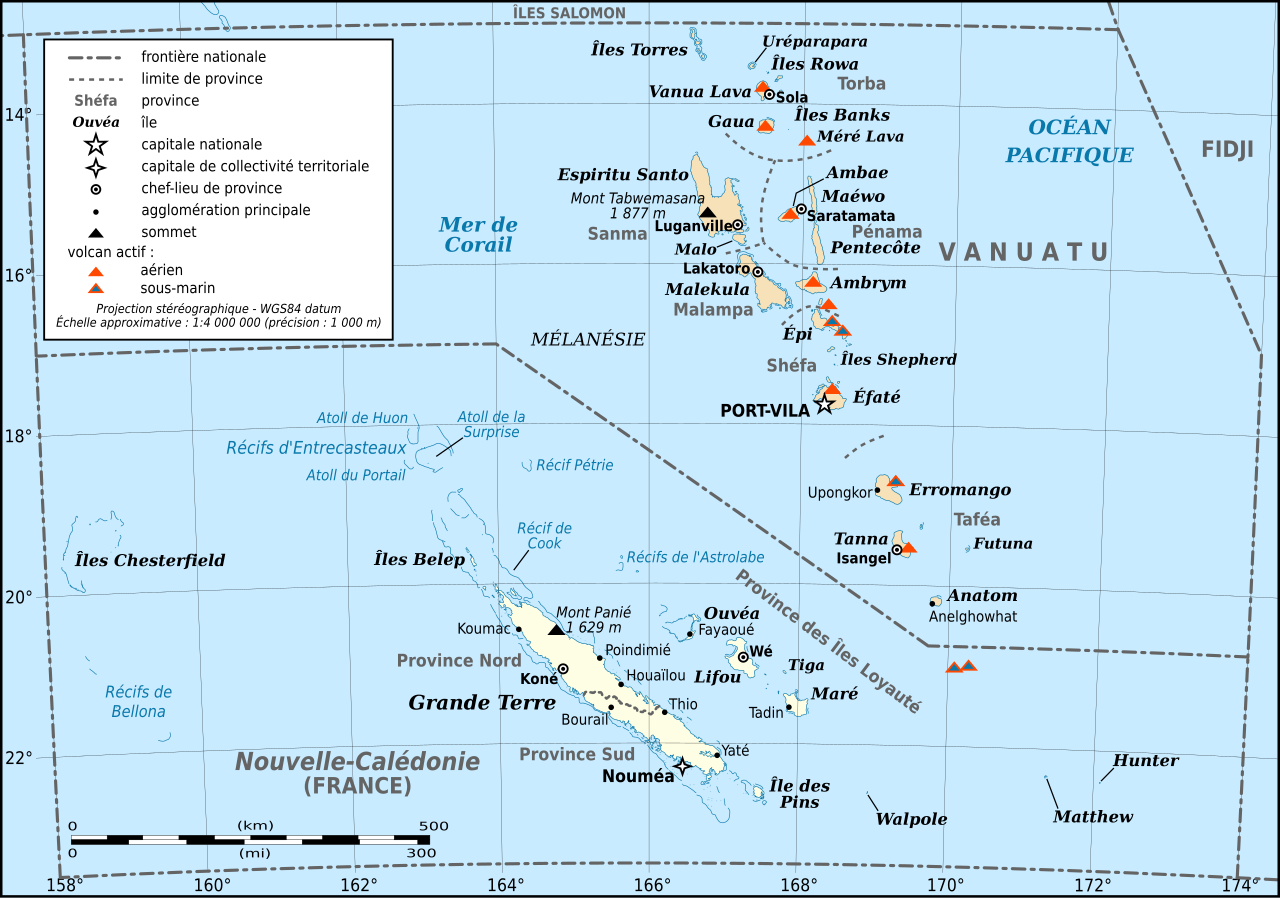
Photo/Sting/Eric Gaba
"With COM's blessings, I am reiterating that Vanuatu's position remains unchanged."
He said the discussions were at times heated but remained respectful and diplomatic.
Koanapo also said France would need to take the issue through its Parliament and that representatives from New Caledonia were not involved because elections were taking place during the negotiations.
He argued that if France relied on colonial-era agreements to support its claim, it should remember that Indigenous people were not consulted at the time.
With bilateral talks now exhausted, Koanapo said the government would begin preparing for international legal proceedings including possible arbitration or action through the International Court of Justice.
"It was not a waste of money. At least we pursued bilateral negotiations on friendly terms, exhausted all opportunities, and have now reached the point where we will consider other options, including arbitration or the International Court of Justice."
Koanapo thanked the French government, particularly President Emmanuel Macron, for agreeing to the negotiations despite the talks ending without a breakthrough.
Koanapo also acknowledged the support of chiefs and communities across Vanuatu, saying the issue had united the country.
Koanapo said the dispute is about more than territory, arguing Vanuatu's journey to full independence will not be complete until its sovereignty over Matthew and Hunter islands is recognised internationally.