
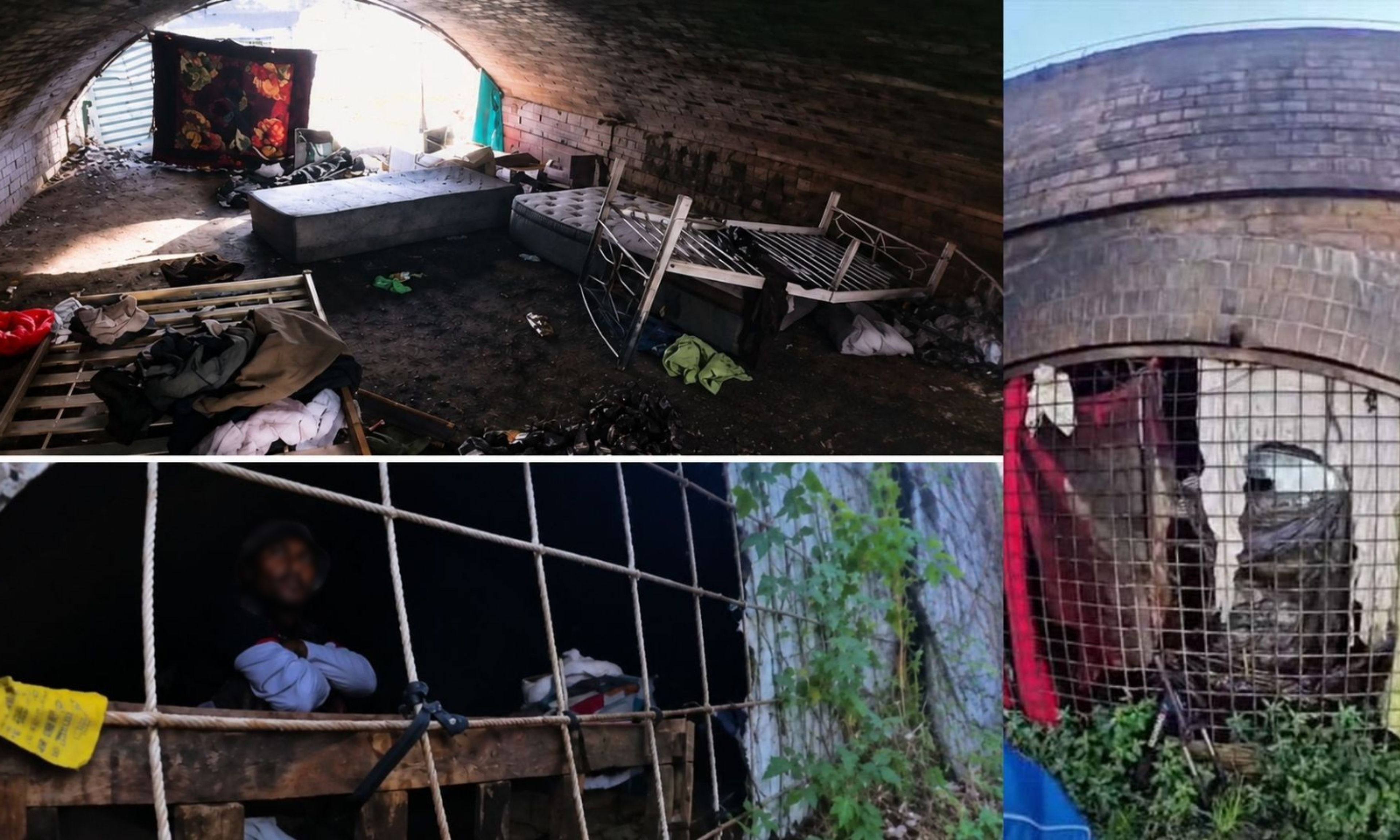
Makeshift bedding, personal belongings and temporary shelter beneath a Sydney overpass where several men, including some believed to be former PALM scheme workers, have been living.
Photo/Facebook/Bula Fiji
Pacific Region
Ex-seasonal workers found living rough under Sydney bridge sparks welfare concern
A video showing men, some believed to be former PALM workers living under an overpass has triggered an investigation, renewing questions about worker welfare and support systems in Australia.

Christine Rovoi
Published
03 June 2026, 3:25pm
Share
Copy Link



A viral social media video has revealed a group of men, some believed to be former Pacific Australia Labour Mobility (PALM) scheme workers, living homeless under a bridge in Sydney.
This has prompted concern among Pacific diaspora communities about worker welfare and support systems in Australia.
The footage, shared by blogger Bula Boys Abroad, shows several men sleeping rough in makeshift conditions.
Among them is a Fijian welder and father of four who had travelled to Australia under the seasonal work scheme in search of better opportunities for his family.
According to the account shared in the video, the man later left his job at an abattoir in New South Wales following personal and mental health struggles.
He has since lost his passport, which has left him unable to stabilise his situation or return home easily and is now surviving on irregular casual work.
The video also shows other men in similar conditions including workers from Fiji, Vietnam and Timor-Leste, some of whom are believed to have previously been part of the PALM programme.
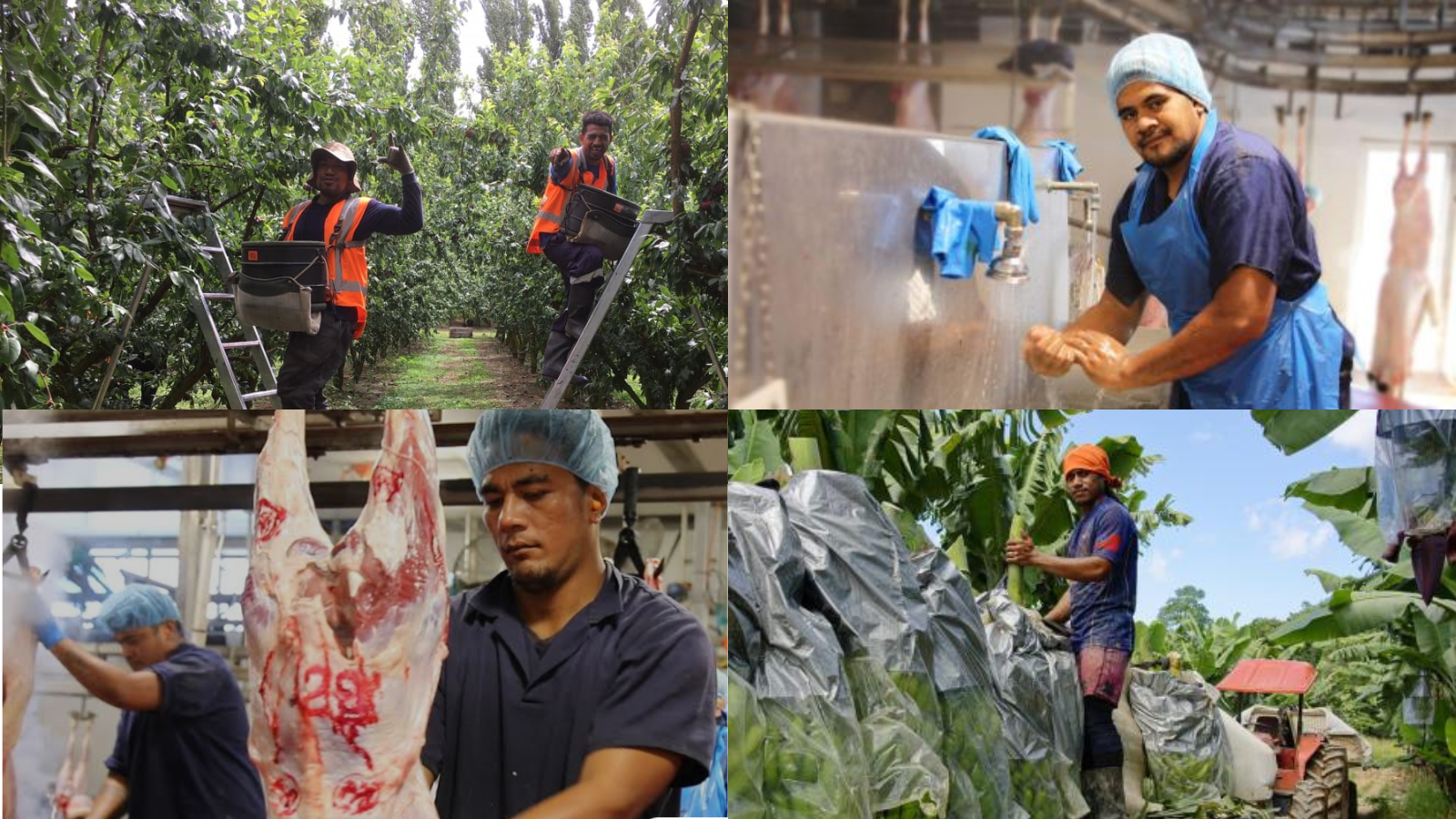
The PALM scheme connects workers from Pacific nations and Timor-Leste to Australian employers in sectors such as agriculture, meat processing and aged care.
It is designed to provide stable employment opportunities and allow workers to send income home to their families.
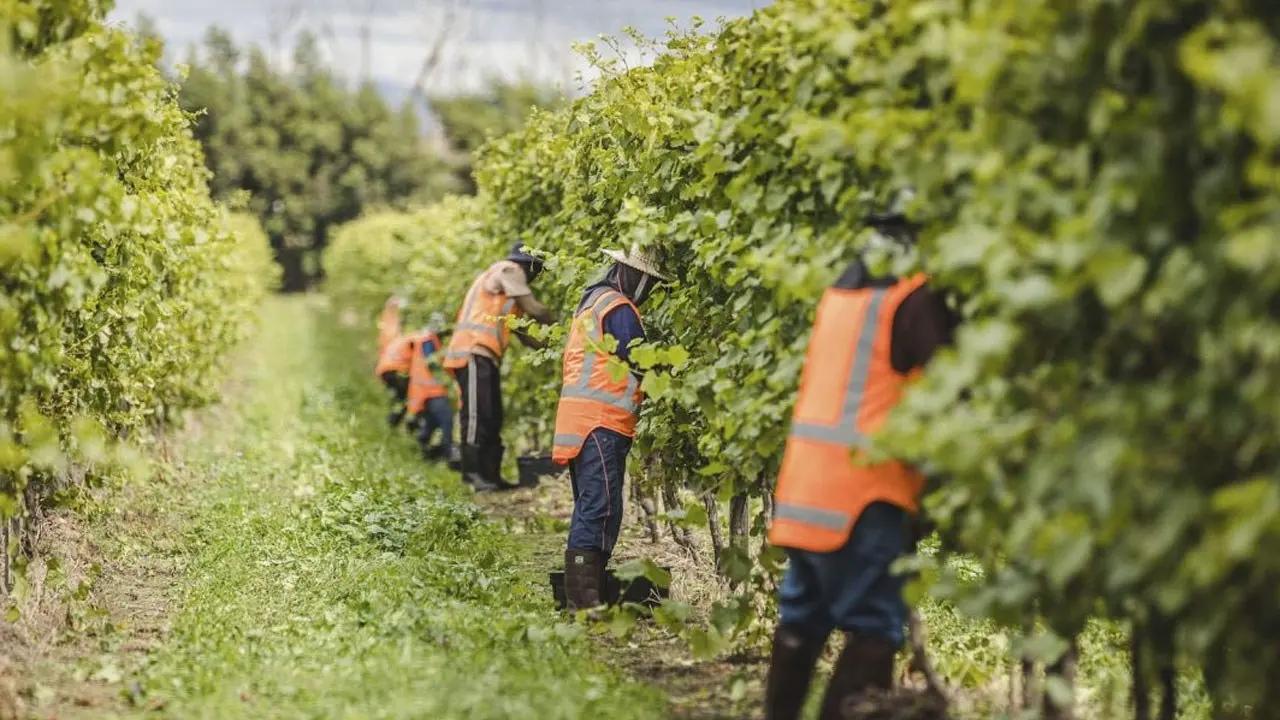
Pacific workers join the PALM and RSE schemes to work across key industries including agriculture, meat processing and aged care. Photo/Supplied
But the case highlighted in the video has sparked renewed concern about what happens when workers disengage from the programme or lose access to employer-provided housing and support networks.
Fijian authorities have launched an investigation into the case of a Fijian man featured in a viral video showing former PALM scheme workers living rough under a Sydney overpass.
Fiji’s Minister for Employment, Agni Deo Singh, confirmed to local media that the matter is now being handled by multiple agencies including the National Employment Centre, country liaison officers, and the Fiji High Commission in Australia.
“Our NEC (National Employment Centre) people back home, together with the Country Liaison officers and the Fiji High Commission, are investigating,” Singh said. “A statement will be issued once the investigation is done.”

Fiji’s Minister for Employment, Agni Deo Singh, front seventh from left, meets Fijian seasonal workers in NZ. Fiji has launched an inquiry into the Sydney welfare case. Photo/Supplied
The Australian High Commission in Suva has also confirmed it is aware of the case and is working with Fijian authorities to help establish the facts.
High Commissioner Peter Roberts said PALM workers who disengage from the scheme can access support services in Australia, including liaison officers, and are encouraged to contact the Department of Employment and Workplace Relations to explore available options.
“The Australian Government takes the welfare of PALM workers seriously,” he said.
The case has raised fresh questions about gaps in support for workers who fall outside formal employment arrangements especially where accommodation, sponsorship, and documentation are tied to their jobs.

Australia’s High Commissioner to Fiji, Peter Roberts. He says PALM workers who disengage from the scheme can access support services and are encouraged to seek assistance through official channels. Photo/Fiji govt
A community response shared online by a PALM support group warned that while most workers complete their contracts successfully, leaving the scheme early can quickly lead to serious hardship.
“Many of the workers leave their families, children, villages and support networks behind to pursue opportunities in Australia,” the group said in a social media post.
The group said stepping away from the scheme can also mean losing access to accommodation, structured support systems and steady income.
“For many, what may begin as a personal or family issue can quickly spiral into unemployment, homelessness, financial hardship, isolation and uncertainty,” the post said.
The organisation is now urging workers facing difficulties to seek help early, pointing to churches, community networks and official support services available in Australia.
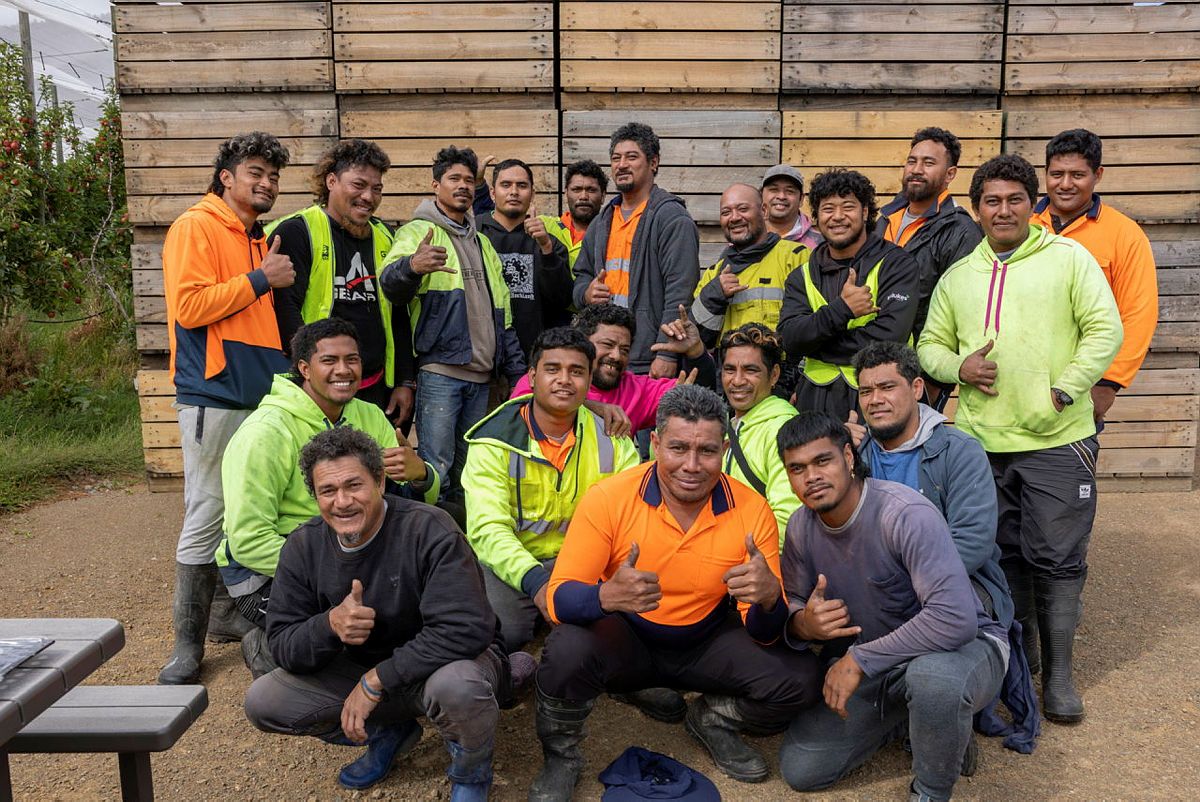
Pacific and Timor-Leste workers under the PALM scheme. The programme has become a key labour pathway between Australia and the Pacific, but welfare concerns continue to be raised. Photo/Facebook/PALM scheme
Concerns about worker welfare in the PALM scheme are not new. Reports in recent years have warned of risks around exploitation, isolation and weak safety nets when workers leave employer-sponsored arrangements.
A 2024 evaluation linked to Australia’s Pacific labour mobility programmes noted that while the scheme is designed to provide income opportunities for Pacific workers, outcomes depend heavily on employer practices and access to effective support systems on the ground in Australia.
Advocacy groups and researchers have also raised concerns about the structure of the scheme itself. This includes workers being tied to a single approved employer, which limits their ability to change jobs if problems arise.
The Australia Institute has previously warned this can increase vulnerability to exploitation and make it harder for workers to report poor conditions.
In wider reviews of temporary migrant labour systems in Australia, United Nations special rapporteurs have raised concerns about “disturbing, sometimes very serious, patterns of exploitative practices” affecting some visa holders including those in seasonal work programmes.
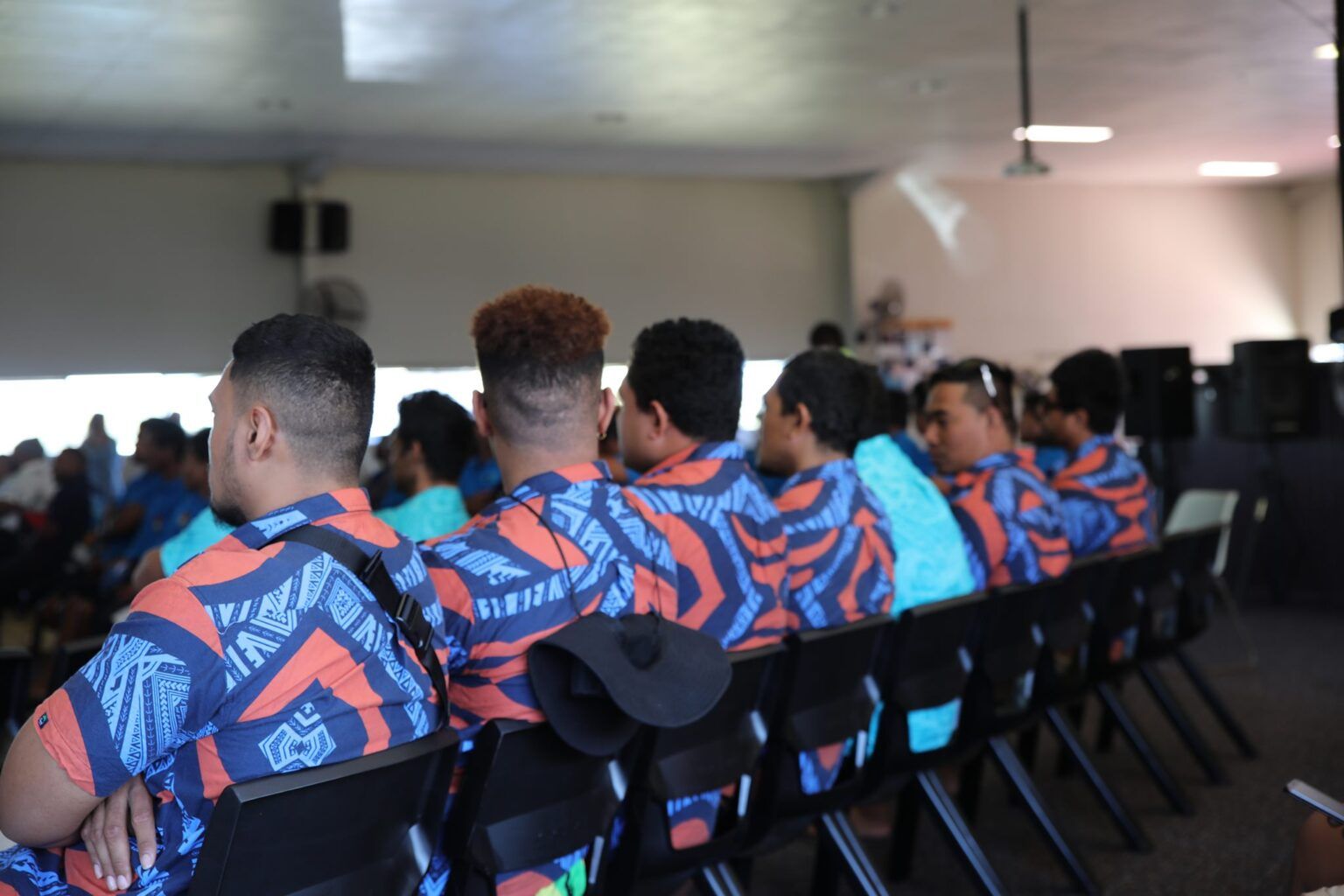
PALM workers in Australia: There are community and support workers assisting seasonal labour migrants and advocates are urging workers to seek help early if they face hardship in Australia. Photo/PALM Scheme
The reviews warned that some conditions may amount to modern forms of slavery in extreme cases.
Pacific leaders have also previously raised concerns about the social impact of labour mobility schemes on sending countries including family strain, worker debt risks, and the long-term effects of large numbers of working-age people spending extended periods overseas.
The PALM scheme is one of Australia's largest labour mobility programmes, with 32,725 workers from Pacific nations and Timor-Leste participating as of March 2026.
Workers can take up short-term placements of up to nine months or longer-term contracts lasting between one and four years. Fiji, Sāmoa and Tonga are among the largest Pacific contributors to the scheme.
The discovery has renewed concerns about the growing number of Pacific workers who have left their approved employers in recent years.
Photo/Supplied
Speaking on ABC's Pacific Beat, Vani Catanasiga, executive director of the Fiji Council of Social Services (FCOSS), said the case reflects a wider problem affecting Pacific communities.
She said overseas employment schemes can bring important economic benefits but warned that some workers and their families are being left vulnerable when support systems fail.
While concerns about worker welfare, housing and exploitation within labour mobility programmes have been raised in both Australia and New Zealand over the years, it is unclear how common cases of former workers becoming homeless are.
Similar concerns have periodically surfaced within New Zealand's Recognised Seasonal Employer (RSE) scheme where workers' accommodation, welfare and employment conditions have come under scrutiny. Both programmes operate under different rules and settings.
Watch Bula Boys Abroad’s video in Fijian, which has gone viral, about a former seasonal worker now living homeless under a Sydney bridge.
While the PALM scheme has provided employment opportunities for thousands of Pacific and Timorese workers, this case has highlighted the fragile situation some workers can face when personal circumstances, job loss and documentation issues collide.
Questions have also been raised within diaspora communities about whether enough safeguards are in place to support workers who fall outside the formal system.
PMN News has approached officials from the PALM scheme (Department of Employment and Workplace Relations) and Australia's Department of Foreign Affairs and Trade (DFAT) for comment.
Workers requiring assistance can contact the PALM Scheme Support Line on 1800 51 51 31 or email palm@dewr.gov.auo