
Pacific-led building company redesigning the intergenerational housing deficit in NZ
Atutahi Potaka-DewesMon, 02 Mar

Harry Fatu Toleafoa is an enrolled Barrister and Solicitor of the New Zealand High Court and has worked for the University of Auckland, Faculty of Law and served on the Pacific Lawyers Association executive committee.
Photo/Supplied
A community advocate warns that while the cap may provide relief, it could lead to long-term challenges for libraries, youth hubs, and other key resources.





South Auckland communities fear they could lose access to key public services as the government pushes ahead with its plan to cap council rates.
While the policy is being sold as a way to ease pressure on household budgets, local leaders warn the change could force cuts to libraries, youth hubs, pools, and other places families rely on every day.
The concern is growing in areas already struggling with high living costs, where free or low-cost council services play an important role in supporting young people, the elderly, and low-income households.
Many say that if councils are forced to limit rate increases, essential services, not wasteful spending, will be the first to feel the squeeze.
Harry Fatu Toleafoa, a lawyer and community advocate, told William Terite on Pacific Mornings that although the rates cap might seem beneficial amid the cost-of-living crisis, the long-term effects on communities in areas like South Auckland could be severe.
Toleafoa’s concerns follow the government’s announcement of a rates cap aimed at helping councils manage their budget increases and relieve pressure on household finances.
Watch Harry Fatu Toleafoa's full interview below.
He says Auckland Council had projected a 7.9 per cent rise in rates, but the proposed legislation would reduce the increase to a minimum of four per cent.
“The announcement is still very new so most community leaders are still working through what it means in practice,” Toleafoa says.
Prime Minister Christopher Luxon supports the government’s plan, criticising the Wellington City Council’s expenditure of $2.3 million on toilet blocks as wasteful.
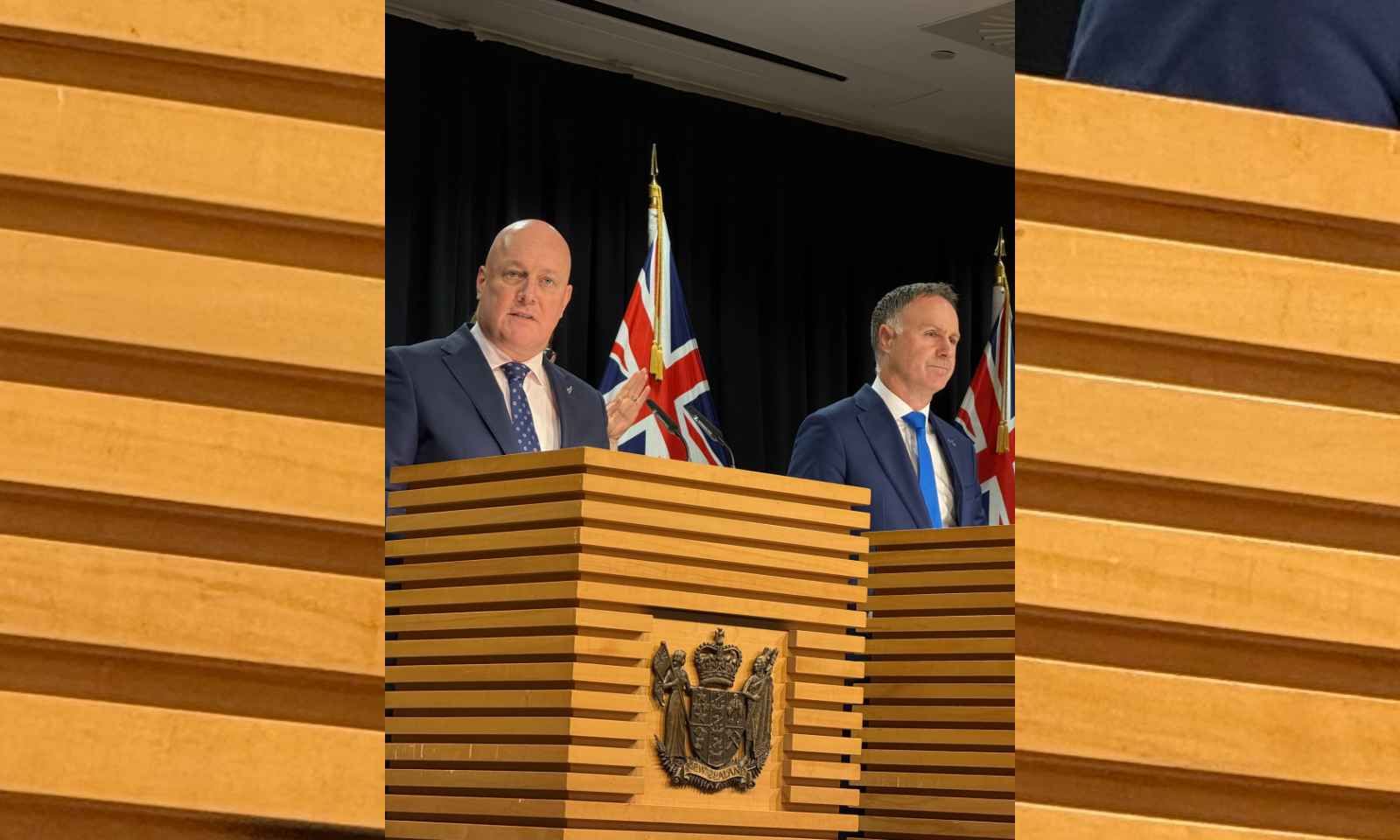
Prime Minister Christopher Luxon (left) and Local Government Minister Simon Watts (right). Photo/PMN News/Ala Vailala
But Toleafoa argues that the example does not represent all councils, many of which are responsible and prudent with their finances.
He highlighted the impact of the rates cap on his community in Māngere, where funding would have to be redirected.
While residents in Māngere, Ōtāhuhu, Papatoetoe, and Ōtara pay targeted rates to keep public pools free, the main concern is the potential reduction of essential council services such as libraries, art centres, and youth hubs.
“For communities such as ours that rely on services in times of austerity, like public communities like libraries, parks and pools and free programmes, it’s a huge blow in times of great need to our community.
“So whilst households are probably welcoming this news of rates reductions, what it actually means in the long run is a reduction of services and less resources committed for future generations and investment in infrastructure as such.”
Councils will be allowed to increase rates beyond four per cent if they get approval from a government-appointed regulator.

Māngere pools is one of the few pool facilities in Auckland that are free. Photo/Supplied
However, the government says permission will only be granted in extreme situations like a natural disaster and councils will need to show their plans for returning to the target range.
Local Government Minister Simon Watts acknowledges the major change and the need for councils to adapt, saying that a transition period will begin in 2027.
“Councils should not wait for the full enactment of the rates capping model before controlling rates increases for their constituents,” Watts says.
Green MP Teanau Tuiono criticises the government’s priorities and points to its $12 billion funding package over four years during a cost-of-living crisis. Tuiono tells Terite that the investment is the biggest budget bid that was approved.
“Why is this such a priority… The overall direction of it isn’t value for money for us because we think we should be investing in jobs,” Tuiono says.
Targeted consultation with stakeholders to finalise implementation, local considerations, and legal details will begin this month and continue until February 2026, with the relevant legislation set to become law on 1 January 2027. The complete regulatory model is expected to be in place by 1 July 2029.
Watch Teanau Tuiono's full interview below.