Sisterhood in Service: Pacific leaders take ‘Jammie Army’ across NZ to fight winter cold
Khalia StrongTue, 12 May

PM, Greens and Labour clash over whether Kiwis should have to work longer before retirement.
Photo/Supplied
Opposition parties and experts say they are concerned about the impact the change will have on Pasifika health, life expectancy, and fairness.

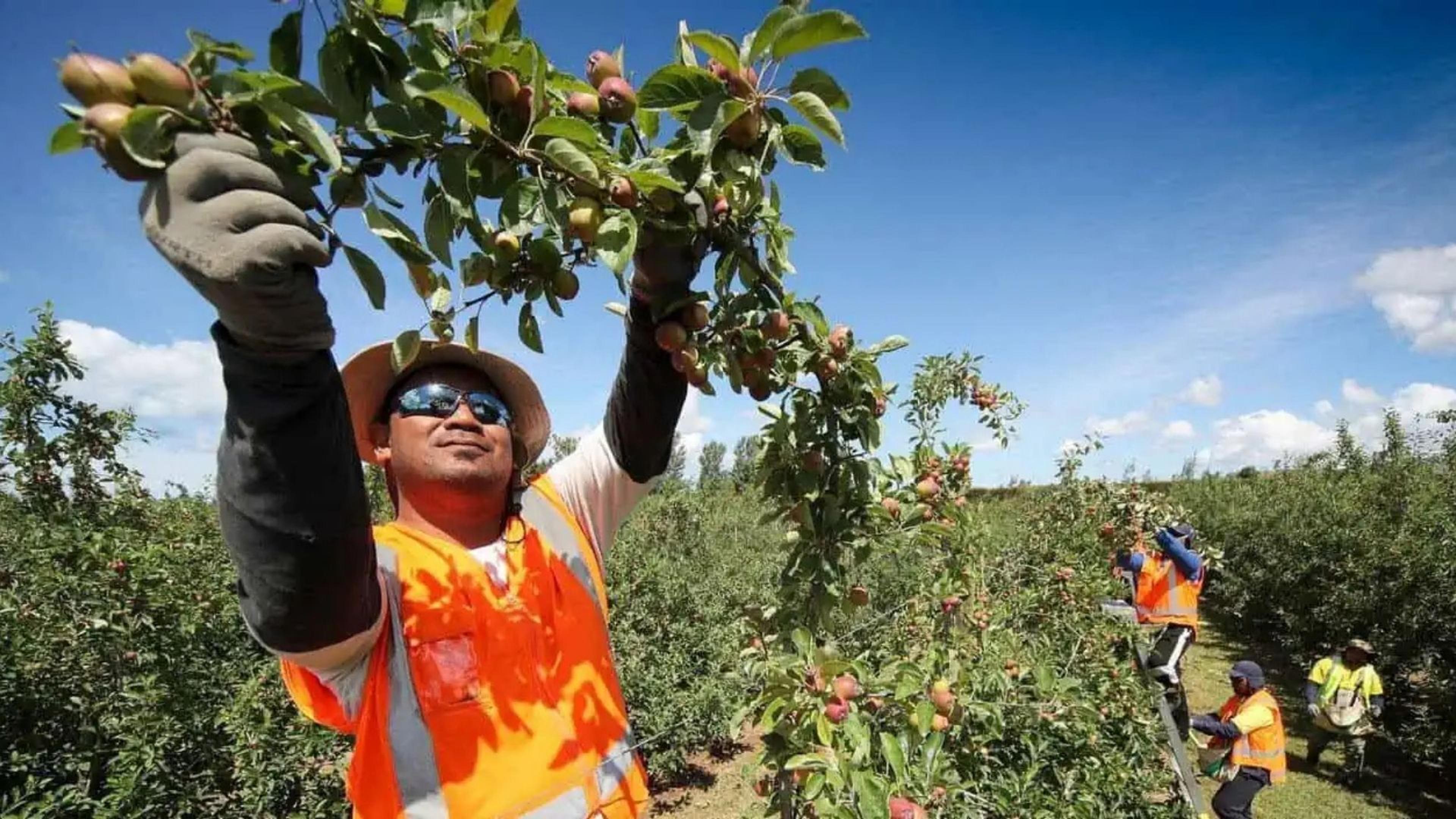
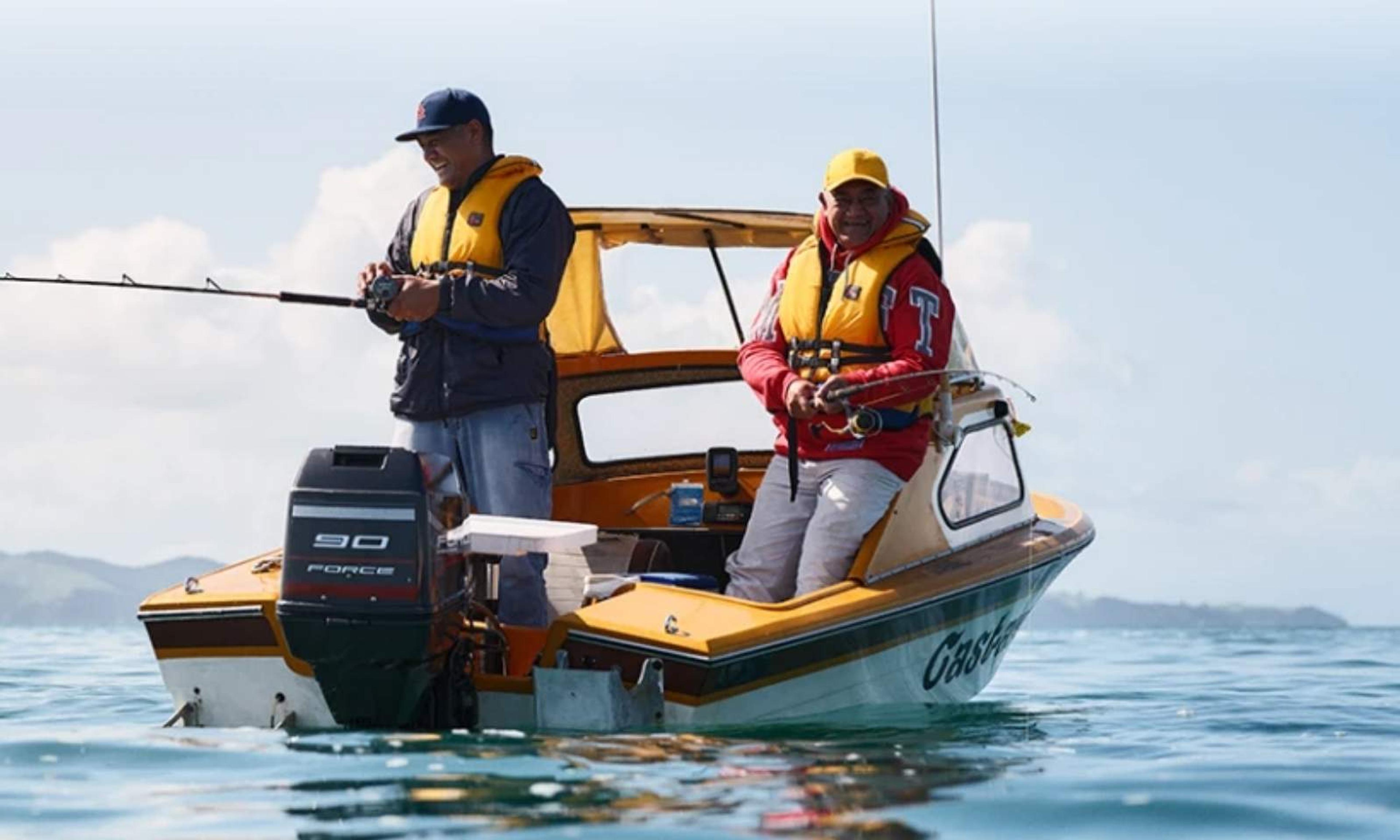

Pacific workers in physically demanding jobs could be among those most affected if the retirement age is raised, the opposition parties and experts warn.
They say the proposal risks deepening existing health and inequality gaps.
The debate comes after Prime Minister Christopher Luxon confirmed the National Party would campaign at next year’s election to gradually lift the eligibility age for New Zealand Superannuation from 65.
Under National’s previous policy, the age would begin increasing from 2037. The ACT Party has separately proposed lifting the retirement age to 67 at a rate of two months each year while NZ First says it would block any increase or means testing. The current superannuation age in New Zealand is 65.
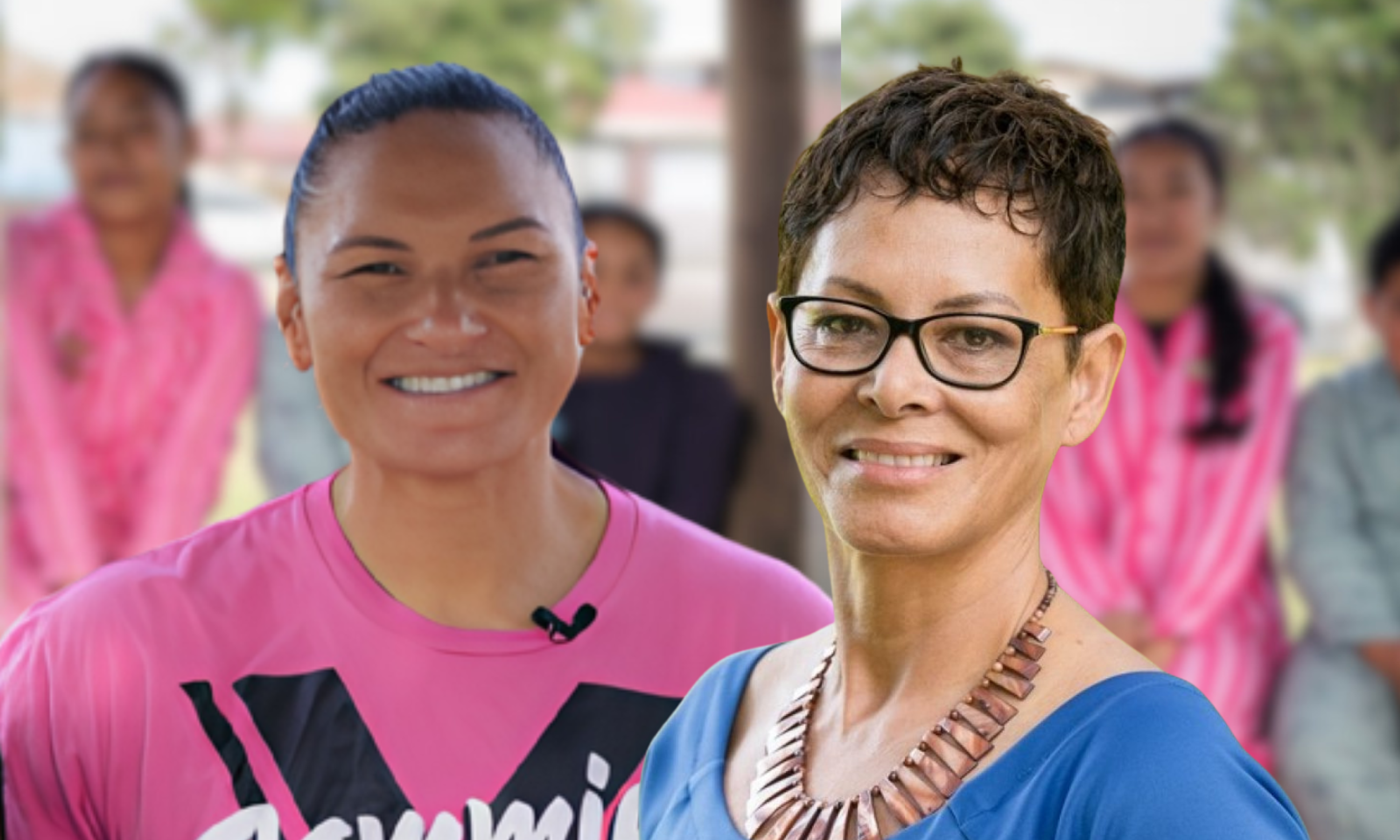
Speaking with William Terite on Pacific Mornings, Labour Deputy Leader Carmel Sepuloni says many Pacific workers already face shorter life expectancy and physically demanding careers that make working longer unrealistic.
“We can’t. Don’t lift the age of eligibility, don’t means test it,” Sepuloni says. “We have to keep in mind that we have one of the simplest forms of superannuation in the world. Once you start to tinker with it, the administrative costs of that start to go up.”
Watch Carmel Sepuloni's full interview below.
Critics say any change would hit Pacific communities hardest with many overrepresented in labour-intensive industries such as construction, manufacturing, logistics, cleaning, aged care, and warehousing.
They also argue that long-term physical strain, injury, and chronic health issues can make working longer difficult.
The debate also highlights growing tension between the rising cost of superannuation and concerns about fairness for groups who may not live as long or spend as many years in retirement.
Listen to Shamubeel Eaqub's full interview below.
Last year, the Spinoff reported that the Superannuation continues to be the largest driver of core Crown expenses, increasing to $8.6bn in 2024/25 – more than housing ($1.4bn) and education ($6.6bn) combined.
According to Stats NZ, the life expectancy for Pacific people is 76.9 years compared to the national average of 81.8.
That gap means Pacific people, on average, spend fewer years in retirement, while some may never reach retirement age at all.
Economist Shamubeel Eaqub says raising the superannuation age is a common way governments look to manage long-term costs. But he told Terite it would not affect all groups equally.
“It would be unfair because for Maori and Pasifika, we tend to see much lower rates of employment in older ages already, because our people are much more likely to work in physical jobs, and they just are not able to continue for as long as others,” Eaqub said.
Professor Ngaire Kerse from the University of Auckland says poorer health outcomes among Pacific communities would likely make it harder to work longer.
Listen to Ngaire Kerse's full interview below.
“Chronic illnesses are more common amongst Pacific people, and that impairs your ability to work,” Kerse told Terite.
“So by delaying expenditure, you know, by delaying the pension, you potentially compound the other costs that will come as a result related to ACC, related to health costs for complex conditions, et cetera.”
NZ First Leader Vaovasamanaia Winston Peters says no government his party is part of will support any increase or means testing of superannuation.
Green MP Teanau Tuiono points to his own father, who died at 49 after working in labour-intensive jobs. He says the system must allow people to retire and rest.
“Allowing people to retire earlier is what we need to be doing here,” Tuiono told Terite. “So making sure that there is time for us to be able to enjoy our retirement is important, but that's what this Government's supposed to do, not stick to our money for their retirement.”
With superannuation shaping up as a key election issue, the debate is increasingly centred on whether changes are economically necessary or whether they risk placing a heavier burden on communities already facing poorer health and shorter lives.