
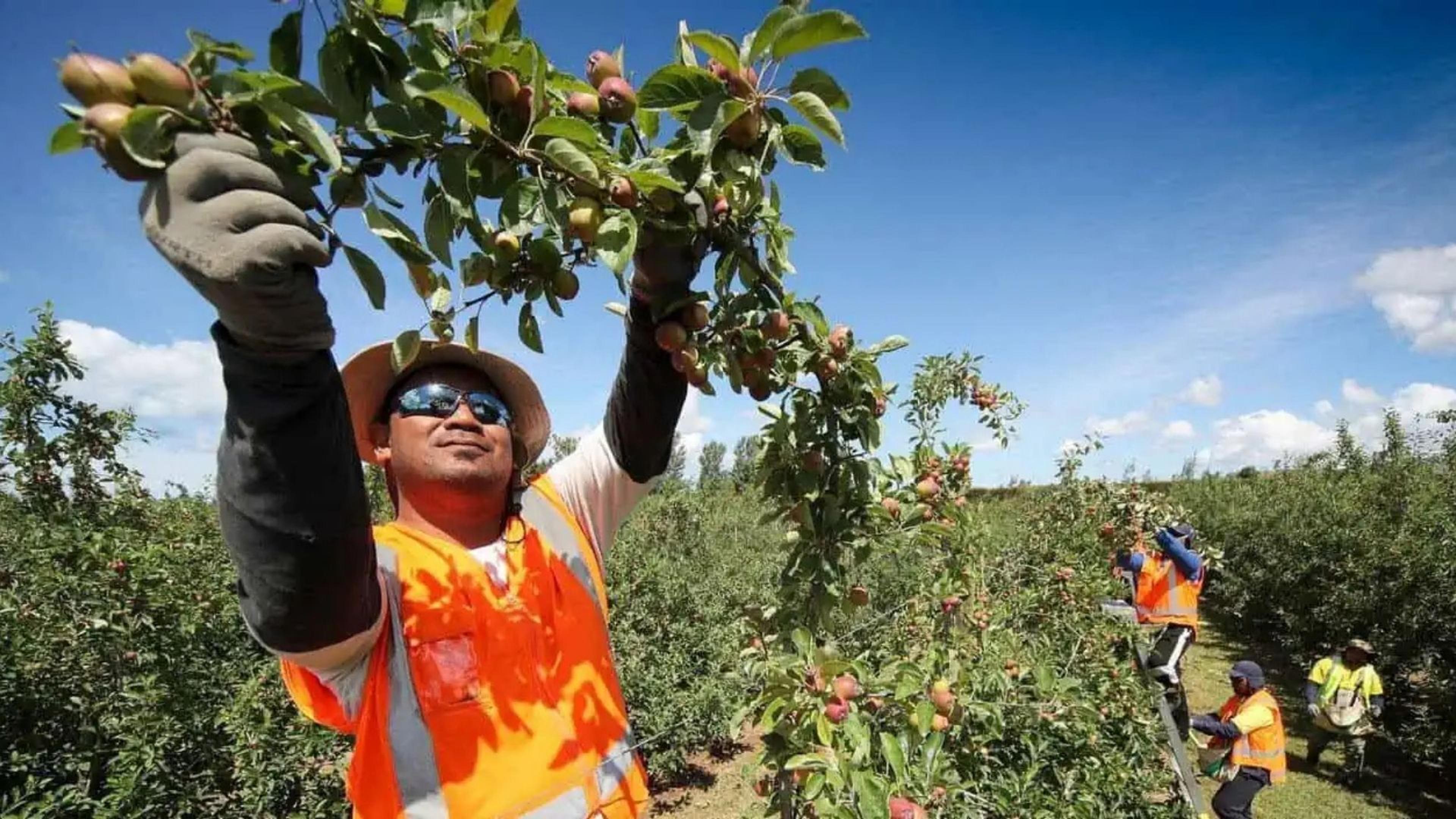
"A cycle of sacrifice: While Pacific workers power the farms of the South Pacific, their own nations face a growing labor void."
PHOT/PINA
Immigration
Pacific labour system under pressure as deaths, migration and worker shortages grow
As families mourn workers lost overseas, the region faces a growing crisis at home - thousands leave for jobs in NZ and Australia and Fiji is forced to import labour just to keep key industries running.

Christine Rovoi
Published
12 May 2026, 4:30pm
Share
Copy Link


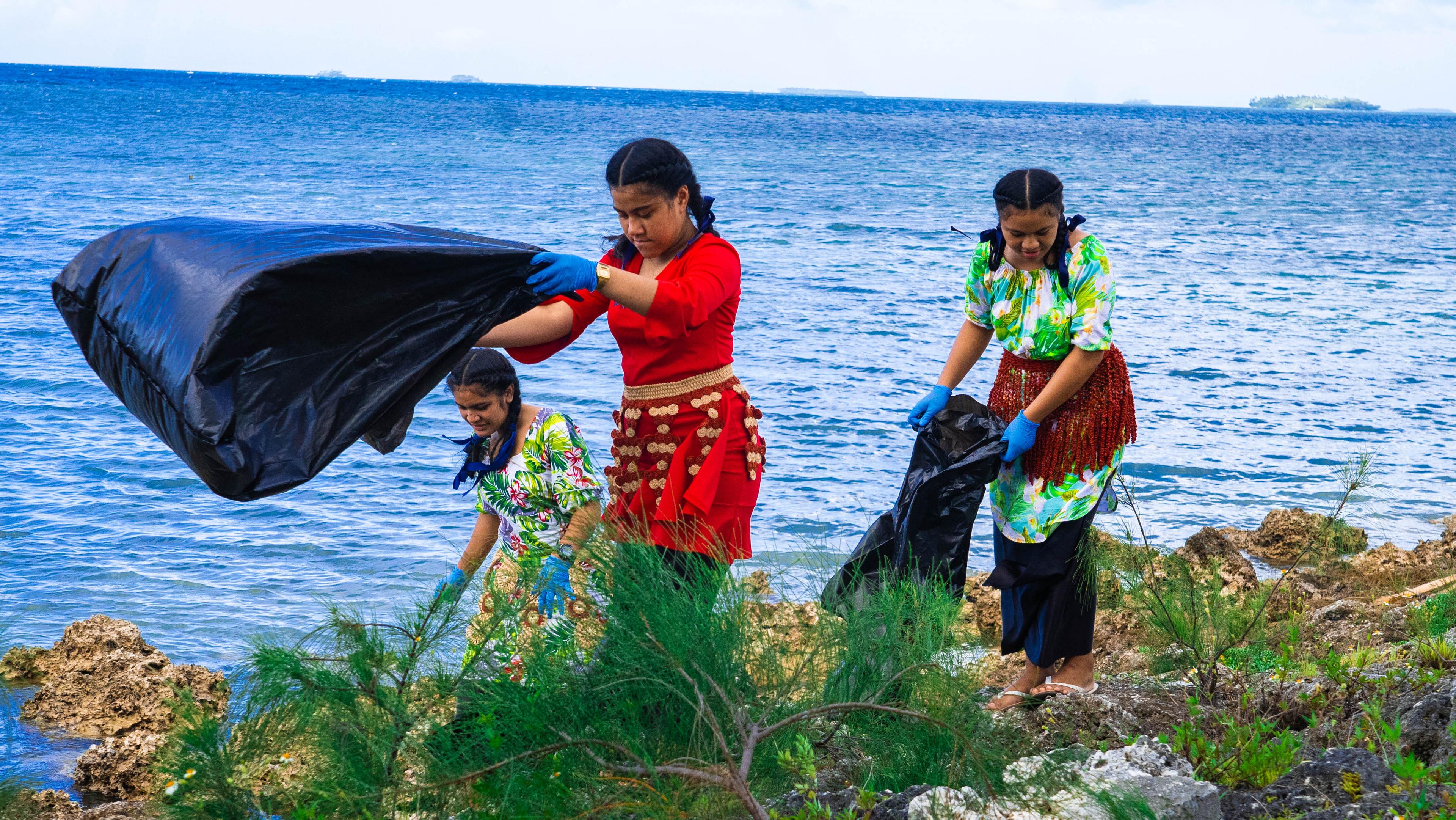
The true cost of the Pacific’s labour export system is becoming clearer by the week.
From farm deaths in Australia to crowded worker housing in New Zealand, and growing labour shortages back in the islands, leaders say the region is under real strain.
While Aotearoa and Australia continue to benefit from Pacific workers in key industries, many in the Pacific say the system is now stretching families and communities to breaking point.
Around 30,000 Pacific workers are currently employed in Australia under the Pacific Australia Labour Mobility (PALM) scheme while more than 20,000 seasonal workers travel to New Zealand each year under the Recognised Seasonal Employer (RSE) programme.
In Manjimup, Western Australia, two Pacific farm workers died in a road crash on 6 May, a tragedy that has again raised questions about safety for seasonal workers far from home.
Pastor Siaosi Salesulu, who works closely with workers in the PALM scheme, says the human impact is severe.
The tragic deaths of two workers in WA highlights the ongoing safety concerns within the PALM scheme. Photo/PALM Scheme
“The tragedy is that these families send their best and brightest away with hope, only to receive them back in a casket," Salesulu told local community radio.
He says many workers are under pressure in remote jobs where support is limited, despite the promise of better income overseas.
Both New Zealand and Australia have recorded multiple deaths among Pacific seasonal workers in recent years, including road crashes, workplace incidents, and other travel-related tragedies, raising ongoing concerns about worker safety far from home.
In New Zealand, growing demand for seasonal Pacific labour is also changing how workers live.
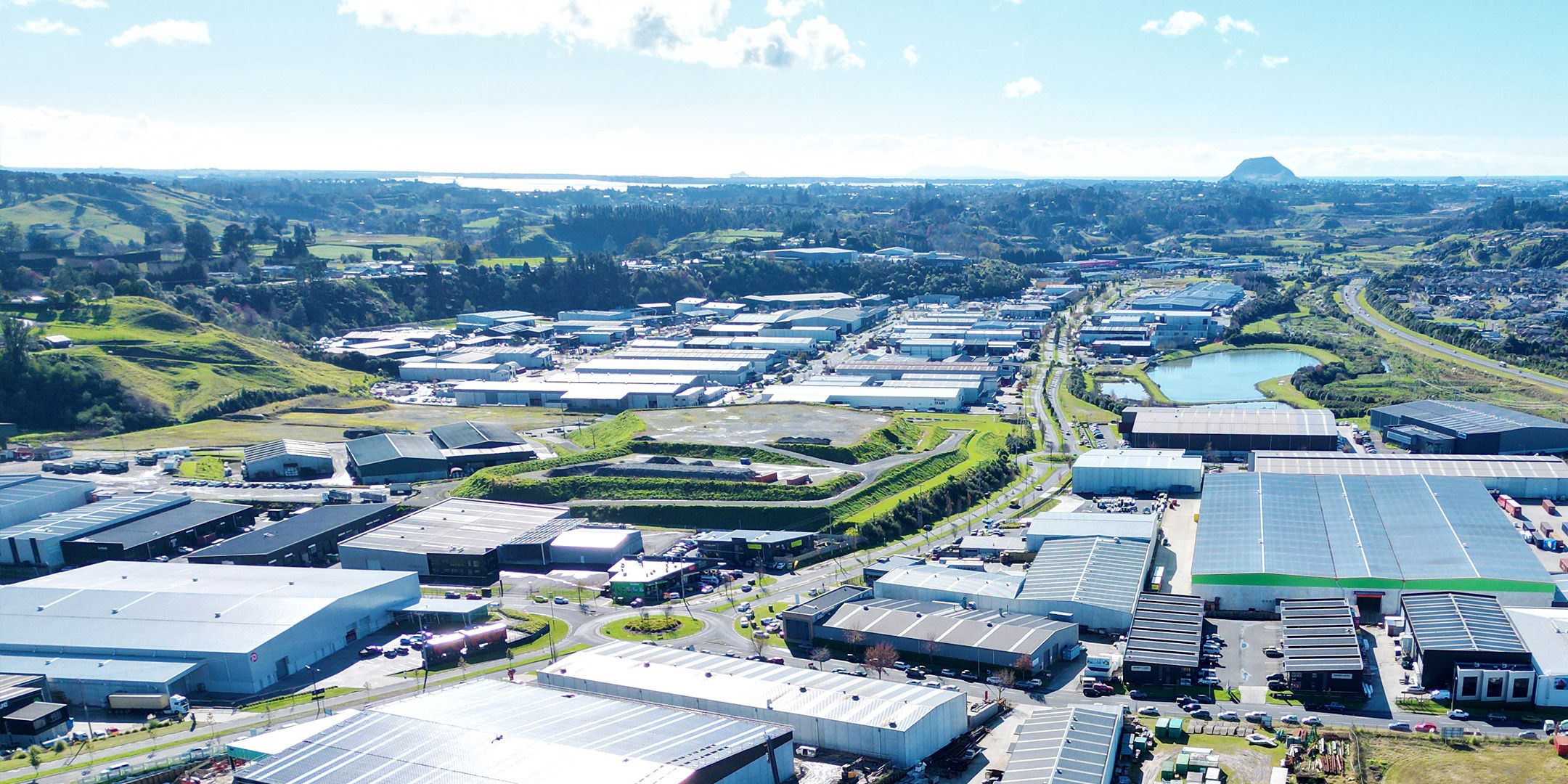
An aerial view of Tauriko in the Bay of Plenty. Photo/boffamiskell.co.nz
In Tauriko, Bay of Plenty, plans for an 182-bed RSE housing complex have sparked concern among some community members.
Developers argue this is necessary to support the kiwifruit industry’s growth, critics point to the "industrialisation" of Pacific living conditions - effectively creating purpose-built dormitories that separate workers from the wider community.
Jerome Mika of FIRST Union says large, purpose-built housing blocks risk cutting workers off from local communities.
"When you have hundreds of people living in these purpose-built blocks, they aren’t being integrated, they’re being warehoused," Mika told the Bay of Plenty Times.
"The Pacific shouldn't just be seen as a labour tap you turn on and off. These are fathers and mothers missing out on their own children’s lives."
New Zealand's Ministry of Business, Innovation and Employment (MBIE) has carried out unannounced inspections across Bay of Plenty kiwifruit orchards under Operation Indigo, targeting labour hire, immigration compliance, and worker entitlements in a high-risk seasonal industry.
Officials say the joint crackdown is aimed at identifying serious breaches, protecting vulnerable migrant workers, and ensuring law-abiding employers are not undercut by non-compliant operators.
But the most alarming consequence of this migration is happening in Fiji as the impact is becoming harder to ignore.
Prime Minister Sitiveni Rabuka said during the launch of the 2026 National Skills Gap Assessment Survey in Suva last week that more than 15,500 Fijians have left the country for work in just over a year.
The result is a growing shortage of workers in key sectors such as construction, tourism, and services, Rabuka added.

Fiji’s New Frontier: With 15,000 locals gone, the nation turns to India to fill the gap. Photo/Fiji government
Fiji's industries are now recruiting skilled workers from India and Bangladesh to fill gaps left behind in construction and tourism.
One expert told PMN News that this is a stark irony: Pacific workers are leaving to build the economies of New Zealand and Australia, while their own nation must import labour from the other side of the world to stay afloat.
Dr Tess Newton Cain of the Griffith Asia Institute, who has written about the "hollowing out" theory, has said that the issue goes beyond numbers.
'Hollowing out' describes what happens when a country’s most skilled and able workers leave in large numbers to work overseas, creating gaps that weaken the economy and disrupt communities back home.
In the Griffith Asia Pacific Strategic Outlook (GAPSO) 2026 report, she said: "We are witnessing a structural hollowing out of the Pacific.
Watch Fiji’s newly appointed Country Liaison Officer for the RSE scheme Greg Traill's full interview on PMN Fiji below.
"When you extract 15,000 of the most capable, fit, and motivated people from a nation like Fiji in a single year, you aren't just losing 'units of labour', you are hollowing out the social capital that keeps a village, a church, and a family functioning."
Alongside the economic pressures, some Pacific voices are turning to culture to hold communities together across borders.
Regional experts warn that while the remittances sent home by seasonal workers provide a short-term financial boost, the long-term impact on the Pacific social fabric is devastating.
Families are being fractured, and the "brain drain" is stripping islands of their most capable hands.
As migration continues to shape the Pacific, leaders and communities are asking how long the region can support a system that brings income and opportunity, but also loss, pressure, and big change at home.