Online vault aims to return Pacific research to the community
Aui'a Vaimaila Leatinu'uWed, 21 Oct
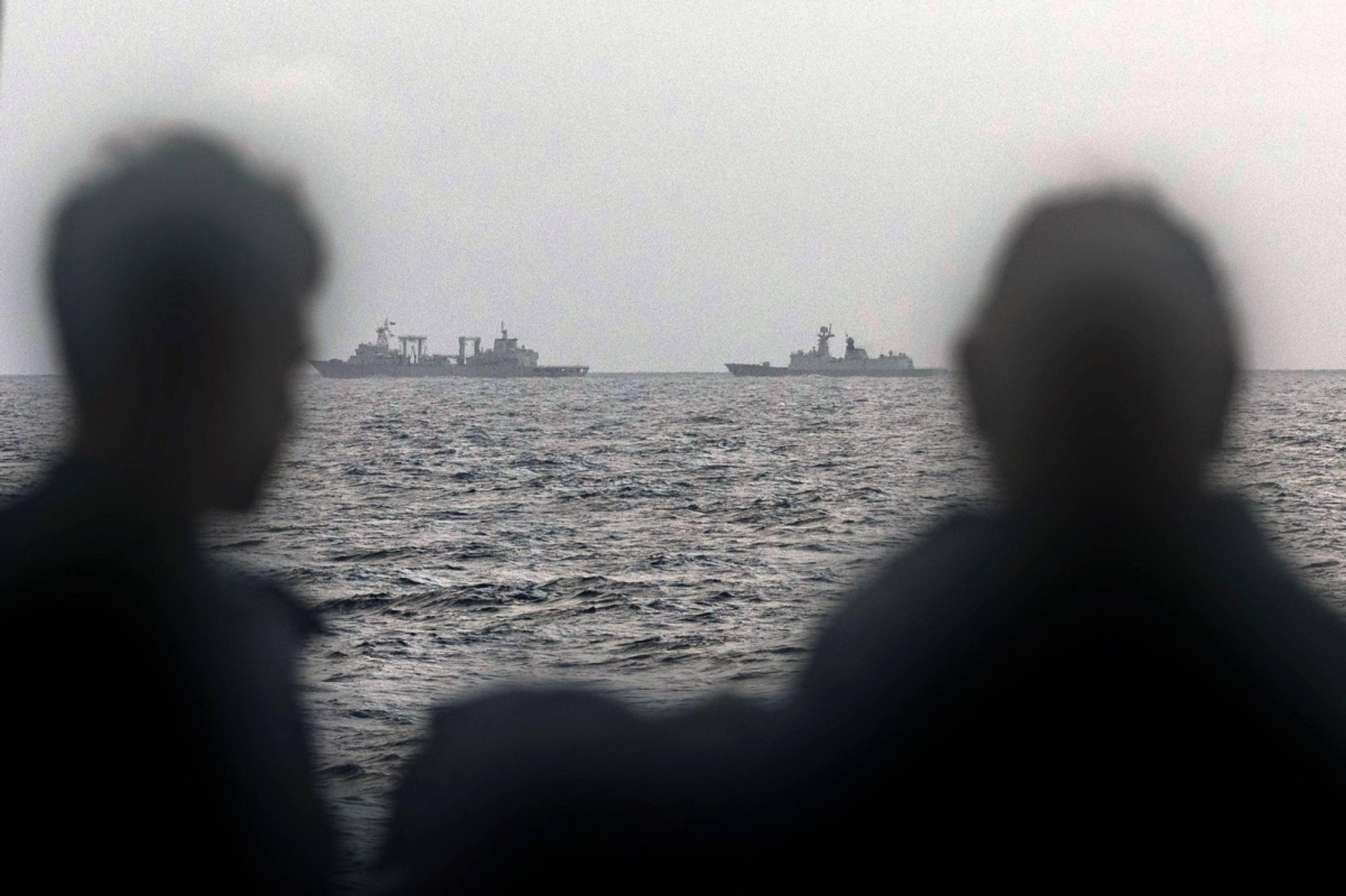
US and Chinese naval presence in the Pacific illustrates the growing strategic competition over the region.
Photo/Australian Defence Force/file
Amid growing competition between Washington and Beijing for influence across the Pacific, recent policy moves, postponed security agreements, and local voices could decide the future of the region.



For all the military power and diplomatic manoeuvring between Washington and Beijing in the Pacific, one crucial element is still missing: legitimacy in the eyes of Pacific Island nations themselves.
Pacific Island nations are pushing back against being drawn too tightly into the escalating rivalry between the United States and China, emphasising the importance of regional unity and local priorities in shaping their engagement with external powers.
At the centre of these discussions is the Melanesian Spearhead Group (MSG): a bloc that includes Solomon Islands, Papua New Guinea, Vanuatu, and Fiji, which recently postponed adopting a joint security strategy that could have opened the door to deeper partnerships with Beijing.
The delay reflects the complex views within the region on security, sovereignty and external influence.
Papua New Guinea’s Foreign Minister Justin Tkatchenko told Reuters the proposed strategy was still unresolved, saying the document was “yet to be agreed on".
"Discussions over Taiwan, among other matters, and how to accommodate the different positions of members were challenging,” he said.
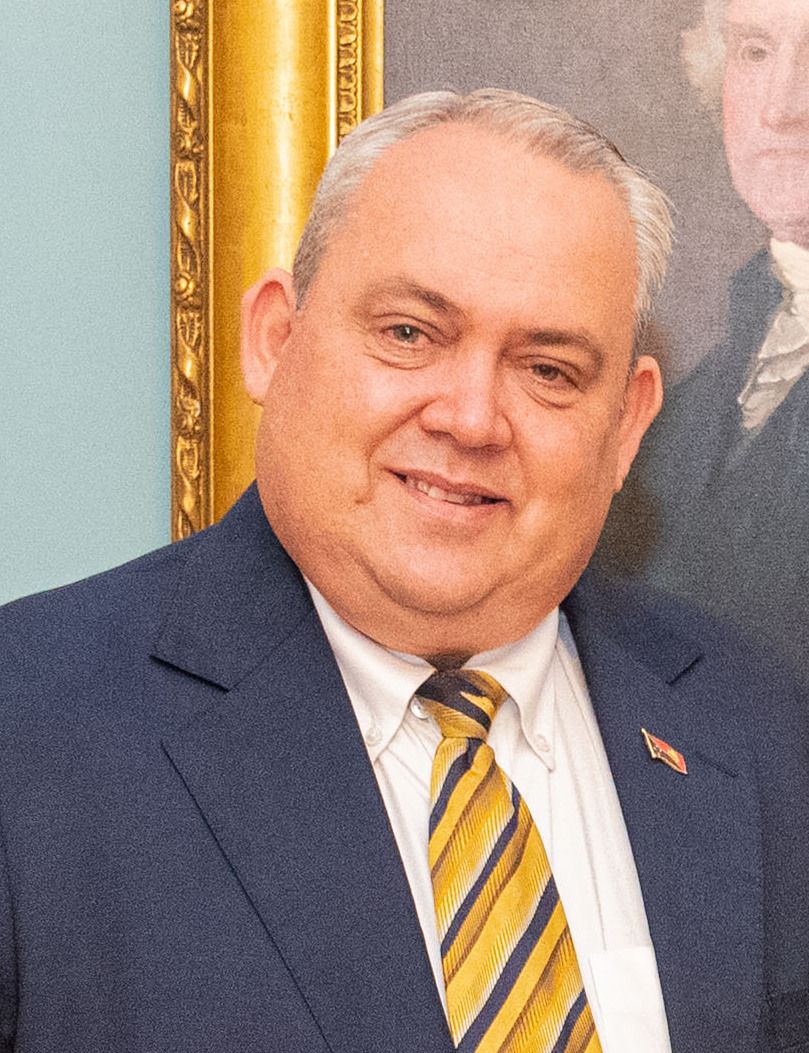
Justin Tkatchenko says discussions over Taiwan were challenging. Photo/US State Department
That hesitation illustrates a broader pattern: Pacific leaders want to avoid being seen as aligning too closely with either Washington or Beijing simply because of geopolitical competition.
Instead, they are prioritising regional ownership of security decisions. Meanwhile, geopolitical tensions continue to shape external powers’ approaches.
In Taipei this month, Taiwan took steps to deepen its links across the Indo-Pacific by launching a Free and Open Indo-Pacific Promotion Association in its legislature.

Chiu Chih-wei says Free and Open Indo-Pacific Promotion Association aims to boost parliamentary cooperation with like-minded partners. Photo/Voice of America/Chen-fang Tina Chung
Democratic Progressive Party legislator Chiu Chih-wei told local media that the association aimed to boost parliamentary cooperation with like-minded partners and promote values such as the rule of law, freedom, openness, and inclusiveness across the region.
But for many Pacific states, these initiatives must be weighed against a long-term regional vision rooted in their own collective priorities.
That vision was laid out in the Pacific Islands Forum’s 2050 Strategy for the Blue Pacific Continent, a framework guiding development, security and cooperation across the region.
The strategy stresses unity, respect for sovereignty and Pacific-led solutions to shared challenges.
Speaking at the 27th Micronesian Islands Forum, Pacific Islands Forum Secretary General Baron Waqa articulated that regional vision and highlighted the importance of unity in a turbulent world.
“In a world increasingly marked by turbulence, the Pacific must remain a beacon of hope and unity,” Waqa said. "The Forum’s priorities align with the lived realities of our people and the Leaders’ vision in the 2050 Strategy for the Blue Pacific Continent.”
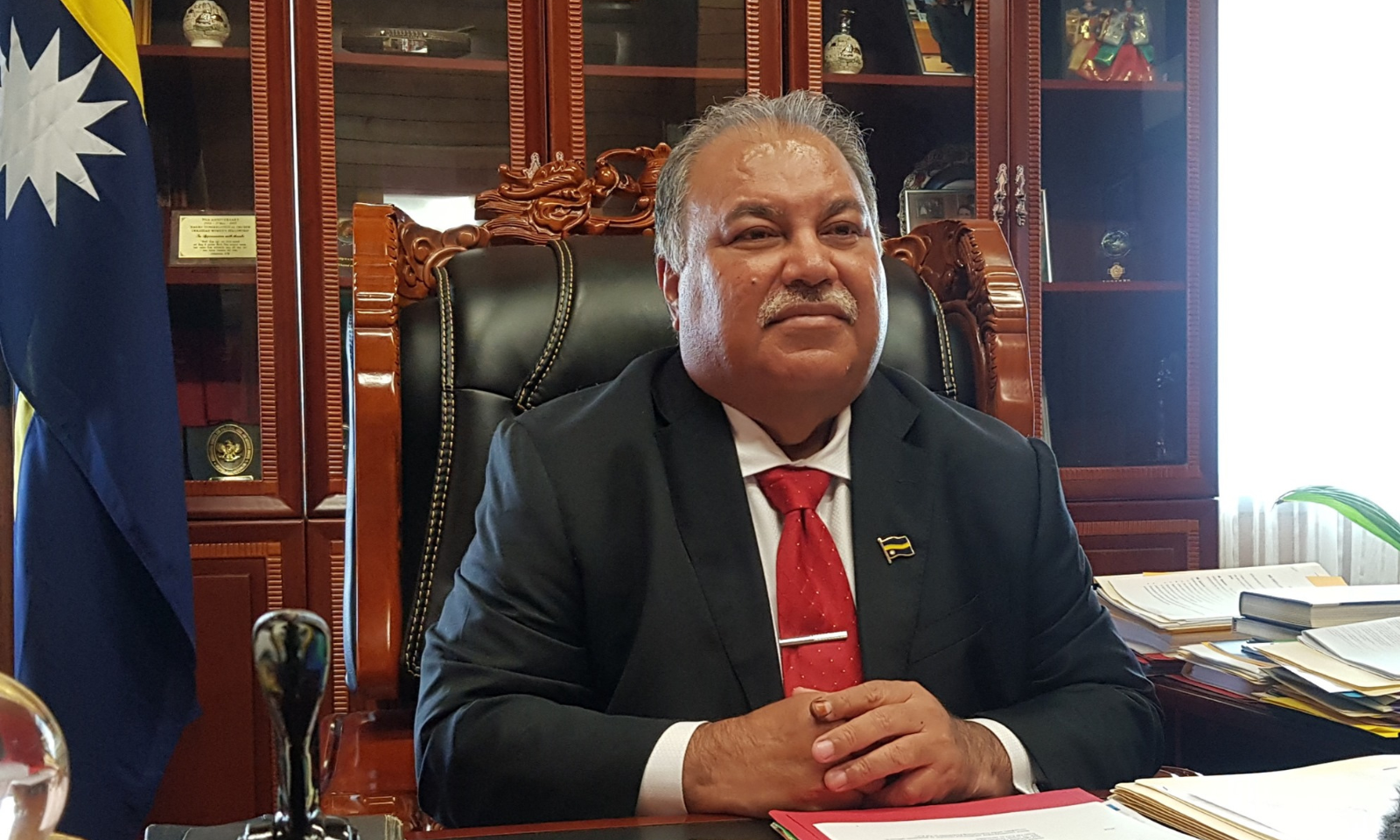
Baron Waqa says the Pacific must remain a beacon of hope and unity. Photo/Pacific Islands Forum Secretariat
Waqa’s comments underline a growing insistence that external engagement, whether with the US, China, or other partners, must never override Pacific leadership on issues of peace, security and development.
That position resonates with recent decisions taken by Pacific Island states to assert autonomy.
For example, at their most recent Pacific Islands Forum meeting, leaders chose not to invite external partners including the US, China, and Taiwan signalling a desire to focus inward on regional priorities without external pressure.
Although this move drew mixed reactions, it emphasised the Forum’s emphasis on self-determination.
The MSG’s delay on a joint security framework further highlights how divided views on Taiwan and broader geopolitical alignments can make consensus difficult within Pacific regional architecture.
Some members have closer ties to China, while others maintain security relationships with the United States and Australia.
External actors are also recalibrating their approaches. Australia recently boosted funding for Pacific maritime surveillance to counter illegal fishing and reinforce security cooperation.
At the same meeting where talks stalled on the security document, Australia’s Pacific Minister, Pat Conroy, stressed that “the Pacific is best served by Pacific-led institutions and processes”, advocating for regional ownership of security solutions.
Such language reflects broader shifts: Pacific leaders are pushing against being cast merely as strategic tokens in a larger US-China rivalry, insisting instead on partnerships that respect sovereignty and align with their long-term development goals.
For the region’s leaders, the message is clear: legitimacy and local priorities are far more important than being drawn into a zero-sum geopolitical contest.
As Waqa emphasised, Pacific peoples’ own vision for security and prosperity will be the compass by which outside engagement is judged.