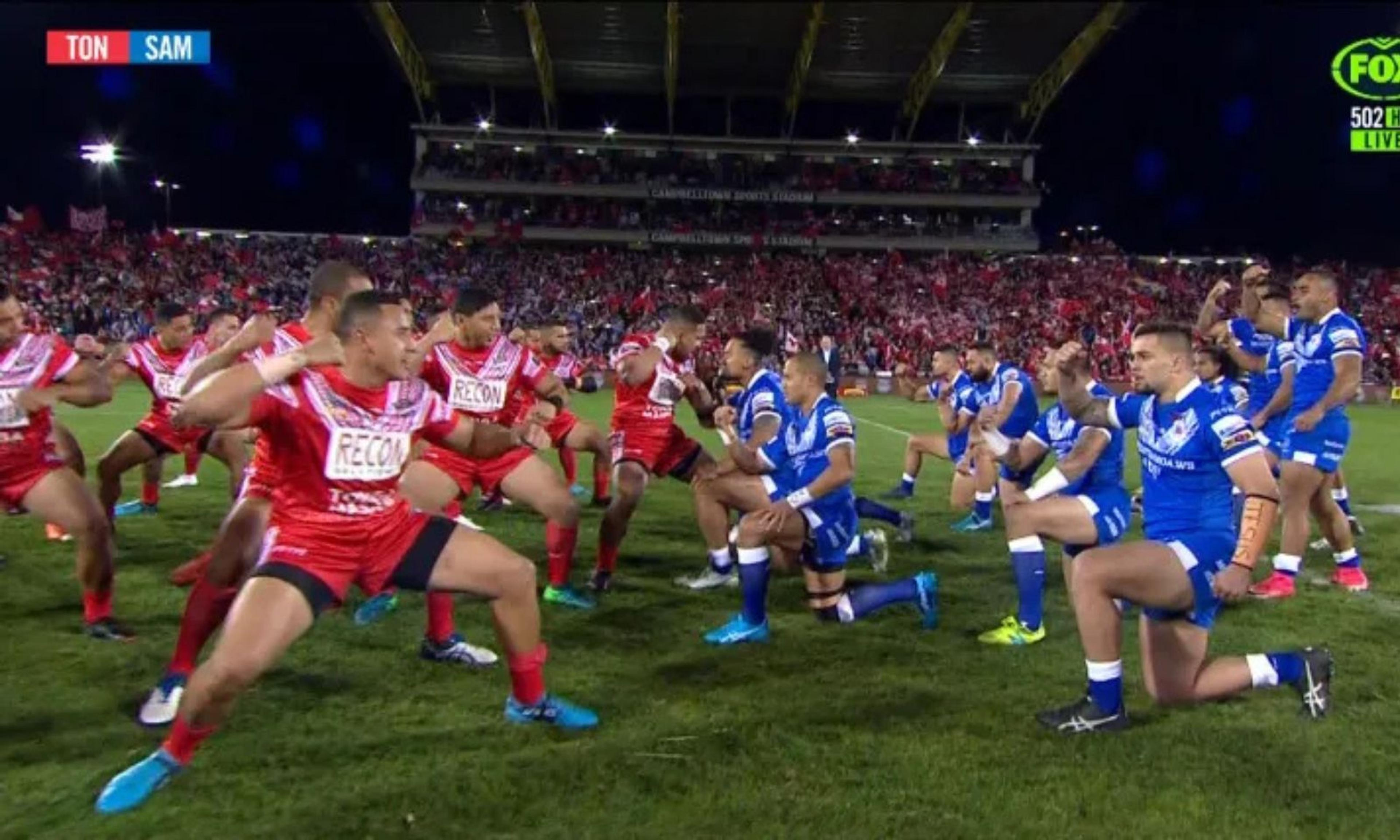
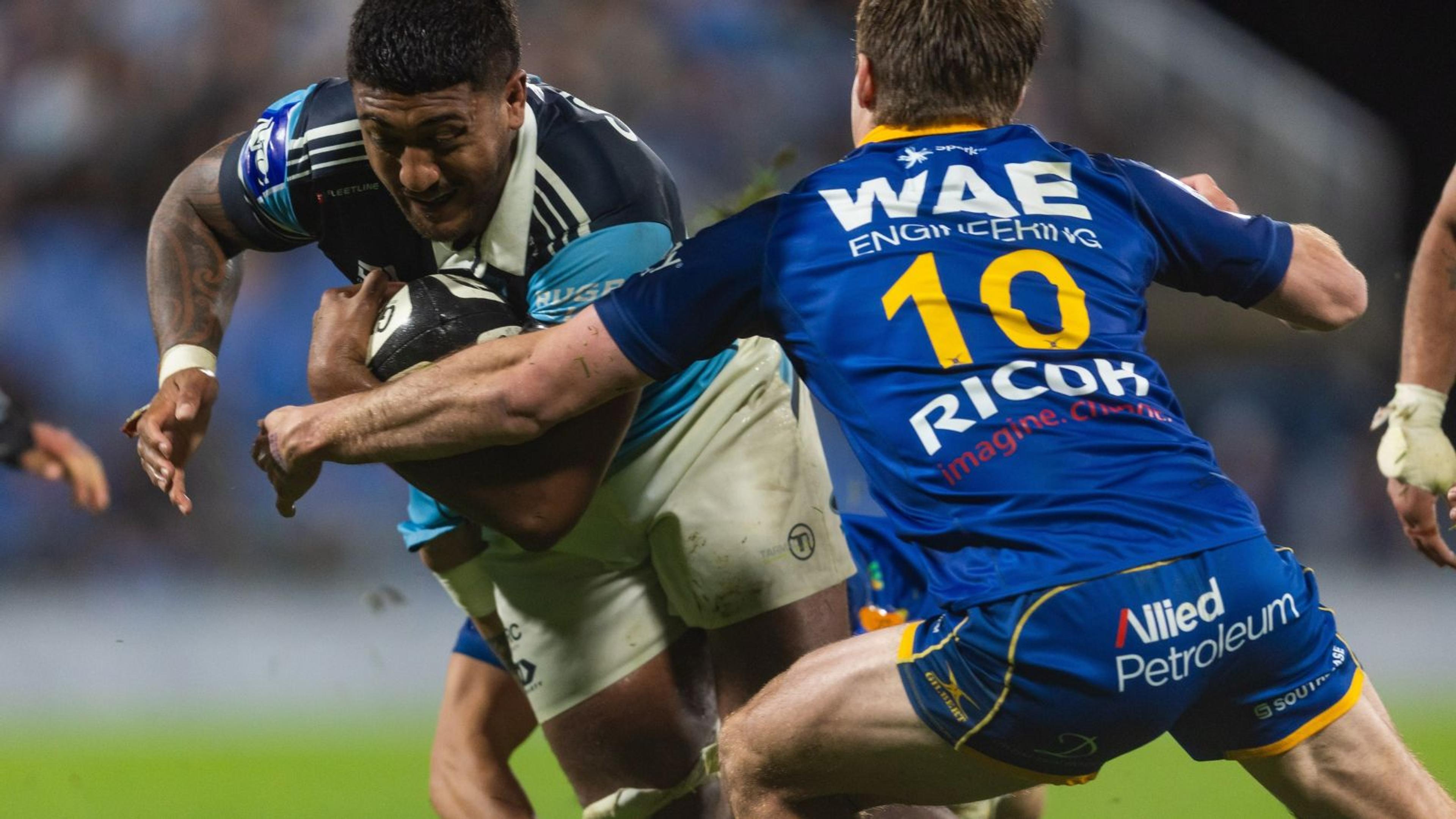
Pacific players perform a traditional pre-match challenge before an international Test, reflecting rugby’s deep cultural roots across Fiji, Sāmoa, and Tonga.
Photo/Wide World of Sports/Nine
Opinion
NRL’s record millions but what does it mean for the Pacific Islands' other rugby code?
League has declared itself No.1 in the region, posting record crowds, viewers, and cash. The big question is not just who is winning but who is building lasting strength in our islands: League or Union?

Christine Rovoi
Published
01 March 2026, 8:05pm
Share
Copy Link
Top stories
Top stories
When Rugby League says it is now the biggest sport in Australia and the Pacific, it is not whispering. It is shouting.
The National Rugby League’s (NRL) 2025 annual report is packed with big numbers: A$845.6 million (just over NZ$1 billion) in revenue, almost five million fans through the gates, 224 million viewers across Australia and New Zealand, and more than a million people playing the game.
The recent announcement comes as the NRL kicks off its 2026 season, with the first two games played in the United States on the weekend. The Super League and World Cup Challenge champions Hull KR also joined the weekend party, with three games played.
A late sin-bin cost the North Queensland Cowboys in their season-opening 28-18 loss to the Newcastle Knights in Vegas on Sunday (NZ time) while the Canterbury Bulldogs snatched a golden-point win over the St George Illawarra Dragons, 15-14 in the second match.
Women’s rugby league is surging. Social media numbers are soaring. New teams are coming including one from Papua New Guinea in 2028.
From a business point of view, it is a powerful story. League is strong, organised, and growing.
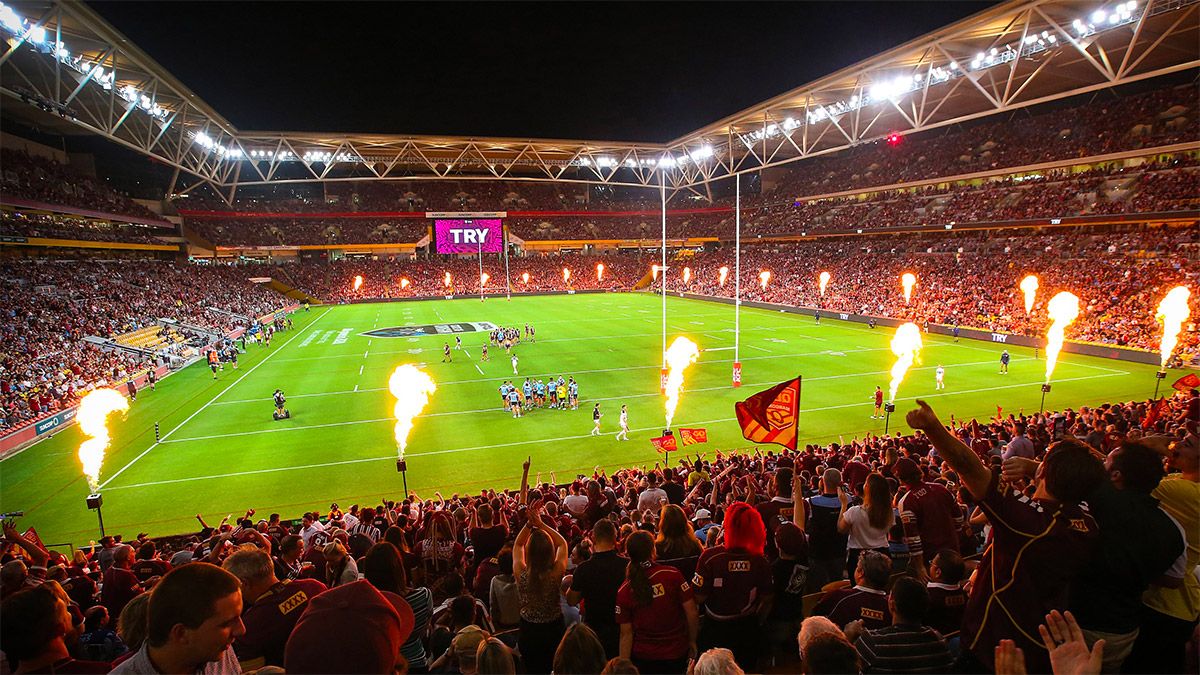
A packed NRL stadium in Australia highlights the competition’s record crowds and growing commercial strength across the region. Photo/austadium.com
But here in the Pacific, rugby is not just a business. In Suva, Apia, and Nuku'alofa, rugby is not a weekend hobby. It's part of the national heartbeat.
It is family. It is church fundraising. It is village pride. It is our boys and girls dreaming of wearing the national jersey.
So when League says it is now No.1 in the Pacific, it is worth asking: does that mean it is delivering the same long-term results that Rugby Union has done for decades?
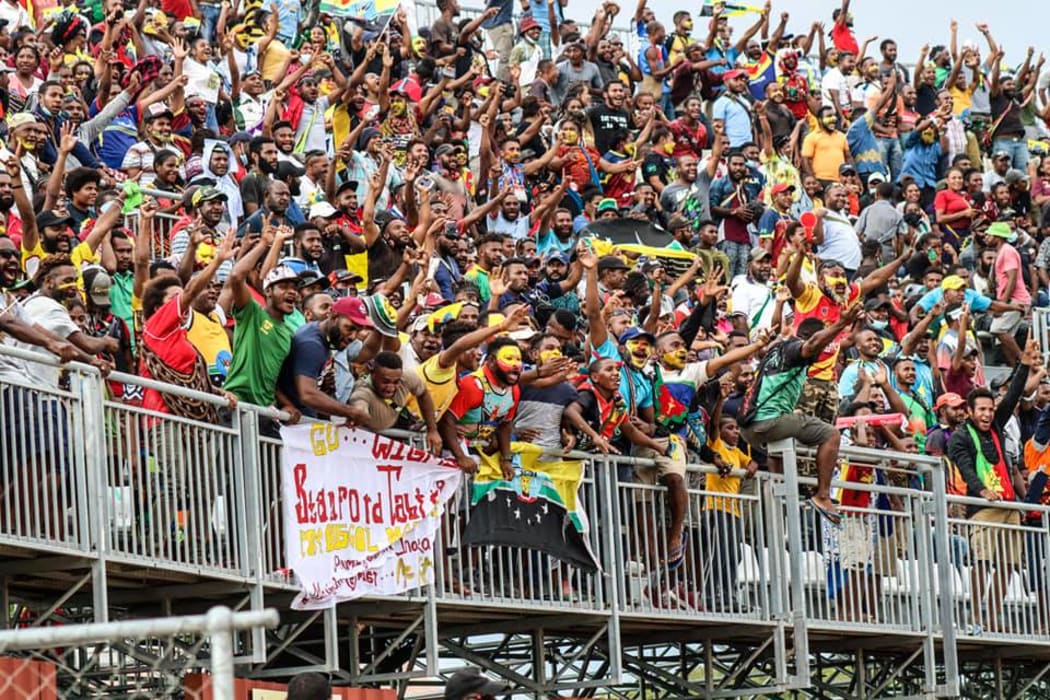
Rugby league holds near-religious status in Papua New Guinea, where a new NRL franchise is set to join the competition in 2028. Photo/Facebook/PNG National Rugby League Competition
Because if we measure by history, identity, and global reach, Union still carries weight that League cannot match. Well just yet.
In Fiji, Sāmoa, and Tonga, Rugby Union has long been part of national life. The Flying Fijians, Manu Sāmoa, and ‘Ikale Tahi have played at Rugby World Cups and beaten major nations.
Sevens has brought Olympic medals and global respect. Union is played in villages and schools across the islands. It is woven into who we are.
Rugby League has grown quickly and so cleverly. It has invested heavily in nations like PNG where the sport is almost a religion.
It has also opened doors for Pacific players into the NRL, where many now shine. It has embraced Pacific culture in marketing and storytelling. It understands our communities are passionate and loyal.
And more importantly, it has money. The NRL’s record surplus and rising revenues allow rugby league to fund grassroots programmes, women’s competitions, and new expansion clubs.
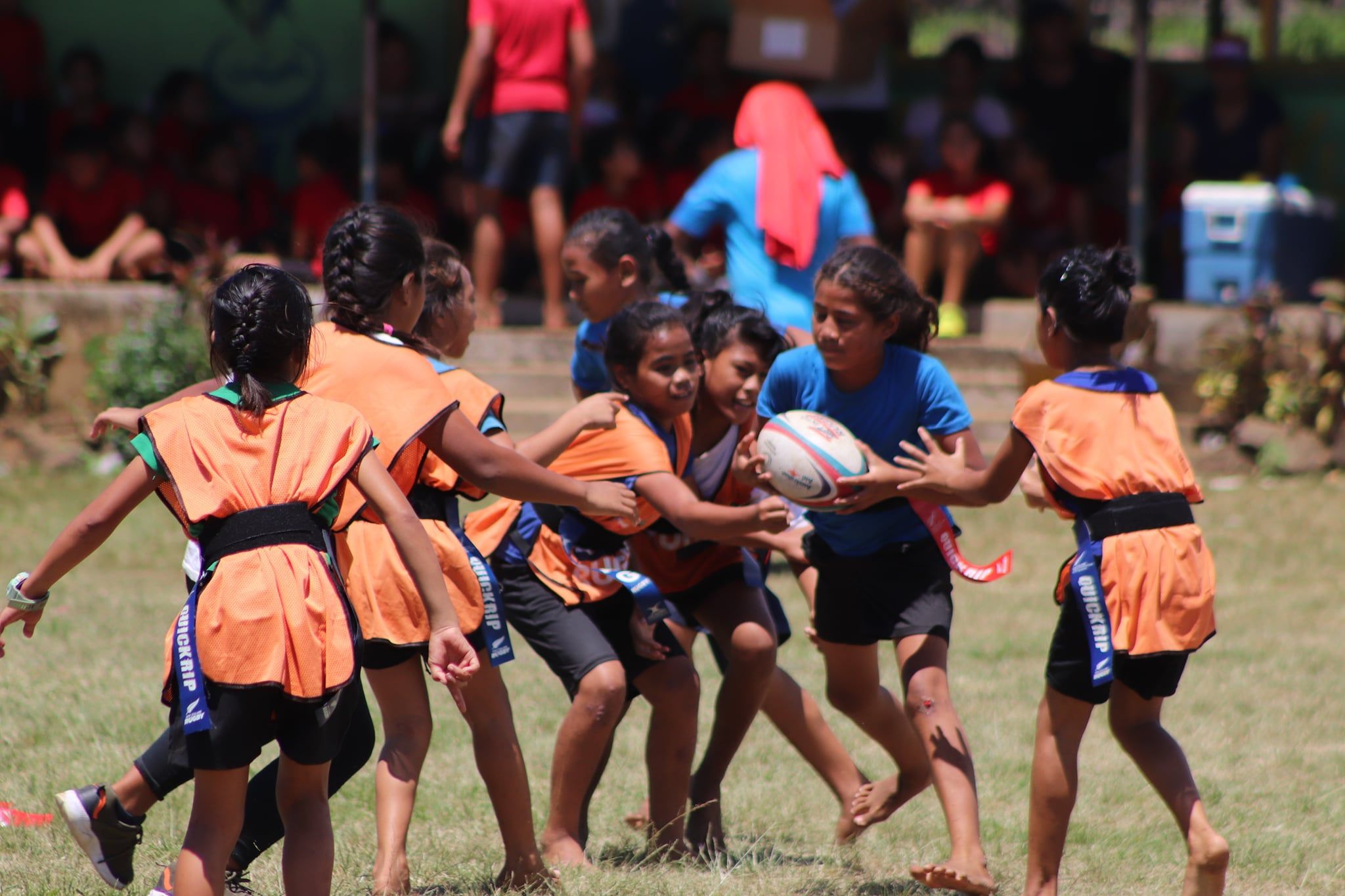
Children play rugby on a village field in the Pacific, where the sport is woven into community life beyond the professional stage. Photo/Oceania Rugby
That financial strength matters. In any sport. And in League, it means better facilities, better coaching, and clearer career paths. For young Pacific athletes, that is attractive. Parents notice stability and governments notice investment.
Union, meanwhile, has faced its own struggles. Financial pressures. Governance issues. Heavy defeats, all at the top level.
Those struggles are not just talk. The planned Super Rugby Pacific match between Moana Pasifika and the Chiefs at Teufaiva Stadium in Tonga this April was cancelled after funding could not be secured - the second year in a row a major fixture in the kingdom has fallen over.
For a country that lives and breathes rugby, that is more than disappointing. It raises serious questions about how strong the system really is when it cannot bring top-level rugby to its own Pacific backyard.
In some island countries, there are constant calls for reform and the global Union calendar does not always work in the Pacific’s favour as the player drain to Europe and Japan continues. And while sevens rugby remains strong, the 15-a-side game is struggling to keep pace.
So are the results the same? Not really.
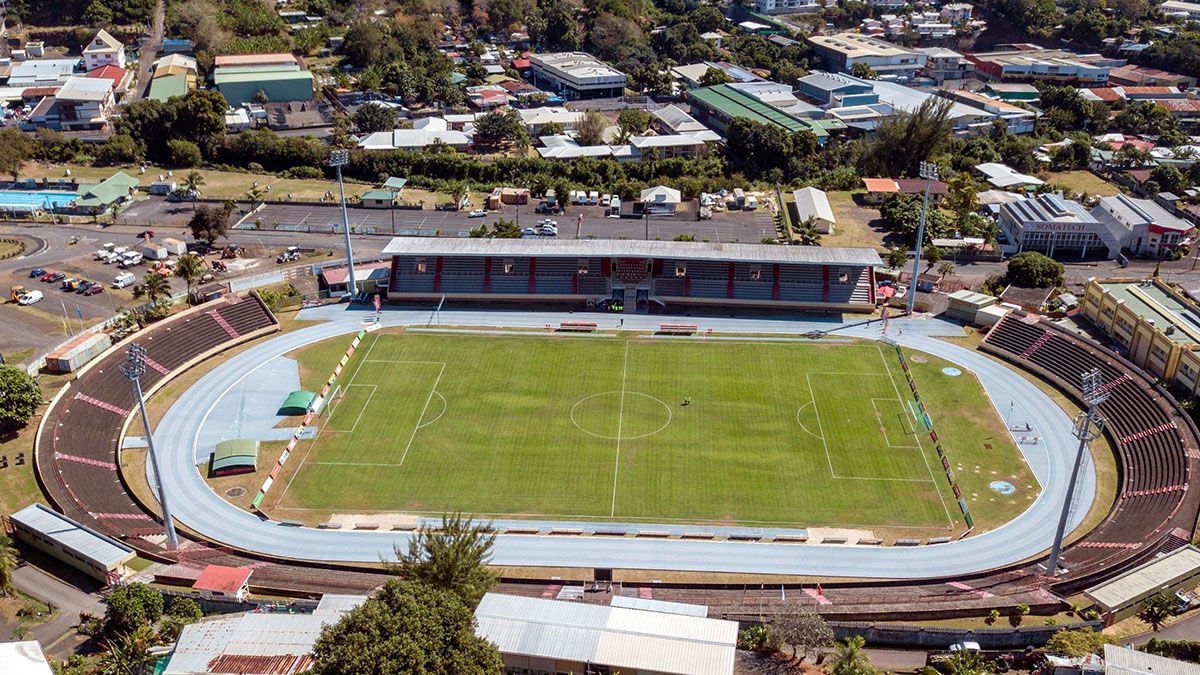
The highly anticipated Moana Pasifika clash with the Chiefs will no longer take place at the Teufaiva Sport Stadium in Nuku’alofa, Tonga. Photo/austadiums.com
League’s growth in the Pacific is real, but it is still largely driven by the Australian system. The money, broadcast deals, and power sit there. The new PNG franchise will be a major step forward but it must succeed on and off the field to truly make any difference and shift the balance.
Union, on the other hand, has something League cannot easily buy: deep international competition. The Rugby World Cup is one of the biggest sporting events on earth. The next one is in 2027 and is being held in Australia.
Pacific teams compete against the best in the world on a regular global stage. That exposure builds national pride in a way domestic club competitions cannot fully replace.
For many, the difference is simple: League right now looks stronger as a business machine in our region. It has momentum, youth appeal, and clear numbers to prove it.
Union still holds the stronger global passport and a longer emotional history across most Pacific island nations.
The real question for Pacific leaders, in sports and government, is: which model better serves our people over the next 20 years?
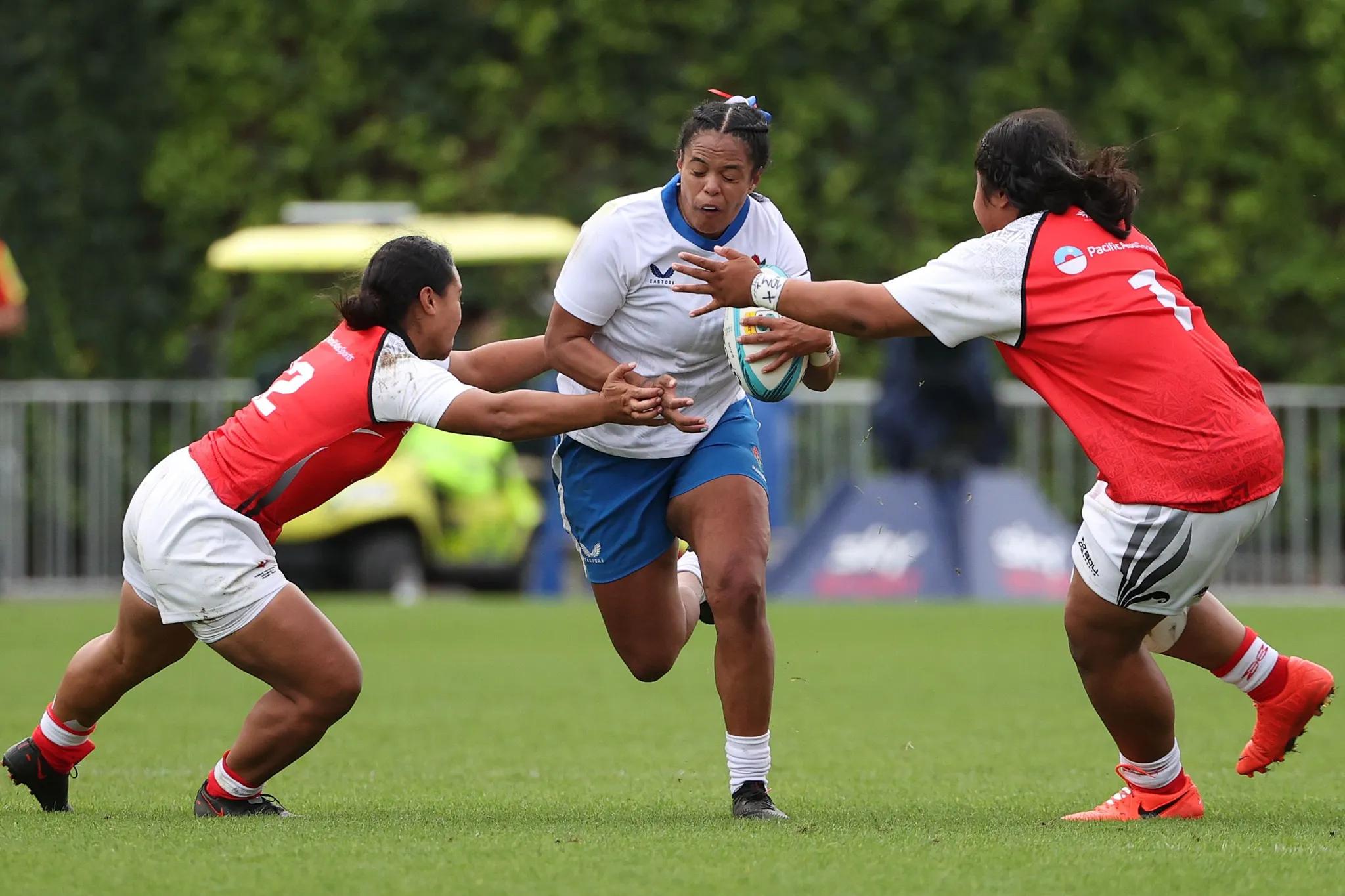
Women’s rugby continues to grow across both league and union, creating new pathways for Pacific athletes. Photo/World Rugby
Is it the model that offers strong commercial backing, clear pathways, and growing women’s competitions? Or the model that connects our small island nations to the world stage and carries generations of tradition?
Ideally, it should not be a fight. Our athletes have shown they can excel in both codes.
Many Pacific families already cheer for League on the weekend and Union when the World Cup arrives. The talent pool is deep enough but resources are not endless.
If League wants to truly claim the Pacific crown, it must show that its record profits translate into strong local competitions, better governance support, and long-term investment in island nations, not just the recruitment channel.
And if Union wants to keep its standing, it must modernise, tighten its administration, and ensure young players see a clear future at home as well as overseas.
The headline numbers from the NRL are impressive. They deserve attention. But the deeper story is not about who is bigger this year. It is about who is building something that will still stand strong when today’s record crowds and television ratings fade.
In the Pacific, rugby is more than a balance sheet. The code that remembers that and invests in our communities, not just our talent, will truly earn the title of No.1.
Christine Rovoi is a Fiji-born senior journalist at PMN and worked across newsrooms in the Pacific, United States, and Aotearoa. She has extensive experience in news reporting/editing, including sports, and has held senior newsroom roles across the region. The views expressed are her own and do not necessarily reflect those of PMN.