Tuvalu climate minister says Pacific aid means little as Australia backs fossil fuels expansion
Christine RovoiTue, 22 Sep
Richard Pamamatau, a political commentator, says Pacific media have a unique position in the local media landscape.
Photo/Unsplash
As NZ’s media landscape faces political pressure and changing audience habits, Richard Pamamatau says Pacific media remains vital because it speaks directly to communities it serves.

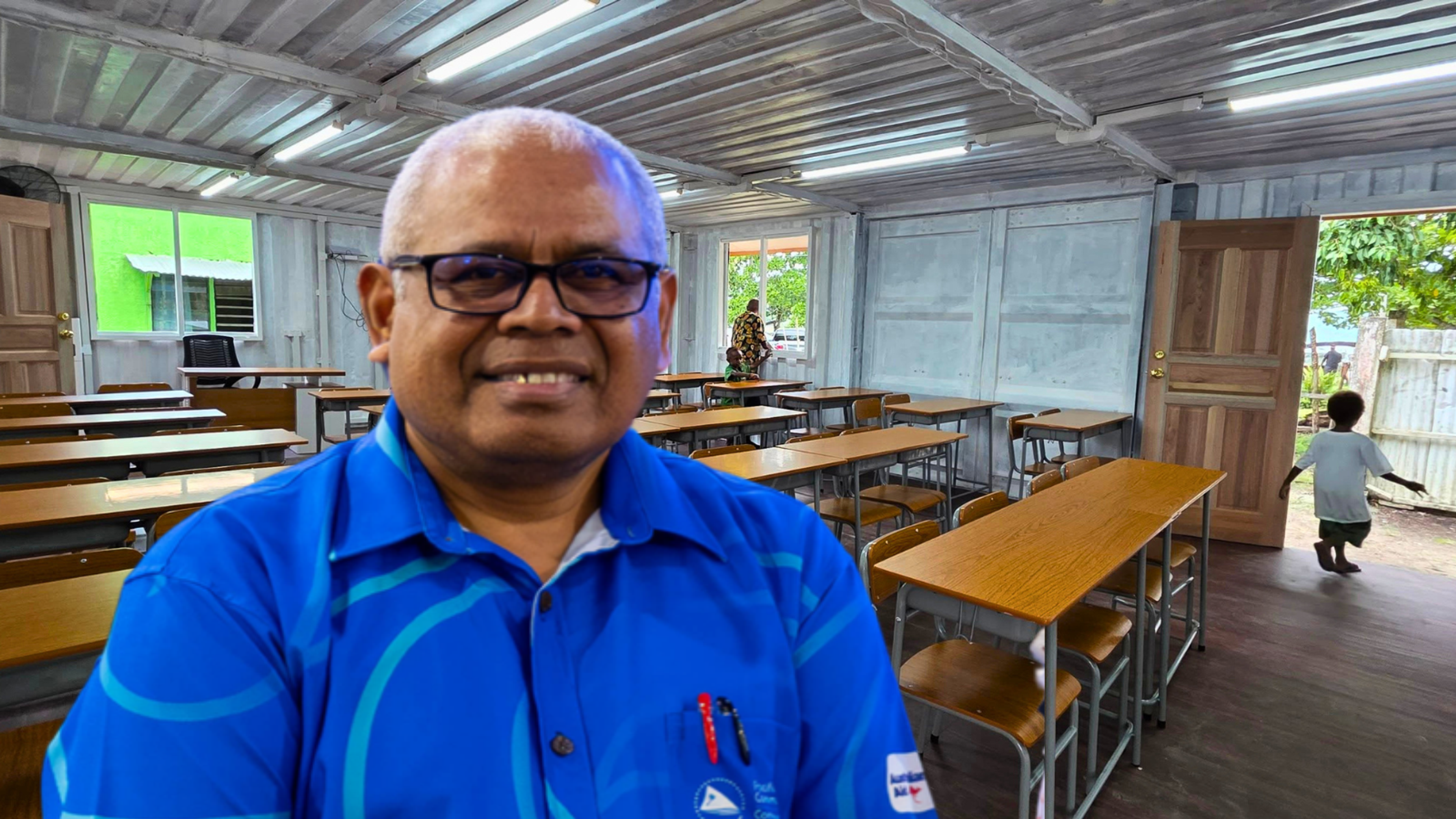


A Pacific political commentator says Pacific media has a role that mainstream broadcasters simply cannot replace particularly when it comes to language, culture and community connection.
Richard Pamamatau says this comes at a critical turning point for Pacific broadcasting as it navigates changing, highly fragmented audience habits alongside a volatile media environment.
For Pacific communities specifically, the Government also scrapped the Broadcasting Standards Authority (BSA) where Pacific leaders warned it strips away legal protections, leaving families defenceless against mainstream media racism and harmful stereotyping.
Speaking with William Terite on Pacific Mornings, Richard Pamamatau, a political commentator, says Pacific media have a crucial role in the media landscape for its communities.
“PMN has its own unique place, in the same way that the iwi stations do, like Whakaata Māori. They're serving specific audiences,” he says.
His comments come as New Zealand’s media sector faces growing debate over funding, regulation and political pressure while audiences increasingly turn to digital platforms and social media for news.
But Pamamatau says the need for Pacific media remains as important as ever.
“The [PMN] language programmes, that sort of specialist content, is really important to audiences that are not going to be served by Newstalk ZB [or] RNZ,” Pamamatau says.
“They just can't do that. The other thing about PMN is it needs to have more political reporting because our older people are maybe not necessarily listening to RNZ or Newstalk ZB.
Watch Richard Pamamatau’s full interview below.
Pamamatau says the media environment has changed dramatically in recent years with audiences now able to access information from a wide range of sources.
“A whole lot of disintermediation has taken place. There are more and more choices for people. People can get material information used from a whole range of sources.”
According to AUT’s Trust in news in Aotearoa New Zealand 2026 report, of all ethnic demographics surveyed, Pasifika had a higher baseline of news trust at 36 per cent, sitting on par with the general population average (37 per cent) and tracking significantly higher than other minority demographics.
The AUT report also found that television is now neck-and-neck with social media and video networks, which 19 per cent of New Zealanders now utilise as their main source of news.
Meanwhile, friction continues to burn between coalition politicians and mainstream broadcasters, including the scaling back of regular prime ministerial interview slots alongside open ministerial questioning of public media management.
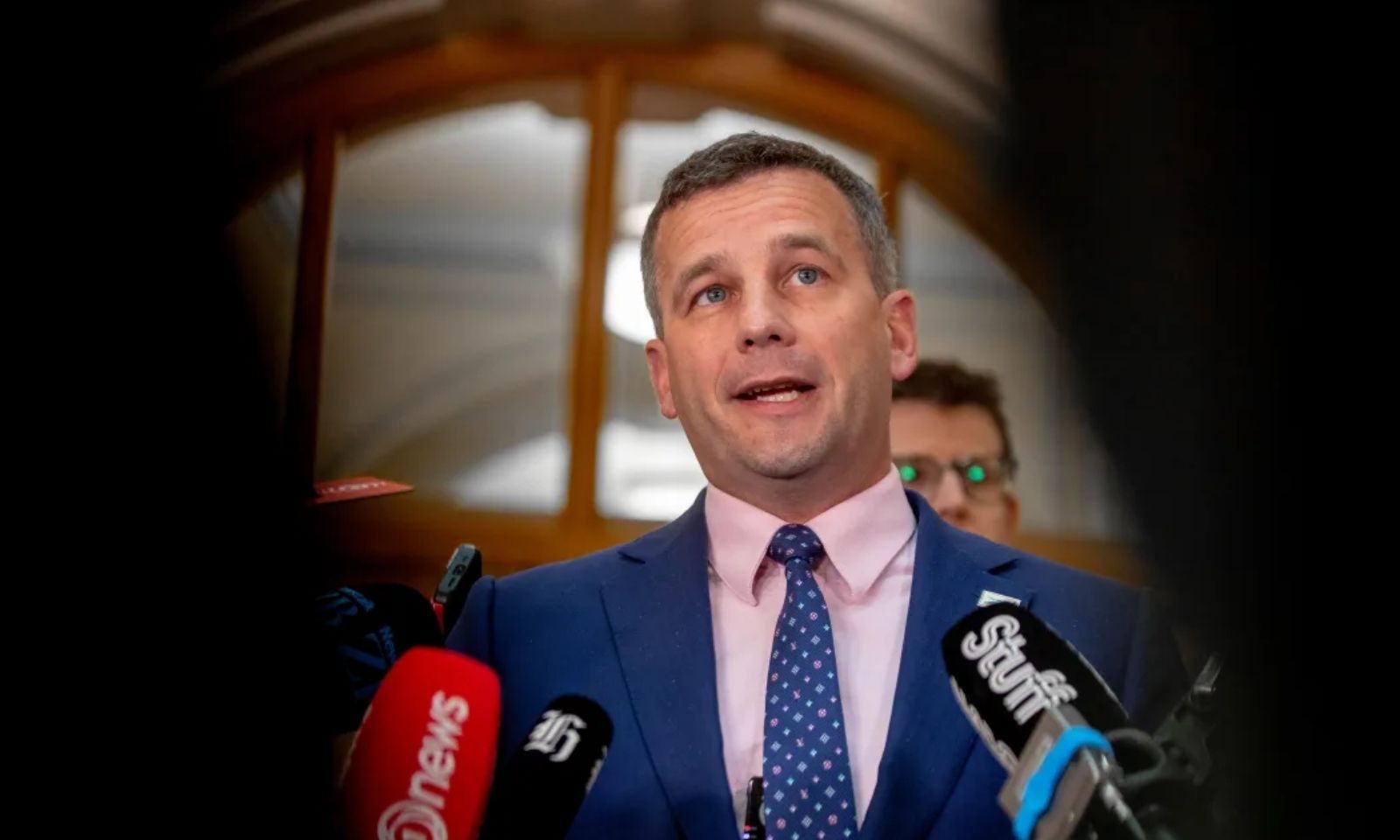
ACT leader David Seymour intensified criticism of RNZ last month, questioning its direction and leadership while arguing publicly-funded media must be more accountable to taxpayers. Photo/RNZ/Mark Papalii
Pamamatau warns against overt political pressure. He says that while a reciprocal "rumba" has always existed between politicians and journalists, attempts to influence editorial environments are now far more public.
“If we circle back and recognise that the entire landscape is changing, then yes, TVNZ and RNZ are under enormous pressure. But that does not mean that the government can go in and tell them what to do,” Pamamatau says.
This regulatory shift includes decommissioning the Broadcasting Standards Authority in favour of industry self-regulation under the Media Council, a move the government defends as a necessary modernisation to establish an even playing field between traditional radio and unpoliced podcasts.
Pulotu Tupe Solomon-Tanoa'i, a former BSA member, previously challenged this deregulatory approach with the historical record of the watchdog, which served as a tool for Pacific communities to challenge harmful mainstream broadcasts.
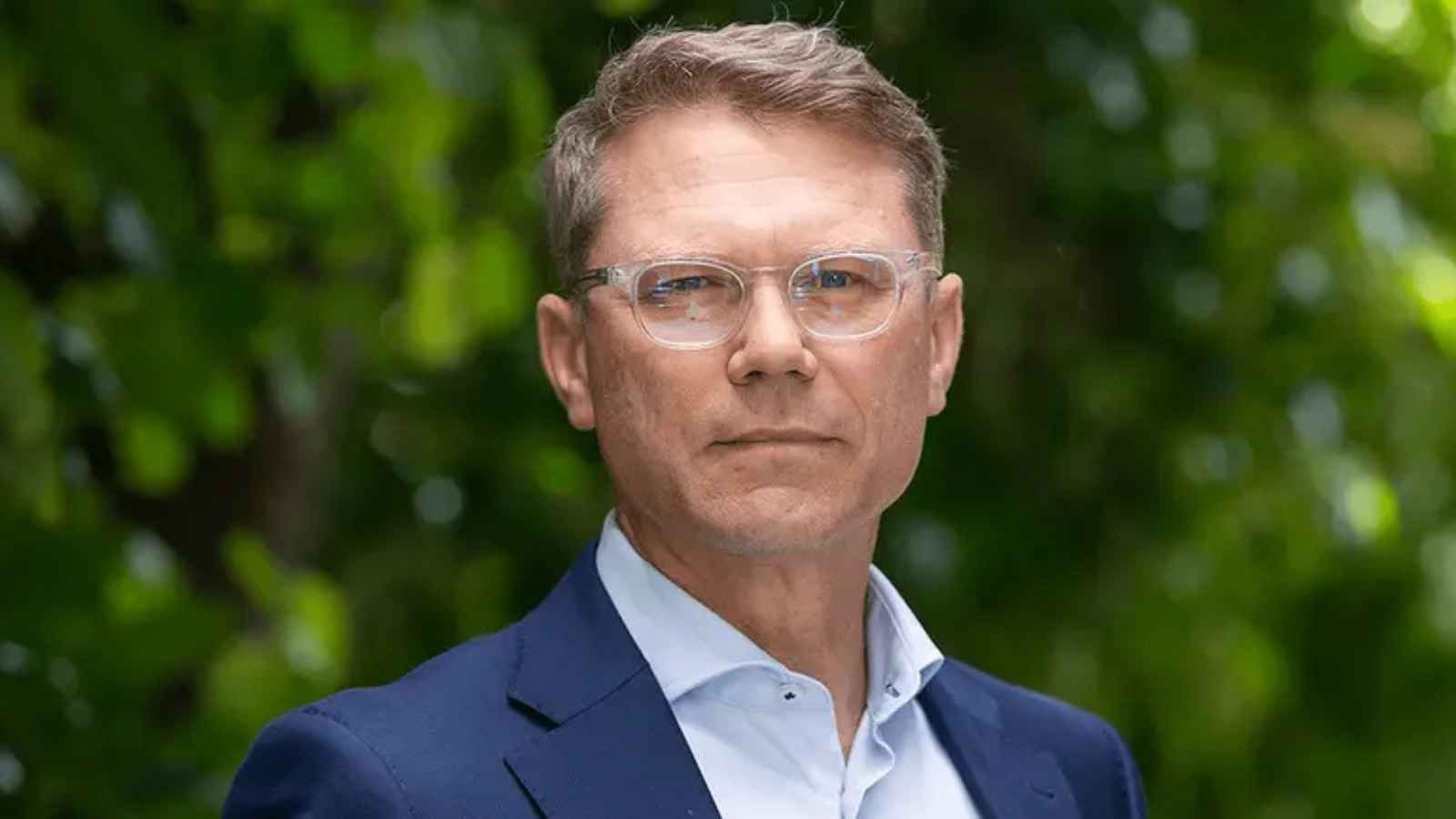
Media Minister Paul Goldsmith said scrapping the 37-year-old BSA is the "tidiest solution" for a digital age. Photo/Supplied/NZ National Party
“The Government needs to actually just say we're funding you. There are more important things in the country than worrying about RNZ: Cost of living, petrol, kids living in damp garages,” Pamamatau says.
“I'd argue that's where the government needs to be putting a focus and just leave RNZ to get on with it.”
Pamamatau says the future of Pacific media is not just about surviving a changing environment. It is about ensuring Pacific communities continue to have trusted voices that understand their languages, cultures and lived experiences.