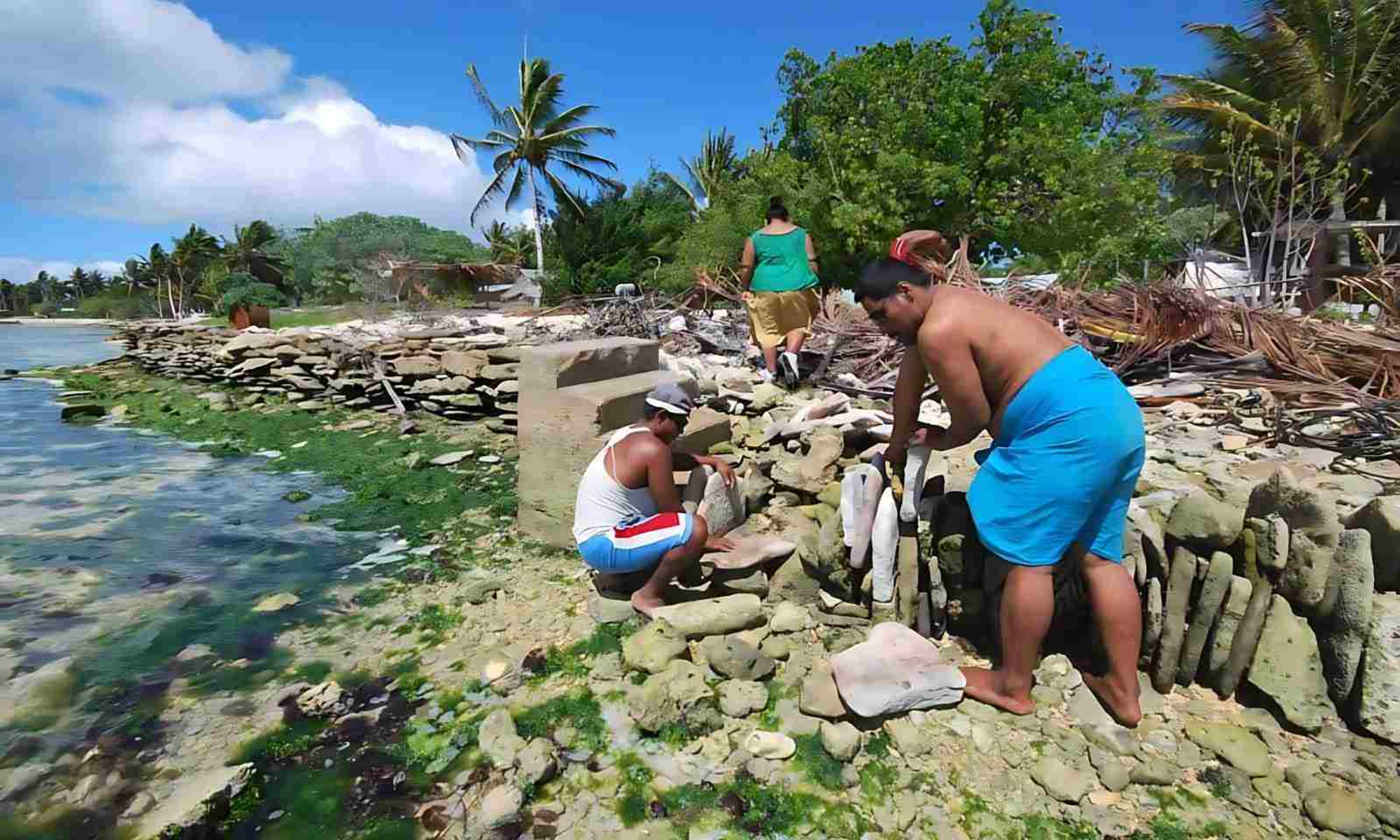
Pacific island communities face the growing impacts of climate change including rising seas, coastal erosion and threats to homes and livelihoods.
Photo/Pacific Community (SPC)/file
Environment
Australia’s $20m Fiji climate summit bill sparks political fight
Canberra says hosting the UN’s Pre-COP31 talks in Nadi is in Australia’s national interest but the opposition disagrees citing families' pressures.

Christine Rovoi
Published
16 August 2026, 1:41pm
Share
Copy Link
Top stories


Auckland teen turns a trip to Fiji into a mission to fight period poverty
Elenoa TuragaiviuThu, 15 Oct
Top stories
Auckland teen turns a trip to Fiji into a mission to fight period poverty
Elenoa TuragaiviuThu, 15 Oct
A A$20 million (NZ$24.05 million) bill for Australia to host a major United Nations climate meeting in Fiji has sparked a political fight in Canberra.
The Australian government is defending the spending as an investment in the country's regional and climate leadership.
But the Opposition says taxpayers should not be footing the bill as households face their own cost-of-living pressures.
Australia is hosting the Pre-Conference of Parties (COP31) summit in Nadi in October in partnership with Fiji, Tuvalu and other Pacific countries.
The Australian government says bringing the talks to the region will help put the Pacific at the centre of global climate discussions, amplify Pasifika voices and support shared climate priorities.
But the A$20m price tag has come under fire from the Opposition, which says the government should be focused on the cost of living at home.
Shadow Attorney-General Michaelia Cash called the spending an “absolute disgrace”.
“You actually can’t make this up. Luxury resorts, luxury islands, event planners, Chris Bowen spending taxpayers’ hard-earned money,” Cash told 7News Sunrise.
“Australians are just sick and tired of the Labor government splashing around their hard-earned money while they struggle to pay their power bills.

Australian Opposition senator Michaelia Cash has criticised the A$20 million cost of hosting the Pre-COP31 climate summit in Fiji. Photo/Liberal Party of Australia
"Scrap net zero, get rid of Labor's carbon taxes, and ensure that the Australian people have affordable, reliable energy - not luxury hotels, resort islands, and event planners.”
Canberra says the spending reflects the importance of having Australia at the table.
Housing Minister Clare O’Neil says the talks will have consequences well beyond climate policy.
“This conference is about Australia playing a leadership role in determining the world's climate future, literally shaping the question of the kind of Australia that my children are going to grow up in,” O'Neil told the network.
“Whether we like it or not, these agreements will help determine things like how frequent and serious natural disasters are in our country, the livelihood of Australian farmers, and the extent of erosion that we see around our country.”
O’Neil says she understands why Australians may question the cost but argues the investment is in the national interest.

Pacific communities are on the front line of climate change, facing rising seas, coastal erosion and growing threats to homes, food security and livelihoods. Photo/Supplied
“I understand people look at these dollars and it feels like a lot of money, and I really respect and appreciate that, but these are critically important conversations and we do need Australia to be at the front of the discussion,” she added.
“It is absolutely in our national interest to lead this conversation globally, and that's what we are doing.”
The spending is particularly significant for the Pacific where climate change is already affecting communities through rising seas, coastal erosion and threats to homes, food security and livelihoods.
Australia says the Pacific-focused Pre-COP is an opportunity to bring global decision-makers into the region and strengthen work on issues including climate finance and climate-resilient infrastructure.
The Pre-COP31 meeting will be held in Nadi from 5-8 October with a separate leaders’ event planned for Tuvalu before the main COP31 summit in Antalya, Türkiye.
Across the Pacific, countries are also preparing to use the talks to push their own climate priorities.
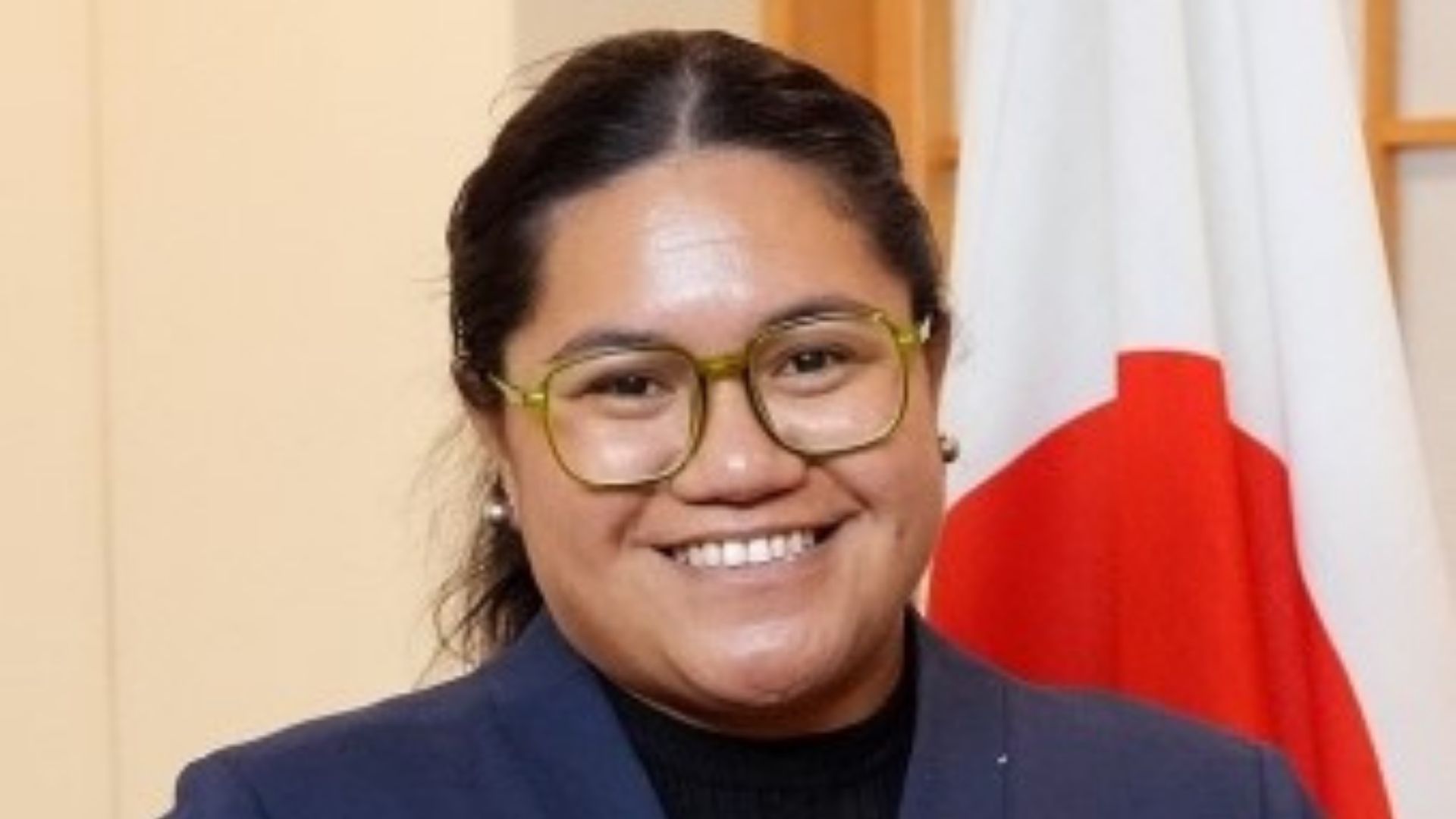
Niue Natural Resources Minister Rhonda Tiakia says climate change is already a daily reality for Niue, with the island facing coastal erosion, storm surges, cyclones and prolonged dry conditions. Photo/Ministry of Foreign Affairs, Japan
In Niue, more than 20 government officials, technical experts and civil society representatives have taken part in a three-day training programme to strengthen the country's negotiating team ahead of Pre-COP31 and COP31.
The training, delivered by the Secretariat of the Pacific Regional Environment Programme (SPREP) with the Niue government, focused on climate finance, adaptation, loss and damage and the links between the ocean and climate change.
Niue's Natural Resources Minister, Rhonda Tiakia, says the country is already living with the impacts of climate change despite making a negligible contribution to global emissions.
“Niue's carbon footprint is negligible on a global scale, yet we have suffered substantial loss and damage - not only from cyclones, but also from ongoing coastal erosion caused by storm surges and strong waves, as well as prolonged dry conditions.
"As Niueans, we know climate change is no longer a future threat; it is our daily reality,” Tiakia said in a statement.
The training is designed to help Niue's small delegation push its priorities at international climate talks and contribute to a stronger Pacific voice.
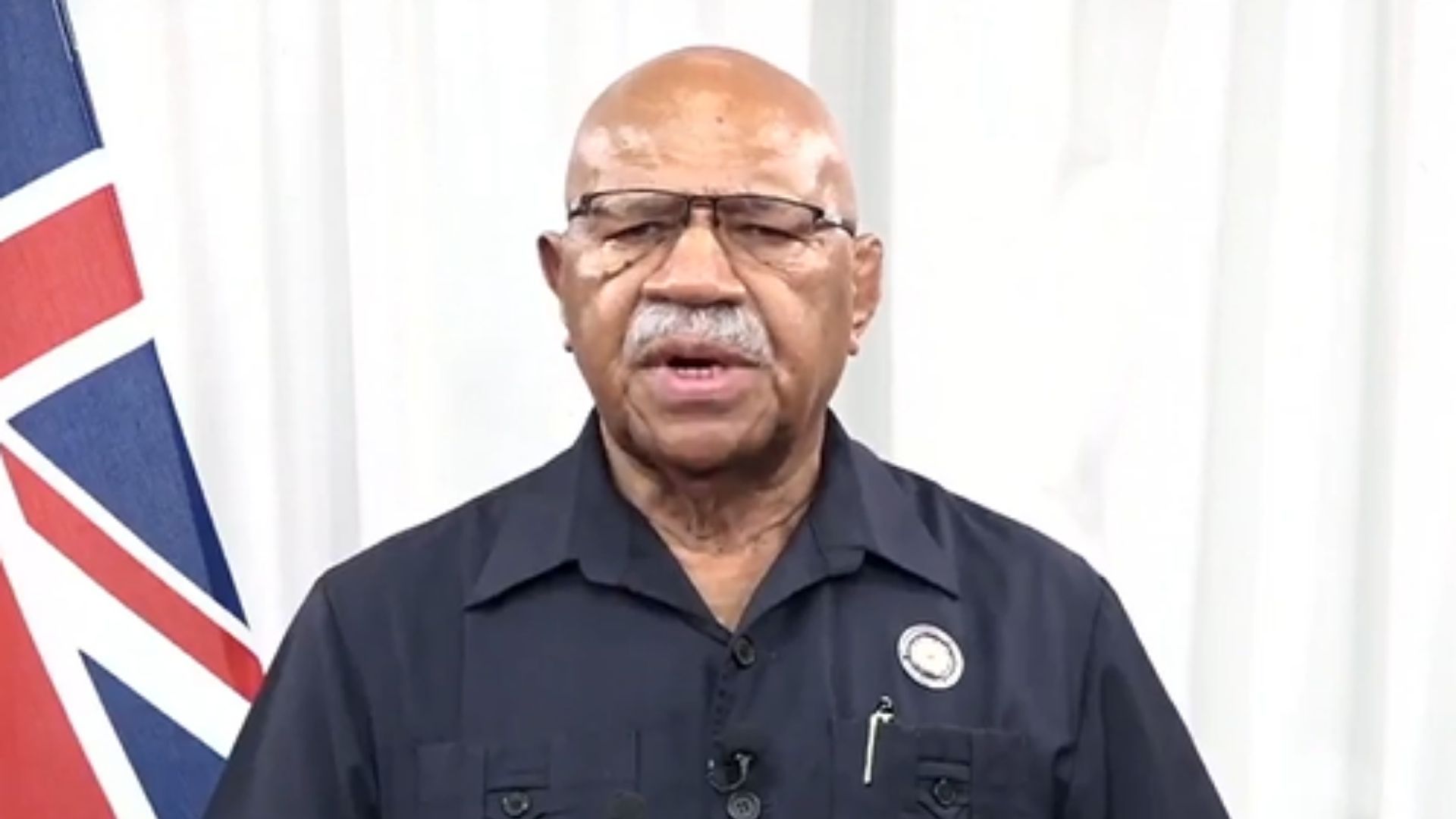
Fiji Prime Minister Sitiveni Rabuka says the Pre-COP31 summit gives world leaders a chance to see the impacts of climate change on Pacific communities first-hand. Photo/Fiji government
For Fiji, hosting the talks is about more than the summit itself. It puts the Pacific’s climate concerns directly in front of the countries making decisions on the global response.
Prime Minister Sitiveni Rabuka says it gives world leaders a chance to see the impact of climate change on Pacific communities first-hand.
“Beyond security... the summit is a rare chance for global leaders to see climate change impacts firsthand,” Rabuka told local media.
“Mostly the rising sea levels and the displacement of parts of our national population and the need for international support for our handling the sea level rises, sea walls and soil erosion... these are issues world leaders need to see for themselves.”
For Australia, the Fiji meeting has also opened a fresh domestic argument over how much that leadership should cost taxpayers.
COP31 will be held in Türkiye from 9 to 20 November, 2026. For more details, click here.