Seymour targets office karakia as Aupito warns of a ‘culture war’
Thomas Tarurongo WynneFri, 23 Oct
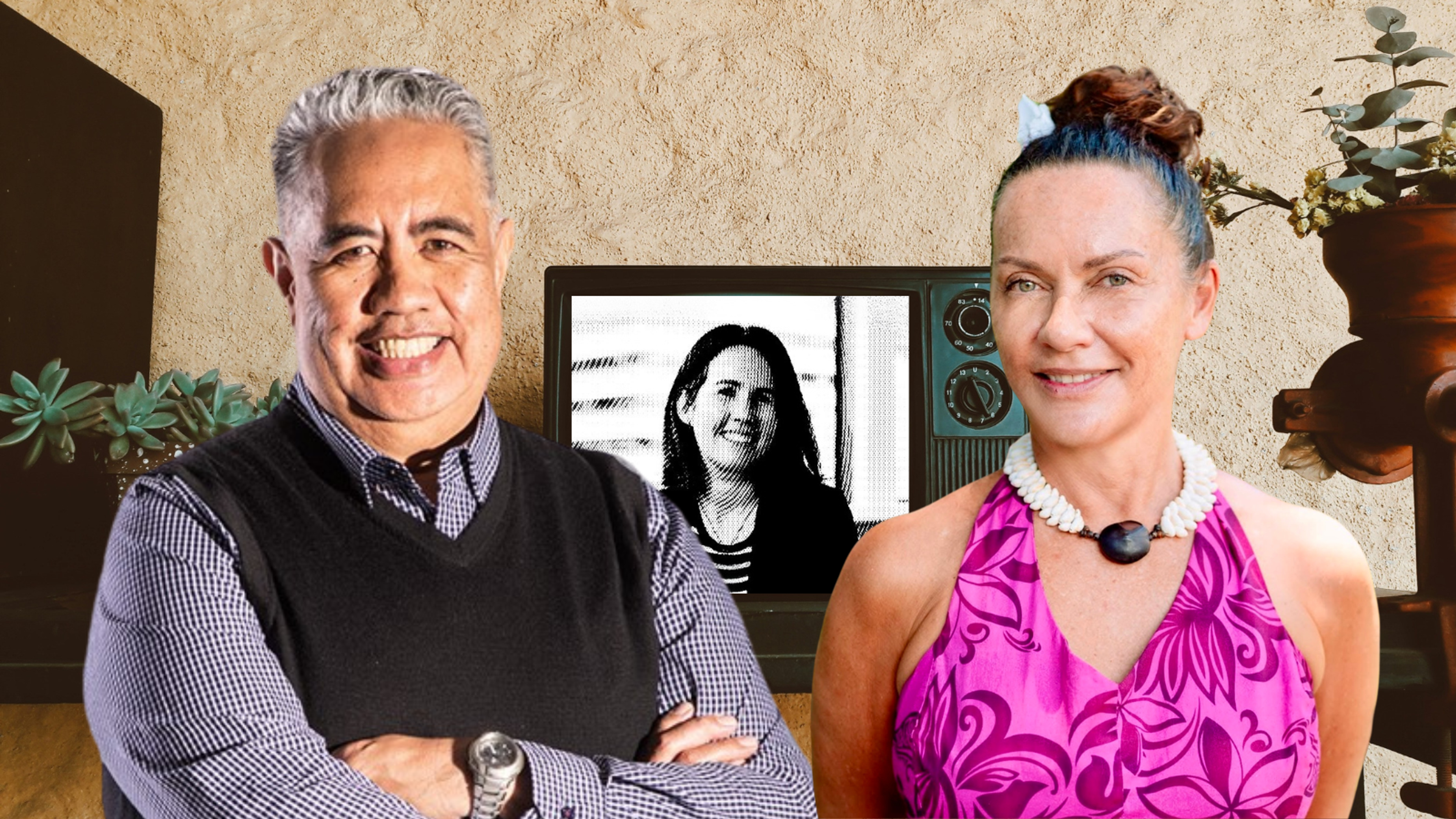
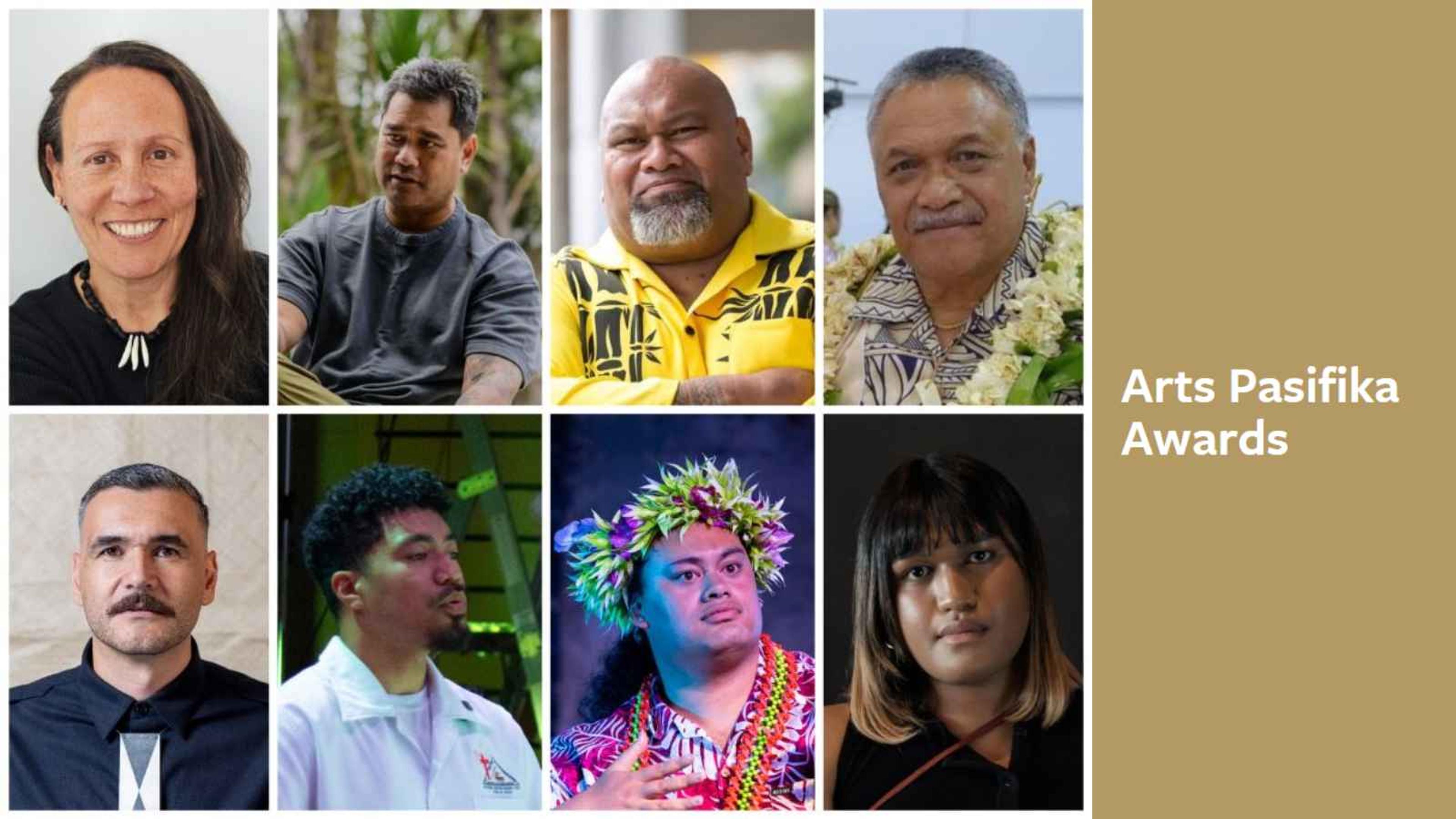
Pacific broadcasters John Utanga and Lisa Taouma discuss the pending closure of the Broadcasting Standards Authority.
Photo/Composite/NZ on Air/Supplied/Unsplash
Media leaders say shutting down New Zealand’s Broadcasting Standards Authority could remove one of the few independent ways to challenge harmful and discriminatory programmes.

Pacific media leaders fear the planned closure of New Zealand’s Broadcasting Standards Authority (BSA) could leave communities with fewer ways to hold broadcasters to account over racist and harmful content.
Their concerns come after the government confirmed plans to disestablish the independent watchdog, arguing the current system no longer reflects how people consume media.
No closure date has been set, and the BSA will continue operating until new legislation is passed.
For many in the Pacific media sector, the move is worrying because the authority has previously upheld complaints over comments targeting Pasifika.
In 2019, the BSA ruled that Newstalk ZB’s Heather du Plessis-Allan breached broadcasting standards after describing Pacific nations as "nothing but leeches on us".
The BSA found the radio host’s remarks were discriminatory and likely to cause harm.
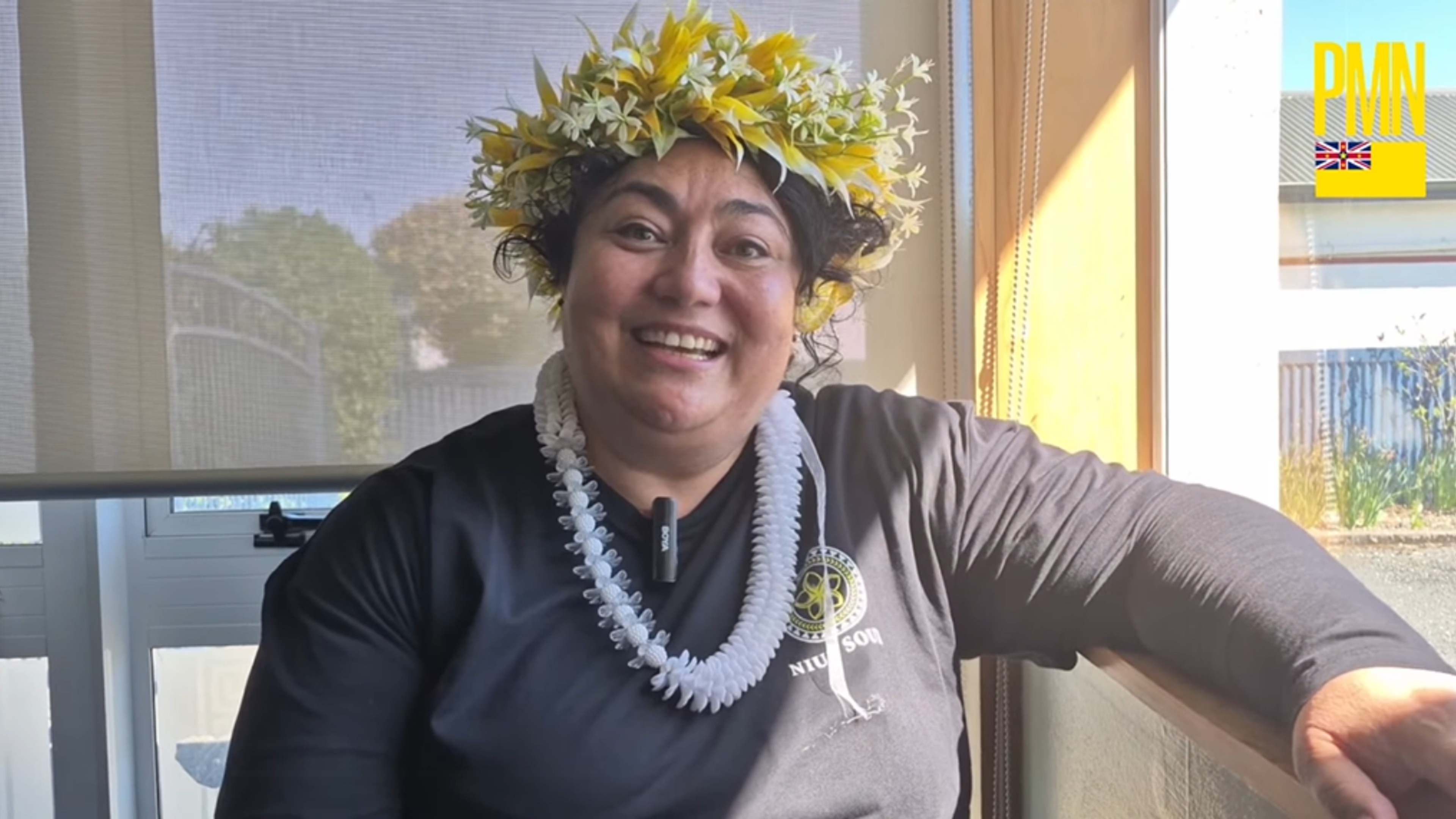
Watch Stacey Wood's full interview below.
In 2024, the authority also upheld complaints against another Newstalk ZB host Kate Hawkesby over comments suggesting Pacific patients were being prioritised for surgery, ruling the claims were misleading and harmful.
Stacey Wood, the BSA’s chief executive, says removing the watchdog without replacing it would leave a major gap.
“We don’t agree that a total lack of media regulation is the right answer,” she told William Terite on Pacific Mornings.
The Broadcasting Standards Act has not been updated since 1989. Photo/Unsplash
She says the authority gave people a way to challenge harmful broadcasts without going through the courts.
“If there is content that is discriminatory, abusive or harmful, it will be much harder to do anything about it,” she says.
“It opens the gate to material that would currently be a clear breach of standards.”
John Utanga, veteran Pacific journalist and director of Sunpix, believes the authority should have been modernised instead of abolished.
“The BSA needed to be upgraded, not eliminated,” he told PMN News. “We’ve always had a referee to go to and say, ‘Actually, that’s just not right’.”
Without that safeguard, he says, “We have no recourse. It’ll be open slander.”
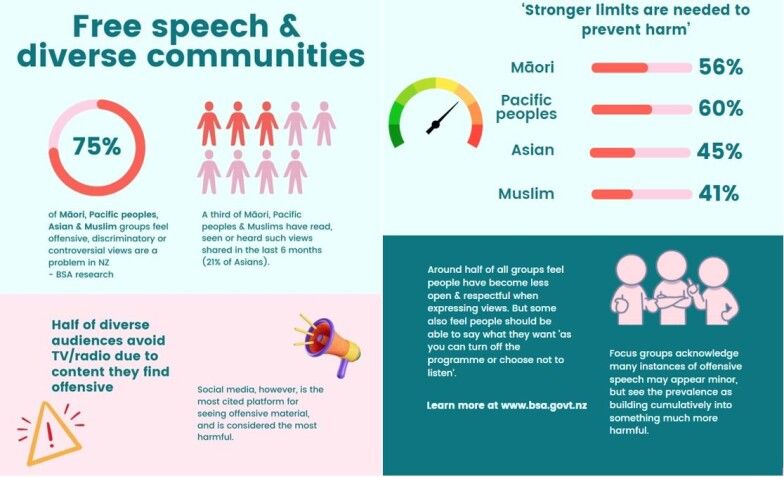
Broadcasting Standards Authority research from 2024 shows broadcasting harm to diverse communities. Image/BSA
Media and Communications Minister Paul Goldsmith says the BSA was built for a broadcasting world that is "rapidly disappearing", with audiences now moving between television, podcasts, streaming services and online platforms.
In a statement, he says greater industry self-regulation is the most practical way to oversee news across different platforms, with the New Zealand Media Council expected to become the main regulator for journalism.
But Pacific broadcasters say much online content already falls outside existing rules.
Utanga says influencers are increasingly shaping public opinion without the editorial checks expected in journalism.
“People take an influencer viewpoint as gospel nine times out of 10,” he says.
Lisa Taouma, founder of Coconet TV, says the biggest concern is what comes next.
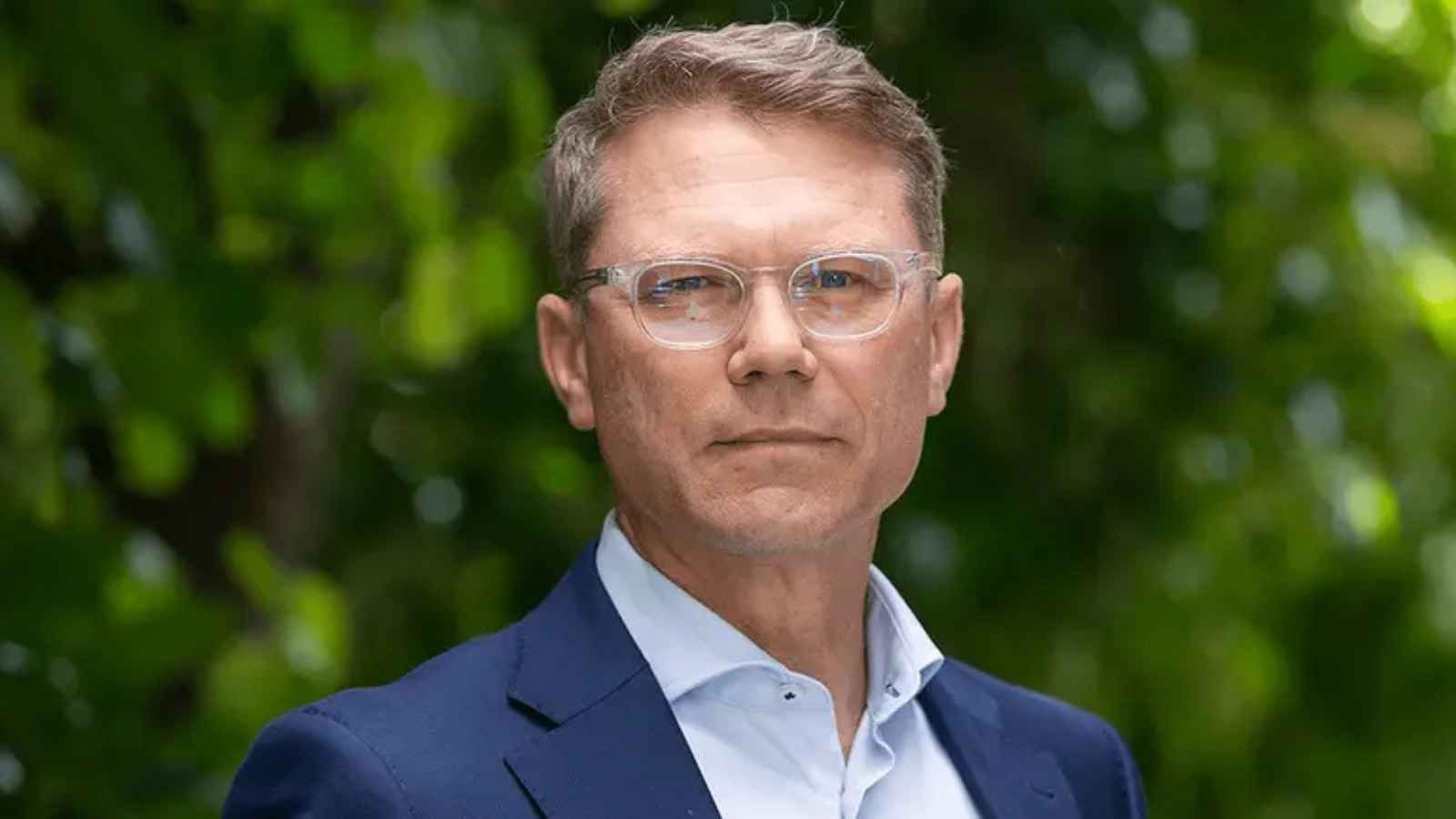
Media and Communications Minister, Paul Goldsmith, says greater industry self-regulation is the most practical way to oversee journalism. Photo/File
“Without a statutory complaints body, people would have to go to industry bodies or services like Netsafe,” she says.
Taouma says neither Netsafe nor the Harmful Digital Communications Act provides the same protections as the BSA.
“The big question is what replaces it.”
That answer remains unclear.
The New Zealand Media Council, an industry-funded body covering print and digital news, cannot fine publishers and does not oversee most live television, radio, podcasts or independent online creators.
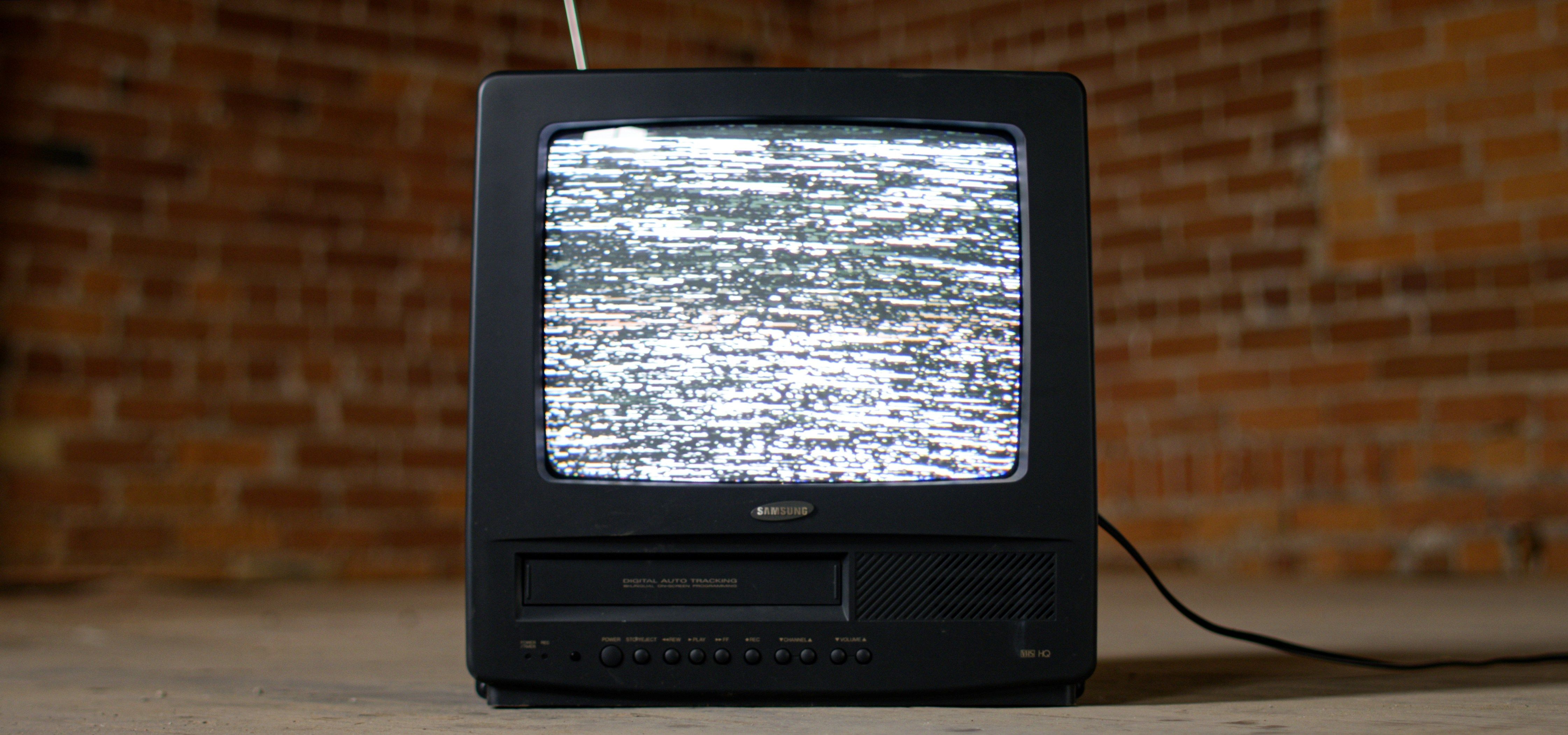
Media leaders are not sure whether the Media Council will be enough to regulate the industry. Photo/Unsplash
Wood agrees the current system needs updating but says that should mean reform, not removal.
“We want a solution that suits the realities and harms we’re seeing now, not 1989.”
For Pacific communities, complaint pathways may still exist if the BSA closes but media leaders say none would offer the same independent oversight or legal authority as the current watchdog.