Online vault aims to return Pacific research to the community
Aui'a Vaimaila Leatinu'uWed, 21 Oct
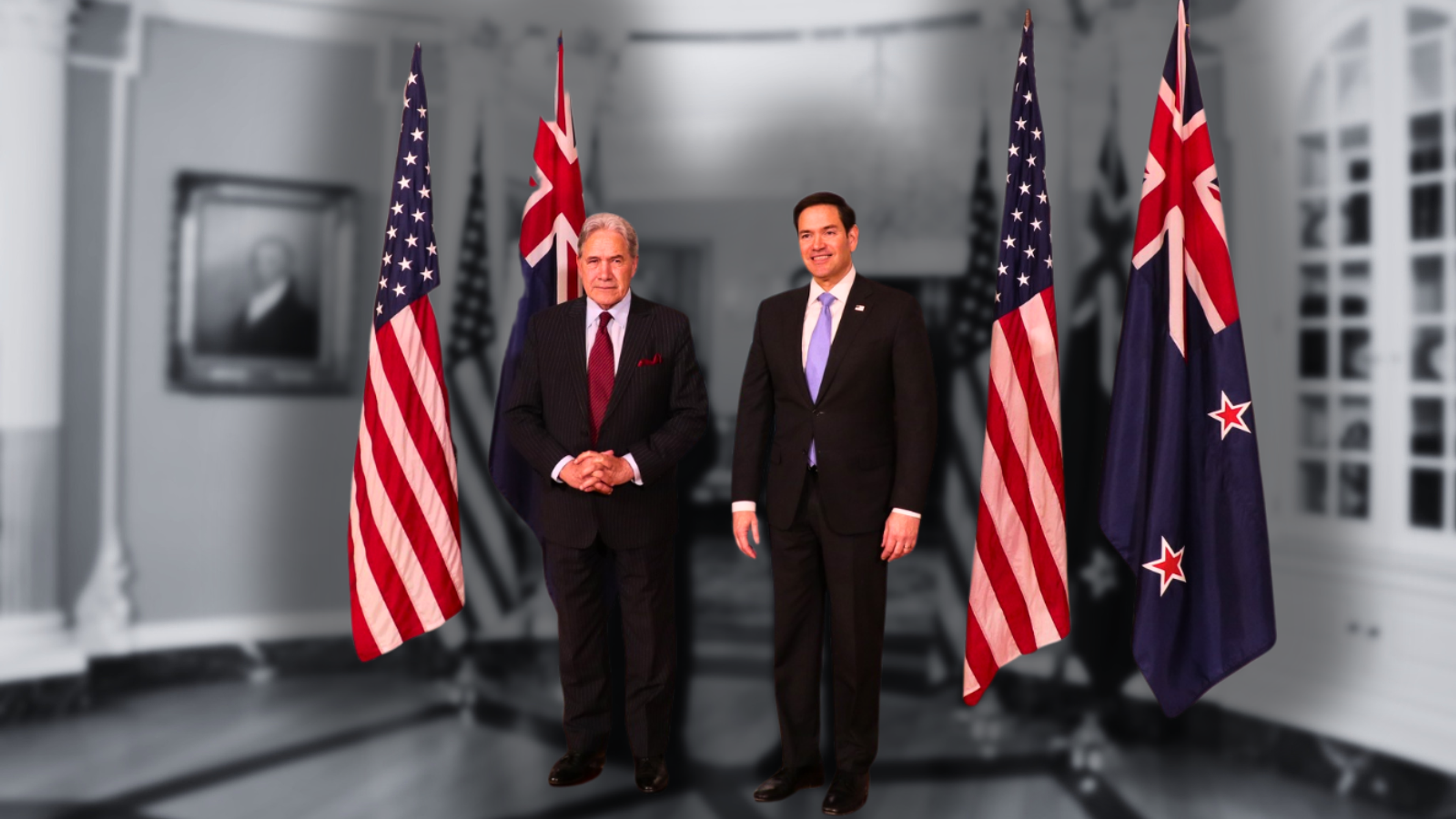
Foreign Minister, Vaovasamanaia Winston Peters, is in Washington this week to meet Secretary of State, Marco Rubio, for talks expected to focus on cooperation in the Pacific and Indo-Pacific, including the impacts of global conflicts.
Photo/NZ Embassy-Washington D.C./PMN Composite
As Winston Peters steps up security talks with Washington, experts warn rising costs and local needs risk being pushed aside.

Pacific communities are facing rising costs as global tensions reshape the region, with experts warning their priorities risk being sidelined.
New Zealand is stepping up its role in Pacific security as major powers compete for influence, raising concerns that everyday issues like the cost of living, development, and climate resilience could be overshadowed.
Al Gillespie, Waikato University’s international law expert, says the global environment is the most challenging in 80 years, with traditional partners pulling back and others moving in the Pacific.
“As America pulls its resources out of the region, other countries will come and fill that void, and the Americans will be hoping that it’ll be Australia and New Zealand,” Gillespie told Pacific Mornings.
Foreign Minister Vaovasamanaia Winston Peters is in Washington this week for talks expected to focus on cooperation in the Pacific and Indo-Pacific, including the impacts of global conflicts.
Peters is scheduled to meet US Secretary of State Marco Rubio on Wednesday morning (NZT), as New Zealand looks to strengthen coordination with the United States in the Pacific.
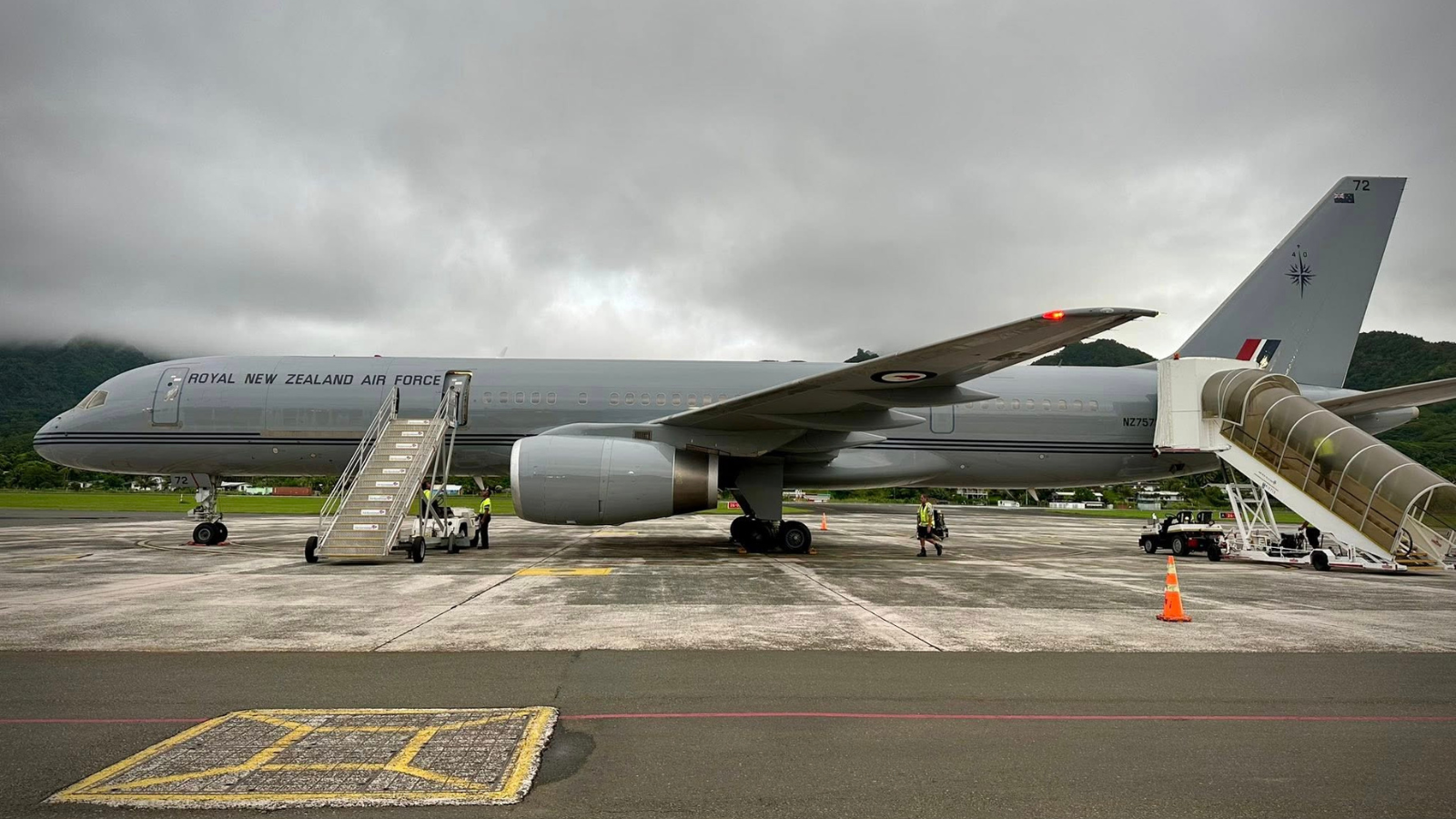
The Royal New Zealand Air Force plane that transported Foreign Minister Peters and officials to the Cook Islands last week. Fuel costs have risen sharply in the island nation, with Teariki Heather saying prices could reach $7 a litre. Photo/Radio Cook Islands
The talks come as the US seeks to maintain its influence in the region amid growing competition from China.
The pressure is already being felt on the ground, particularly in the Cook Islands.
Cook Islands’ United Party leader Teariki Heather says rising fuel costs could reach $7 a litre in Rarotonga, with the country importing about 90 per cent of its goods from New Zealand.
Listen to Teariki Heather's interview below.
The competing pressures are raising concerns that Pacific needs may be taking a back seat to security priorities.
Peters’ US visit also follows a new Defence and Security Declaration between New Zealand and the Cook Islands, aimed at strengthening their partnership.
The agreement, signed in Rarotonga last week, reaffirms Aotearoa as the Cook Islands’ primary security partner and requires Wellington to be consulted in good faith on defence matters, including before engaging with other countries.
Both countries have also agreed not to enter into arrangements that could undermine the partnership.
New Zealand has restored $30 million in annual funding that was paused in 2024 during the tensions, which has previously supported government services and infrastructure, such as roadworks.
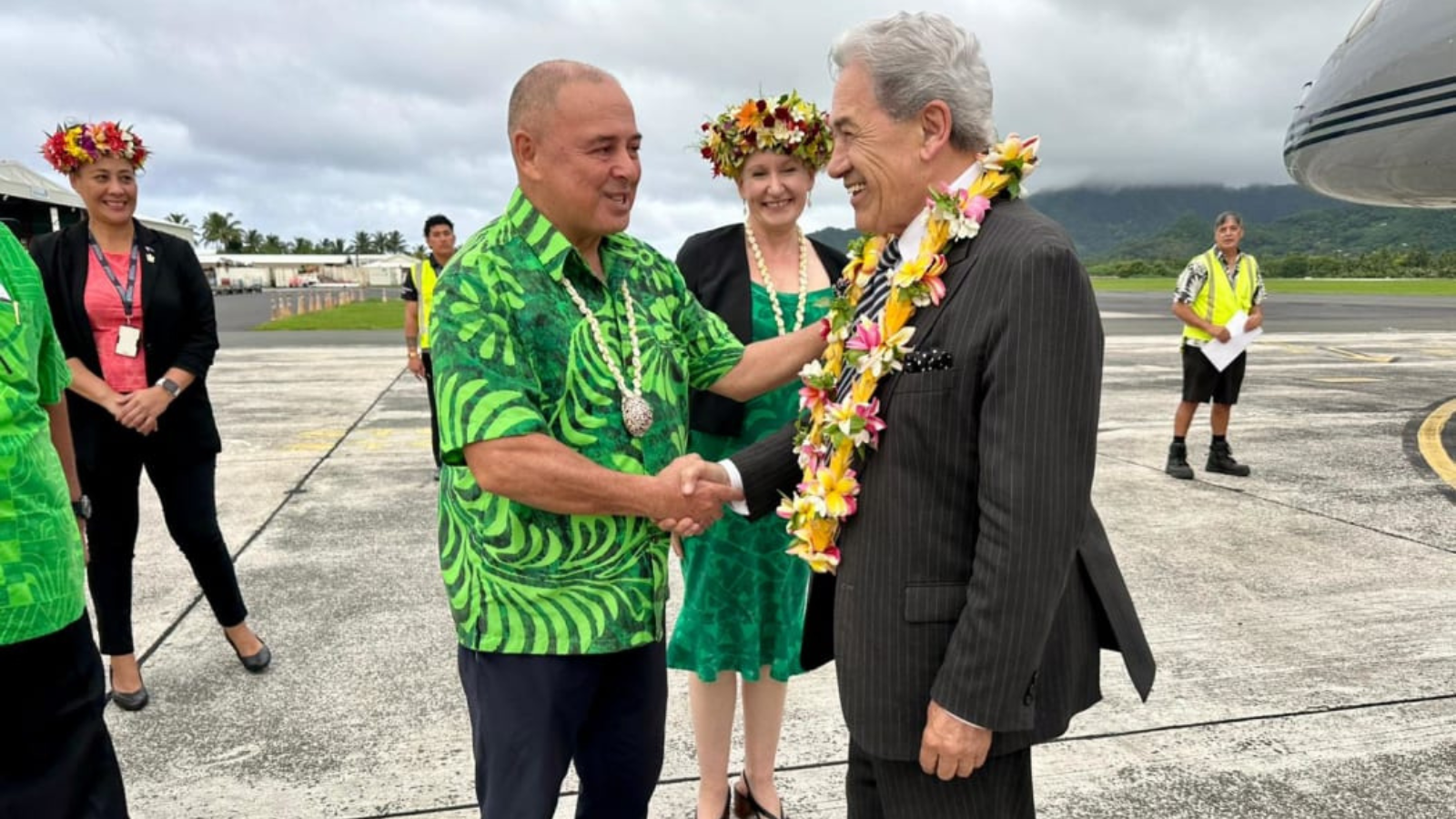
A new Defence and Security Declaration between New Zealand and the Cook Islands was signed in Rarotonga on 2 April. Foreign Minister Winston Peters met with Cook Islands Prime Minister Mark Brown to sign the declaration. Photo/RNZ/John Tulloch
The declaration comes after months of serious disagreements between Wellington and Rarotonga over their constitutional relationship and security arrangements.
Gillespie says the agreement is a strategic step in strengthening New Zealand’s position in the Pacific and keeping security ties with traditional partners.
“Mr Peters has managed to bring our relationship with the Cooks back on a positive alignment,” Gillespie said.
He says the deal reduces the risk of other countries gaining a foothold in the region. “Mr Peters did very well because there are a lot of countries in the Pacific which have been drifting away from their traditional relationships towards non-traditional partners.”
But he warns that security is only part of the picture.
“The other side is the economic investment by China in the region, which should be welcomed because we need to find cooperative ways to develop the Pacific peacefully and sustainably. We can’t do it by ourselves.”
Listen to Al Gillespie's interview below.
For Pacific communities, the real impact is already being felt.
Heather says rising fuel costs would hit businesses, tourism, and households, especially in the outer islands.
“Without fuel, everything comes to a standstill,” he said.
The Cook Islands is also in an election year, adding to domestic pressures.
It is self-governing in free association with New Zealand, with Wellington responsible for defence and external affairs after consultation.
Peters returns to New Zealand on 10 April.