
Child Poverty Action Group's Isaac Gunson, dietician Mafi Funaki-Tahifote and Māngere Budgeting Trust's Lara Dolan speak about the challenges facing families.
Photo/Supplied/Vaka Tautua
Politics
Pacific children face poverty rates more than twice the national level, new data shows
New figures show 31 per cent of Pasifika rangatahi are living in material hardship with advocates calling for higher incomes and more suitable housing for families.

Khalia Strong
Published
31 August 2026, 2:25pm
Share
Copy Link
Top stories
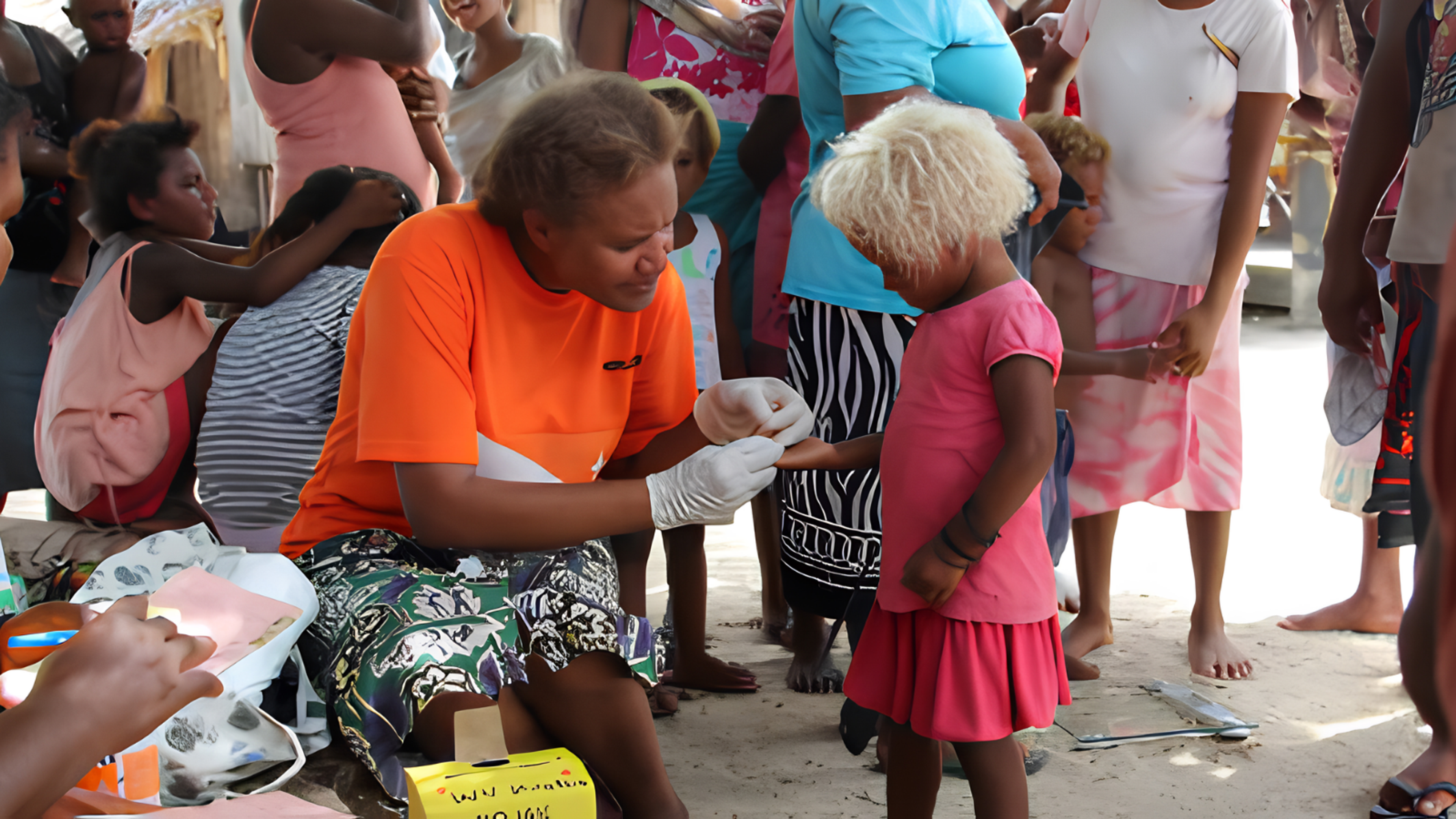
World Vision warns children will pay for aid cuts beyond the Pacific
Thomas Tarurongo WynneMon, 12 Oct
Top stories
World Vision warns children will pay for aid cuts beyond the Pacific
Thomas Tarurongo WynneMon, 12 Oct
Pacific children are bearing the brunt of New Zealand’s child poverty crisis with material hardship affecting more than twice as many Pasifika as rangatahi nationally.
New figures from the Child Poverty Action Group (CPAG) show 31 per cent of Pacific children were living in material hardship in 2025, compared with 14.3 per cent nationally.
Isaac Gunson, CPAG spokesperson, says the figures show how deep the cost of living is affecting Pacific families.
“That one in three statistic represents 54,400 children in Pacific communities,” he tells William Terite on Pacific Mornings.
“Around 45 per cent of Pacific children live in households where food runs out sometimes or often. It is Pasifika communities who are the most overrepresented in material hardship and poverty statistics.”
Material hardship is measured against 18 basic essentials, including food, clothing, shoes and bedding. A household is considered to be experiencing material hardship when it goes without seven or more of those essentials.
Watch Isaac Gunson's full interview below.
“Anything from: Do you have good sturdy shoes to go about your day? Do you have fresh fruit and veggies? Do you have a comfortable place to sleep that is your own place to sleep?,” Gunson asks.
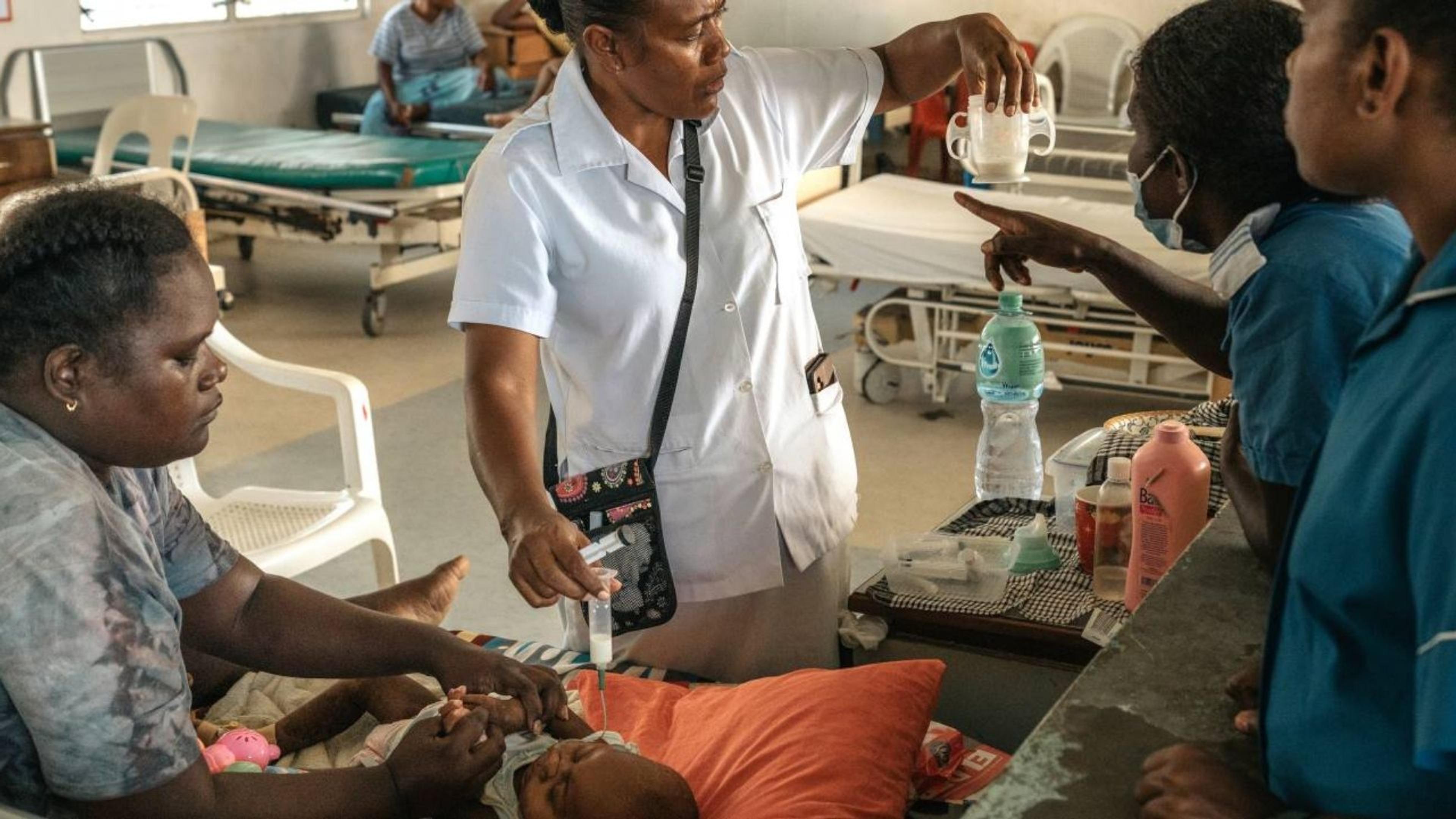
Mafi Funaki-Tahifote, dietician from the Health Coalition Aotearoa, says these statistics are unacceptable in a developed country.
“Pacific families are having children having to go to bed hungry, they're having to attend school hungry,” she said in an earlier interview.
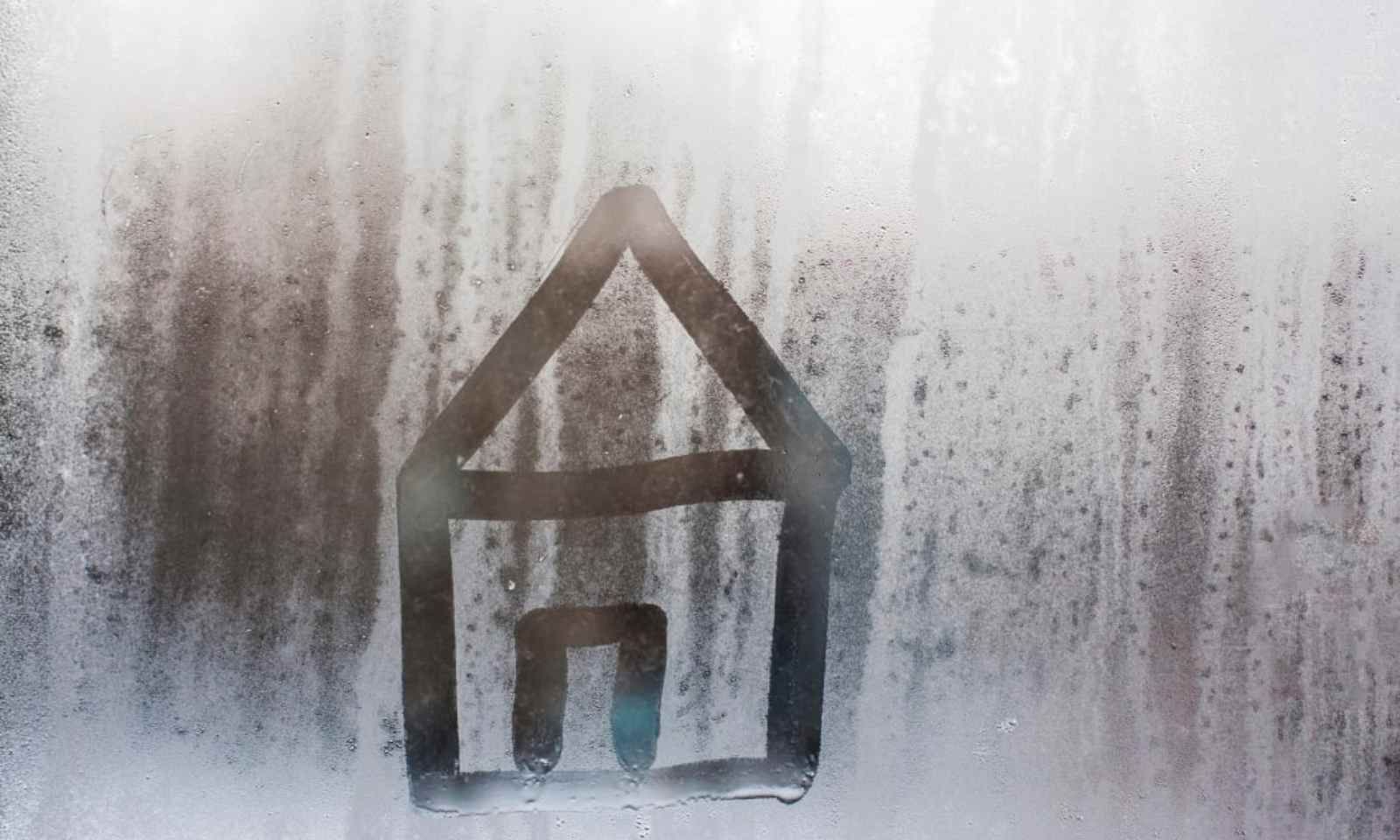
Advocates say access to warm, affordable housing is crucial for families. Photo/File
Funaki-Tahifote says undernourishment can have lifelong consequences for children, both academically and physically.
“They're lacking energy, so it means that they're not as alert to be their best potential in the classroom. In sports, their bones and teeth are not as strong as they should be,” she says.
“It means that they get more sick easily, and if they do get sick, it takes longer for them to actually get well.”
Funake-Tahifote says actions such as increasing free lunches in schools will ease financial pressures for Pacific families, especially where there’s more than one family in a household.
CPAG says the Government is moving further off track from its 2028 child poverty target and is calling for higher incomes and more suitable housing.
It wants the minimum wage lifted to the Living Wage level and benefits raised to what families need to live on.
Watch Lara Dolan's full interview below.
Gunson says lifting incomes should be the immediate priority as Pacific family incomes have lagged behind the national average for years.
“Every time we go to the supermarket, to the gas station, anywhere, the way that the cost of living is rising and the way the incomes are not,” he says.
The pressure is also being felt by budgeting services in South Auckland where many Pacific families are trying to make ends meet.
Lara Dolan, chief executive of Māngere Budgeting Services Trust, says larger families are facing some of the toughest choices.
“Both parents are working and they have five children, and after paying all their household expenses, including rent, they’re left with just $123 for food - that is not enough,” she tells Nemai Tagicakibau on Pacific Days.
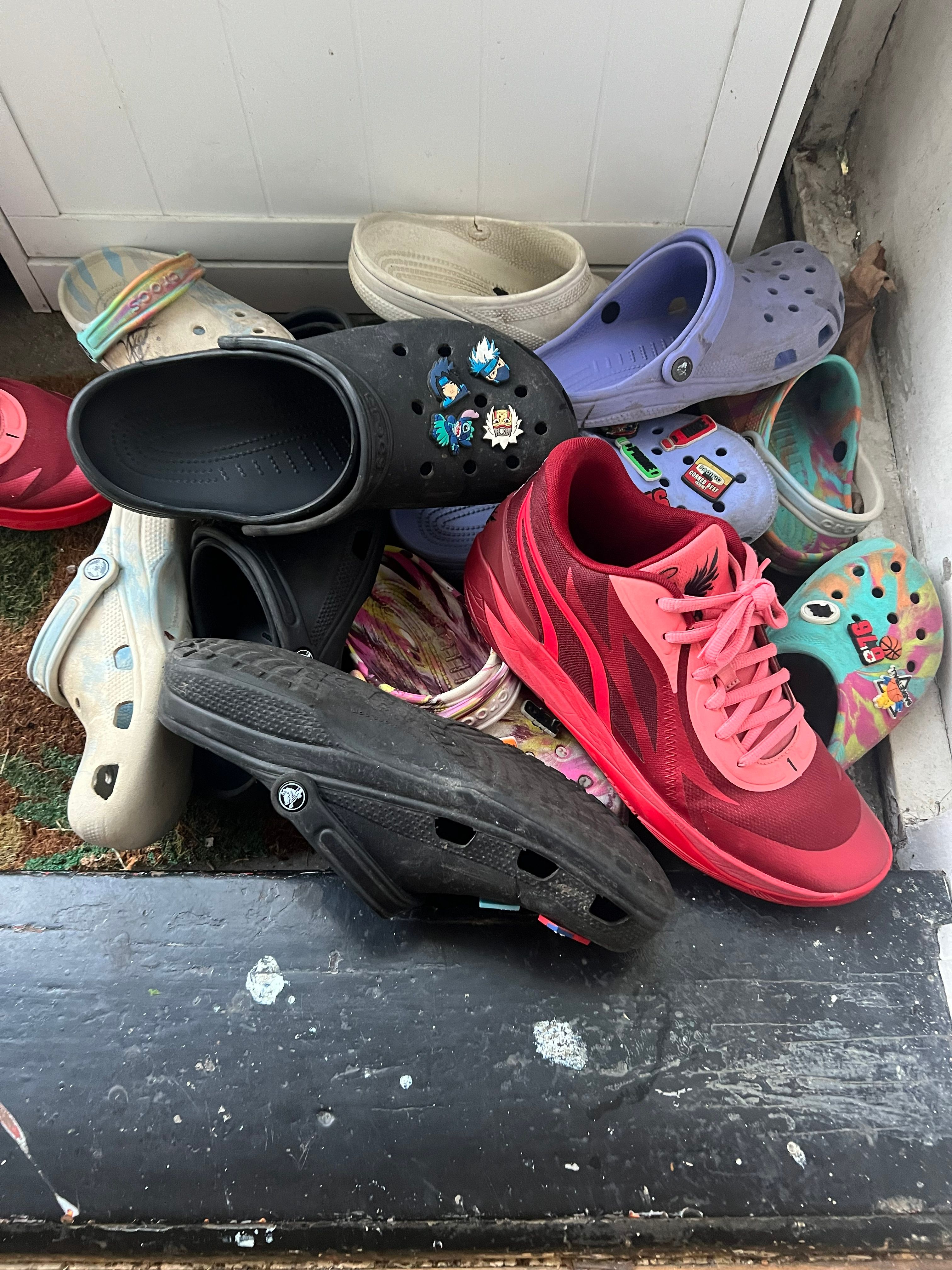
Advocates say multi-generational living needs to be considered in social housing development. Photo/PMN News
Housing is another major concern. Gunson says high housing costs and a lack of suitable homes are adding to the pressure on Pacific families, many of whom live in larger or multigenerational households.
“You look at the new houses that have been built in Auckland over the last 15 to 20 years, the vast majority are small townhouses or apartments with only relatively few actual big houses.”
CPAG is calling for 3500 to 4000 social homes to be built each year, including more bigger homes suitable for Māori and Pacific multigenerational families.
Louise Upston, Child Poverty Reduction Minister, says the Government accepts there is more work to do.
“We’re very aware there’s more work to be done,” she says in a statement to PMN News.
“One of the things that drives child poverty is living in a benefit-dependent home. That's why the Budget 2026 welfare package was designed to help support parents on a benefit into work.”
Watch Mafi Funaki-Tahifote and Dr Kelly Garton's full interview below.
Upston says Budget 2026 also includes investment in social housing, employment support for sole parents, and community food support.
She says a stronger economy will also help reduce child poverty.
Pacific Peoples Minister Paul Goldsmith says the Government's priority is a stronger economy, which he says will create jobs, lift wages and give Pacific families greater security.
He says inflation and interest rates are down, growth has returned and the Government is making progress on housing, including the Our Whare, Our Fale programme.
“We’re making good progress, but there’s lots more work to do,” Goldsmith tells PMN News.
But for Pacific families already struggling to pay for food, housing and other essentials, the latest figures show the gap remains stark.
This article has been updated to include the response from the Pacific Peoples’ Minister.