
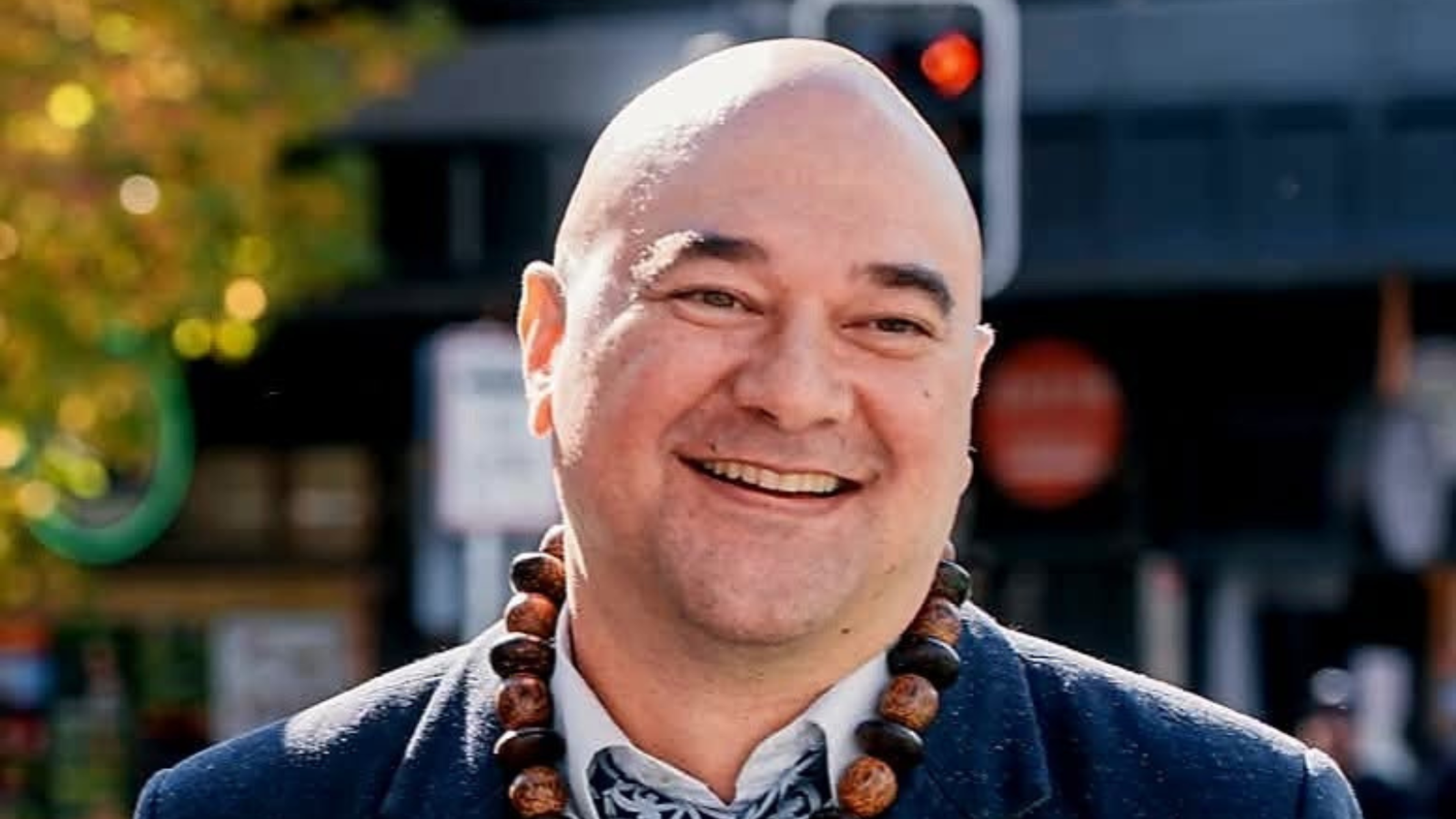
Political hopeful Elliot Ikilei is standing for NZ First at the 2026 Election.
Photo/Facebook
Politics
NZ First’s Elliot Ikilei courts Pacific voters as parties vie for growing political influence
The former New Conservatives leader seeks to win Pacific support for New Zealand First and is calling on Pacific voters to reconsider long-held political loyalties ahead of the November general election.

Khalia Strong
Published
08 June 2026, 11:34am
Share
Copy Link
Top stories

World Vision warns children will pay for aid cuts beyond the Pacific
Thomas Tarurongo WynneMon, 12 Oct
Mate Ma’a Tonga’s 40-year legacy lives on through generations
Elton Lonaratha JnrMon, 12 Oct
Top stories
World Vision warns children will pay for aid cuts beyond the Pacific
Thomas Tarurongo WynneMon, 12 Oct
Mate Ma’a Tonga’s 40-year legacy lives on through generations
Elton Lonaratha JnrMon, 12 Oct
Former New Conservatives leader Elliot Ikilei is urging Pacific voters to rethink their traditional political loyalties, as he steps into New Zealand First’s election line-up this year.
Ikilei, who has Niuean, Tongan, Māori and English heritage, has been unveiled as one of the party's newest candidates as he makes another attempt to enter Parliament.
He told William Terite on Pacific Mornings that his move reflects what he sees as a natural fit between his identity and NZ First's values.
“It’s going to make a lot of obvious sense for me, as a Pasifika person and as a Christian person,” Ikilei said.
“The idea of patriotism, having a love for the nation, nationalism, putting New Zealand first, and common sense, things like men and women and the idea of biological truth being actuality.”
The 48-year-old, who was born in Palmerston North and raised in Auckland, has been involved with lobby group Hobson's Pledge, which campaigned against race-based policies.
Watch Elliot Ikilei's full interview below.
He says his background working with young people shows why he believes political change is needed to address deep social issues affecting families.
"To help fix our families, fix our youth, fix the problems that we have, it's got to be in Wellington."
In a statement, New Zealand First says Ikilei brings "courage, integrity, and frontline experience" to the party, pointing to more than two decades working with at-risk youth and vulnerable families.
Challenging Labour's Pacific base
Pacific voters have long been one of Labour's strongest support groups, a relationship built over decades of community links, union ties and migration history.
But Ikilei says that loyalty should not be automatic, adding that Labour no longer reflects the values of many Pacific Christian communities.
He also points to the historical impact of the Dawn Raids in the 1970s, when Pacific migrants were disproportionately targeted under both Labour and National governments, as part of the political backdrop shaping trust today.
He says voters should now look more broadly at their options.
“These guys do not like Christian values, and they do not like Pasifika values. They’ll use us as - I’m sorry to say this - as brown donkeys, but they will not step forward and embrace us.”
The comments come as political parties step up efforts to win Pacific votes as the cost of living, housing, jobs and education continue to rank among the biggest concerns for Pasifika communities.
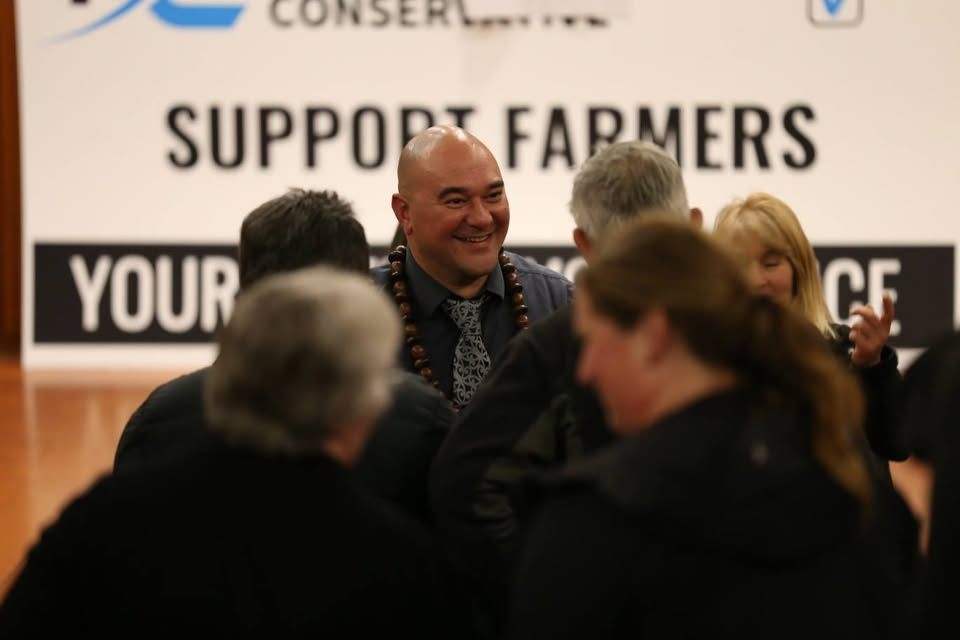
Elliot Ikilei meeting with community members. Photo/Facebook
Sione Tekiteki, a senior lecturer in law at AUT, says Pacific voters have historically been about twice as likely to vote Labour as the general population.
Writing on E-Tangata, Tekiteki says Pacific communities are becoming an increasingly important voting bloc, with almost half the population under 25.
“This means that every election, tens of thousands of new Pacific voters join the electorate. Yet the strength of that bloc has not always translated into decisive policy outcomes … it’s not inconceivable that a Pacific bloc could one day hold the balance of power in New Zealand politics,” Tekiteki writes.
New Zealand First has not yet released its party list, and Ikilei says he does not know where he will be ranked.
His candidacy comes after former National MP Alfred Ngaro’s decision to stand for NZ First as the party seeks to expand its reach among Pacific voters.
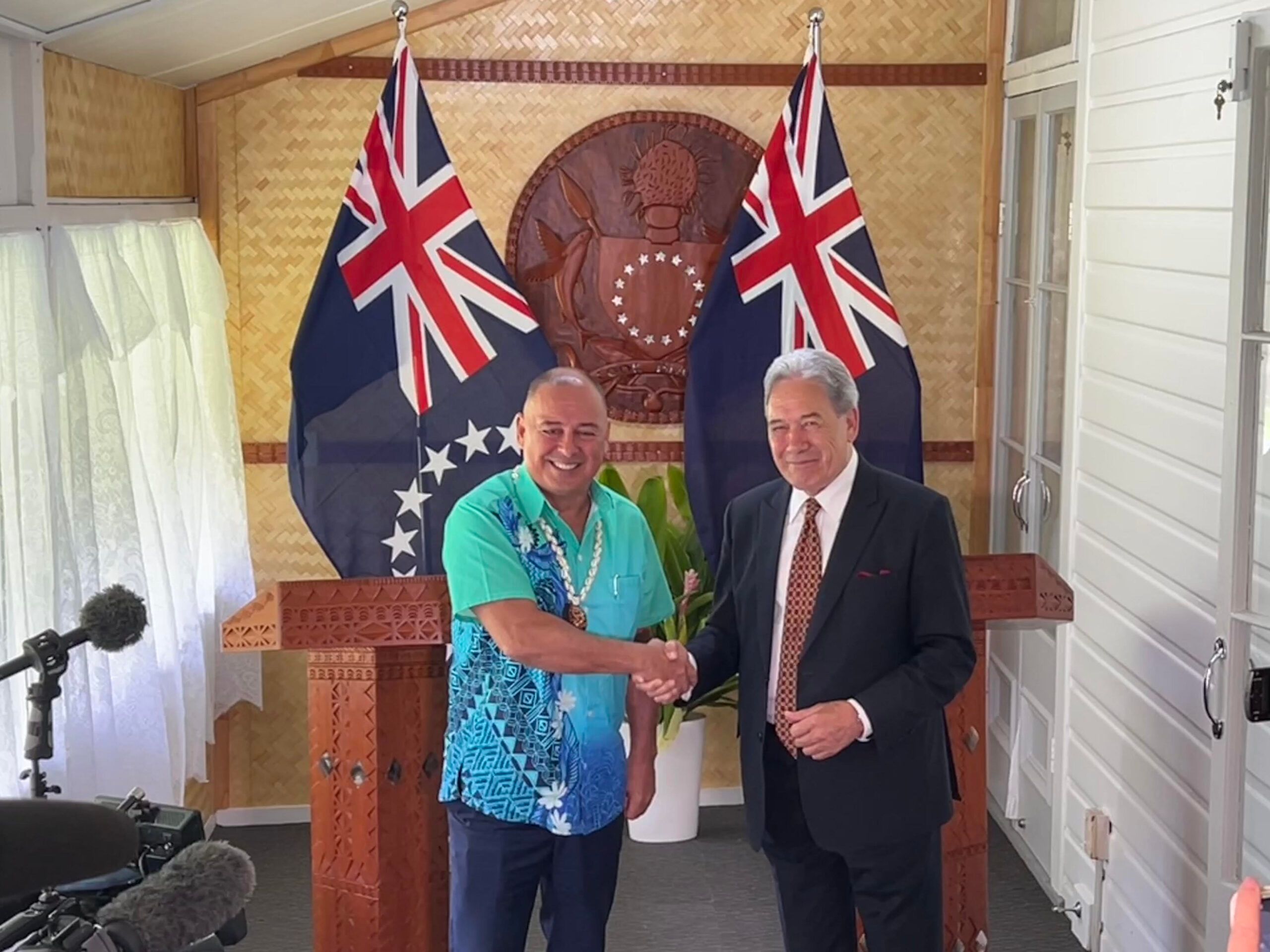
Mark Brown and Winston Peters in Rarotonga in February 2025. Photo/Cook Islands News/Candice Luke
As the campaign builds, parties are increasingly competing for support within a community that has traditionally backed Labour but is now being actively courted across the political spectrum.
Whether that shift happens will be tested at the ballot box on 7 November.