
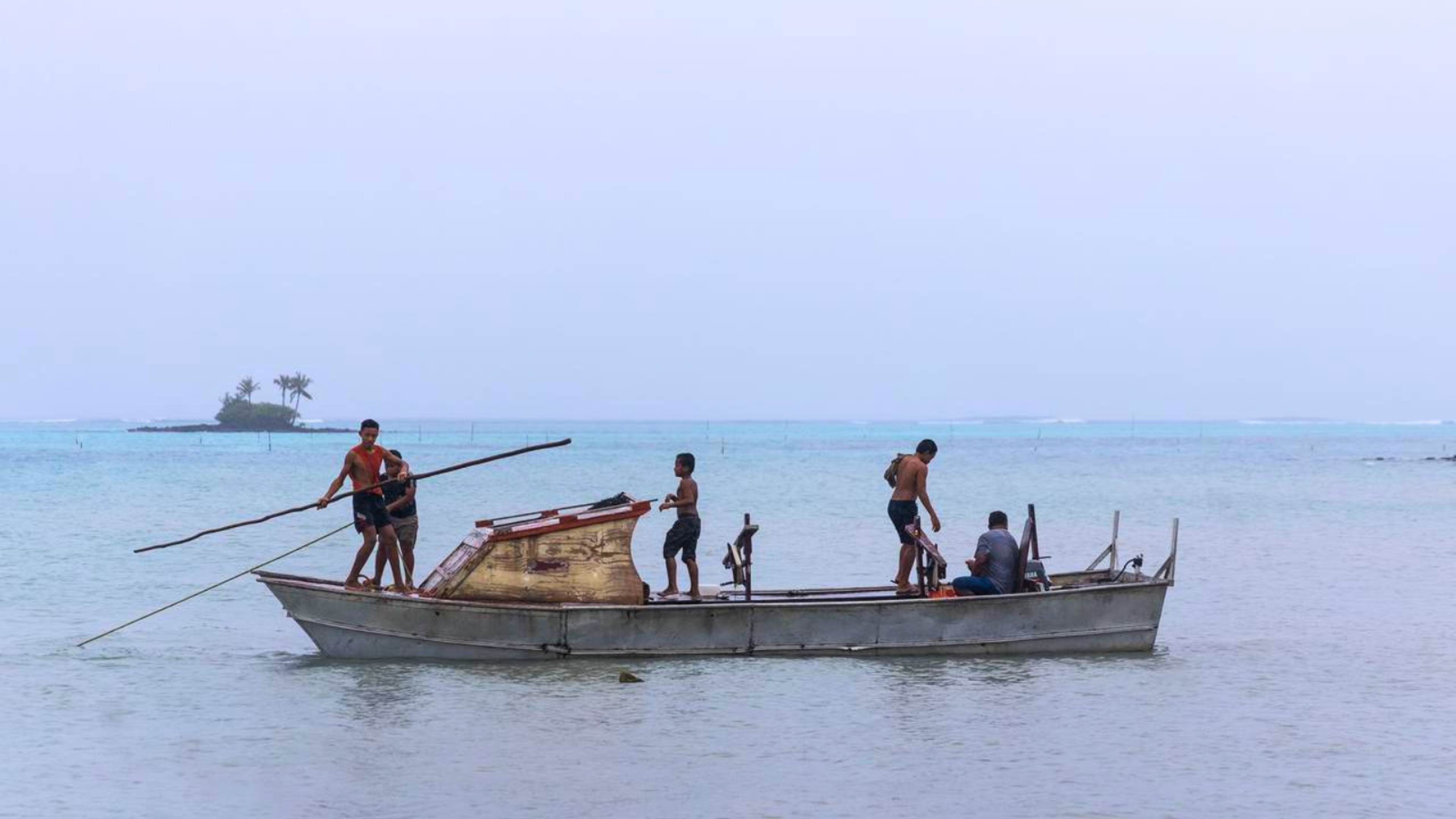
For Pacific communities already facing rising costs, the focus is now on urgent action. The US has signalled it could help with fuel supply, but no firm commitments have been made.
Photo/Junior S. Ami
Politics
NZ defends cautious response as fuel prices, Pacific pressure grow
Fuel costs are climbing again with Pasifika communities feeling the impact first and hardest as calls grow for faster, more direct support.
Renate Rivers
Published
10 April 2026, 4:23pm
Share
Copy Link


Fuel prices are rising again, with Pacific communities feeling the pressure first and hardest as global tensions disrupt supply and push up costs.
The New Zealand Government is defending a cautious response, saying it must balance support for households with the risk of driving inflation even higher.
Fuel costs have climbed in recent weeks, flowing through to transport and everyday expenses.
In the Pacific, where families spend more of their income on fuel and imported goods, the impact is already being felt more sharply.
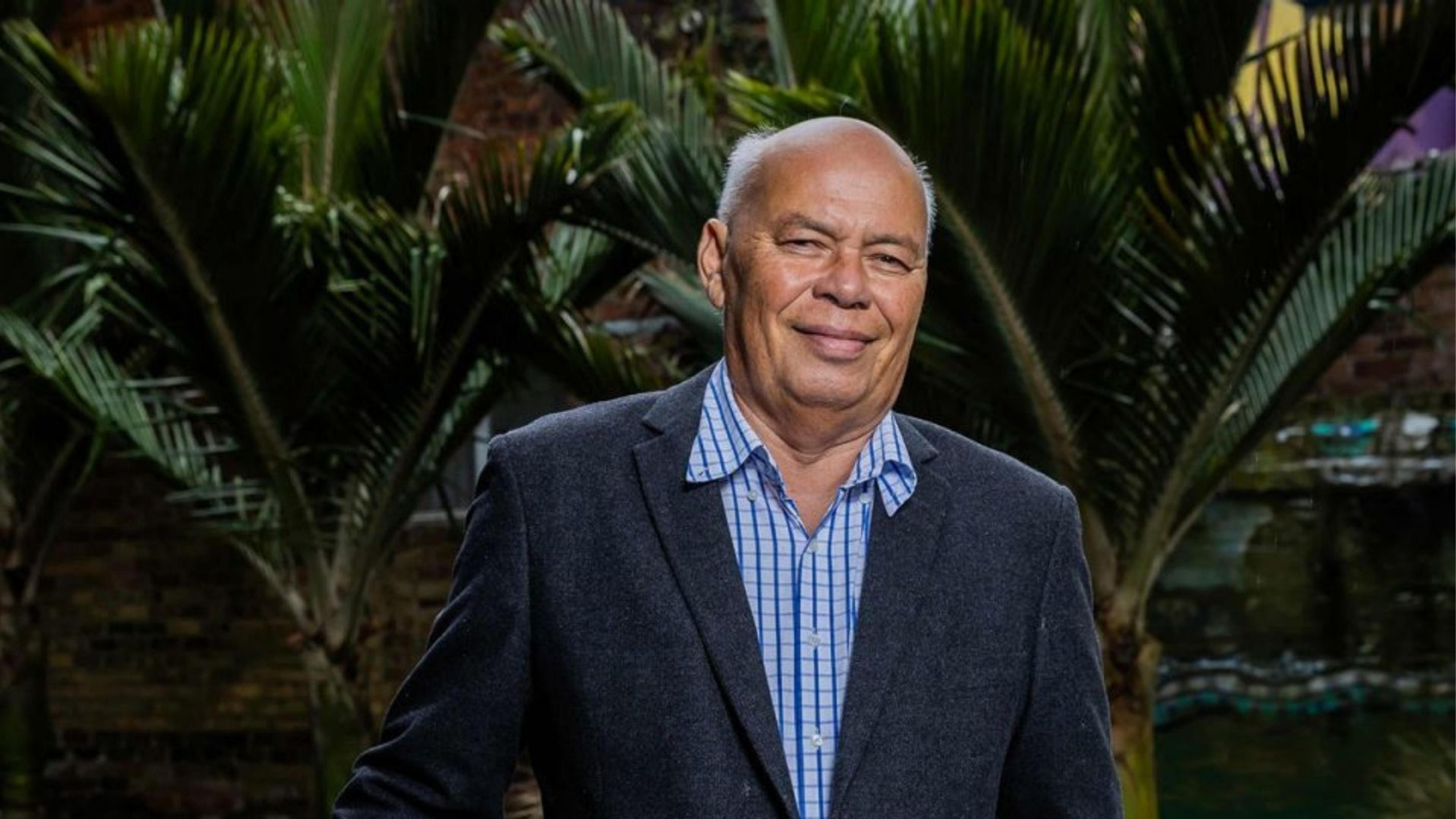
Deputy Prime Minister David Seymour said the coalition understands the strain on households but warned against quick fixes.
“The pressure that’s been put on families and on a lot of businesses is enormous,” he told Pacific Mornings.
Watch Seymour's interview below.
“But if we throw out a lot of money, then we will kick off inflation and it will take years to get that under control again.”
Seymour said the government is wary of repeating what he described as overspending during the Covid-19 pandemic, citing warnings from credit rating agencies.
He also pushed back on calls for measures like free public transport, arguing they are not well targeted and could benefit those who do not need support.
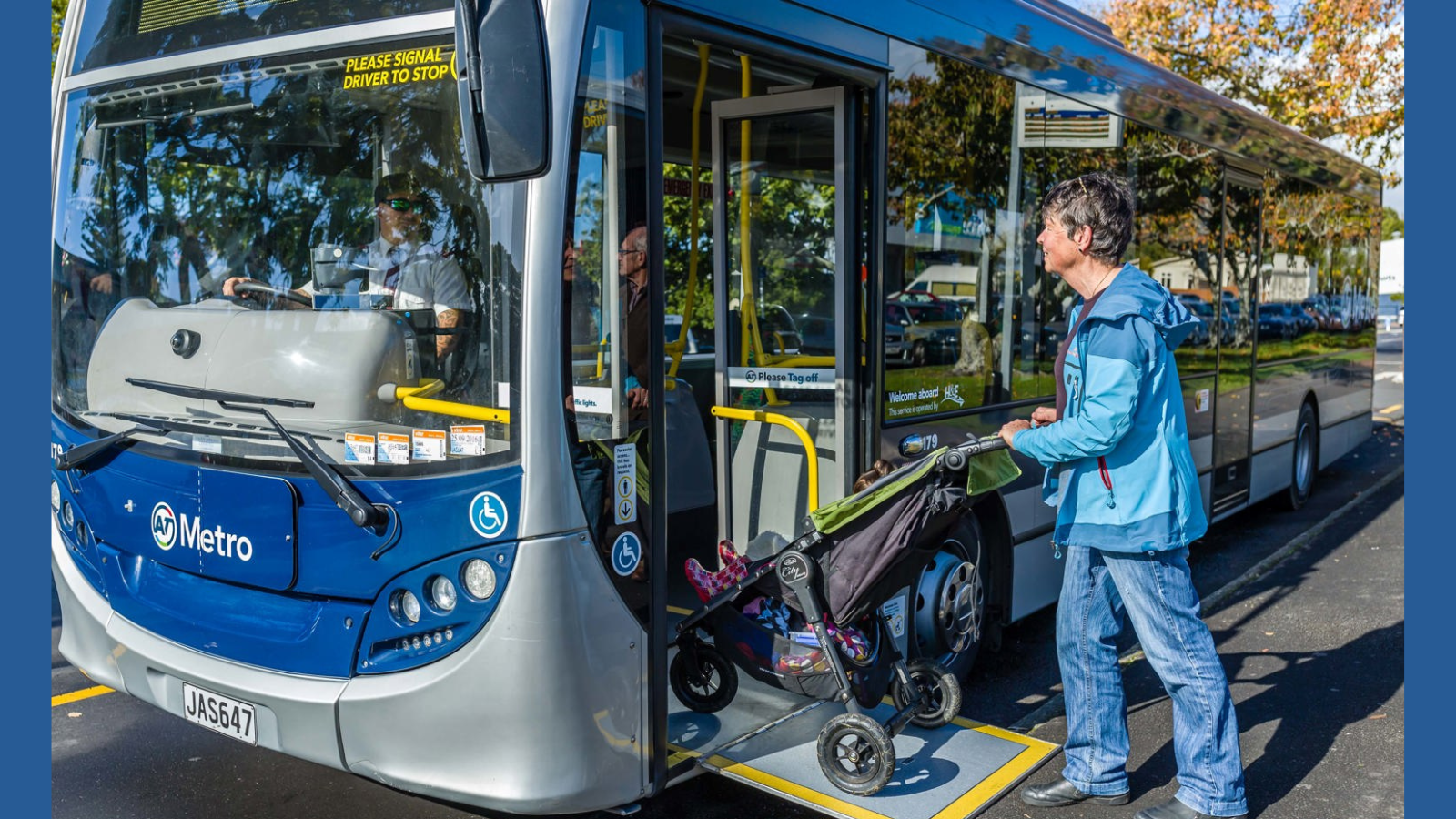
Public transportation in Auckland. Photo/Auckland Transport.
New Zealand remains at “Phase 1” of its national fuel plan, meaning supply is stable but prices are rising due to global pressures.
The plan is designed to “keep fuel flowing where it matters most” unless supply is threatened.
But Labour MP Lemauga Lydia Sosene says the government is not doing enough for Pacific communities already under pressure.
“The government’s been too complacent. Kiwis want to know the fuel crisis plan,” Lemauga told Pacific Mornings. “We are in a crisis.”
She said families in areas like Māngere are being forced to make daily trade-offs between fuel, food, and other essentials, with some turning to public transport or cycling to cope.
“What Kiwis are asking us, and even in my own electorate of Māngere, is what is the government doing to alleviate some of those costs? $50 per week for certain parts of our community is just not enough,” Lemauga said.
Watch Lemauga's interview below.
New analysis shows Pacific families face deeper impacts than those in New Zealand, with fuel costs cutting household spending power by up to 12 per cent in some countries.
The effect is amplified by heavy reliance on imported fuel and goods, meaning price rises quickly feed into food, transport, and basic living costs.
ChildFund New Zealand chief executive Josie Pagani also told Pacific Mornings the situation is already serious. “It’s devastating. I mean, if it goes on any longer, it starts to be a real long-term issue.”
She warned fuel shortages could begin to affect essential services. “They can’t run those pumps,” Pagani said.
Seymour said the government is working closely with Pacific partners as the situation develops, with officials in daily contact across the region.
“We would make sure that our friends in the Pacific can still do the life-supporting services and still do the food distribution, and then worry about other activities in both countries,” he said.
Watch Pagani's interview below.
The pressure comes as the US-Israel-Iran conflict continues to disrupt oil markets and shipping routes.
Foreign Minister Vaovasamanaia Winston Peters raised those concerns in Washington during talks with US Secretary of State Marco Rubio this week.
“We had a serious discussion about how that might help, how we might get some ancillary tankers ready and get them to New Zealand to spread it around the Pacific as fast as we possibly can,” he told RNZ. “We left all that very clearly in their mind as concerns we had.”
The US has signalled it could help with fuel supply, but no firm commitments have been made.
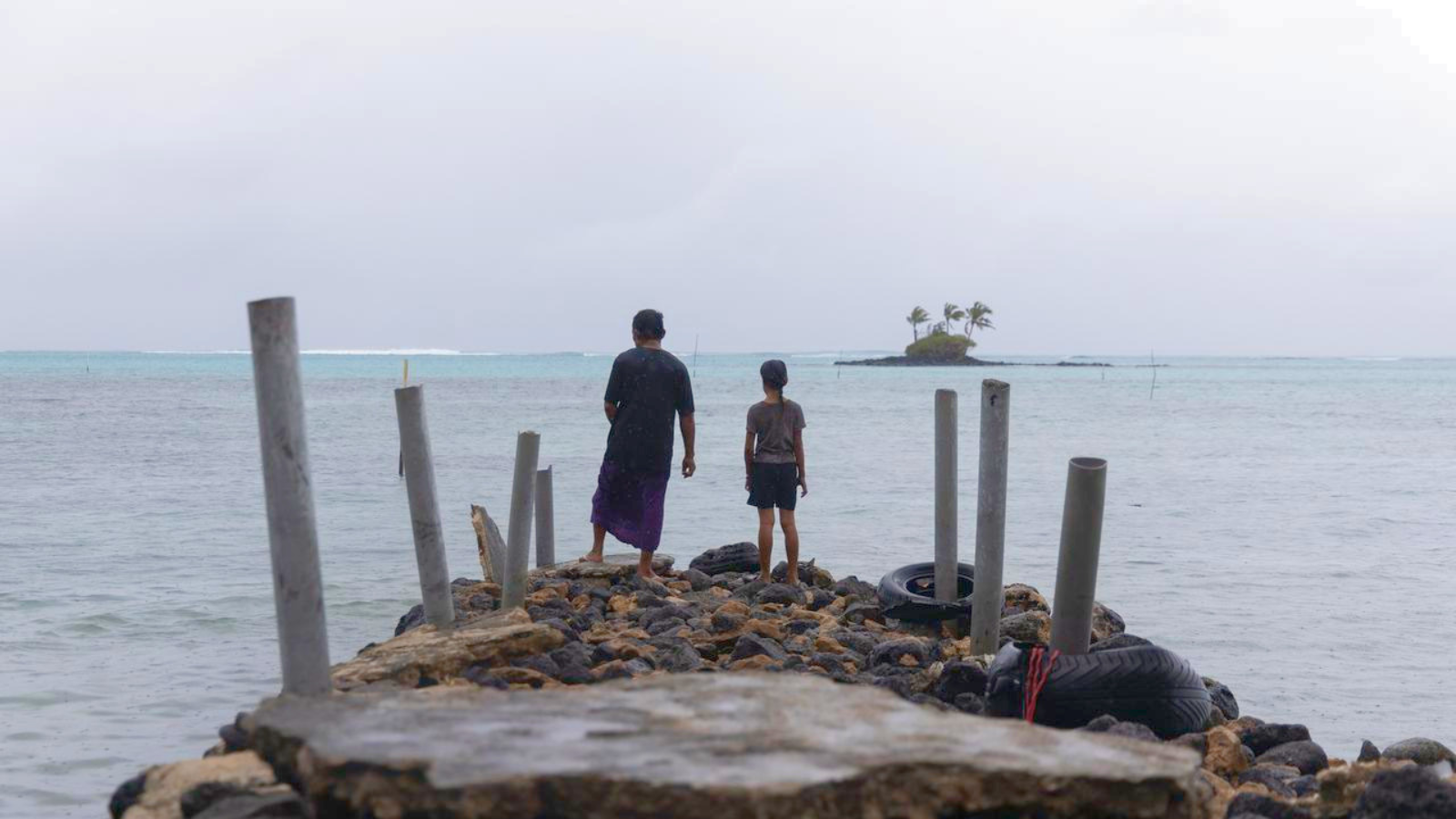
ChildFund NZ analysis shows Pacific families face deeper impacts than those in New Zealand, with fuel costs cutting household spending power by up to 12 per cent in some countries. Photo/Junior S. Ami
For Pacific communities already facing rising costs, the focus is now on urgent action.
“Get the fuel tankers to the Pacific so that there’s storage on hand,” Pagani said.
As pressure builds, calls are growing for faster and more direct support across the region.