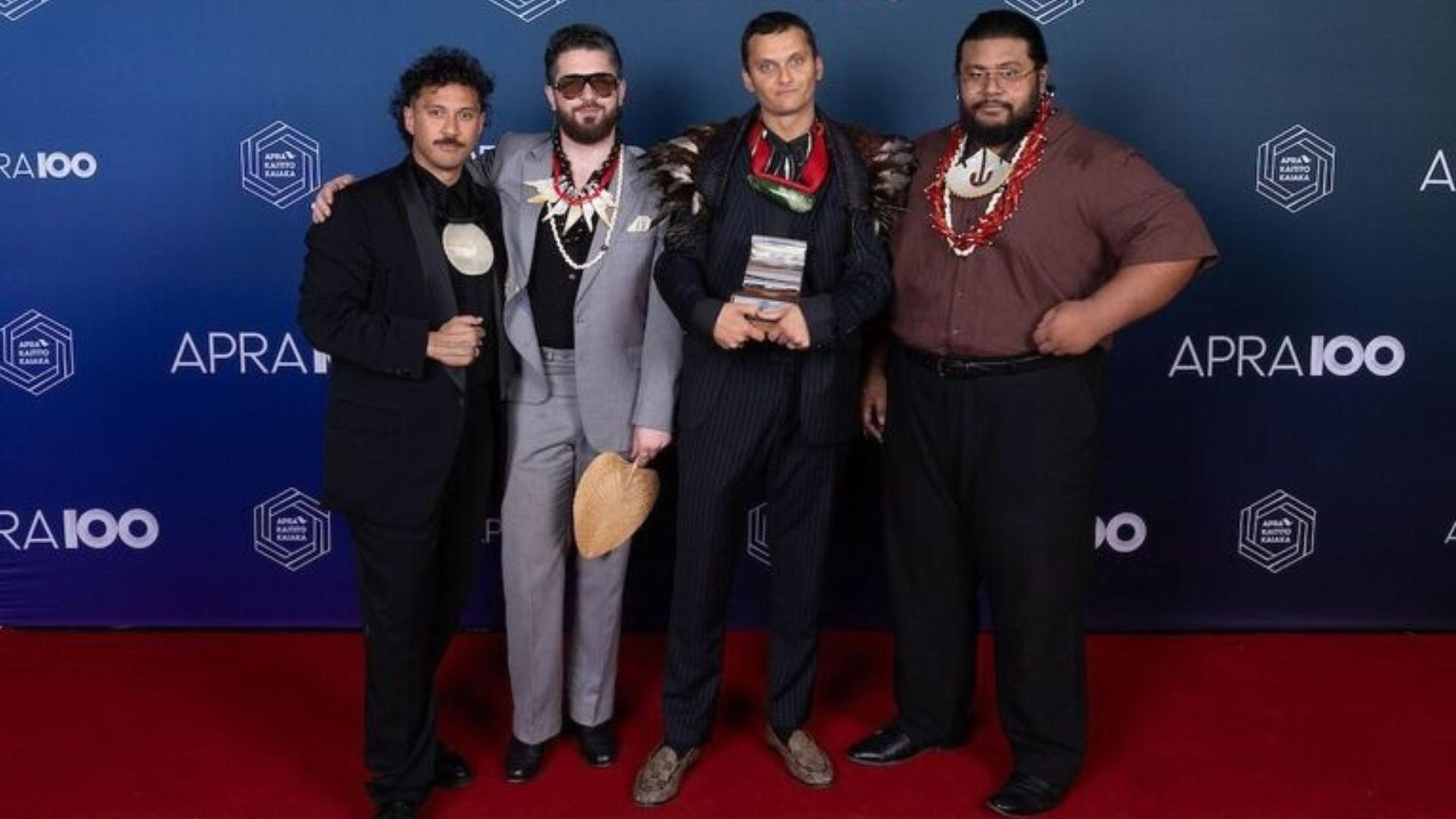
LEAO claims Silver Scroll with first pure Gagana Sāmoa winner
Brooke FonotiWed, 21 Oct
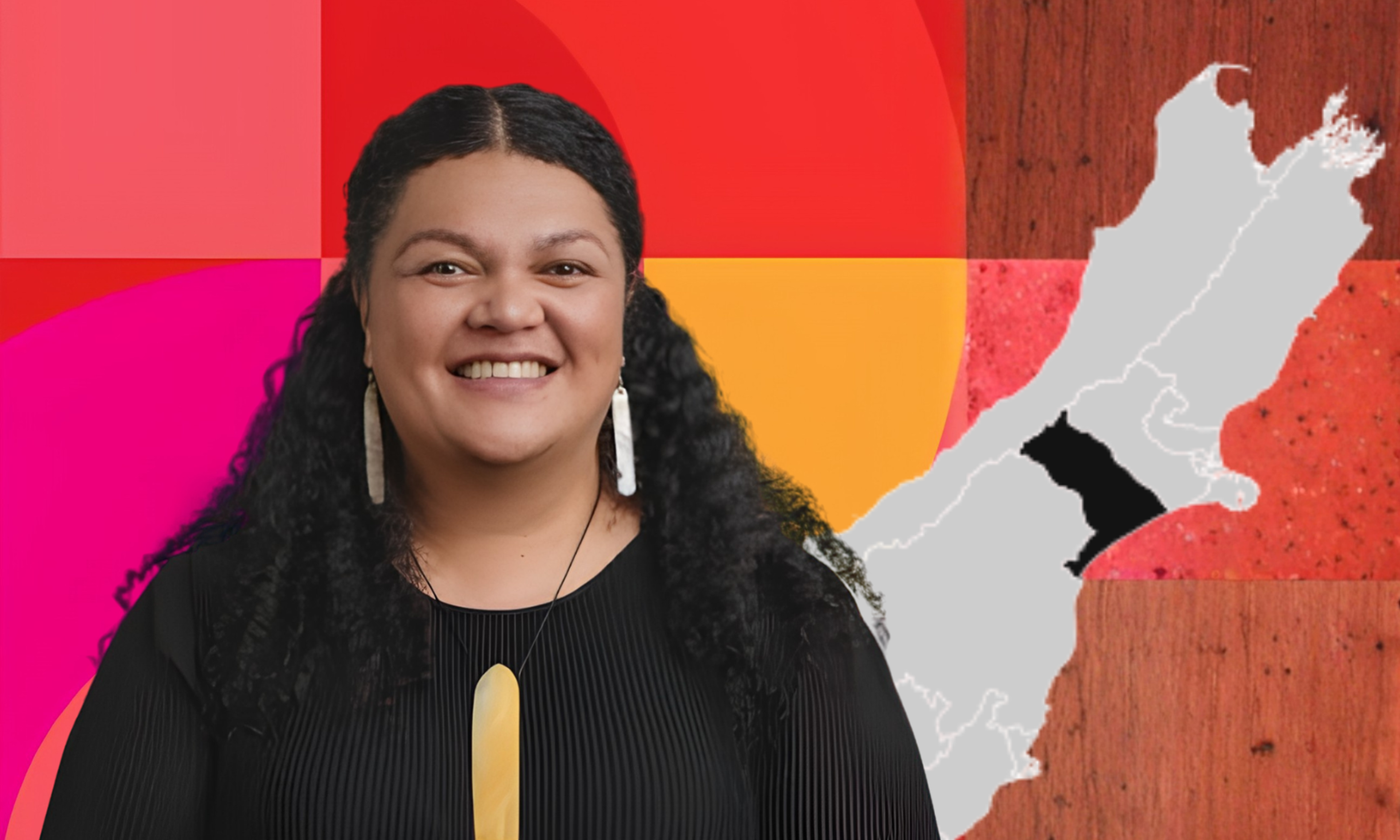
Labour's Rangitata candidate has a tough road to Parliament, but is believing in her local community.
Photo/Supplied/Wikimedia
Labour’s new Rangitata candidate Sange Malama needs to win the electorate outright to secure a seat in the upcoming 2026 election.


When Sange Malama’s parents moved to Timaru in the 1980s, they were among only a handful of Pasifika families in South Canterbury.
Decades later, their daughter is hoping to make history of her own.
The Tokelauan and Tongan community worker is Labour’s candidate for Rangitata, taking on National MP James Meager in what is seen as a strong conservative electorate.
Meager won the seat comfortably in 2023, securing 22,792 votes to Labour candidate Jo Luxton’s 11,946, a majority of 10,846.
For Malama, there is no safety net.
Ranked 64 on Labour’s party list, she is unlikely to enter Parliament through the list alone under current polling. Her only realistic path to Wellington is by winning Rangitata outright.
Watch Sange Malama's full interview below.
It is a daunting challenge, but Malama says her campaign is not driven by the odds.
“I’m just someone from the community that ended up putting up my hand, as we all do,” she tells William Terite on Pacific Mornings.
“It’s been a crazy ride in the last 10 years.”
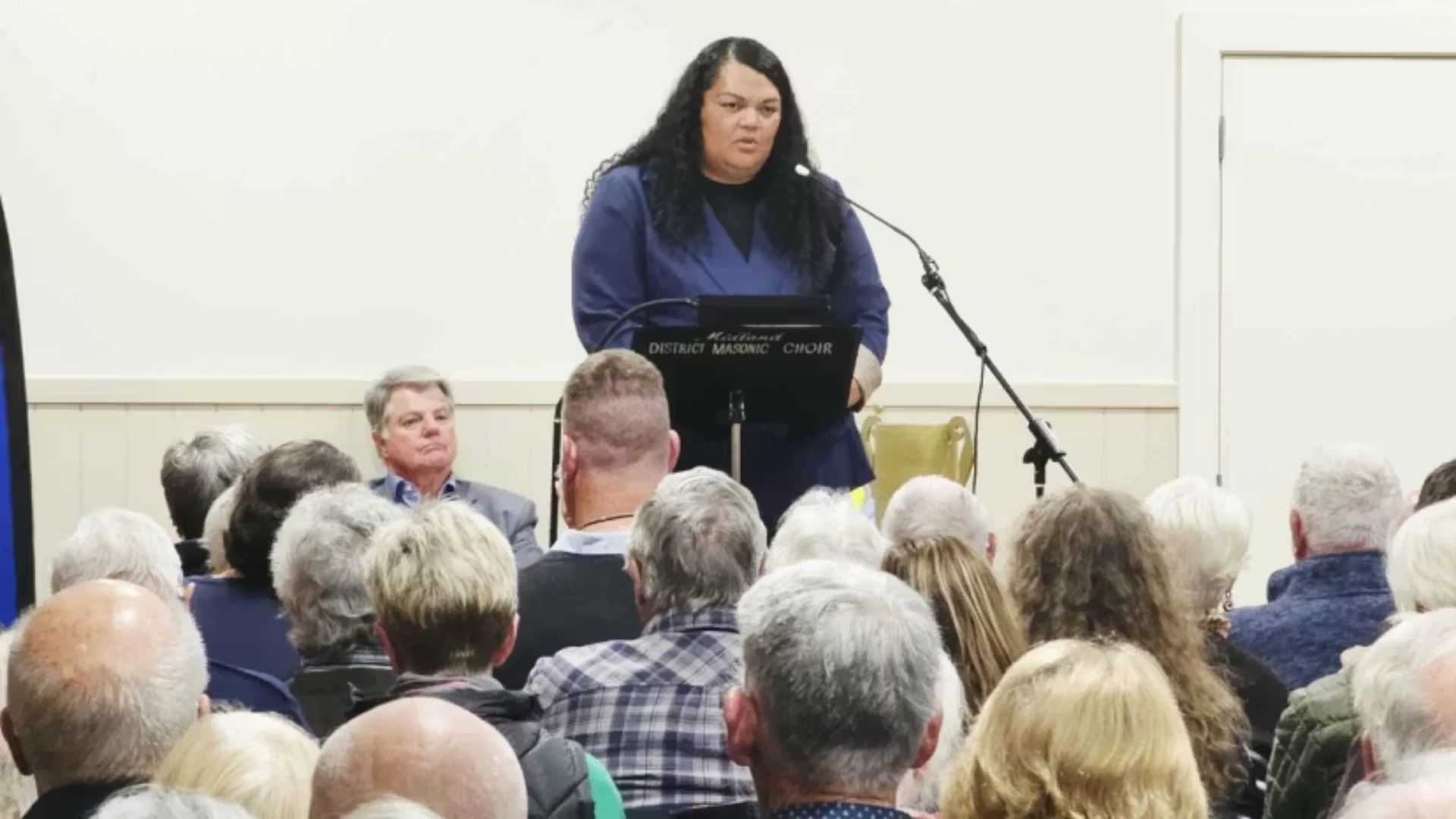
Sange Malama addresses voters during a public forum in Timaru, 2025. Photo/Supplied
Malama has worked in factories, cleaned hotel rooms, and spent years supporting vulnerable whānau as a community navigator.
She says her decision to stand comes down to values rooted in her Pacific upbringing.
“We’re always taught to think about the collective, the wellbeing of everyone, not just ourselves, looking after our family, our community, and those around us.”
Malama says Labour’s focus on fairness and collective wellbeing reflects those values, and her work on the ground brings her face-to-face with real hardship.
“I’m in some of the most vulnerable homes daily,” she says.
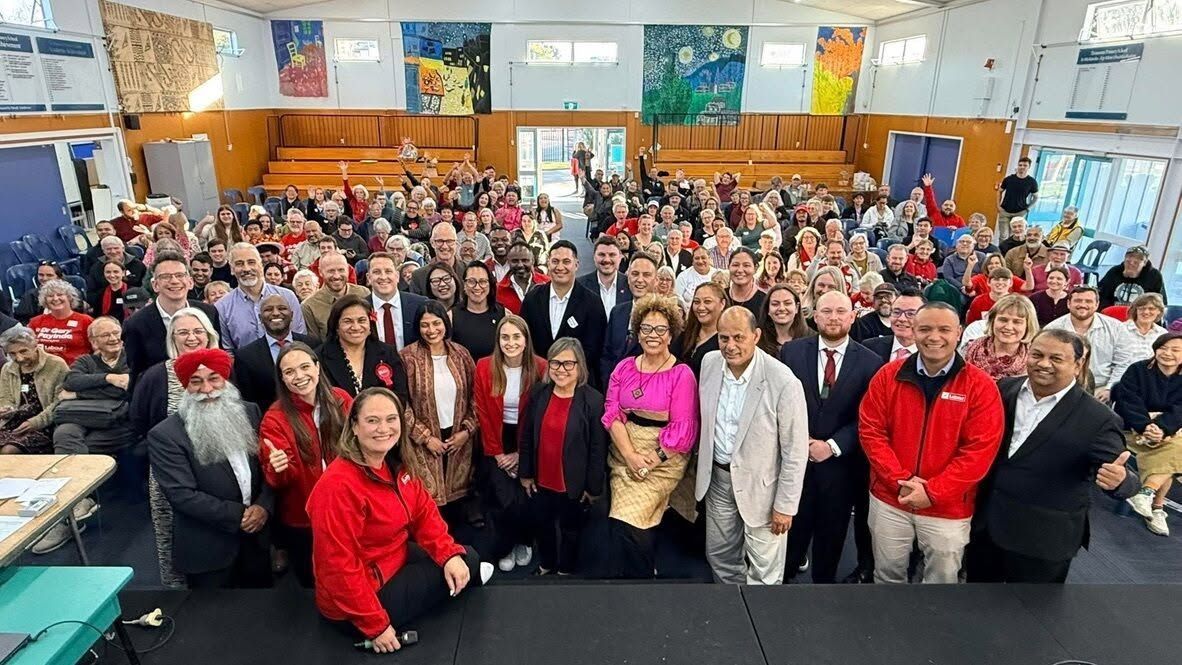
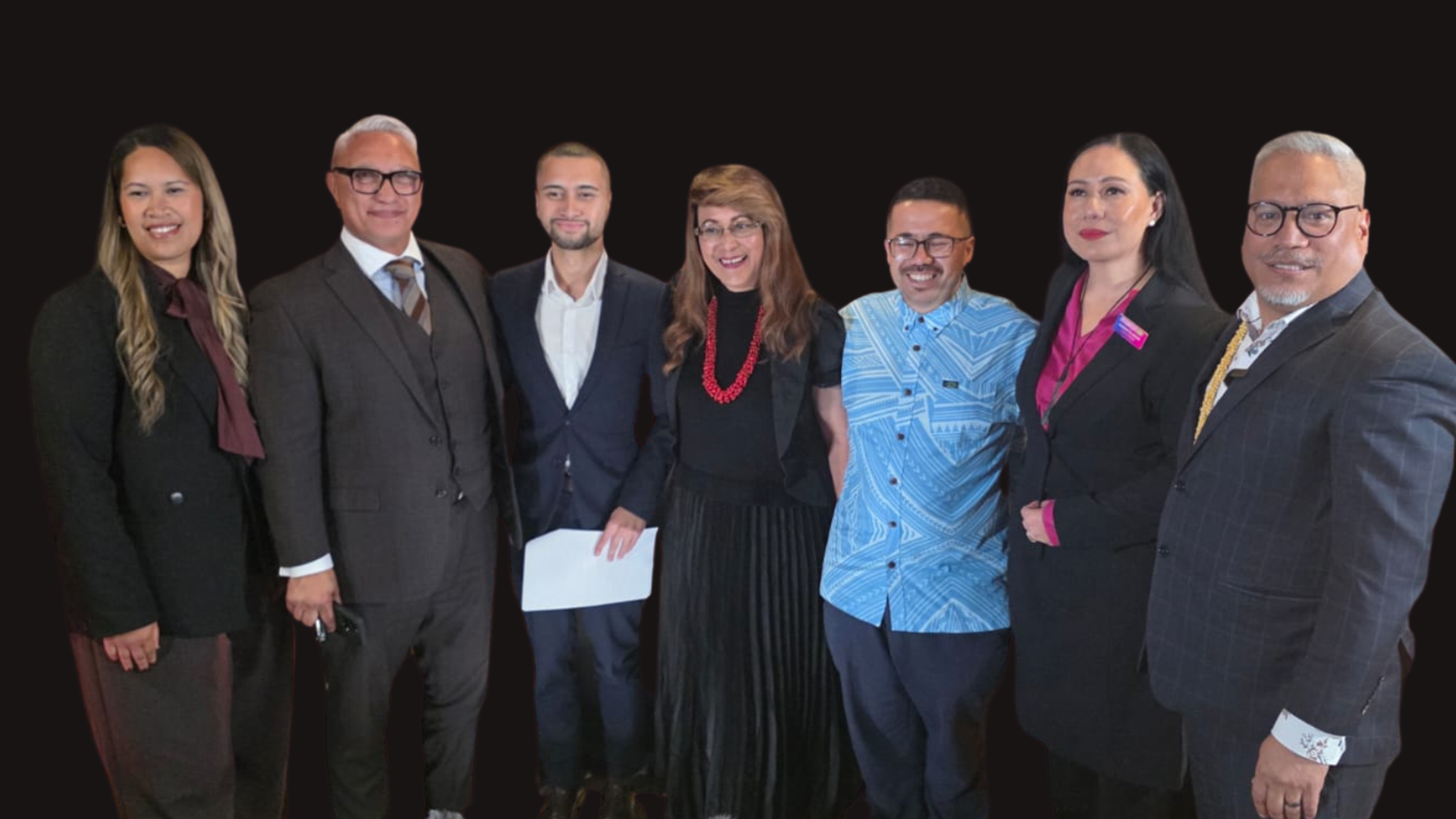
Labour candidates for the 2026 general election in November. Photo/Supplied
“For a lot of families, it’s a choice of, do I get gas, do I get bread, do I send the kids to school, or do we all just stay home and get something to eat?”
Building from the ground up
Malama’s focus on cost-of-living pressures mirrors Labour’s wider election message.
Earlier this month, Labour unveiled its party list, featuring 30 new candidates as it builds toward November’s general election.
Jill Day, Labour Party president, says the party is focused on working New Zealanders under pressure.
“New Zealanders are doing it tough and deserve a team that is on their side,” she said in a statement.
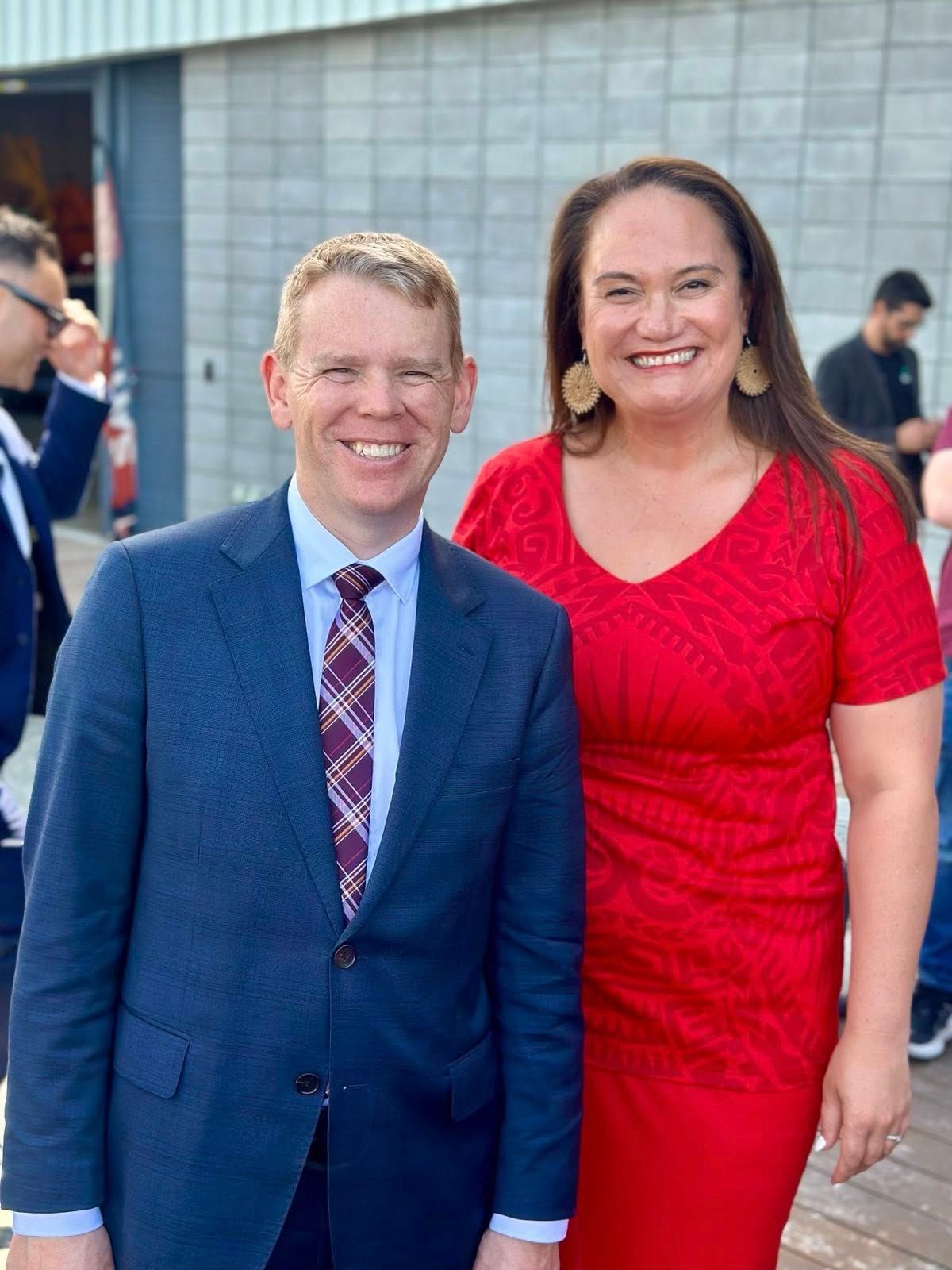
Labour Party leader Chris Hipkins with deputy leader Carmel Sepuloni. Photo/File
Rather than focusing solely on traditional swing voters, Malama says her strategy is centred on people who feel disconnected from politics.
“It’s more or less targeting those that don’t usually vote, sometimes a lot of our people, a lot of Pasifika, even migrants,” she says.
She describes her campaign in simple terms.
“Grassroots, that’s where it all begins. I don’t have any big money behind me. I have my community behind me.”
Malama is no stranger to campaigning. She stood for one of six Timaru Ward seats in last year’s local body elections, becoming the first person of Pasifika heritage to do so.
She narrowly missed out, finishing as the ninth-highest polling candidate with 2888 votes.
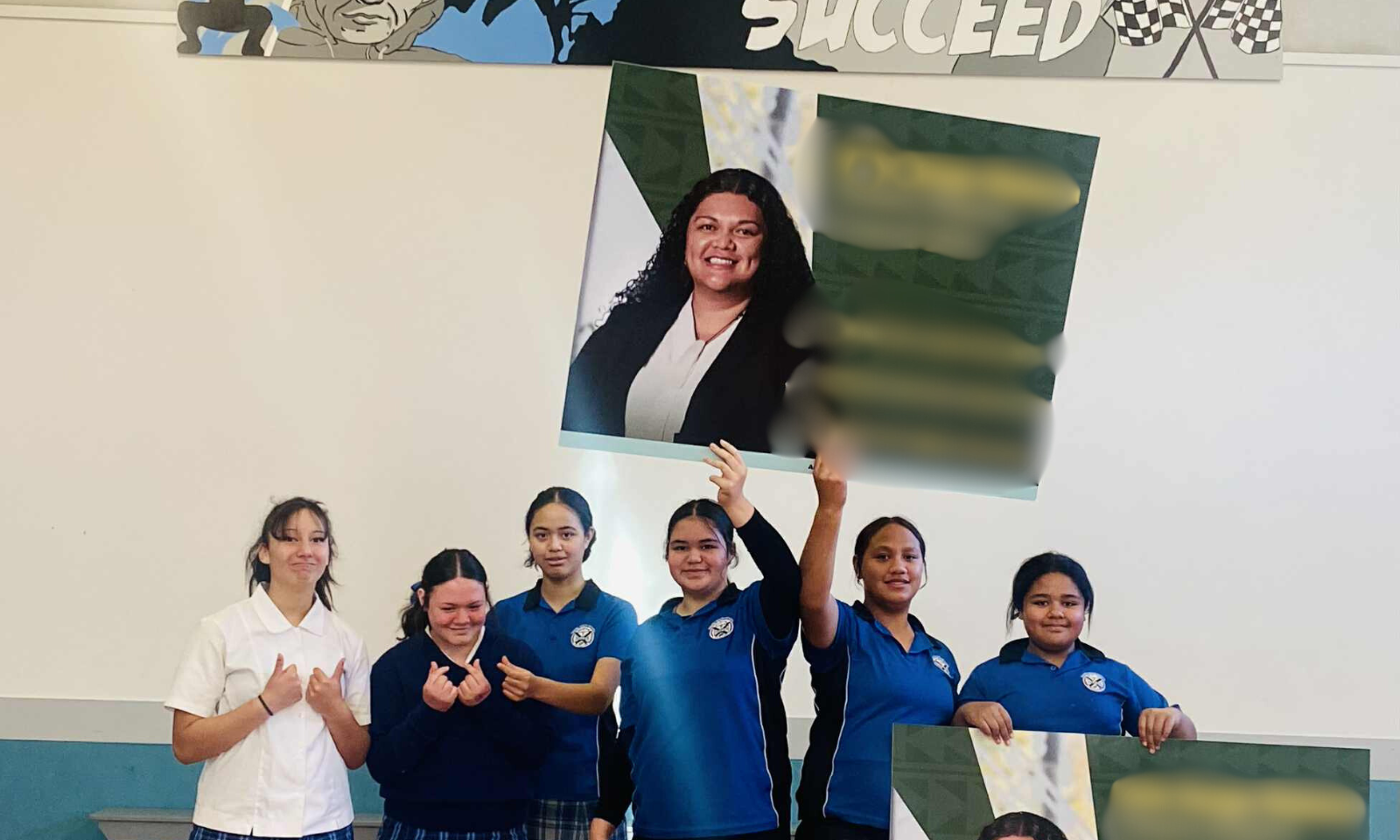
Local students campain for Sange Malama in Timaru, 2025. Photo/Supplied
That campaign reflected changing demographics in South Canterbury.
According to the 2023 Census, 3.5 per cent of Timaru District’s population identifies as Pasifika, up from 1.9 per cent in 2018.
Council data from Infometrics NZ shows the Pasifika population has been steadily increasing since 2015.
Malama says representation matters.
“Representation has always been a big part of what I do, and why I do what I do in my community.”
With no realistic path through Labour’s list, Malama’s campaign is all or nothing. For now, she is betting her community can help defy the odds when voters head to the polls on November 7.