Treaty row grows after leaked message links funding and PM's no-confidence motion
Christine RovoiMon, 21 Sep
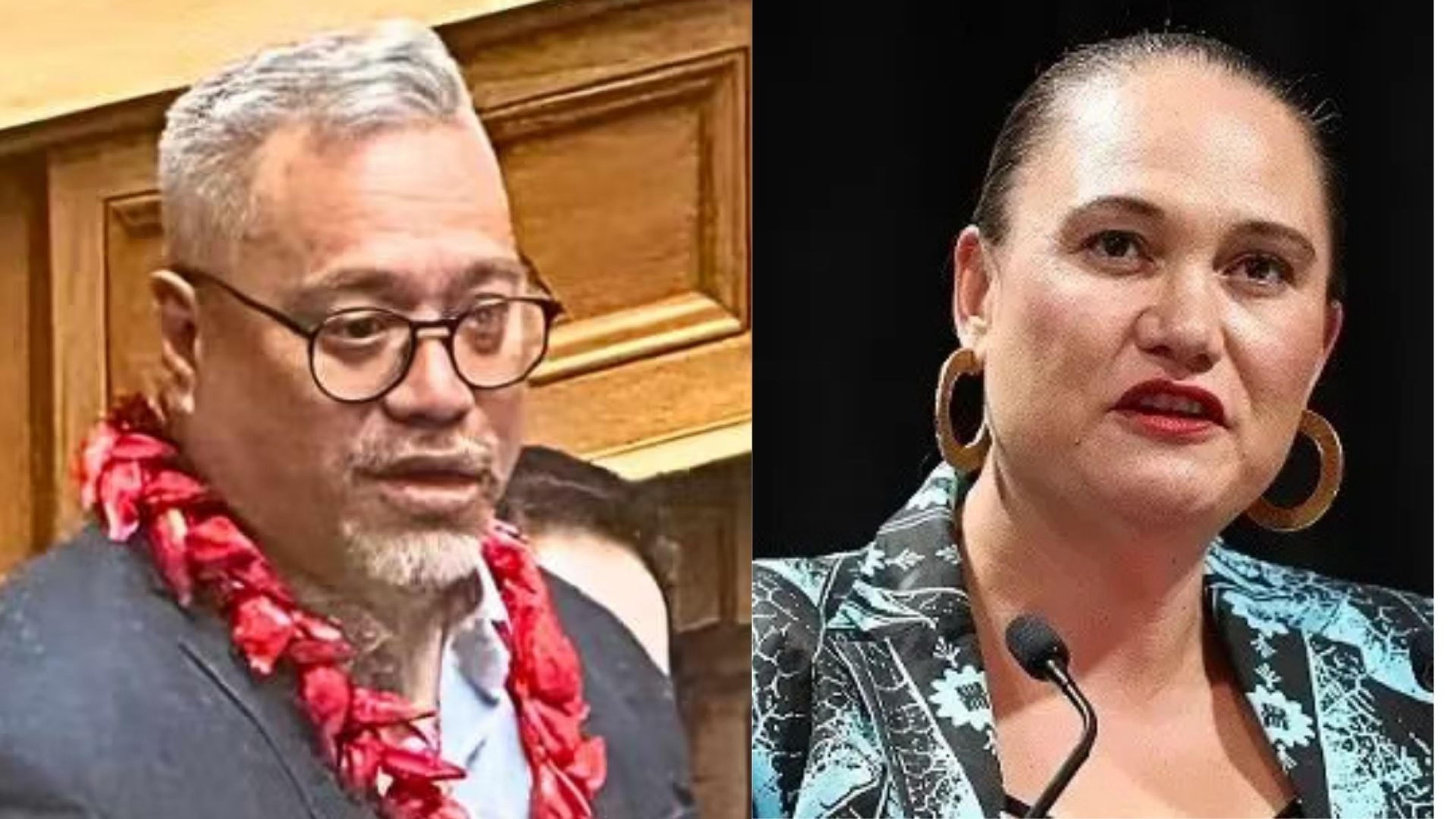
Green MP Teanau Tuiono and Labour Deputy Leader Carmel Sepuloni shared contrasting views on the latest poll but both agree Pacific voters will play an important role in shaping the outcome of New Zealand's November election.
Photo/Supplied
Pacific leaders from the left say voters are looking for answers on the cost of living, inequality and public services ahead of November's election.


New Zealand's political landscape appears to be shifting as the country's two major parties record historically low support while the Greens continue to gain ground ahead of the November general election.
The latest 1News Verian poll shows Labour dropping five points to 32 per cent and National slipping to 29 per cent.
Together, the two parties have fallen to one of their lowest combined levels of support in modern polling.
Labour Deputy Leader Carmel Sepuloni says the numbers are not cause for panic.
"Well, I’ve said it before and we say it quite often, ultimately the only poll that matters is what happens on election day November 7th," Sepuloni told William Terite on Pacific Mornings.
"But there’s some heartening stuff there. The left bloc is doing well.
Watch Carmel Sepuloni's full interview below.
That was a bit of an outlier for us in terms of recent polls so I think it’s important to watch the trend and what you see in polls over a period of time."
Sepuloni says Labour's transport policies is an example of measures she believes are connecting with Pacific families and working people.
"They're certainly landing," she said. "All the feedback that we’ve got particularly with the public transport cap policy has been really positive."
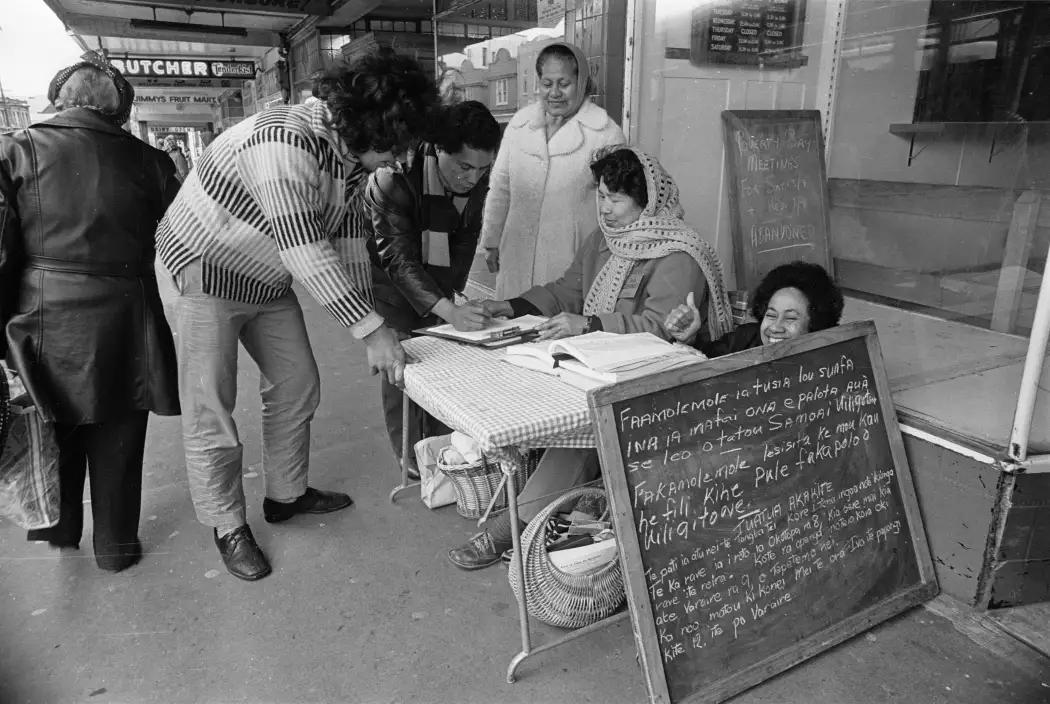
Pacific voters are expected to be a key force in the upcoming election, with political parties competing for support on issues including the cost of living, public services and economic opportunity. Photo/NZ Archive
She said workers, students and families had told Labour the policy would help ease household costs at a time when many people are struggling with rising expenses.
The poll comes as attention also turns to the growing presence of New Zealand First in Pacific communities.
Over the weekend, NZ First leader Winston Peters drew a large crowd at a public meeting in Māngere, a traditional Labour stronghold with a significant Pacific population.
Asked about NZ First's growing visibility, Sepuloni said Labour's connection with Pacific communities remained strong.
"I think the fact of the matter is that New Zealand First doesn't really have that much of a track record with our Pacific community, whereas Labour does," Sepuloni said.
She said Labour had long been at the forefront of support for Pacific languages, culture, workers, and families facing cost-of-living pressures.
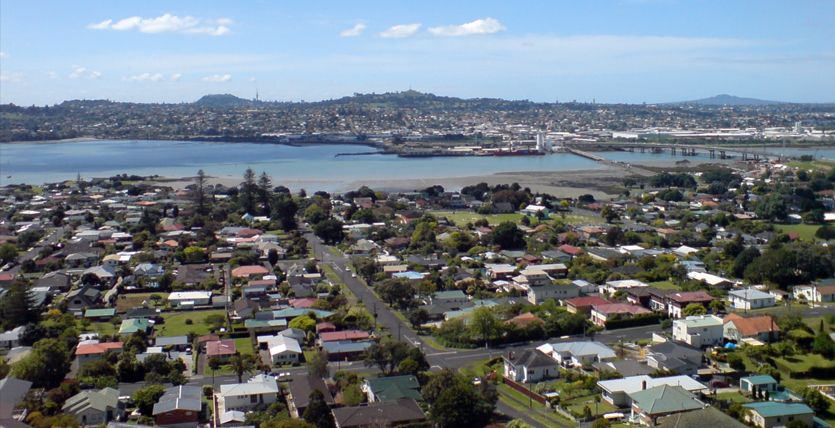
The South Auckland electorate of Māngere has emerged as an important focus in the election campaign, as parties vie for support in one of New Zealand's largest Pacific communities. Photo/aboutmangerebridge.nz
While Labour's support fell, the Greens climbed two points to 13 per cent.
Green MP Teanau Tuiono said the result suggested more voters were responding to the party's message on inequality and tax reform.
"Well, you know, disclaimer: the people are the polls, the polls are the people, and these things go up and down .... like a bouncing ball on a basketball court," Tuiono said.
"But what I do think we’re seeing in terms of us is a trajectory of people resonating with things that we’re saying."
Tuiono argued that growing wealth gaps were becoming increasingly visible to ordinary New Zealanders.
"People can see inequality growing, they can feel it, they know that the mega-rich corporations are getting rich off the back of the rest of us."
Listen to Teanau Tuiono's full interview below.
The Green MP also defended the party after an $800 million error was discovered in its recently released tax policy calculations.
"Oh, a typo. We owned it and we made the changes."
Despite their different readings of the poll, both politicians acknowledge that coalition discussions will become increasingly important as election day approaches.
Sepuloni declined to rule in or rule out any future coalition arrangements, saying Labour would make those decisions closer to the election.
"We've said that we will rule in, rule out closer to the election," she said.
Tuiono says the focus remains on working constructively with whichever parties voters send to Parliament.
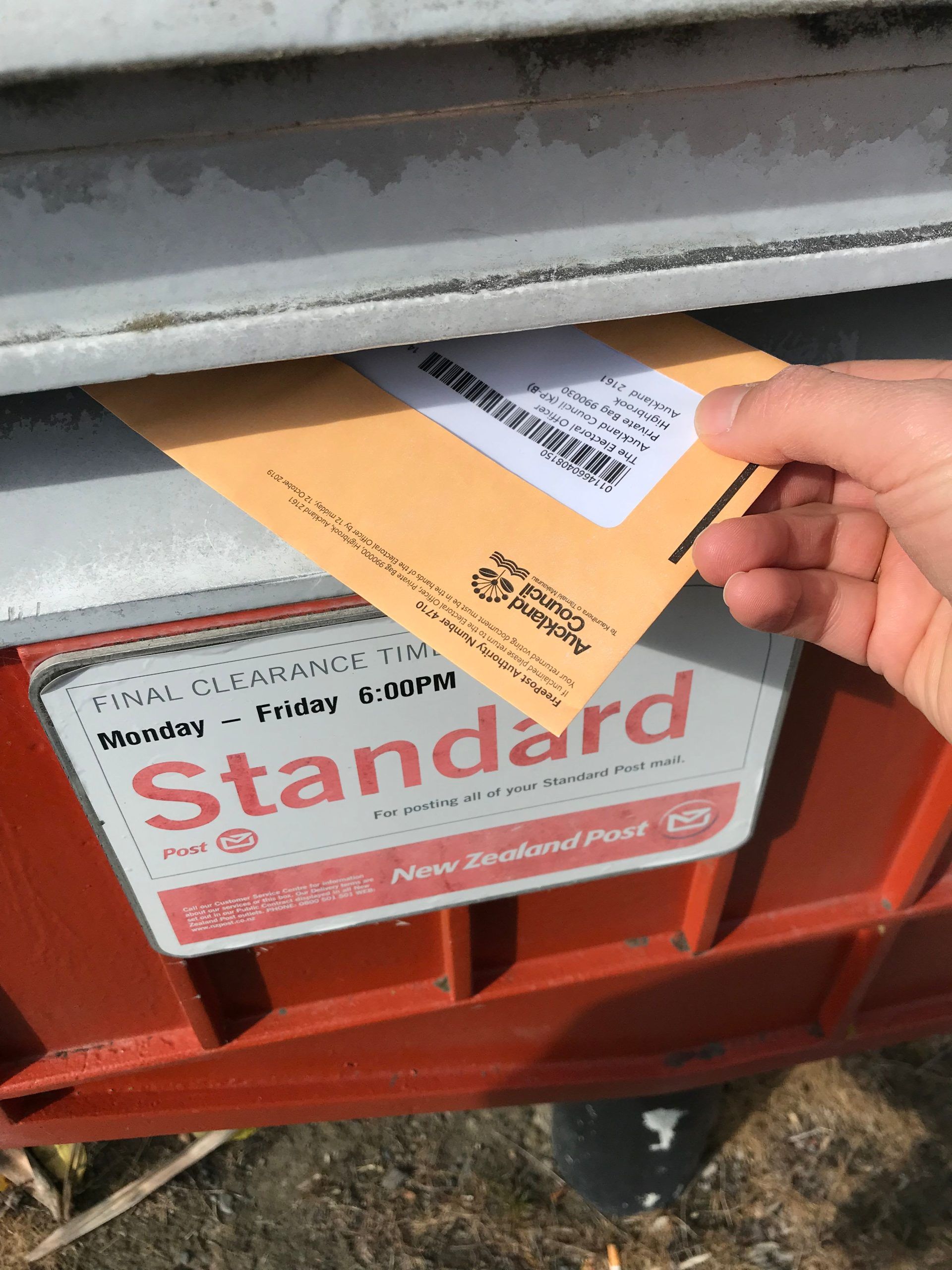
New Zealand voters will head to the polls on 7 November, with the latest survey suggesting the race remains wide open as parties compete for support on the cost of living, public services and the economy. Photo/RNZ
"I think it's really important to try to be constructive with whoever is, who with all political parties that are in the Parliament," he said.
"You just play the card that you're given."
As the election campaign gathers pace, the latest poll suggests many voters remain unconvinced by the country's traditional political heavyweights, opening the door for smaller parties to play a bigger role in shaping the next government.