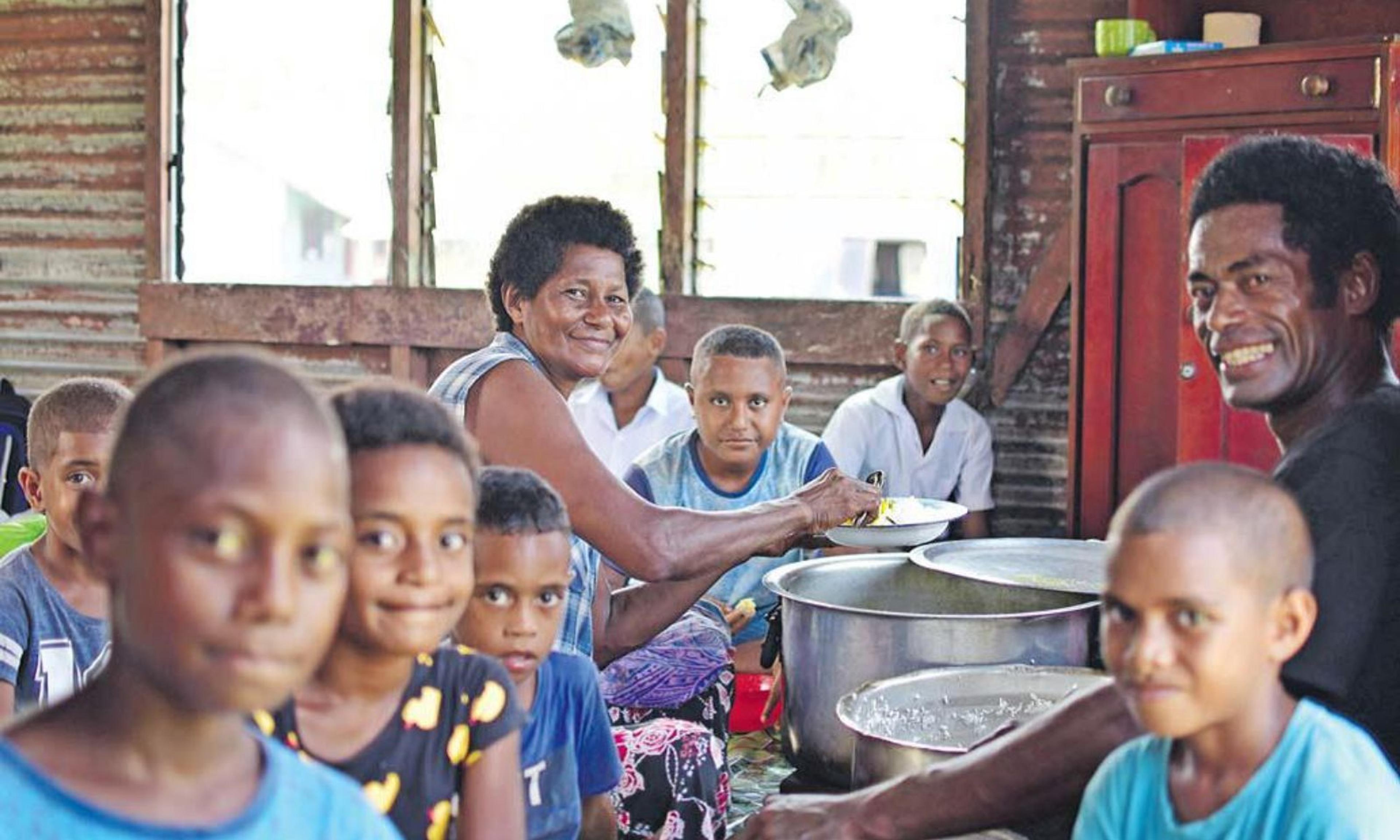
Fijian families are facing growing financial pressure as rising living costs make it harder to cover everyday expenses.
Photo/The Fiji Times/Ovesa Naisua/File
Pacific Region
Fijian families squeezed as financial pressures push students out of uni
New figures show how rising household costs are reaching into education with students struggling to afford fees, food and transport.

Christine Rovoi
Published
11 August 2026, 12:00pm
Share
Copy Link
Top stories

PNG Chiefs win first round against New Zealand Rugby
Christine RovoiSat, 17 Oct
Pacific families must work four days to afford basic food: World Vision
Thomas Tarurongo WynneFri, 16 Oct

Sāmoa demolish France in record-breaking 78-4 RL World Cup opener
Christine RovoiFri, 16 Oct
Top stories
PNG Chiefs win first round against New Zealand Rugby
Christine RovoiSat, 17 Oct
Pacific families must work four days to afford basic food: World Vision
Thomas Tarurongo WynneFri, 16 Oct
Sāmoa demolish France in record-breaking 78-4 RL World Cup opener
Christine RovoiFri, 16 Oct
Financial pressure is reaching deeper into Fijian households as new figures show many families are struggling to cover basic costs while thousands of students are being forced out of university.
The Reserve Bank of Fiji’s Financial Services Demand Side Survey, released last week, found 33 per cent of households earn less than they need to cover their regular expenses.
Another 46 per cent said their income was only enough to cover day-to-day costs while 18 per cent said they earned more than they spent.
The pressure is even greater in Fiji’s Western Division where almost half of households (49 per cent) said their income was not enough to meet regular expenses. That compares with 21 per cent in the Central Division.
The findings come as the Fiji National University (FNU) warns that financial hardship is also stopping students from completing their education.
Professor Unaisi Nabobo-Baba, FNU's vice-chancellor, says up to 5000 students have dropped out because they could not afford their fees and the university's facing about FJ$10 million (NZ$7.6 million) in annual student debt.

Fiji National University vice-chancellor Professor Unaisi Nabobo-Baba says financial hardship is forcing thousands of students to drop out of tertiary education. Photo/FNU
“This is what was known in higher education as attrition,” she told the Fiji Times.
But the financial struggle does not stop at university fees.
Nabobo-Baba says about 10,000 students are also going hungry because they cannot afford basic food, making it harder for them to attend classes and complete their studies.
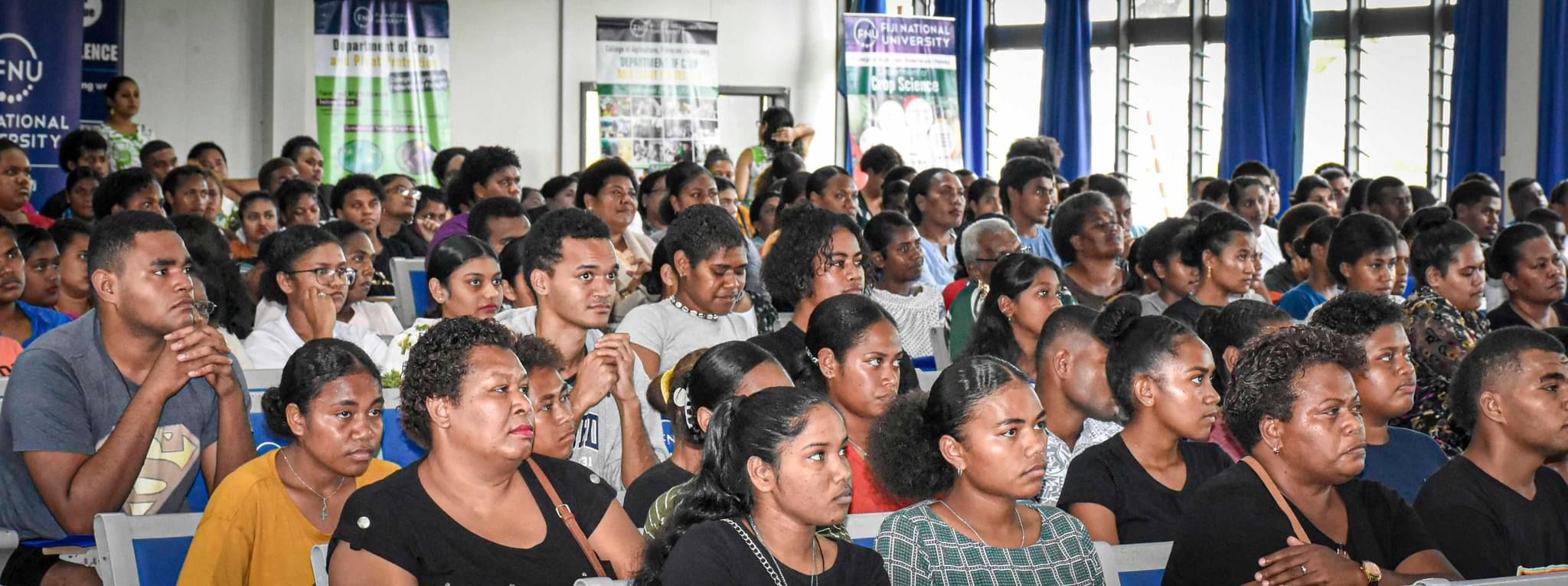
Financial pressure is making it harder for some Fiji National University students to afford fees, food and transport while completing their studies. Photo/FNU
“When they are hungry, they can't finish their studies and can't come to school."
She says transport is another problem for students who are already struggling to afford food.
“If somebody is hungry, they can't buy their basic food. They can't catch the bus.”
The Reserve Bank survey points to the same wider problem: many Fijian households have little financial room when something goes wrong.
Sixty-one per cent of respondents said they could survive for one month or less if they lost their main source of income. Almost three in 10 said they could manage for only a week or less.
Only 10 per cent believed they could cover their living costs for six months or more without their main income.
When money runs short, families most often cut spending, use savings or turn to relatives and friends.
In an unexpected financial emergency, 47 per cent said they would borrow from family or friends while 44 per cent would use their savings.
The survey also found that while 55 per cent of adults set long-term financial goals, only 24 per cent believe they are on track to achieve them.
For FNU, the figures highlight the need to support students beyond simply getting them into tertiary education.
Nabobo-Baba says the FNU Foundation was set up to help students facing financial barriers.
“It helps address a gap in society and works towards creating a more equal playing field in education.”
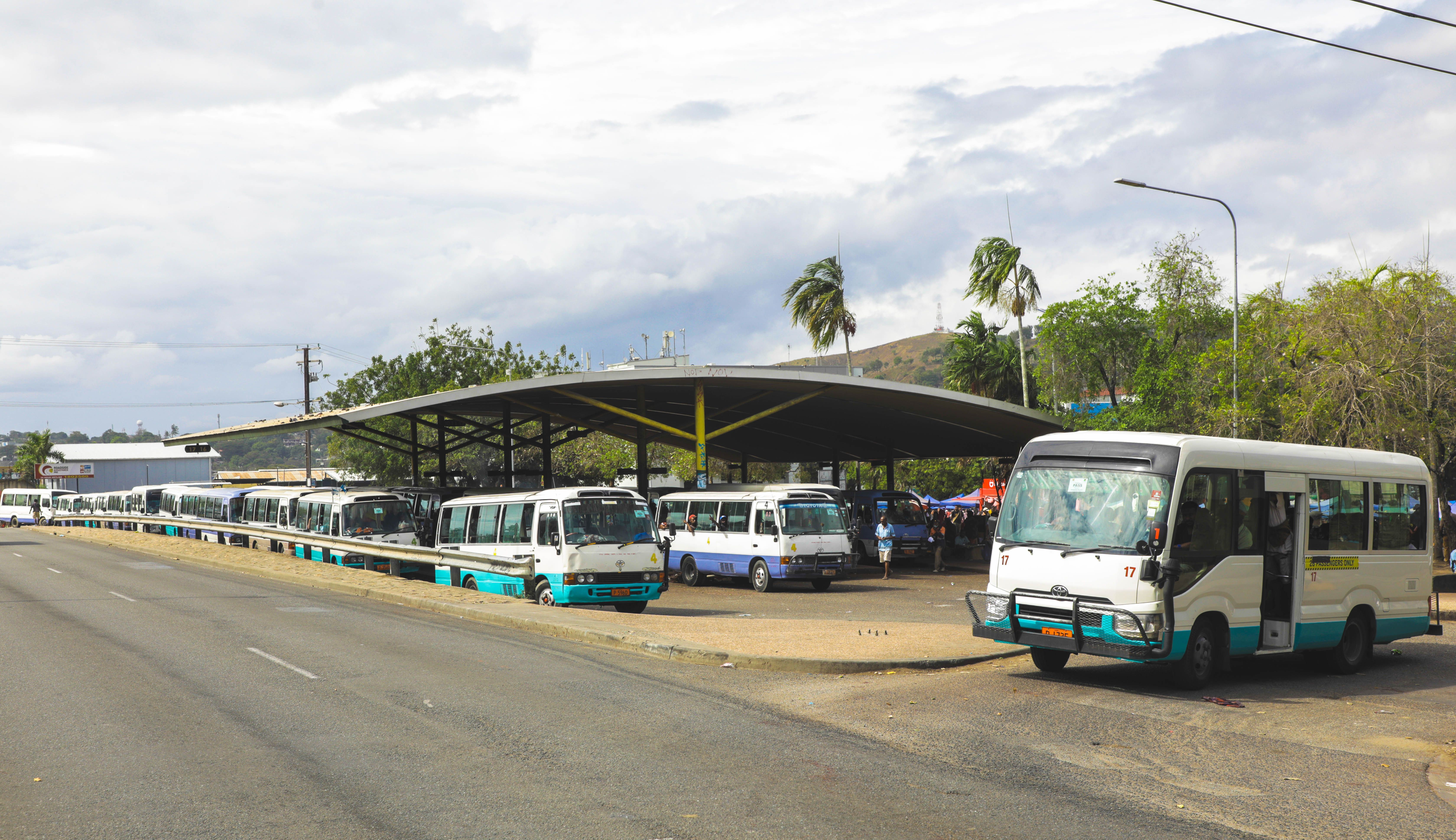
Rising public transport costs in Papua New Guinea are adding to the financial pressure on families, with some households having to weigh transport costs against other daily needs. Photo/hausples.com.pg/file
She says education remains one of the most powerful tools for a developing country but students need enough support to stay in education and finish their qualifications.
Fiji’s experience reflects a wider challenge across the Pacific where families are dealing with higher food, transport and other living costs while governments face pressure to keep essential services affordable.
In Papua New Guinea, rising transport costs have added to the pressure on families with the cost of getting to school competing with other daily needs. Food insecurity is also a concern especially for low-income households.
In the Cook Islands, where most everyday goods are imported, the cost of bringing food and other essentials to the islands is a major part of the problem.
Liana Scott, general manager of Muri Beach Hotel and a Cook Islands tourism industry representative, said on Pacific Mornings the impact is being felt by households and businesses.
“The cost of living is no joke here. Everything's imported. I think 90 per cent of everything we need and require is imported. Freight, air freight and sea freight continue to increase.”
Listen to Liana Scott's full interview on Pacific Mornings about Cook Islands officially increasing workers' pay last month.
Pacific economist Wesley Tanuvasa of ASB Bank also told Pacific Mornings that higher fuel and shipping costs can quickly flow through to the wider economy.
“You feel the pinch first at the petrol station... We use a lot of diesel in terms of getting stuff across the country, transportation services and whatnot.
"It means those price pressures, especially for diesel, are really hurting industries... you get flow-on effects.”
Those pressures can leave families making difficult choices over food, transport, housing and education.
In Fiji, the latest figures show just how far that squeeze can reach, from households struggling to cover everyday expenses to students unable to afford the costs of staying at university.
Listen to Wesley Tanuvasa's full interview on Pacific Mornings on the cost of living impacts on NZ households.
The Reserve Bank says Fiji has made progress in financial inclusion but the latest figures show many households remain vulnerable to unexpected financial shocks.
For students already struggling to pay for food, transport and fees, officials add that vulnerability can mean the difference between completing a qualification and dropping out.
The Reserve Bank of Fiji’s Financial Services Demand Side Survey, conducted by Tebbutt Research with support from the Asian Development Bank (ADB), interviewed 1114 households across Fiji between September and November 2025.
It tracks Fiji’s progress under the National Financial Inclusion Strategy (NFIS) 2022–2030.