

Workers could see changes to how much they and their employers contribute to KiwiSaver under Labour’s proposed shake-up.
Photo/Unsplash
Politics
Labour MP promises KiwiSaver boost for workers who cannot afford to contribute
Barbara Edmonds says employers should keep paying into KiwiSaver even when workers have to cut their own contributions, with the minimum employer rate rising to six per cent by 2032.

PMN News
Published
14 September 2026, 10:02am
Share
Copy Link



Pacific workers facing rising household costs could still build their retirement savings under a Labour plan that would make employer KiwiSaver contributions compulsory, even when employees cannot afford to contribute themselves.
Labour’s finance spokesperson, Barbara Edmonds, says the policy is designed to give workers more control when money is tight while making sure retirement savings do not stop altogether.
Speaking with William Terite on Pacific Mornings, Edmonds said Labour wants to lift the minimum employer contribution to six per cent by 2032.
“Really, the policy that we've announced in relation to KiwiSaver is we're wanting to make KiwiSaver work harder for more New Zealanders so it'll strengthen KiwiSaver for future generations.”
Under the proposal, workers would be able to choose their own contribution rate once a year, including choosing to contribute nothing if they are struggling to meet everyday costs.
“They will have an option once a year to elect what their contribution rate will be, and it could be zero if it means that this particular year they think things are going to be hard because either they've lost, you know, reduced wages or they haven't got the pay rise that they needed to cover their everyday costs," Edmonds said.
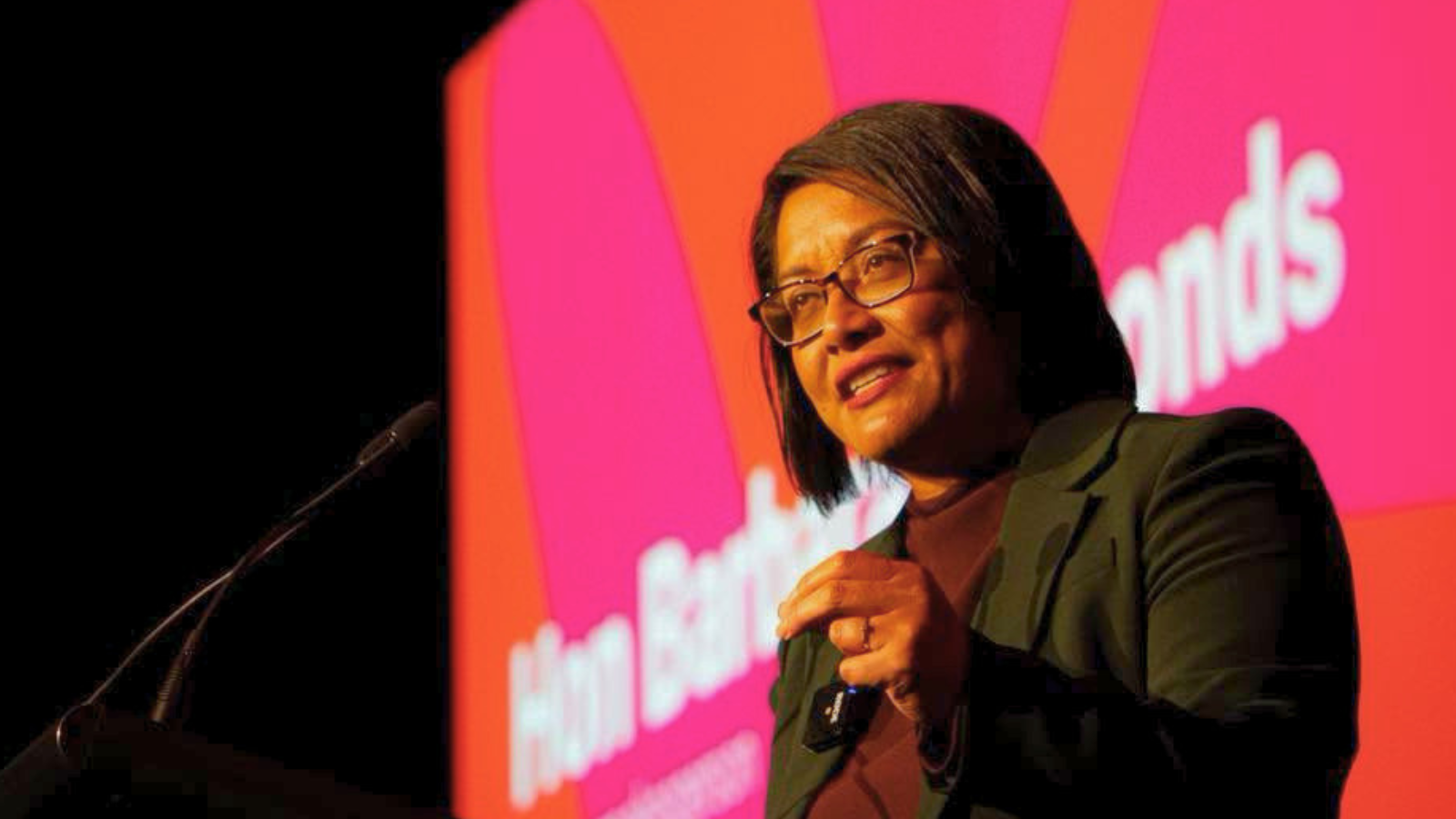
Labour finance spokesperson Barbara Edmonds says the party wants employer KiwiSaver contributions to become compulsory and reach six per cent by 2032. Photo/Labour Party
She said the change recognises that household finances can shift as people have children, buy homes or face higher bills.
“So it's giving them more control and independence around what they can contribute, because life isn't the same line every year. Things change, you have babies, you buy a house, etc, this just gives them greater independence and flexibility.”
The key change for workers would be that their employer would still have to contribute to KiwiSaver, even if the employee chose not to.

Labour wants to give workers more flexibility over their own KiwiSaver contributions while keeping employer payments flowing. Photo/pexels.com
“So it is compulsory regardless of whether the employee contributes or not, or matches that amount.”
Edmonds said that would help protect workers who are forced to stop their own contributions during difficult periods.
“This is .... ensuring that there's still some retirement savings going towards your employee.”
The idea has also been backed by retirement savings experts.
Shamubeel Eaqub, Simplicity chief economist, has previously supported making employer contributions compulsory while allowing workers to choose whether they contribute themselves.
Eaqub said separating the two would mean workers did not immediately lose more of their take-home pay when compulsory savings rules changed.

Simplicity chief economist Shamubeel Eaqub has backed separating compulsory employer contributions from workers’ own KiwiSaver payments. Photo/eaqub.com
That approach could be particularly relevant for households already balancing housing, food and other everyday costs against the need to save for retirement.
The policy also has a specific impact for older workers.
Labour says it would keep the age of eligibility for New Zealand Superannuation at 65 while extending employer KiwiSaver contributions to people who continue working beyond that age.
Edmonds said that would mean workers over 65 would not lose out simply because of their age.
“We are not changing the age of eligibility for superannuation. That's still at 65 for Labour.
"There are some parties who may campaign on increasing that but for Labour, we recognise that not everybody works in a desk job and manual labour takes its toll.”

Labour says its proposed KiwiSaver changes could give Pacific households more flexibility when rising living costs make saving difficult. Photo/RNZ/file
She said workers over 65 should also continue receiving employer contributions if they are still working.
“What we're saying is irrespective of your age, your employer should still contribute if you're working the hours.”
For Pacific communities, the proposal also raises questions about people who are self-employed, run small businesses or work with incomes that change from week to week.
Edmonds acknowledged the current KiwiSaver system does not always fit those workers.
“So self-employed, what we're going to do is work with self-employed and sole traders," she said. “We recognise that they have quite lumpy income and it doesn't usually fit, for example, a normal pay cycle.”
Labour says it will look at work already done by the Retirement Commission on ways self-employed people and sole traders can save for retirement.
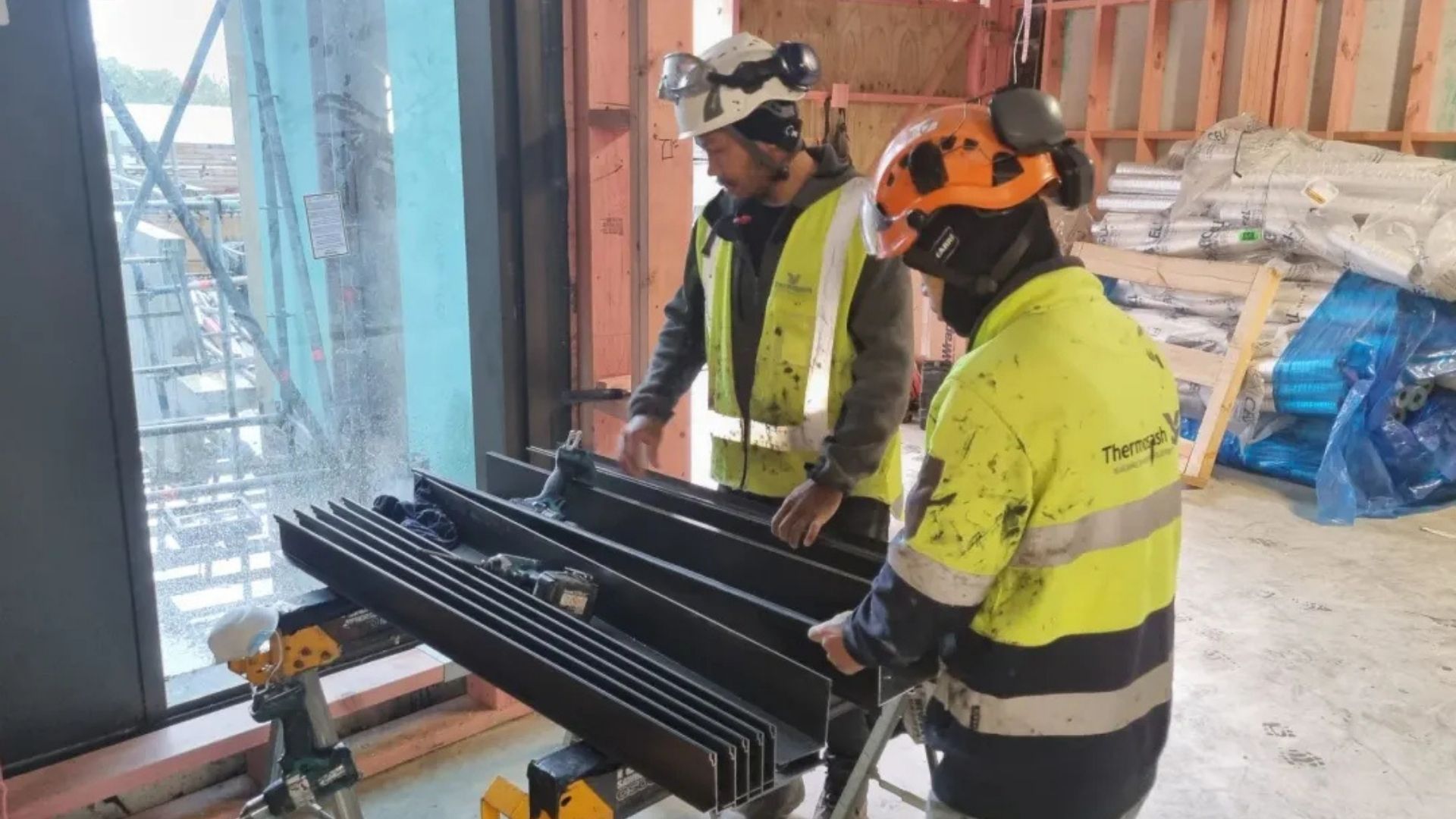
Labour says workers in physically demanding jobs should not have to wait beyond 65 to access NZ Superannuation. Photo/RNZ/Robin Martin
Edmonds says the party would consult with those workers before deciding how the policy should work for them.
Labour is not the only party proposing changes to KiwiSaver, with National and New Zealand First also backing compulsory contributions.
National is also campaigning on compulsory KiwiSaver and a six per cent contribution rate by 2032.
The Government has already begun lifting the default KiwiSaver rate, from three per cent to 3.5 per cent in April 2026, with the rate due to reach four per cent in April 2028.
National has said it would then take both employer and employee contributions to six per cent each by 2032, for a combined 12 per cent.
But Labour says its approach is different because the employer contribution would continue even when a worker chooses to put nothing into KiwiSaver.
Listen to Barbara Edmonds' full interview below.
National's policy would require everyone in work to contribute to KiwiSaver or an equivalent retirement savings scheme, from July 2028, with employer and employee contributions rising to six per cent each by 2032.
Edmonds says Labour’s point of difference is making the employer contribution compulsory while keeping the worker’s contribution flexible.
“The difference with Labour's approach is that we're just making it compulsory on the employer," she said.
“The employee and what they contribute is flexible but ultimately they will still be increasing their retirement savings when the employee can't or the worker can't put money into their KiwiSaver.”
For Pacific households balancing retirement savings against the cost of living, that flexibility could be one of the most important parts of Labour’s proposal.